Quick answer
Many conventional lip balms contain ingredients like petroleum, beeswax, or alcohol that sit on top of the lips without truly hydrating, leading to a cycle of dryness. To fix this, switch to a natural, petroleum-free lip balm with rich butters that moisturize and protect without causing dependency.
Why your lip balm might be making things worse
The most common culprit is the ingredient list. Many balms use petroleum jelly or beeswax as a base, which creates a seal over the lips. While this feels protective, it can actually trap in existing dryness and prevent natural moisture from reaching the skin. Over time, your lips may feel drier once the balm wears off, prompting you to reapply more often. This cycle can lead to chapping and cracking, especially in dry or cold weather.
Another hidden offender is flavoring or fragrance additives, which can irritate sensitive lip skin and cause inflammation. Even some natural balms can be problematic if they contain drying alcohols or essential oils that strip moisture. The key is to look for balms that use nourishing butters and oils as their primary ingredients, not just occlusives.
How to choose a lip balm that actually hydrates
Start by scanning the ingredients for rich butters like shea, cocoa, or mango butter. These provide deep moisture and help reduce inflammation, keeping lips plump and nourished. Avoid balms with petroleum, plastic-derived ingredients, or beeswax if you find they leave your lips feeling dry after use.
A good test: apply your balm and notice if your lips feel softer after an hour, not just greasy. If you feel the need to reapply every 20 minutes, the balm may be creating a temporary film rather than delivering real hydration. Look for products that list moisturizing ingredients early on the label.
Simple daily habits to prevent dry lips
Exfoliate gently once a week with a soft cloth or a sugar scrub to remove dead skin, but avoid over-scrubbing. Drink enough water throughout the day, as dehydration shows on your lips quickly. Protect your lips from sun and wind with a balm that contains SPF or a rich barrier, and avoid licking your lips — saliva evaporates and strips moisture.
If you sleep with a fan or heater on, consider a humidifier in your bedroom. Dry air accelerates moisture loss from your lips. Apply a thicker layer of balm before bed to allow the ingredients to work overnight.
Diagnosis: Is your lip balm the problem?
- Symptom: Your lips feel dry or tighter shortly after applying balm, or you find yourself reapplying every 15–30 minutes. This is a sign the balm is not truly moisturizing.
- Likely cause: The balm contains petroleum, beeswax, or drying alcohols that create a temporary seal without delivering hydration. Check the ingredient list for these common culprits.
- Corrective action: Switch to a natural lip balm with rich butters and no petroleum, plastic, or beeswax. Apply a thin layer and monitor how your lips feel after one hour. If improvement is noticeable, you have found a better match.
- When to stop or choose another option: If after switching to a clean balm your lips remain chapped or irritated for more than a week, consider consulting a dermatologist — the issue may be environmental or medical. Persistent dryness may require professional advice.
Product spotlight
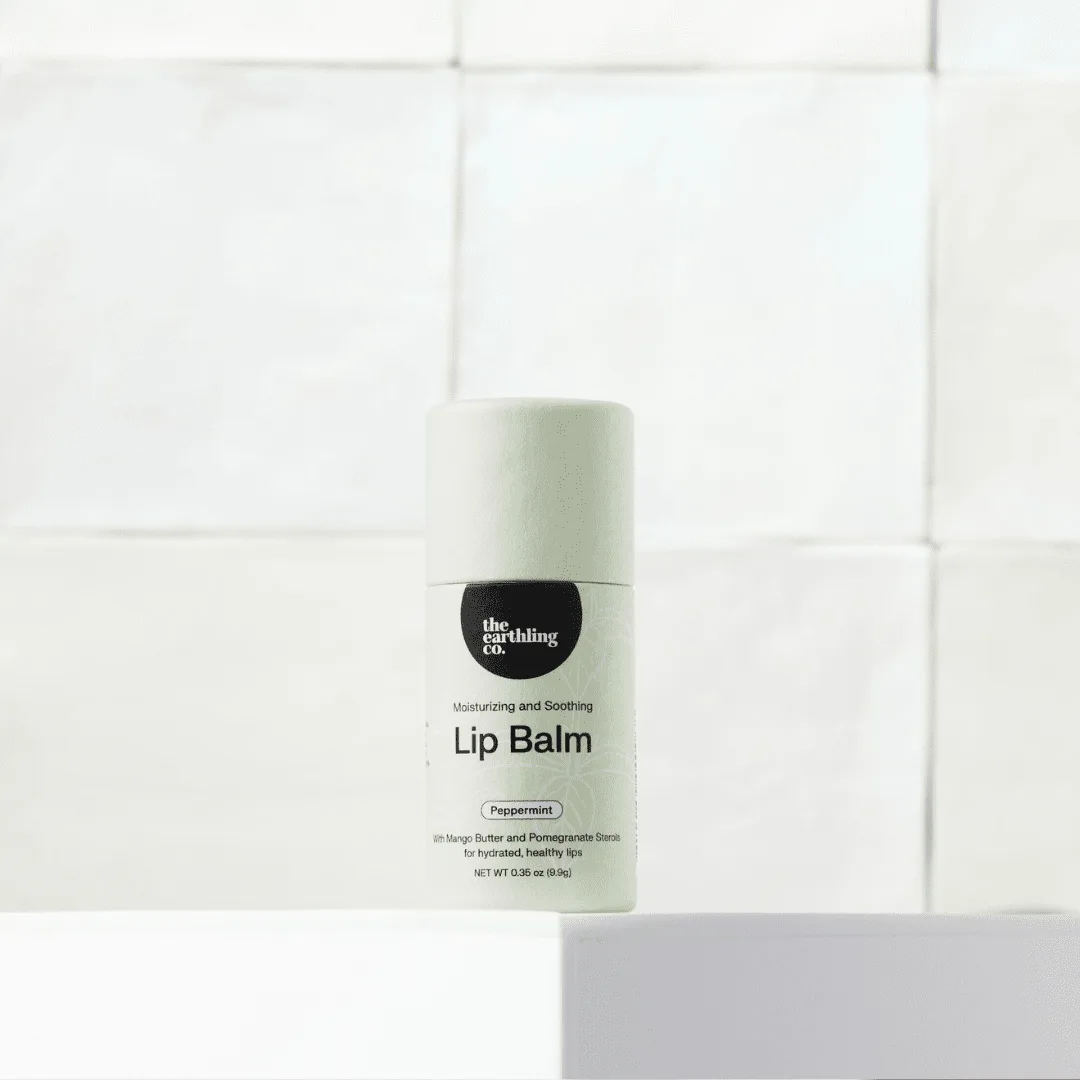
- Lip Balm: Unlock long-lasting moisture and hydration. Made without petroleum, plastic, or beeswax. Includes soothing and moisturizing benefits that keep your lips plump and nourished all day long, while preventing and healing unwanted chapping or cracking. Rich butters work together to both moisturize and reduce inflammation. This formula directly addresses the drying cycle by using nourishing butters instead of occlusive fillers, so your lips stay hydrated without needing constant reapplication.