Quick answer
Most tangled needlepoint thread is caused by using strands longer than 18 inches, letting the thread twist as you stitch, or poor storage. To fix a tangle, stop pulling, gently work the knot loose with a needle, and cut your losses if the thread is too frayed. Prevent future tangles by keeping your working thread short, using a thread conditioner, and storing loose threads in a project bag.
Why needlepoint thread tangles in the first place
The most common culprit is thread length. Needlepoint thread—especially blends like 50% silk and 50% merino wool—has natural twist. When you work with a strand longer than about 18 inches, the weight and movement cause that twist to tighten into knots. Shorter strands reduce the chance of tangling significantly.
Tension matters too. If you pull the thread tight after every stitch, you're encouraging the plies to separate and curl. Relaxed, even tension lets the thread lie flat and glide through the canvas without twisting.
Storage is the third factor. Loose threads left in a bag or drawer can snag, kink, and tangle with each other. Keeping each color on a thread ring or in a dedicated project baggy prevents that.
How to fix a tangled thread without damaging your work
Stop stitching as soon as you feel resistance. Pulling harder only tightens the knot and can fray delicate fibers. Lay the canvas flat and gently tug the thread in the opposite direction of the tangle to see if it loosens.
If the knot is small, use a tapestry needle to carefully tease it apart. Insert the needle tip into the center of the knot and wiggle it gently. For stubborn tangles, roll the knot between your thumb and forefinger to loosen the fibers.
When a knot won't budge or the thread has become fuzzy from handling, cut the thread at the knot, remove the damaged section, and rethread your needle. It's better to lose a few inches of thread than to risk distorting your stitches or breaking the canvas.
Simple habits that prevent thread tangles
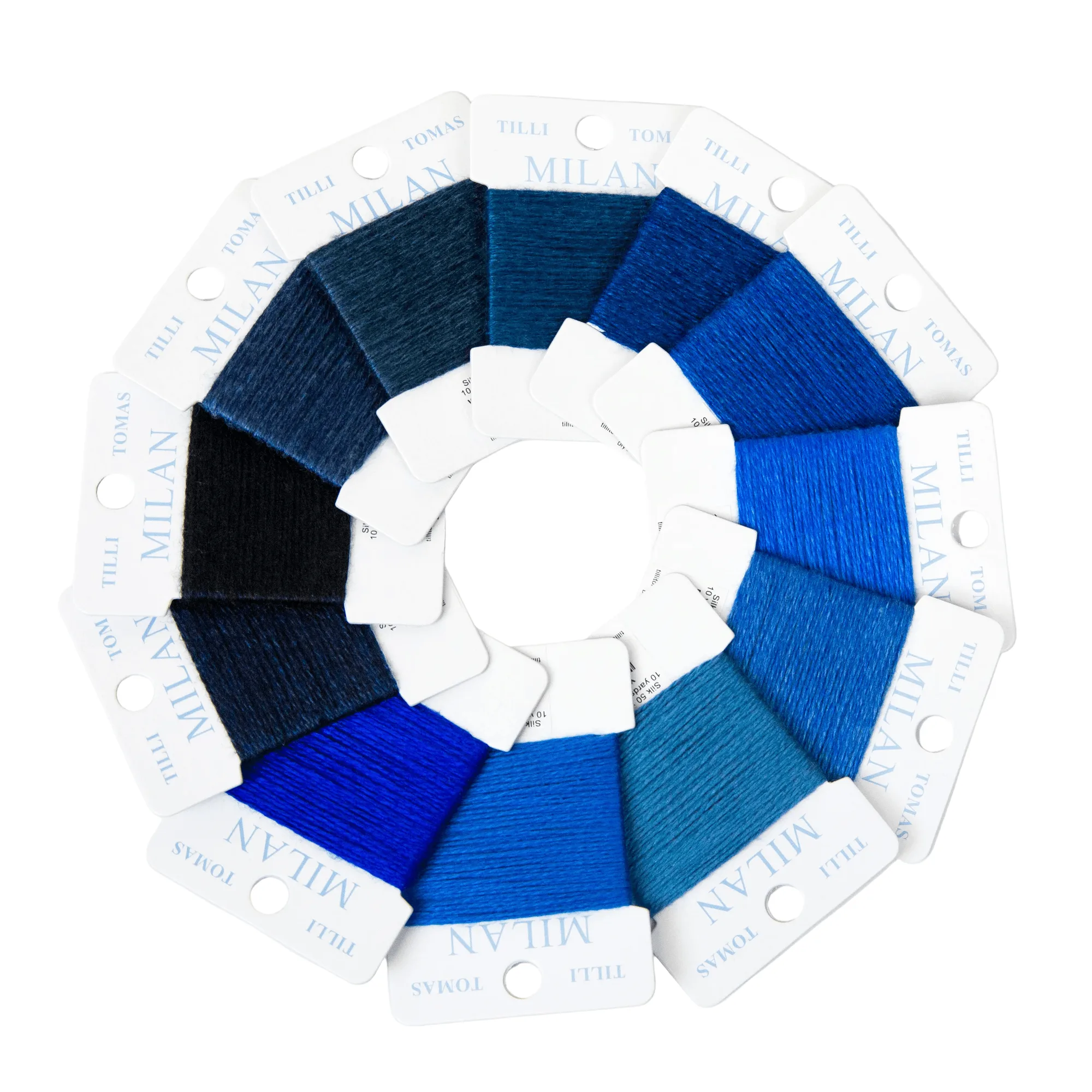
Cut your working thread to 18 inches or less. This is the single most effective change you can make. For 13-mesh canvas, a 10-yard card like the Milan Cards gives you plenty of short strands.
Let the needle dangle every few stitches to allow the thread to untwist naturally. This is especially important with silk-wool blends that have more spring than pure wool.
Store unfinished projects in a reusable PVC project baggy to keep threads clean and separate. A baggy also prevents the canvas from snagging on other items in your tote.
Diagnosis: Is it a tangle or a different problem?
- Symptom: Thread forms tight knots as you stitch, especially near the needle. Likely cause: strand too long or thread twisting from over-pulling.
- Likely cause: Working with thread longer than 18 inches, or pulling the thread taut after every stitch. Corrective action: Cut shorter strands and let the needle dangle to release twist.
- When to cut your losses: If the knot is tight and the thread has become fuzzy or frayed from repeated handling. Stop trying to untangle. Cut the damaged section, rethread, and continue. Preserving thread quality is more important than saving a few inches.
Products that help manage your thread
- Milan Cards: Silk: 50% Merino Wool: 50% 10 yd cards. Great for 13 Mesh - Coverage ~5 square inches on 13 mesh. These cards let you cut short, manageable strands without waste. The silk-wool blend is smooth but needs shorter lengths to prevent tangling.
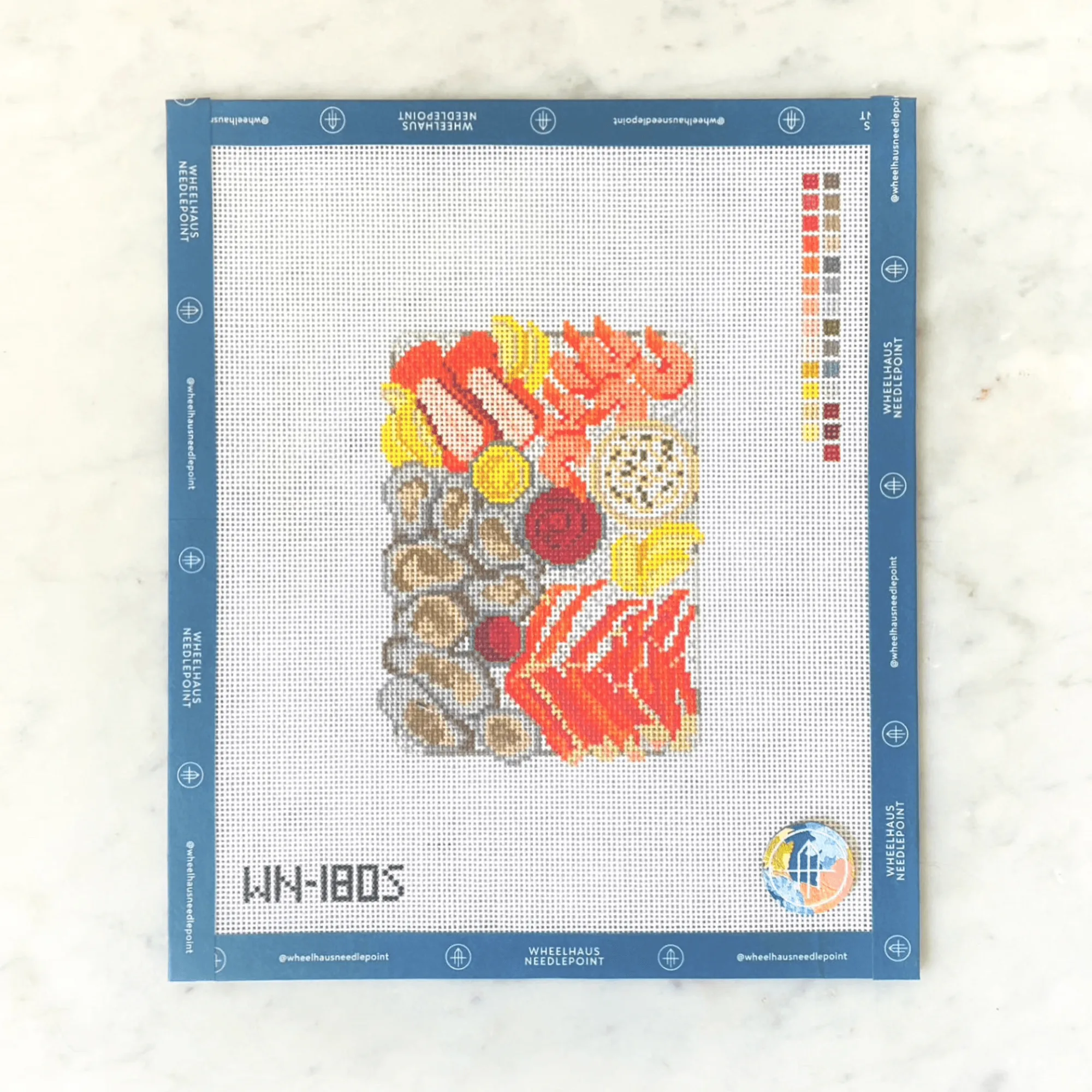
- Seacuterie Platter: Thread kit includes a thread ring, tapestry needle, and reusable PVC protective project baggy. A thread ring keeps each color separate and untangled. The baggy protects your work-in-progress from dust and snags between stitching sessions.
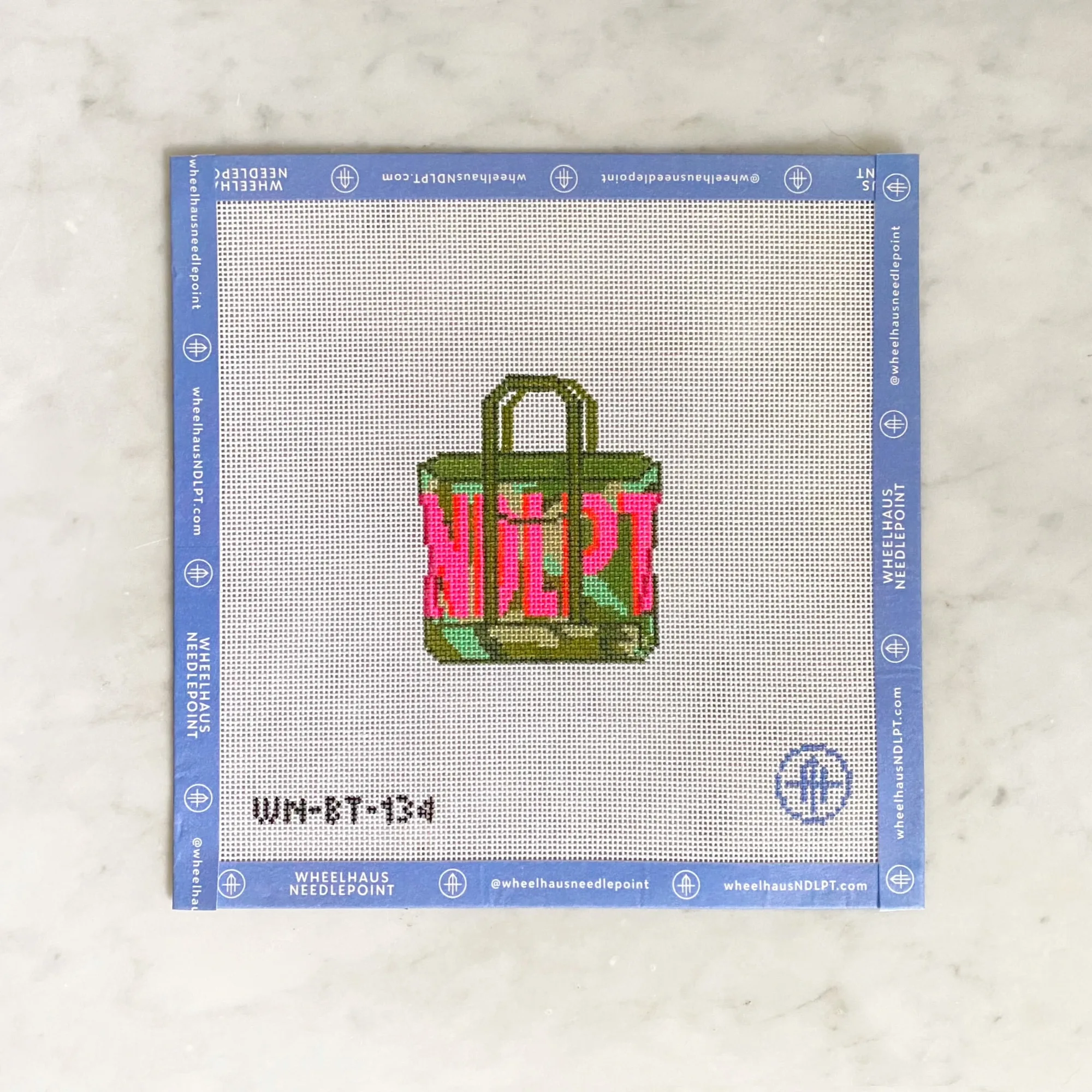
- Camo NDLPT Tote: Canvas only or thread kit option includes a reusable PVC protective project baggy. Having a dedicated project baggy encourages good storage habits, which directly reduces the chance of thread tangles when you're not stitching.