Quick answer
Most uncomfortable pajamas come down to three fixable causes: the fabric, the fit, or trapped heat. Check the fiber content first, then the cut, then your laundry routine. If a pair still scratches, pinches, or overheats after those fixes, it's the wrong pajama for you — switch to a breathable cotton sleepwear set instead of trying to break it in.
You take your pajamas off at 2 a.m. and can't explain why. The label says cotton, the size is right, and yet something feels off every night. That's the frustrating part about uncomfortable pajamas: the problem is rarely obvious, because three different causes produce almost the same symptoms.
The good news is that each cause has a different fix, and you can usually identify yours in one or two nights. Below is a symptom-by-symptom diagnosis, plus the point where you should stop troubleshooting and simply choose different sleepwear.
Start with the fabric, not the fit
If your pajamas feel itchy or prickly within the first ten minutes, the fabric is the prime suspect. Check the fiber content on the care label rather than the marketing name on the tag. Blends with a high share of synthetic yarn can trap heat and feel rougher against sensitive skin, while long-fiber cottons tend to stay smooth wash after wash.
If the itch appears only after a few hours, heat and moisture are likely the trigger rather than the fiber itself. That's a fit or breathability problem, not a fabric quality problem, and it needs a different fix.
- Read the fiber percentages, not just the front-of-pack description.
- Test against your inner forearm for a minute before committing to a full night.
- If you sleep hot, prioritize breathability over thickness.
Fit problems that only show up at night
Pajamas that feel fine while standing can still bind once you lie down, because your body spreads and your waistband shifts. A waistband that leaves a red mark in the morning, or shoulders that pull when you roll over, means the cut is wrong for your sleeping position — not that you bought the wrong size.
Side sleepers usually need more room through the shoulder and hip; back sleepers notice tight waistbands and twisted legs first. Before you size up, check whether the garment has any stretch recovery. A little elastane in the weave helps the fabric follow your movements instead of fighting them.
- Lie down in the pajamas for five minutes before deciding to keep them.
- Roll from side to back and note where it pulls.
- A relaxed cut often fixes more than a larger size does.
Heat, sweat, and the laundry trap
If you wake up damp and clammy rather than itchy, the issue is airflow, not softness. Heavy weaves and tight cuffs hold warmth against the skin, and a warm bedroom makes any pajama feel worse. Lighter, breathable cotton sleepwear solves most of this without changing your bedding.
Laundry is the overlooked third cause. Overdosing detergent or using a heavy fabric softener leaves a residue that coats fibers and reduces their natural softness, which can read as itchiness. Wash sleepwear with a small amount of detergent, skip the softener, and give it an extra rinse if your water is hard.
- Use less detergent than the cap suggests for a normal load.
- Skip fabric softener on sleepwear and breathable cottons.
- Rotate two or three pairs so each one fully dries between wears.
When to stop fixing and switch
Give any single fix two or three nights. If the itch, pinch, or dampness returns in the same place every time, the garment is the problem and no amount of washing or adjusting will change that. This is especially true for pajamas with a coated or vinyl-effect finish, which are designed for a specific look rather than all-night breathability.
At that point, choose sleepwear built for comfort first: a breathable cotton weave, a relaxed cut, and a waistband that doesn't dig. That's a better use of your money than a fourth attempt at softening a pair that was never meant for sleeping.
- Two or three nights per fix is enough to judge it.
- Recurring marks or dampness mean it's time to replace.
- Match the pajama to your sleep temperature, not just the print.
Diagnose your uncomfortable pajamas
- Itchy within minutes of putting them on: The fiber is the cause. Check the label for a high synthetic share or a coarse weave, and test the fabric against your inner forearm before buying. Fix the fabric first; washing won't soften a fiber that irritates your skin.
- Fine standing, tight once you lie down: The cut is the cause, not the size. Waistband marks, pulling shoulders, or twisted legs point to a shape that doesn't match your sleeping position. Try a relaxed cut with some stretch recovery before sizing up.
- Waking up damp and clammy: Heat and airflow are the cause. Heavy weaves and tight cuffs trap warmth, and residue from too much detergent or softener makes it worse. Switch to lighter breathable cotton, cut back on detergent, and skip softener.
- Still uncomfortable after all three fixes: The garment itself is wrong for sleeping. This is common with coated or vinyl-effect styles made for a look rather than overnight breathability. Stop troubleshooting and replace it with sleepwear designed for comfort first.
Sleepwear built to avoid these problems
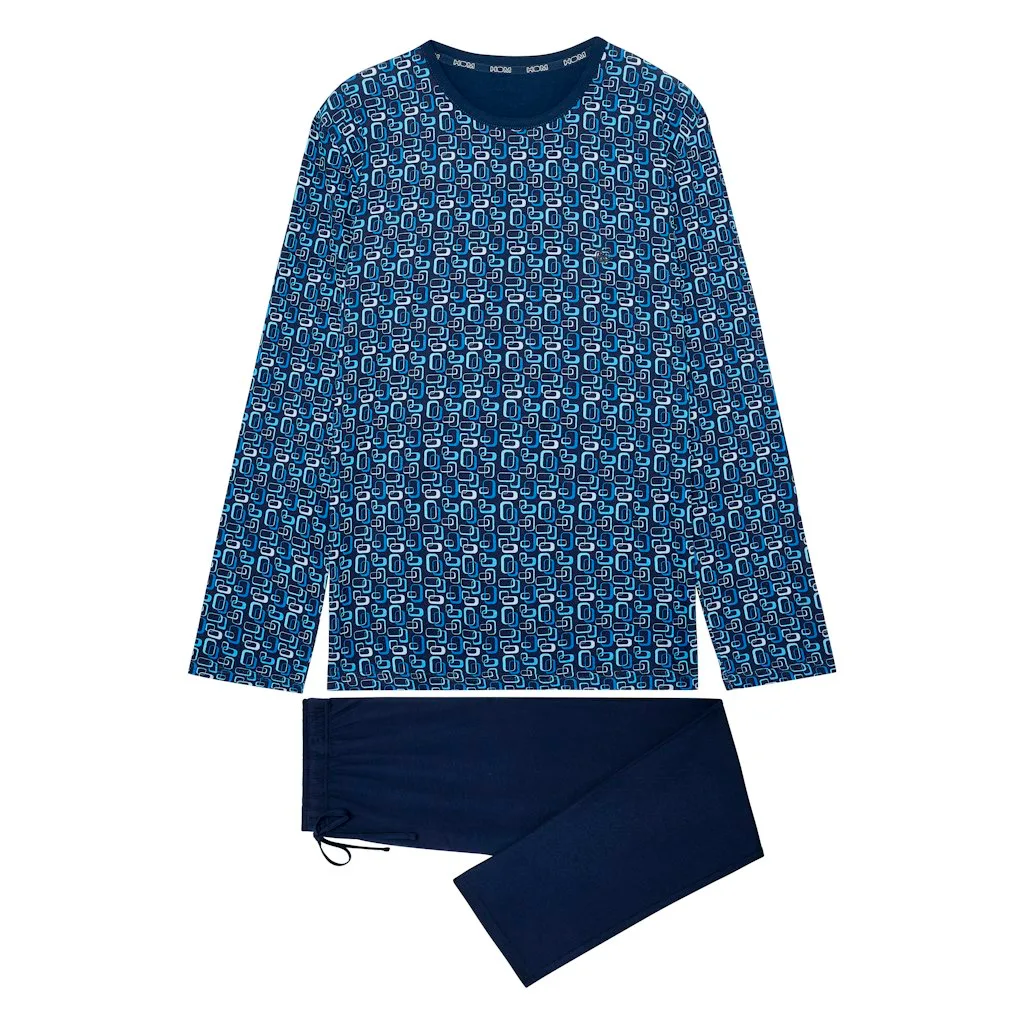
- Elvis Long Sleepwear | Blue Print 403210-I0BI: Soft cotton provides lasting comfort and excellent breathability throughout the night, and the fabric naturally follows the body's movements while remaining exceptionally comfortable wear after wear. Breathable cotton plus a fabric that moves with you addresses both the heat and the binding problems described above, which is what most uncomfortable pajamas actually suffer from.
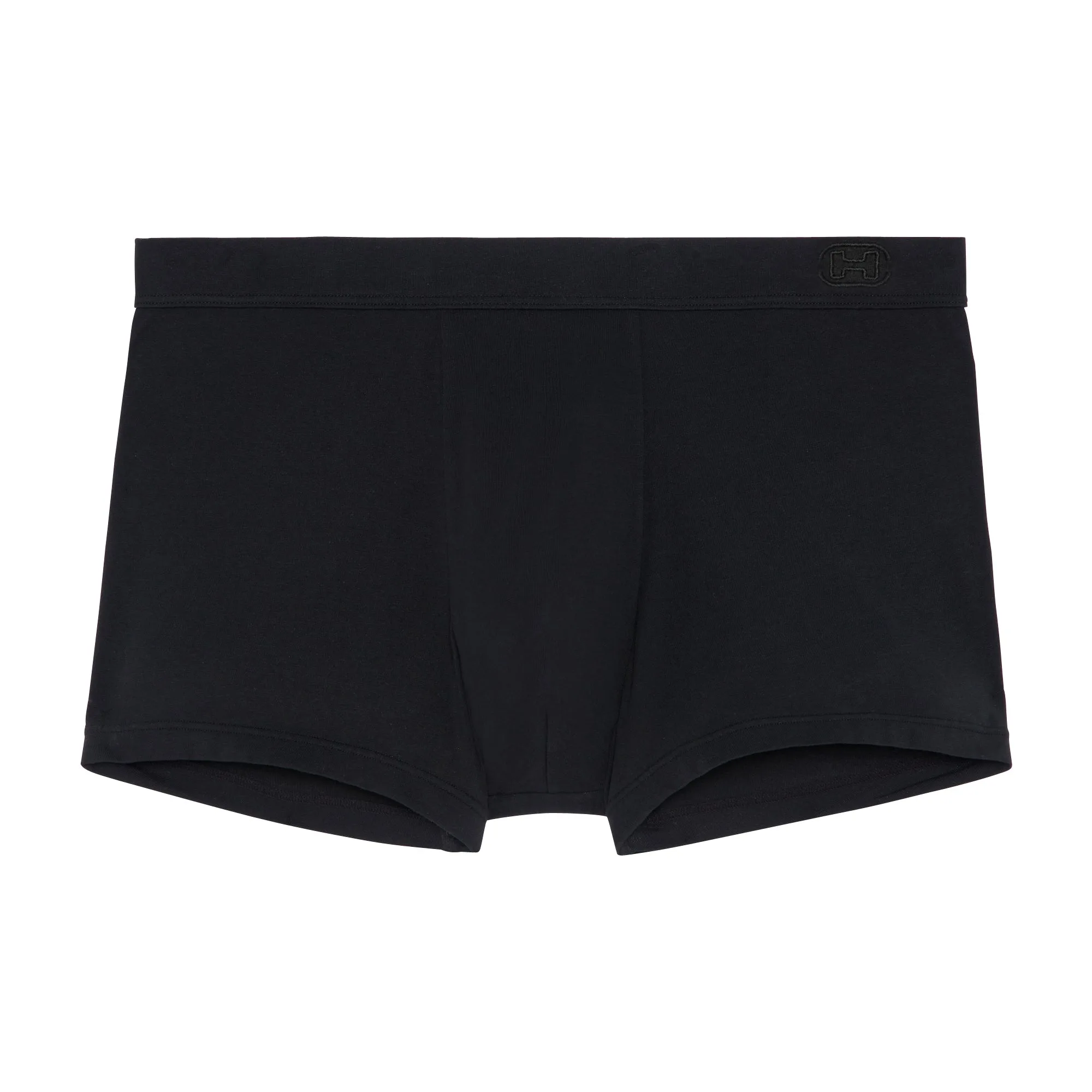
- Supreme Cotton Comfort Boxer Briefs | Black 402449-0004: Made of 92% supima cotton and 8% spandex yarn, with fine and elongated fibers that give appreciable softness and a feeling of freshness, even for sensitive skin. If the itch is concentrated at the waist and legs rather than the whole body, the layer underneath is often the real culprit — a long, high-hold boxer in soft supima cotton removes that friction point.
Uncomfortable pajamas are almost always a solvable problem — fabric, fit, or heat — and you can usually tell which one within a night or two. Fix what you can, and when a pair keeps failing the test, replace it with breathable cotton sleepwear instead of fighting it.