Quick answer
Most noisy aquarium filters are caused by air in the pump, low water level, or a loose impeller—all of which you can fix in minutes without replacing the filter.
Why noise type matters for diagnosis
A rattling sound usually points to a loose impeller or debris in the pump. A gurgling noise often means air is trapped inside. Constant humming can signal a mechanical imbalance. Matching the noise type to the cause saves you time—and keeps you from tearing apart a perfectly fine filter.
Diagnosis: step-by-step noise fix
-
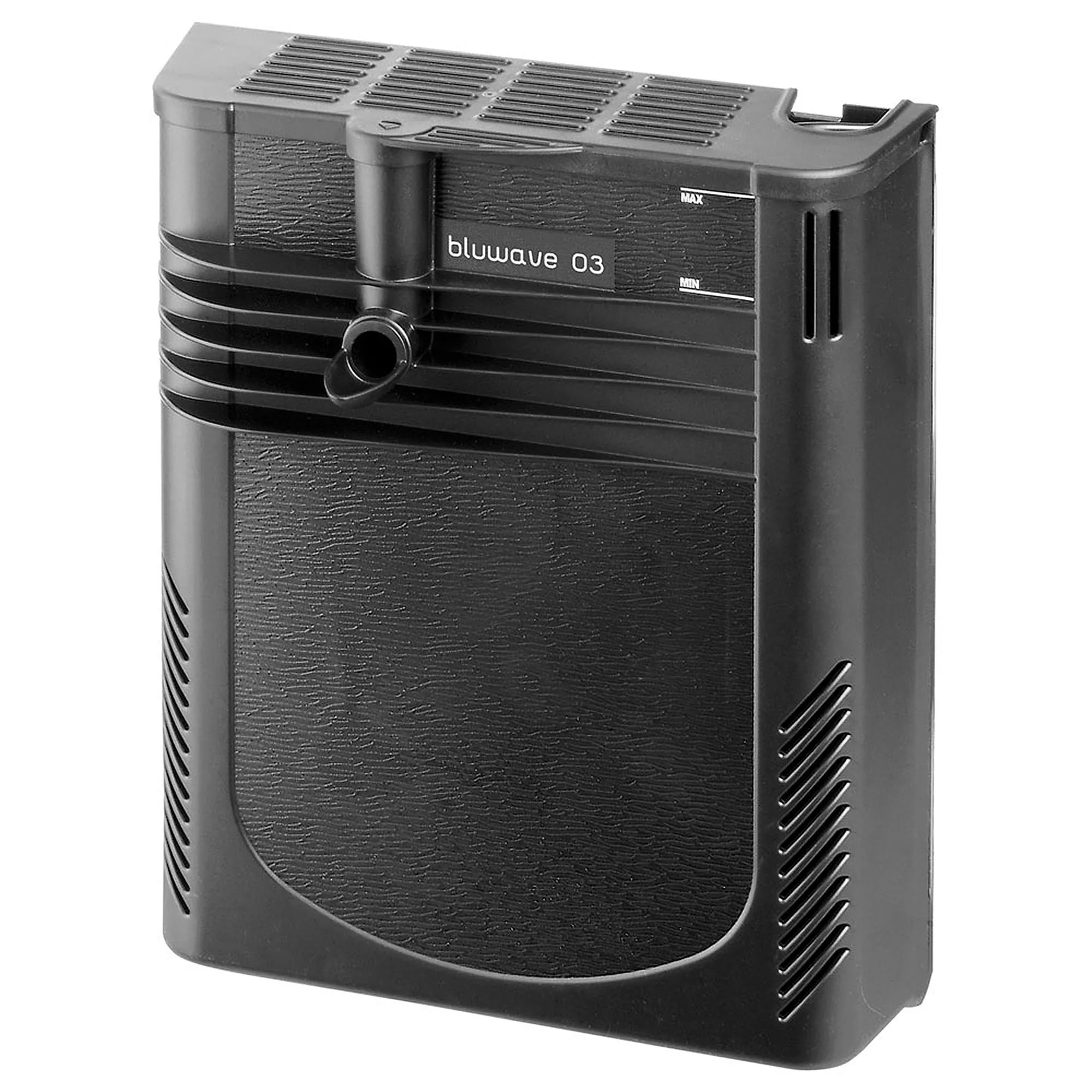
1. Gurgling or sputtering noise: Air is trapped in the filter after water changes or if the water level dropped below the intake. Prime the filter by tilting it or submerging it fully until air bubbles stop coming out. On models like Bluwave 03, shake the filter gently underwater to release air pockets. If air returns every few days, check for a crack in the intake tube or a seal leak.
-
2. Rattling or grinding noise: Debris (gravel, snail shells) or a loose impeller is the usual cause. Unplug the filter, remove the impeller cover, and clean both the magnet and the shaft with a soft brush or cotton swab. Reassemble and make sure the impeller spins freely.
-
3. Humming or vibrating noise: The filter is likely touching the glass or another object. Push it slightly away from the glass so the rubber feet (or suction cups) absorb vibration. If you own a hang-on filter like Bravo, ensure the bracket is fully secured and the water level is high enough to prevent the return water from splashing. Still noisy after these steps? The motor may be wearing out. At that point, consider replacing the filter rather than buying spare parts.

BRAVO
Filters that help reduce noise
-
BLUWAVE 03: Bluwave 03 combines mechanical, biological, and adsorptive filtration in one internal unit with a multi-stage sponge and ceramic ring system. Its modular design and high-quality motor usually run quieter than budget stick-on filters, especially after the initial air purge.
BLUWAVE 03