Quick Answer
A bitter pour over is almost always over extracted. The fastest fix is to grind coarser, lower your water temperature, or shorten the brew time. Change one variable at a time, taste, and adjust again. If bitterness persists after three or four adjustments, your water or your beans may be the real problem.
You measure the coffee, heat the water, pour with care, and still end up with a cup that tastes harsh and drying. Bitter pour over is frustrating because the process looked right. The cause usually hides in one of a few variables that are easy to overlook.
This guide walks through the most common reasons a pour over tastes bitter, what to change first, and when to stop adjusting and try a different approach. You do not need new gear to fix most bitter cups, but a couple of small upgrades can help if the problem keeps coming back.
What Over Extraction Actually Tastes Like
Over extraction happens when water pulls too many soluble compounds from the coffee. The cup tastes bitter, dry, and sometimes hollow or ashy. It can also feel heavy on the tongue in an unpleasant way. This is different from under extraction, which tastes sour, sharp, and thin. If your pour over is both bitter and sour, the brew is uneven rather than simply over extracted.
Before changing anything, taste the coffee at a few temperatures. Bitter notes often become more obvious as the cup cools. If the bitterness fades and sweetness appears, your brew may be close and only needs a small adjustment. If it gets harsher as it cools, over extraction is the likely cause.
- Bitter, dry, ashy, or hollow: over extracted.
- Sour, sharp, thin: under extracted.
- Bitter and sour together: uneven extraction, often from poor pouring or a mismatched grind.
Cause 1: Your Grind Is Too Fine
A fine grind increases surface area and slows the flow of water through the coffee bed. More contact time plus more surface area equals more extraction. If your pour over drains slowly and tastes bitter, grind coarser. On a typical grinder, move two to three clicks coarser and brew again. You should see the water drain faster and the bitterness drop.
Fine grinds are not always wrong. Some brewers and recipes call for a finer grind. The key is matching the grind to the brewer and the brew time. If you recently changed beans, remember that darker roasts often extract faster and may need a coarser grind than lighter roasts.
- Slow drawdown plus bitterness usually means grind coarser.
- Change grind in small steps, not large jumps.
- Darker roasts often need a coarser setting than lighter roasts.
Cause 2: Water Temperature Is Too High
Water that is too hot extracts bitter compounds quickly. If you pour straight off a rolling boil, the temperature at the coffee bed can be well above the ideal range. Let the kettle sit for 30 to 60 seconds after boiling, or use a kettle with temperature control. For most pour over coffees, water between 195°F and 205°F works well.
Temperature is especially important with dark roasts. They already contain more developed sugars and roast flavors, and high heat can push them into bitter territory fast. If you are brewing a dark roast and it tastes bitter, try dropping the water temperature by 5 to 10 degrees before changing anything else.
- Let boiled water rest before pouring, or use a temperature-controlled kettle.
- Try 195°F to 205°F as a starting range.
- Dark roasts often benefit from the lower end of that range.
Cause 3: Your Ratio or Brew Time Is Off
A ratio that is too strong can read as bitter even when extraction is normal. If you use a lot of coffee and a little water, the cup is concentrated and the bitter notes stand out. Start with a ratio around 1:15 to 1:16, coffee to water, and adjust from there. If the cup is bitter and also very heavy, try adding a little more water.
Brew time matters too. If your total brew runs much longer than the recipe calls for, the coffee keeps extracting. A typical pour over finishes in about two and a half to three and a half minutes, depending on the brewer and dose. If you are well past that and the bed is still draining, the grind is likely too fine.
- Start near 1:15 or 1:16 coffee to water by weight.
- If the brew runs long, check the grind before changing the ratio.
- Keep a simple log of dose, water, time, and taste.
Cause 4: The Brewer or Filter Is Working Against You
Different brewers extract differently. A cone-shaped brewer with a large single hole, like the Hario V60, is built for speed and gives you a lot of control over flow. If your pouring is uneven or too slow, the bed can stall and over extract. A flat-bottom brewer with restricted flow, like a Kalita Wave, can be more forgiving but still turns bitter if the grind is too fine or the filter clogs.
Filter choice also matters. A filter that sits flat against the dripper wall can slow drainage and trap water against the coffee. Pre-soaking the filter and rinsing it well helps it sit correctly and removes paper taste. If your brewer or filter consistently stalls no matter what you change, it may be time to try a different setup.
- Pre-soak and rinse paper filters before brewing.
- If the bed stalls repeatedly, coarsen the grind or adjust your pour.
- A different brewer shape can change how forgiving the process feels.
Cause 5: Water, Beans, and Freshness
If you have adjusted grind, temperature, ratio, and time and the cup is still bitter, look at your water and your coffee. Very hard water with high mineral content can pull harsh flavors. So can water that is heavily chlorinated. If your tap water tastes off on its own, it will show up in the cup. Filtered water is a simple fix.
Bean freshness and roast level also play a role. Coffee roasted very dark tends to taste bitter more easily, and coffee that is extremely fresh, just a day or two off roast, can behave unpredictably because it is still releasing gas. Giving beans a few more days to rest often smooths out the brew.
- Try filtered water if your tap water tastes strongly of minerals or chlorine.
- Very dark roasts may taste bitter no matter how you brew them.
- Let very fresh coffee rest a few days after the roast date.
Bitter Pour Over Diagnosis Chart
- Symptom: Bitter and dry, slow drawdown: The brew took longer than usual and the bed looked muddy. Grind is likely too fine, or the filter is clogged. Grind two to three clicks coarser and pre-soak the filter. If it still stalls, check the filter fit.
- Symptom: Bitter and harsh, fast drawdown: Water ran through quickly but the cup still tastes bitter. Water temperature may be too high, or the roast is very dark. Lower water temperature by 5 to 10 degrees. If it persists, try a lighter roast.
- Symptom: Bitter and weak or watery: The cup lacks sweetness and body but finishes bitter. This often points to uneven extraction from pouring or a ratio that is too dilute. Even out your pour, keep the bed level, and tighten the ratio slightly. Stop adjusting if the bitterness does not improve after three tries.
- Symptom: Bitter no matter what you change: You have adjusted grind, temperature, ratio, and time across several brews with no improvement. The cause is likely your water or the coffee itself. Try filtered water and a different coffee. If both fail, consider a different brewer or a different roast level.
Gear That Helps When Bitterness Keeps Coming Back
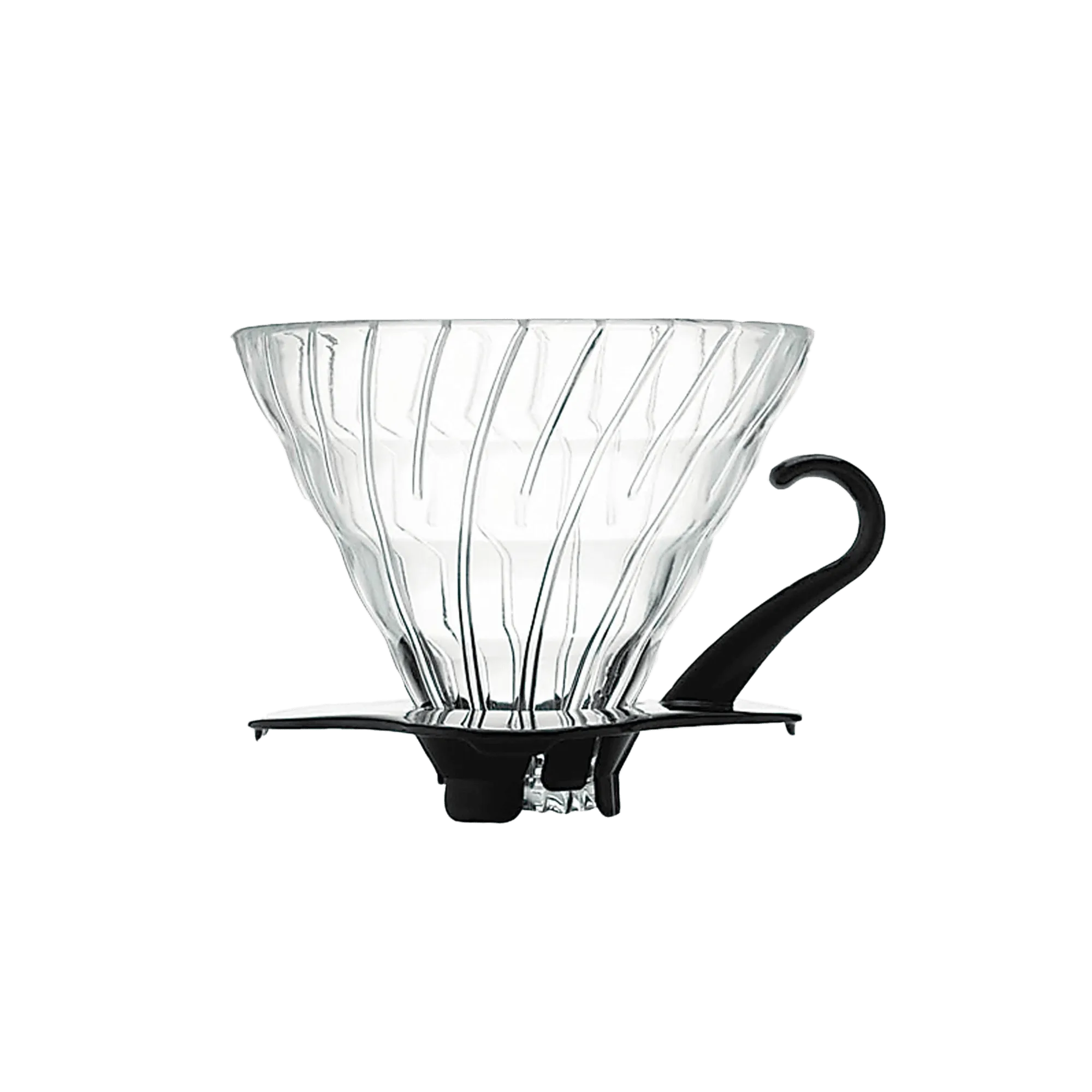
- Hario V60 Glass Coffee Dripper: The Hario V60 Glass Dripper is a cone-shaped brewer designed for speed and consistency, with a large single hole that gives you control over flow. If your current brewer stalls easily, the V60's fast flow can help you avoid the long contact time that causes bitterness. It rewards an even pour, so it is a good fit if you want to learn to control extraction directly.
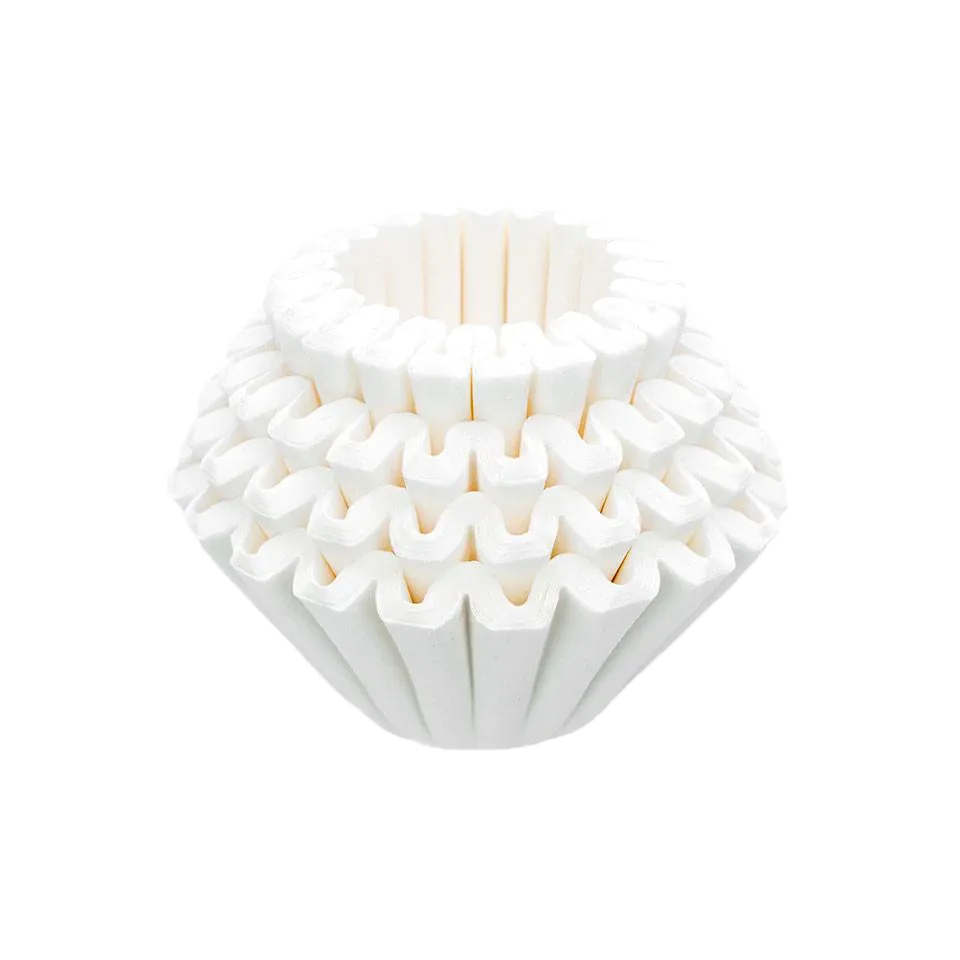
- Kalita Coffee Filters #185: Kalita filters are designed to keep the coffee filter slightly suspended above the bottom of the brewer, funneling water contact away from the outer wall. A filter that sits correctly and drains evenly reduces the chance of water pooling against the coffee, which is a common source of over extraction and bitterness.
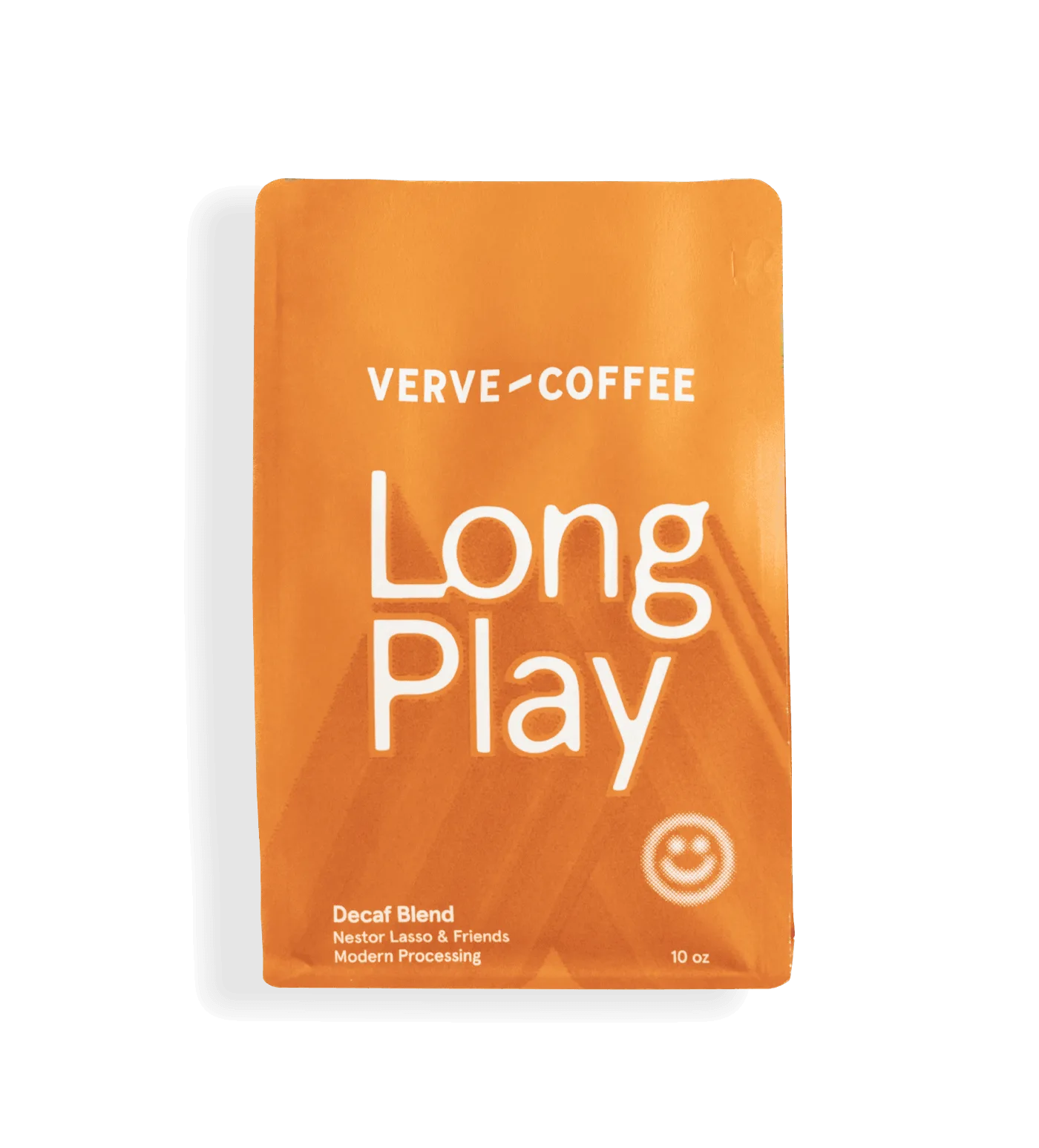
- Long Play Decaf: Long Play Decaf is decaffeinated using the natural Sugar Cane process and is described as retaining sweetness, texture, and aromatic complexity with a clean finish. If you want a gentler cup later in the day, a decaf that keeps its sweetness can be easier to brew without tipping into bitterness. It is also a useful test: if this coffee tastes bitter too, the problem is likely your technique or water, not the beans.
Bitter pour over is a solvable problem, and most fixes cost nothing but a small adjustment. Change one variable at a time, taste as you go, and stop when the cup turns sweet and balanced. If you have tried everything and the bitterness stays, the answer may be your water, your beans, or simply a brewer that suits your style better.