Quick answer
Bitter pour-over coffee is almost always caused by over-extraction—pulling too many bitter compounds from the grounds. The fastest fix is to grind coarser, which slows extraction and lets you dial in a balanced brew.
What Causes Bitter Pour-Over Coffee?
Over-extraction happens when water dissolves too many soluble compounds from the coffee grounds, including harsh-tasting ones like tannins. Common causes include a grind size that is too fine, water that is too hot, or a brew time that runs too long. Even a great recipe can taste bitter if one of these variables is off.
Grind size is the most frequent culprit. Fine grounds expose more surface area to water, speeding up extraction. If your pour-over finishes faster than expected or the slurry looks muddy, your grind is likely too fine. Water temperature also matters: brewing above 205°F (96°C) can aggressively extract bitter flavors, especially with lighter roasts.
How to Diagnose and Fix Over-Extraction
Start by checking your grind. If you are using a burr grinder, set it one or two notches coarser. With the Fellow Ode Brew Grinder, for example, moving from a setting around 4 to 5 or 6 can make a noticeable difference. Brew a test cup and taste—if bitterness drops but the coffee still has body, you are on the right track.
Next, verify your water temperature. Aim for 195–205°F (90–96°C). If you do not have a variable-temperature kettle, let boiling water sit for 30–45 seconds before pouring. Finally, shorten your total brew time. For a standard 12-ounce (350 ml) pour-over, aim for 2:30–3:00 minutes. If you are running past 3:30, coarsen the grind or use a faster pouring technique.
When to Consider a Grinder Upgrade
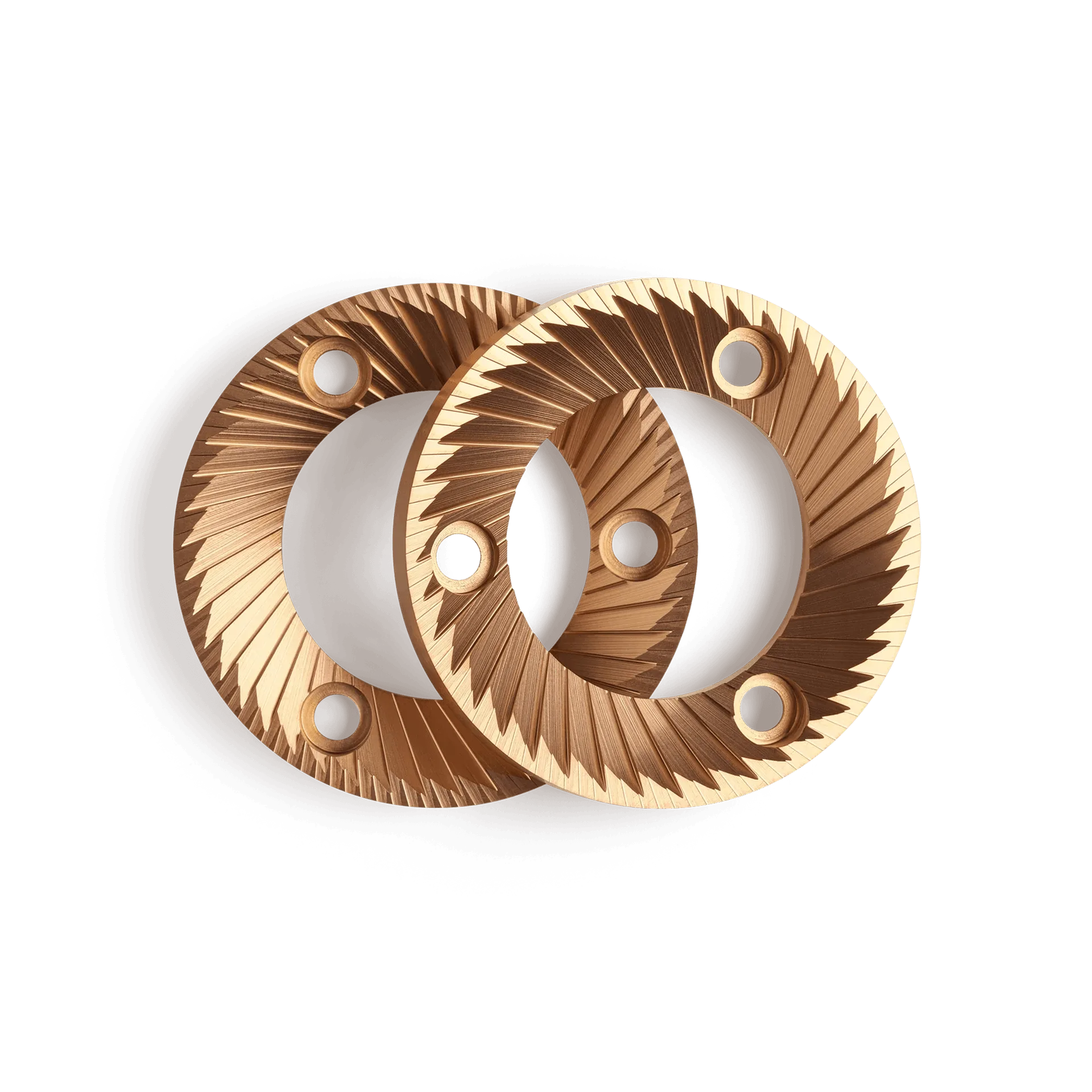
If you are consistently struggling with bitterness and your grinder produces many fines (tiny particles), an upgrade can help. Consistent particle size leads to even extraction and fewer bitter notes. The SSP Red Speed Coated 64mm MP Flat Brew Burrs, for instance, provide a wider range of grind settings and grind 200 microns finer than standard Ode Brew Grinder burrs for drip settings. This allows you to fine-tune recipes for brewers like the Hario V60 or AeroPress without overshooting into bitterness.
However, burr upgrades are not a quick fix for technique issues. Before investing, master the basics: consistent pour, proper ratio (typically 1:16 coffee to water), and clean equipment. Old coffee oils can also add bitterness, so wash your dripper and carafe after every use.
Bitter Pour-Over Diagnosis
- Symptom: Coffee tastes harsh, ashy, or astringent. It may linger unpleasantly on the tongue. If it is not sour or salty, over-extraction is the most likely cause.
- Likely cause: Grind size too fine, water too hot, or brew time too long. Fines from a low-quality grinder can also contribute. Start with grind size—it affects both extraction speed and brew time.
- Corrective action: Grind coarser by one or two settings. Lower water temperature to 195–205°F (90–96°C). Shorten brew time to 2:30–3:00 minutes for a standard cup. Change one variable at a time and taste. If bitterness persists, try a different bean or roast level.
- When to stop or choose another option: If bitterness remains after adjusting grind, temperature, and time, the issue may be the coffee itself—over-roasted beans or stale coffee can taste bitter regardless of technique. Try a fresh, medium-roast single-origin. If that still tastes bitter, check your water quality (hard water can accentuate bitterness).
Products That Help You Dial In
- Stagg [X] Pour-Over Set: Designed to be used together, the dripper fits securely on the tasting glass, allowing you to brew and drink from the same vessel. The result is a simple, consistent pour-over setup for single-cup brewing, with fewer moving parts. A consistent setup eliminates variables like dripper fit and vessel heat loss, making it easier to isolate and fix extraction issues.
- SSP Red Speed Coated 64mm MP Flat Brew Burrs: This highly coveted burr set provides a wider range of grind settings for a premium cup of drip coffee. By grinding 200 microns finer than Ode Brew Grinder burrs for drip coffee settings, you can further dial-in recipes for brewers like Hario V60 or AeroPress® Coffee Maker. More precise grind adjustment lets you find the sweet spot between sour under-extraction and bitter over-extraction, especially with lighter roasts.