Quick answer
If your pour over tastes weak or watery, the most likely cause is under-extraction: the water moved through the coffee too fast, the grind is too coarse, or the ratio is too thin. Tighten the grind by one small step, confirm you are using roughly 1 gram of coffee per 16 grams of water, and keep the total brew between 2:30 and 3:30. Change one variable at a time, taste, then adjust again.
A weak pour over is frustrating because everything looked right: you measured, you poured, and the cup still tastes like tea with a coffee memory. The good news is that weakness is rarely random. It is a signal, and it usually points to one of four things: grind, ratio, water, or time.
This guide walks through the symptom, the likely cause, and the corrective action for each. You will also find the point where you should stop adjusting and consider a different coffee or a different brewer, so you are not chasing a cup that was never going to taste the way you wanted.
Start by confirming it is actually under-extracted
Weakness is not the same as brightness. A well-extracted light roast can taste delicate and tea-like without being watery. Before you change anything, ask whether the cup is thin and hollow or simply subtle. Thin and hollow means under-extracted: the water did not pull enough sweetness and body from the grounds. Subtle but complete means the coffee is doing what it should, and you may just prefer a darker or more developed roast.
Look at the bed after brewing. If the grounds look flat and sludgy with water sitting on top, you likely stalled. If the bed is uneven with a crater, your pour disturbed the coffee. If the bed is level and dry, the brew drained too fast, which is the classic weak pour over signature. These visual clues narrow the cause before you touch the grinder.
- Taste at a cooler temperature; weak coffee often tastes even flatter as it cools.
- Note the total brew time. Under 2:30 is a strong under-extraction signal.
- Check that your scale is zeroed and your water weight is accurate.
Grind is the first lever to pull
If the brew drained in under two and a half minutes and the cup is watery, your grind is too coarse. Water passes through coarse particles too quickly to dissolve the sugars and acids that give coffee body. Adjust your grinder one click finer and brew again with the same recipe. You are looking for a total time closer to three minutes and a cup with more weight on the tongue.
Do not jump several settings at once. A single step finer can add 20 to 30 seconds of brew time, and overshooting gives you a bitter, muddy cup. If you are already at a fine setting and the brew still drains fast, your grinder may be producing inconsistent particles, with fines clogging and boulders letting water through. In that case, a grinder upgrade will do more than any recipe change.
- Too coarse: fast drain, sour and watery cup. Go finer.
- Too fine: slow drain, bitter and harsh cup. Go coarser.
- Change one click at a time and taste before adjusting again.
Check your ratio and your water
A common cause of weak pour over is simply too little coffee. If you are using 15 grams of coffee to 300 grams of water, that is a 1:20 ratio, which will taste thin even with a perfect grind. Move toward 1:16, so 18 grams of coffee to 290 grams of water, and see if the cup gains body. This is the weak pour over coffee fix that costs nothing and works immediately.
Water quality matters just as much. If your tap water tastes flat or smells like chlorine, that character lands in the cup and mutes sweetness. Use filtered water with some mineral content; distilled water makes coffee taste hollow because it lacks the minerals that help extract flavor. If you brew with very soft water, a pinch of mineral blend can restore the cup.
- Weigh coffee and water; volume scoops are too inconsistent.
- Aim for 1:15 to 1:17 as a starting range, then adjust by taste.
- If filtered water made it worse, your water may be too soft.
Fix your pour technique and timing
Even with the right grind and ratio, a fast, aggressive pour can channel through the coffee bed and leave much of it unbrewed. Pour in slow spirals, keep the bed level, and avoid pouring directly against the filter. A gentle bloom with two to three times the coffee weight in water, followed by a 30 to 45 second wait, lets trapped gas escape so the main pour can extract evenly.
If your brew finishes in under two minutes despite a fine grind, try a finer grind or a slower pour rather than more coffee. If it finishes well past four minutes and tastes bitter rather than weak, you have the opposite problem and should coarsen the grind. The target window for most pour over recipes is 2:30 to 3:30 total, including the bloom.
- Bloom with 2 to 3 times the coffee weight in water.
- Keep the water level steady and the bed flat.
- Stop pouring when you hit your target weight, not when the kettle is empty.
When to stop adjusting and change something else
If you have tightened the grind, corrected the ratio, used good water, and the cup is still weak, the problem may be the coffee itself. Very light roasts can taste delicate, and some washed lots are intentionally restrained. If you want more body and sweetness, choose a natural process or a coffee with a fuller profile rather than pushing your recipe to extremes.
You should also stop if you are grinding so fine that the brew stalls, or if you are using so much coffee that the cup turns bitter. At that point, you are no longer fixing weakness; you are creating a new problem. Consider a different brewer, such as an immersion method, which extracts more evenly and forgivingly than a pour over.
- Stop when the cup tastes balanced, even if it is not as strong as you imagined.
- If two or three adjustments fail, switch coffees before switching gear.
- Immersion brewing is a reliable fallback for stubborn weak cups.
Weak pour over diagnosis chart
- Brew drains in under 2:30 and tastes sour or watery: Grind is too coarse. Water is passing through too quickly to extract sweetness and body. Go one click finer and brew again with the same ratio.
- Brew tastes thin but timing is normal: Ratio is too wide. You are using too little coffee for the amount of water. Move toward 1:16, for example 18 g coffee to 290 g water.
- Brew tastes flat and hollow with no sweetness: Water is likely too soft or heavily filtered, so it cannot pull flavor from the grounds. Try filtered water with moderate mineral content, or add a mineral blend.
- Brew drains unevenly with a crater in the bed: Pour technique is causing channeling, so part of the coffee bed never extracts. Pour slower in spirals and keep the bed level.
- Cup is still weak after grind, ratio, water, and technique are corrected: The coffee itself may be a delicate style, or your expectations may be for a fuller cup than this lot delivers. Stop adjusting and try a natural process or fuller-bodied coffee, or switch to immersion brewing.
Coffees that respond well to a corrected pour over recipe
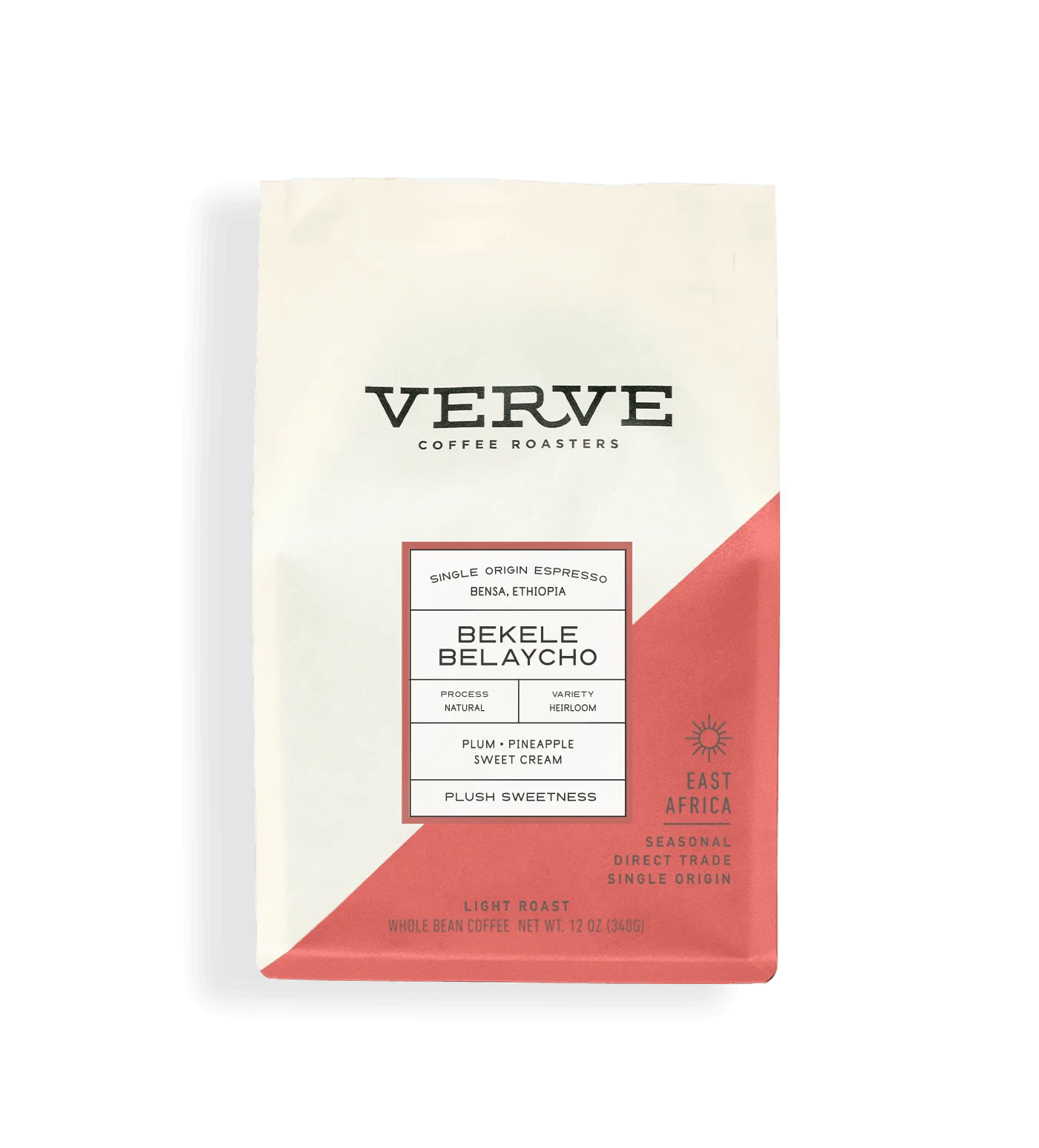
- Ethiopia Bekele Belaycho Espresso: Produced by Bekele Belaycho in Ethiopia's Sidama region, this natural lot is dried slowly on raised beds, allowing fruit sugars to develop while preserving structure and definition. The result is a coffee that pairs concentrated sweetness with ripe fruit and a soft, creamy finish. Natural coffees like this one tend to show sweetness and body clearly, so they are a good test coffee when you are dialing in a weak pour over. If your cup still tastes thin with this coffee, the issue is almost certainly your recipe or grind.
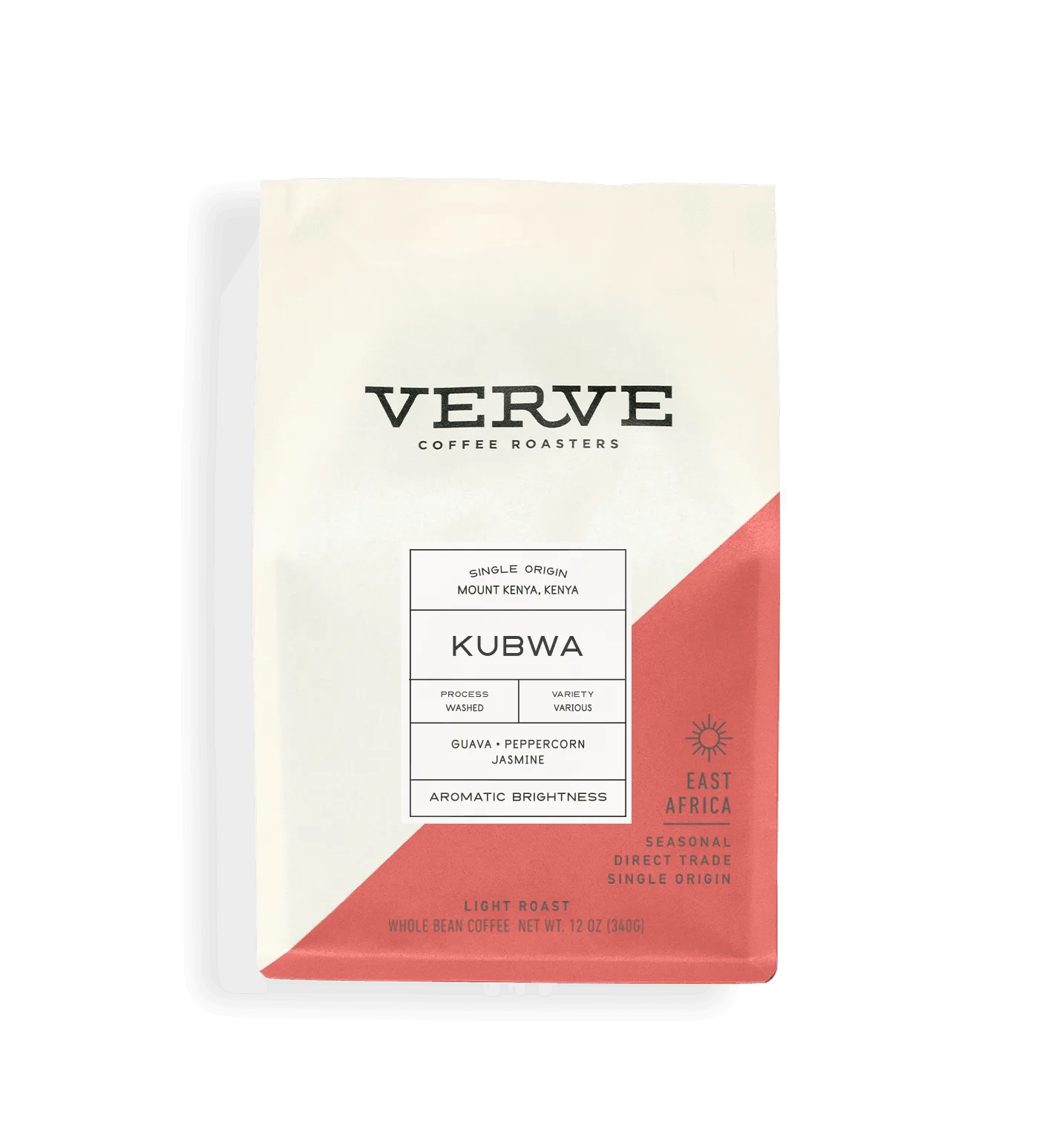
- Kenya Kubwa: Kubwa brings together washed coffees from select producer groups across Kenya's central growing regions. Built from larger-screen AA coffees selected for consistent quality and flavor, Kubwa showcases the vibrant character of fresh crop Kenya while offering consistency across a larger regional selection. Washed Kenyan coffees are bright and structured, which makes them useful for learning to taste extraction. If your pour over tastes weak with Kubwa, you will notice the missing sweetness and body immediately, because the coffee has a clear baseline to compare against.
A weak pour over is almost always a signal you can read and correct. Tighten the grind, confirm your ratio, use water that tastes good on its own, and keep the brew in the 2:30 to 3:30 window. Change one thing at a time, and stop when the cup tastes balanced, not when it tastes as strong as you imagined.