Quick answer
If your tea loses aroma or tastes flat within a few weeks, the canister seal is the most likely cause. Test it by closing the lid on a strip of paper and pulling gently: if the paper slides out easily, the seal is not airtight. Clean the gasket and rim, store the canister away from heat and light, and if the seal still fails, replace the canister with one designed for airtight storage.
The 10-second seal test
Close the lid on a thin strip of paper so it sits between the gasket and the rim. Pull the paper slowly. If it slides out with no resistance, air is getting in. Repeat in two or three spots around the rim. A good seal grips the paper and makes it hard to pull free. If the paper slips out everywhere, the canister is not providing airtight tea storage and your tea will stale faster.
Why seals fail (and what you can fix)
Most seal failures come from something simple: a dried-out or cracked gasket, crumbs or tea dust trapped on the sealing surface, or a lid that no longer sits flush because the canister was dropped or warped. Clean the gasket and rim with a soft damp cloth, let both dry completely, then test again. If the gasket feels stiff or looks cracked, a replacement may be available from the manufacturer. If the lid rocks or the rim is bent, no amount of cleaning will restore an airtight seal.
Storage mistakes that make any canister fail
Even a canister with a perfect seal will let tea down if it sits on a sunny windowsill, next to the stove, or above the kettle. Light and heat break down the oils that give tea its flavor. Keep the canister in a cool, dark cupboard, and never store tea in a clear container unless it blocks light completely. Also avoid topping up an old batch with fresh tea: the older leaves can transfer stale flavors and make the whole canister seem spoiled.
When to stop fixing and replace
If you have cleaned the gasket, checked for warping, and stored the canister correctly, but tea still goes flat within two to three weeks, the canister is the problem. At that point, replacing it is cheaper than wasting good loose leaf tea. Look for a canister that states it provides an airtight seal and protection from light, and check that the lid closes with firm resistance. Ceramic canisters with a silicone gasket are a practical choice for everyday storage.
Diagnosis: symptom, cause, action, stop point
- Symptom: tea loses aroma in 1–2 weeks: The canister is letting air in. Run the paper seal test around the rim. If the paper slides out easily, clean the gasket and rim, dry fully, and retest. If the seal grips after cleaning, keep the canister and store it in a dark cupboard.
- Symptom: tea tastes flat or papery after a month: Light or heat is degrading the leaves, or the canister was stored open for long periods. Move it to a cool, dark place and close the lid immediately after each use. If flavor improves with better storage, the canister is still usable.
- Symptom: seal test fails even after cleaning: The gasket is worn or the lid is warped. Check for a replacement gasket; if none is available, the canister cannot provide airtight tea storage. Stop using it for tea. Replace it with a canister designed for airtight storage, such as a ceramic canister with a stated airtight seal.
Canisters built for airtight storage
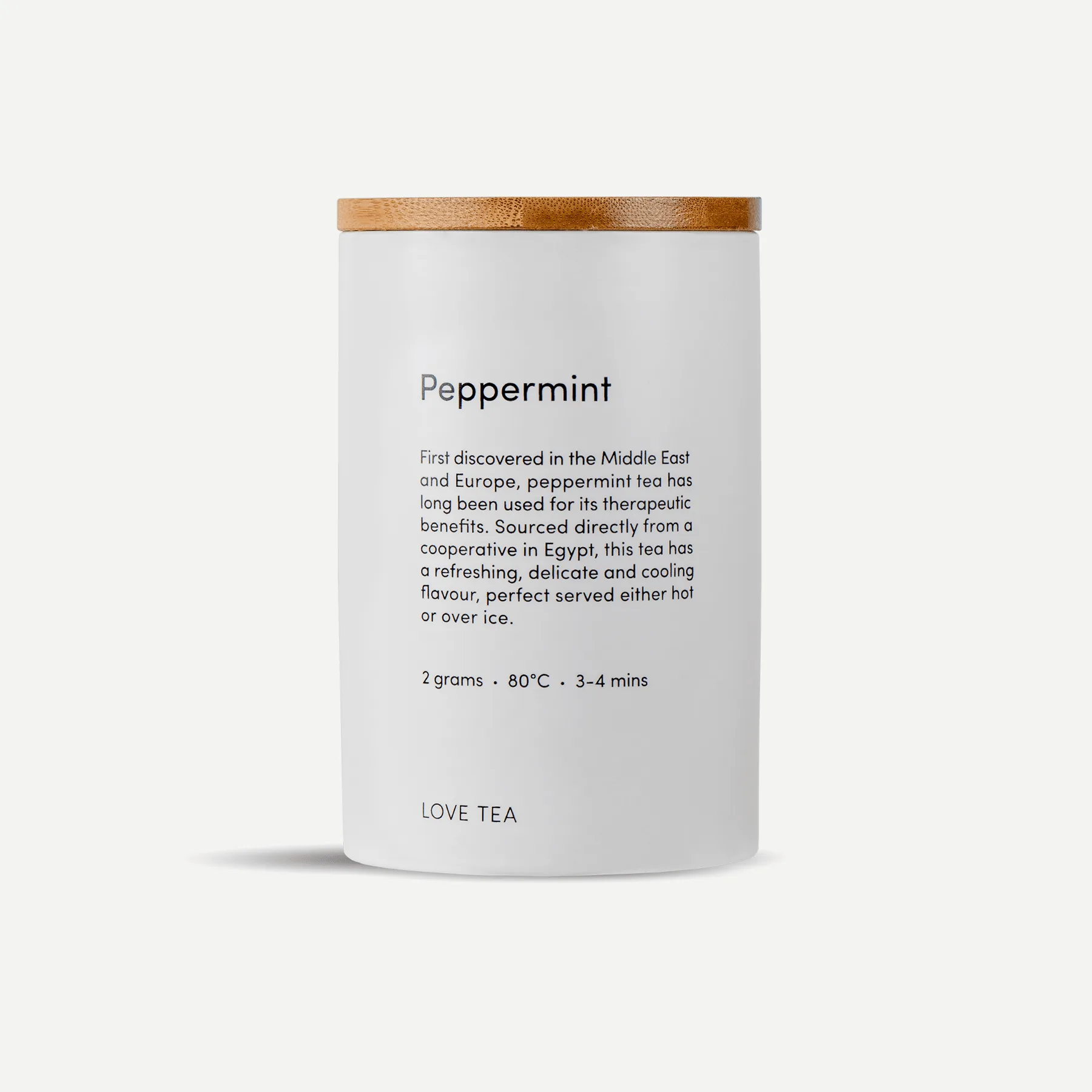
- Peppermint Canister: Love Tea ceramic tea canisters are designed to prolong the life of your tea by providing an airtight seal and protection from light. If your current canister fails the seal test, a canister with a stated airtight seal and light protection directly addresses the two main causes of stale tea.
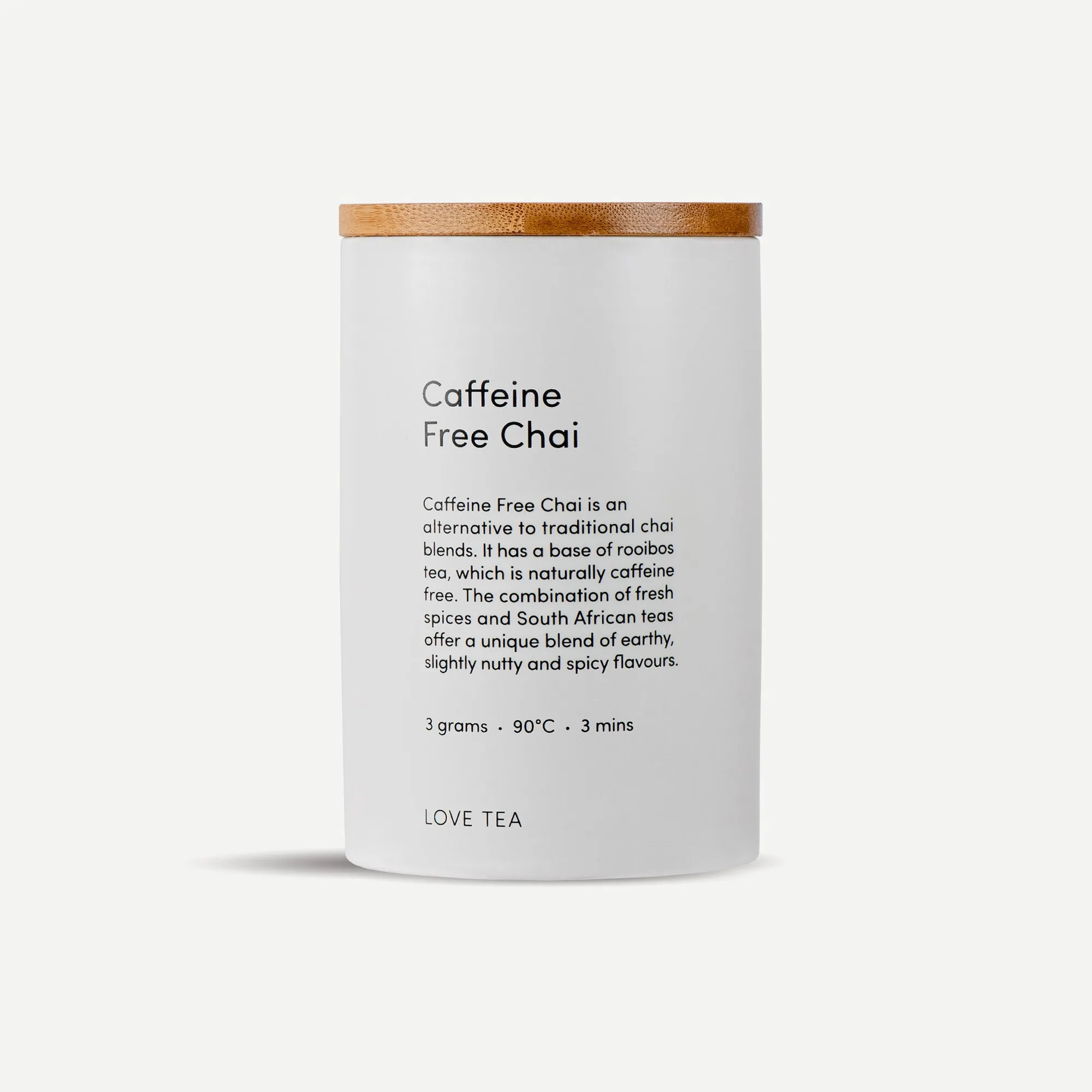
- Caffeine Free Chai Canister: The Caffeine Free Chai Canister is supplied with 100g of loose leaf Caffeine Free Chai or 20 pyramid tea bags. Buying a canister that comes with tea lets you test the seal with a fresh batch immediately, so you can tell whether the canister or your old tea was the problem.