Quick answer
If your tea tastes weak, check three things in order: water temperature, leaf-to-water ratio, and steep time. Most weak tea comes from water that is not hot enough, too little leaf for the volume of water, or steeping for less time than the leaf needs. Fix one variable at a time and taste as you go.
Diagnose the symptom before you change anything
Weak tea is not one problem; it is a symptom with several possible causes. Before you add more leaf or boil the water harder, taste the tea and note what is missing. Does it lack aroma, body, or aftertaste? Is it watery from the first sip, or does it start fine and fade? Those clues point to different fixes. For example, tea that smells good but tastes thin often needs more leaf, while tea that tastes flat and dull often needs hotter water or a longer steep. Changing everything at once makes it impossible to know what worked.
Water temperature: the most common culprit
Water that is not hot enough will not extract enough flavor from the leaf, leaving you with a pale, weak cup. But water that is too hot can scorch delicate leaves and create bitterness without adding strength. The right temperature depends on the tea type. As a general rule, black teas and most herbal blends need water near boiling, while green and white teas do best with water that has cooled slightly after boiling. If you do not have a variable-temperature kettle, boil the water and let it sit for a minute or two before pouring. For a more precise approach, use a thermometer. If your tea still tastes weak after using properly heated water, move on to the next variable.
Leaf-to-water ratio: are you using enough tea?
Many people under-leaf their tea, especially when switching from tea bags to loose leaf. A standard starting point for loose leaf is about one teaspoon per 8 ounces of water, but that varies by leaf size and density. Whole-leaf teas often need more volume because the leaves are large and fluffy; finely cut teas may need less. If your tea tastes weak, try increasing the amount of leaf by about half and see if the flavor improves. Weighing the leaf on a small kitchen scale gives you repeatable results. Once you find a ratio you like, write it down so you can brew the same strength next time.
Steep time: give the leaf enough contact with water
Steeping is a balance between time and temperature. If the water is hot enough and you have enough leaf, but the tea still tastes weak, you may simply be steeping for too short a time. Start with the recommended steep time for your tea and extend it in 30-second increments until the flavor is where you want it. Be careful with very hot water and delicate teas, as a long steep can turn them bitter. For most black and herbal teas, a 3- to 5-minute steep is a reasonable starting range. If you are brewing a large pot, remember that the leaf needs more time to flavor a larger volume of water.
Water quality and other overlooked factors
Even with perfect temperature, ratio, and time, your tea can taste weak if the water itself is the problem. Hard water with high mineral content can mute flavors, while heavily chlorinated water can make tea taste flat. If your tap water is very hard or smells like chlorine, try filtered water and see if the tea tastes stronger. Also check that your tea is fresh: stale tea loses aroma and can taste weak even when brewed correctly. Store tea in an airtight container away from light and heat, and use it within a reasonable time. Finally, make sure your teapot or cup is clean and free of soap residue, which can interfere with flavor.
Diagnosis: match the symptom to the fix
- Tea tastes watery and flat from the first sip: This usually means too little leaf for the amount of water, or water that is not hot enough. Increase the leaf by half and make sure your water is at the right temperature for your tea type. If the flavor improves but is still weak, extend the steep time by 30 seconds.
- Tea starts okay but fades quickly: This often points to a steep time that is too short. The leaf releases its easiest flavors first, then the deeper ones need more time. Add 1–2 minutes to your steep and taste again. Stop when the tea tastes balanced; over-steeping can bring out bitterness.
- Tea tastes dull or muted even with enough leaf and time: Check your water quality and tea freshness. Hard or chlorinated water can flatten flavor, and stale tea loses its aromatic oils. Try filtered water and a fresher batch of tea. If the tea still tastes weak after trying filtered water and fresh leaf, the tea itself may be past its prime.
Teas and tools that support better steeping
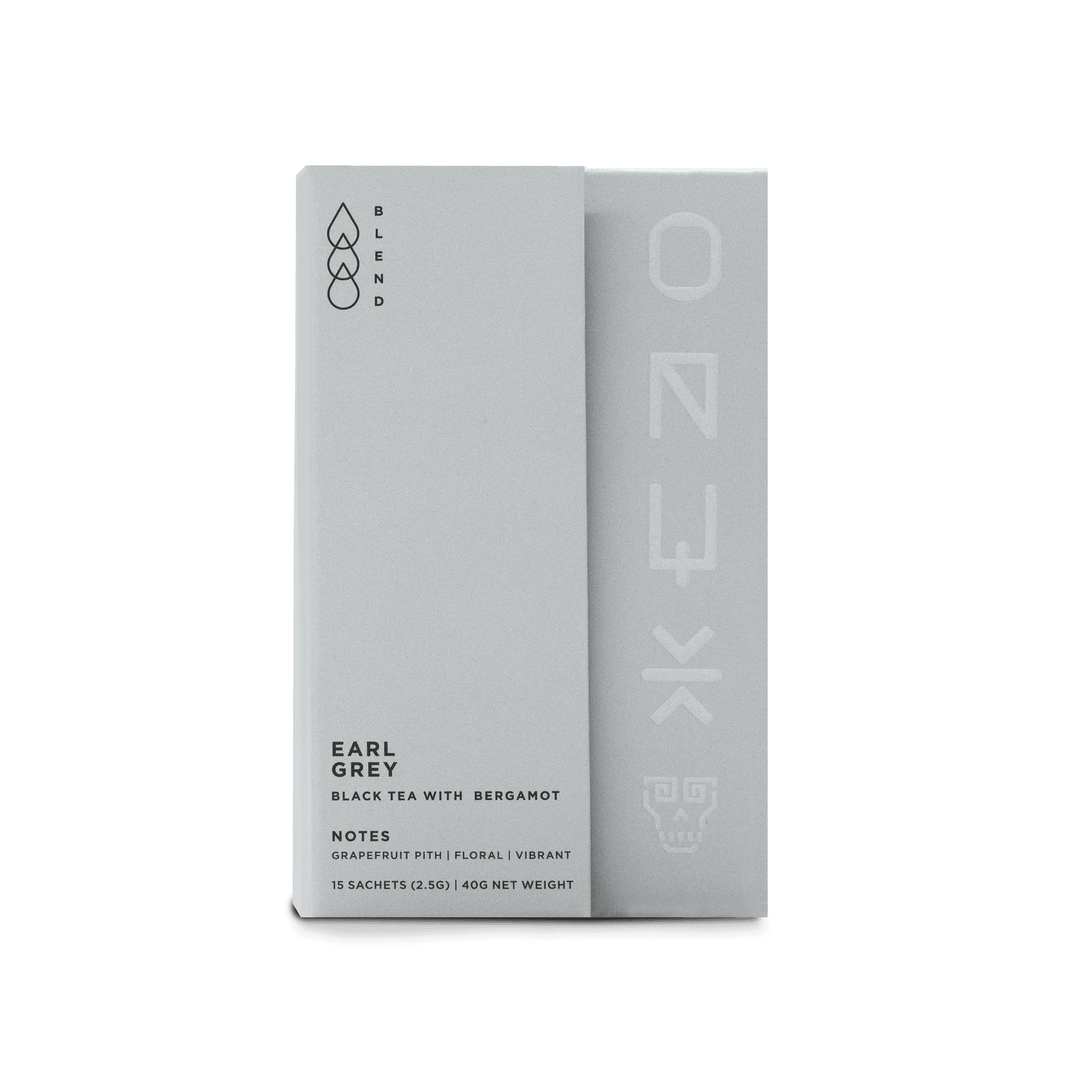
- Earl Grey: This Earl Grey blends whole leaf Dianhong black tea from Yunnan and a Ceylon single estate tea from Kenilworth, Sri Lanka, with cold-pressed bergamot oil from southern Italy, then air-dried. Whole-leaf teas like this often need a full 3–5 minute steep and water just off boiling to show their full flavor. If you steep it too short or too cool, it can taste weak.
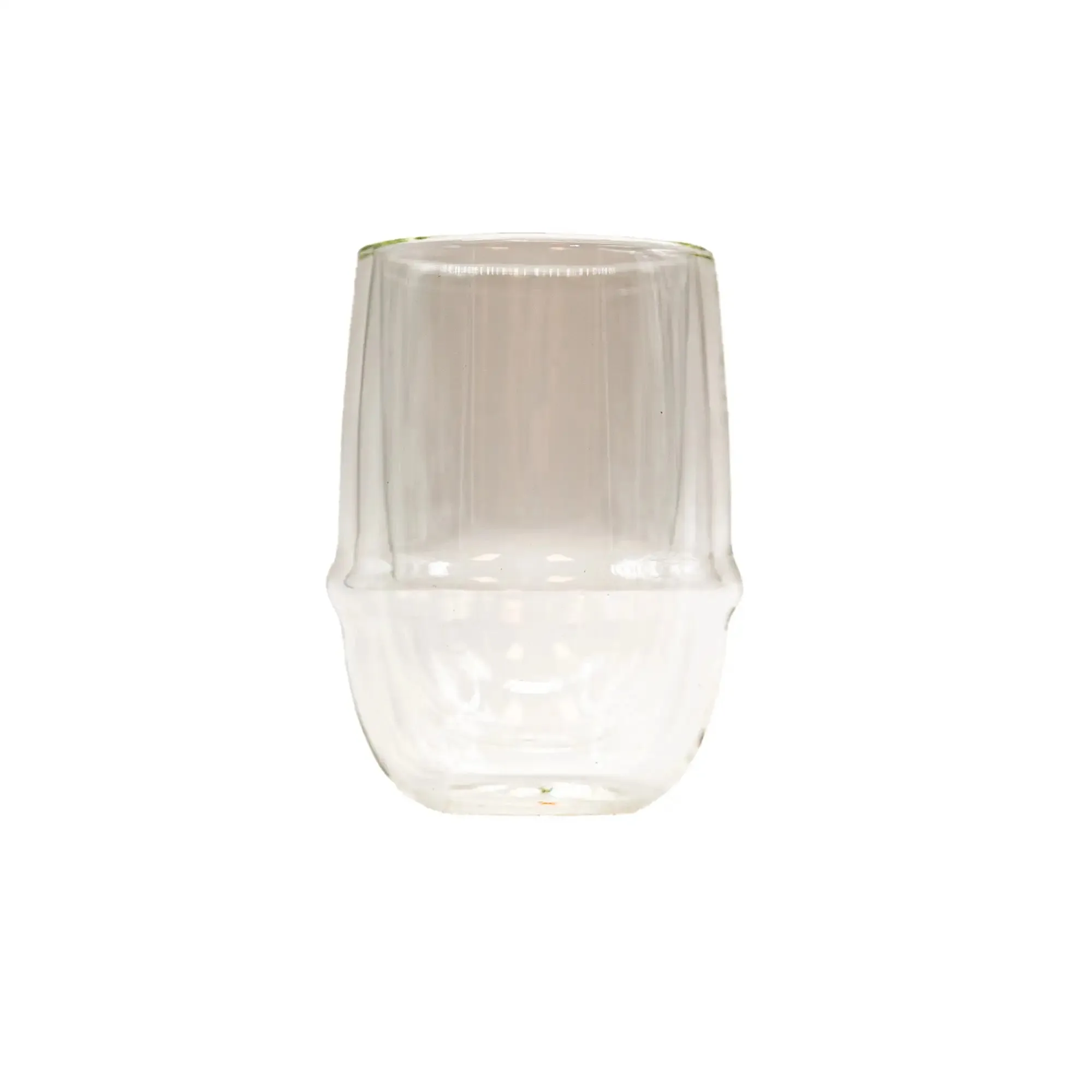
- Kinto Kronos double walled iced tea glass: The Kinto Kronos double walled iced tea glass has a double wall design for insulation and a sweat-free surface, ideal for iced tea, cold coffee, or other chilled beverages. If you brew hot tea and then pour it over ice, the glass keeps it cold without diluting the tea as quickly. That helps you taste the actual strength of your brew instead of watery melt.