What a Footprint Tarp Does for Your Tent
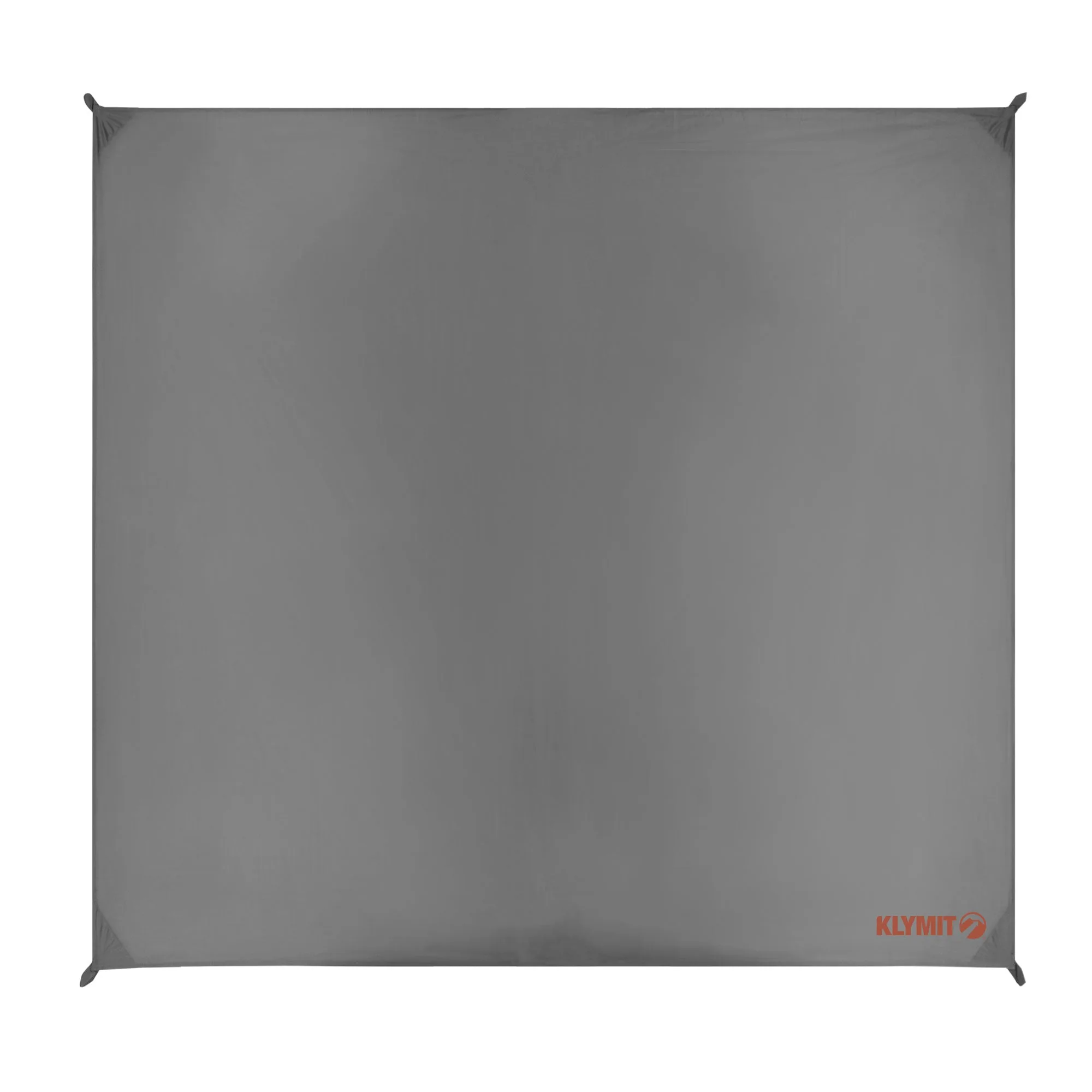
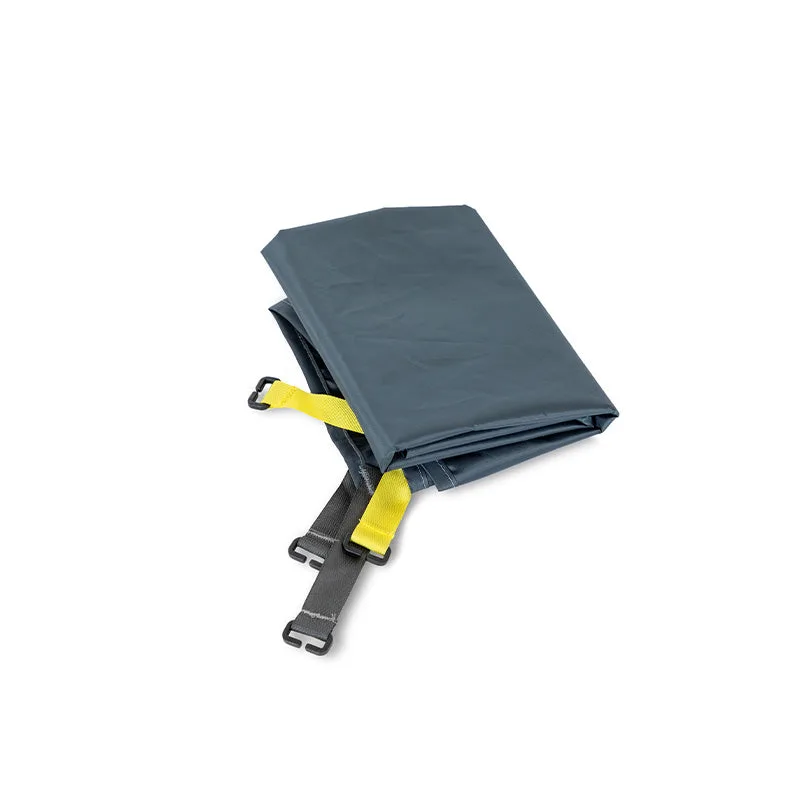
A footprint tarp sits between your tent floor and the ground. Its main job is to block moisture from seeping through the floor and to protect the fabric from sharp stones, roots, and abrasive dirt. Without one, even a well-made tent floor can wear thin over repeated setups.
For campers who pitch on grass, gravel, or sandy soil, the tarp also keeps the tent cleaner and reduces the amount of dirt that gets tracked inside. It is a simple layer that extends the life of your shelter.
How the DOD Pup Like Tent Handles Ground Protection
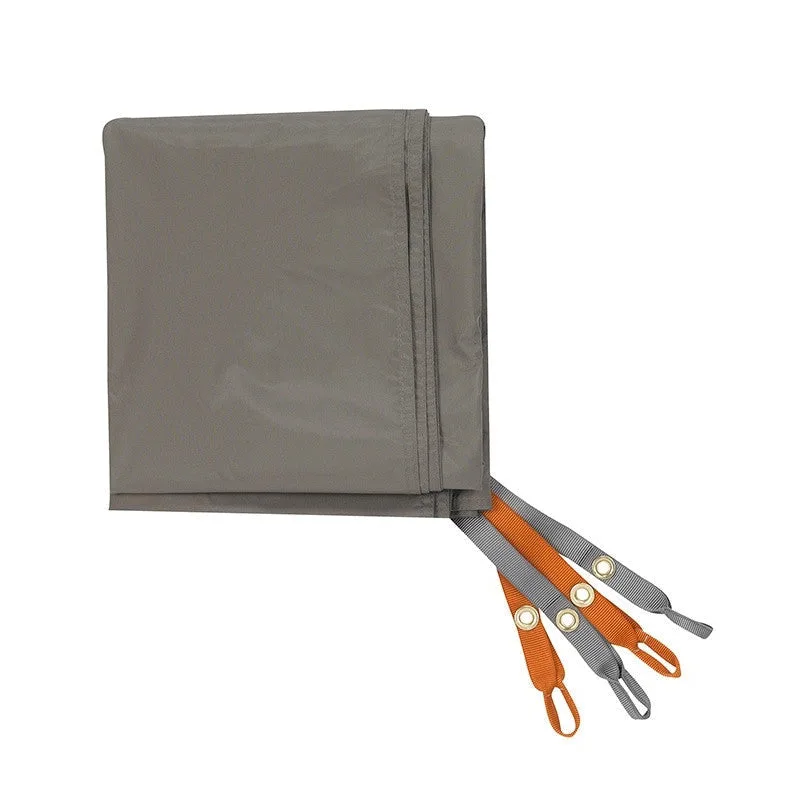
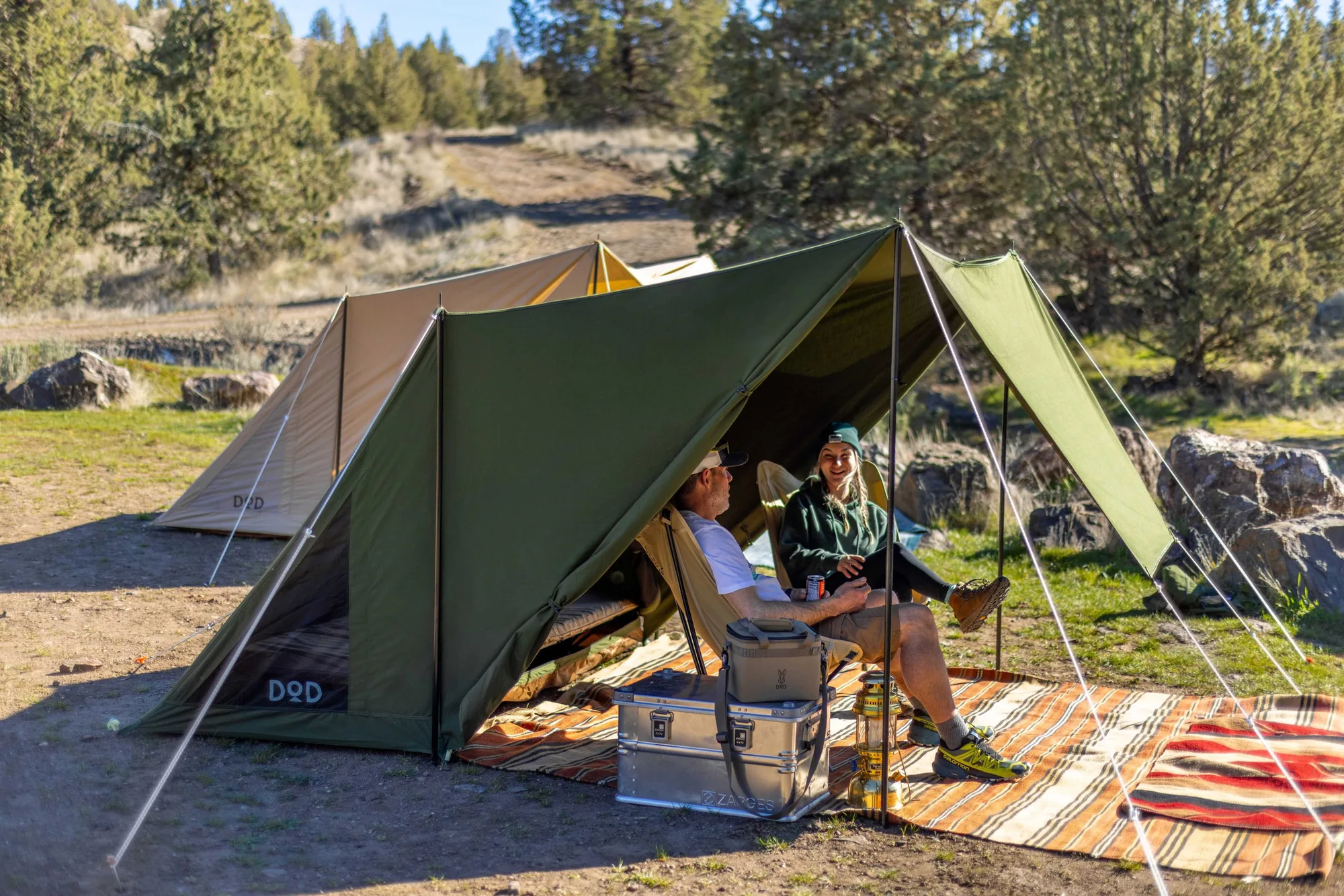
The Pup Like Tent comes with a mini-tarp that can extend the canopy for shade and rain protection. While the catalog does not confirm that this mini-tarp is intended as a dedicated footprint, its design for near-campfire setup (shielding flames and reflecting heat) suggests it can serve multiple roles. The tent floor itself is made from 210D polyester with a PU coating, which is a standard waterproof layer. Adding a separate footprint tarp under the floor gives you an extra moisture barrier and shields the PU coating from direct ground contact.
The tent fabric is Canvo, a blend of 65% polyester and 35% cotton. This material breathes, so condensation inside the tent is less of a problem, but it also means the floor is not fully waterproof on its own. A footprint tarp helps keep ground moisture away from the breathable fabric.
Pup Like Tent Facts That Affect Ground Protection
-
Pup Like Tent: Floor: 210D polyester (PU coating) The PU coating provides water resistance, but it can wear off if the floor is dragged over rough ground. A footprint tarp preserves this coating.
Pup Like Tent
-
Pup Like Tent: The material breathes, so it does not become humid. Breathable fabric is good for condensation control, but it also means moisture from the ground can pass through. A footprint tarp blocks that moisture.
-
Pup Like Tent: Includes a mini-tarp to extend the canopy, providing extra shade and rain protection. The mini-tarp can be used as a footprint or as a porch extension, giving you flexible ground protection options.
Choosing the Right Footprint Tarp
A good footprint tarp should be slightly smaller than the tent floor so it does not stick out and collect rainwater. Look for a tarp made of waterproof material like coated polyester or polyethylene. The DOD Pup Like Tent's mini-tarp is one option, but you can also use a generic tarp cut to size.
If you camp in wet conditions, consider a tarp with taped seams for extra moisture protection. For dry, rocky sites, a thicker tarp resists punctures better. The key is matching the tarp to your typical campsite conditions.
How to Set Up a Footprint Tarp Under Your Tent
Follow these steps to place a footprint tarp correctly. The goal is to protect the tent floor without creating a water trap.
- Clear the site: Remove sharp rocks, sticks, and debris from the area where you will pitch the tent.
- Lay the tarp flat: Spread the tarp on the ground, smooth side up. Ensure it is centered and flat.
- Pitch the tent on top: Set up your tent directly on the tarp. The tarp should be fully underneath the tent floor, with no edges sticking out.
- Check for overhang: If the tarp extends beyond the tent, fold the excess under so it does not collect rain. Rain pooling under the tent can seep through the floor.
When a Footprint Tarp Is Optional
If you always camp on soft, dry grass or on a prepared tent platform, a footprint tarp may not be necessary. The Pup Like Tent's PU-coated floor and breathable Canvo fabric handle light moisture well. But for most campsites, the extra layer is cheap insurance against abrasion and dampness.
The catalog does not specify that the Pup Like Tent requires a footprint. It is a recommendation based on general tent care. If you skip the tarp, inspect the floor after each trip for wear and clean it promptly.