Quick answer
Most thumb grips feel loose because they are not fully seated against the camera body, not because the grip is faulty. Remove it, check the contact surfaces and any silicone insert, reseat it squarely, then tighten gradually until it stops moving. If it still rocks after that, stop tightening and check the model fit instead of forcing it.
Loose, rocking, or creaking: three different problems
A grip that slides slightly up and down is usually under-tightened. A grip that rocks side to side often has a high spot trapped under it, such as a bit of grit or a lifted edge of camera tape. A grip that creaks under thumb pressure is usually tight enough but seated unevenly, so one corner is carrying all the load.
Match the symptom before you reach for a tool. If you tighten a rocking grip, you flatten the contact surface instead of fixing the cause, and the wobble returns the next time you use the camera.
How to reseat and tighten without damaging the camera
Take the grip off completely. Wipe the camera body and the mating face of the grip with a dry microfibre cloth, and check for grit, adhesive residue or a swollen edge on any camera tape. Set the grip back on squarely, press it down against the body with your palm, and only then start turning the fastener.
Tighten in small increments and test after each one. Hold the camera by the body and push the grip with your thumb in the direction it normally takes load. When it stops moving, you are done. Resistance that keeps building after the grip is already firm is a sign you are compressing the contact surface, so back off.
When the grip design itself explains the movement
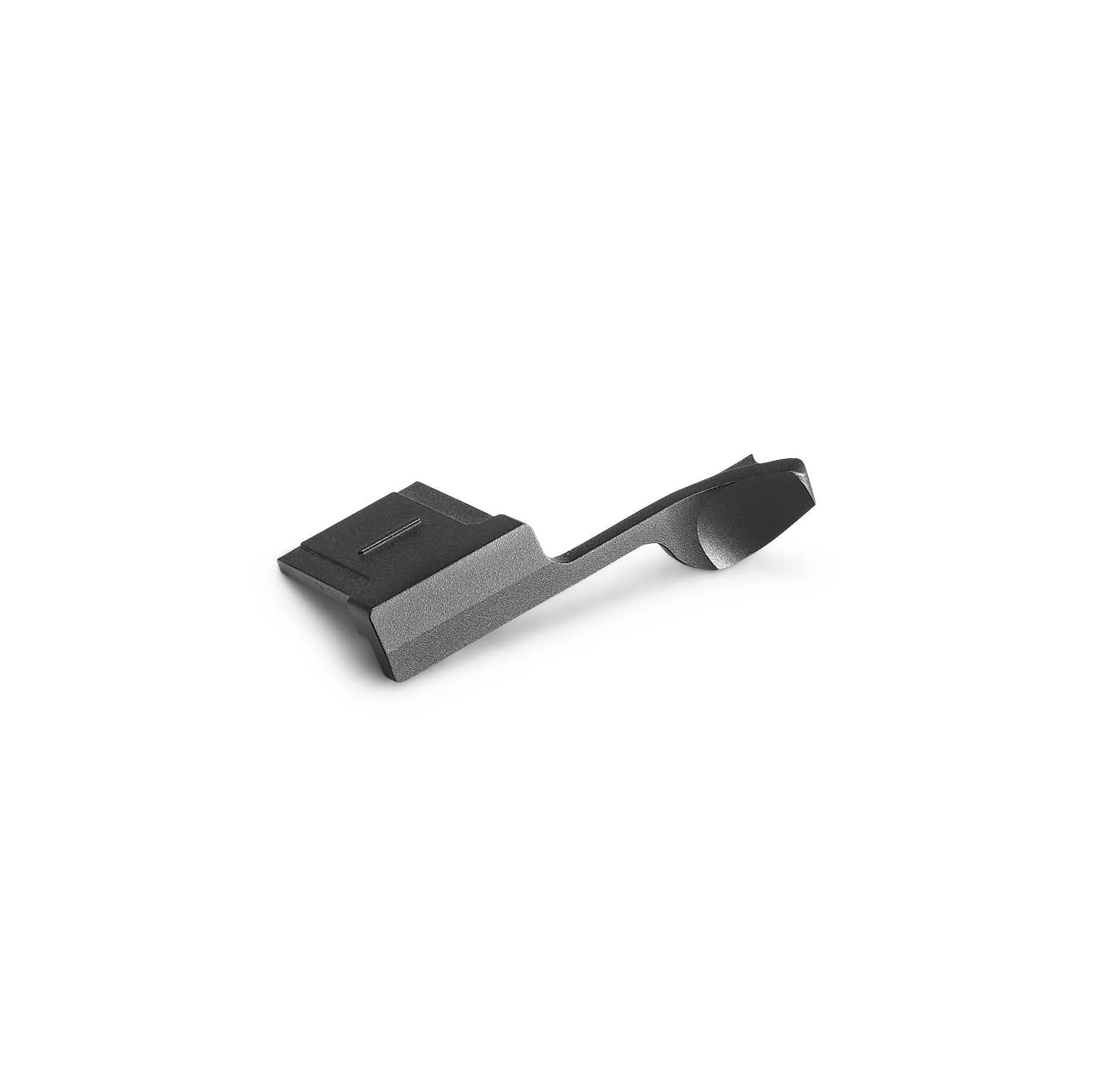
Some grips are shaped to sit against the camera body rather than clamp it, and that changes what a normal fit feels like. The SquareHood Thumb Grip for Fuji X100V sits against the camera body and leaves full access to the controls, so the body and the grip share the load instead of the grip pulling itself tight. On a design like this, a small amount of movement under light finger pressure is not the same as a loose mount.
If your grip uses a soft contact layer, check that layer before you blame the fastener. A displaced or missing insert lets the grip sit a fraction closer to the body, which can make it feel like it never quite settles.
Stop points: when tightening is the wrong move
Stop if the grip is already firm but you can still feel movement only when you deliberately push sideways. That is normal flex in a body-contact design, not a fault. Stop if tightening starts to mark the camera finish, distort the grip, or require more force than you would use on a camera strap lug.
Stop and change approach if the grip was made for a different model. A grip cut for one body will not seat correctly on another no matter how much you tighten it, and continuing risks damage to both parts.
Diagnosis: symptom, cause, action, stop point
- Slides up and down under thumb pressure: Usually under-tightened or not fully pressed down before tightening. Remove it, clean both surfaces, press it flat against the body, then tighten in small steps and retest. If it holds firm after two or three small increments, stop there.
- Rocks side to side: A high spot is trapped underneath, often grit or a lifted edge of camera tape. Clean the mating faces and reseat before adding any more torque. If the rock remains after cleaning, the grip is not seating on this body.
- Creaks under load but does not move: Uneven seating, with one corner taking the pressure. Loosen fully, reseat squarely, and tighten gradually rather than in one turn. Creaking that continues at firm, even tightness is a seating problem, not a tightness problem.
- Still loose on a grip made for another model: A grip designed for a different camera will not seat correctly. Check the model in the product name against your body before buying or fitting. Stop tightening and switch to the correct model.
Product facts that affect fit
- SquareHood Thumb Grip for Fuji X100V: The SquareHood Thumb Grip for Fuji X100V is designed specifically for the X100V and sits against the camera body while giving full access to the controls. A body-contact design depends on correct seating rather than heavy clamping, so reseating matters more than extra tightening.
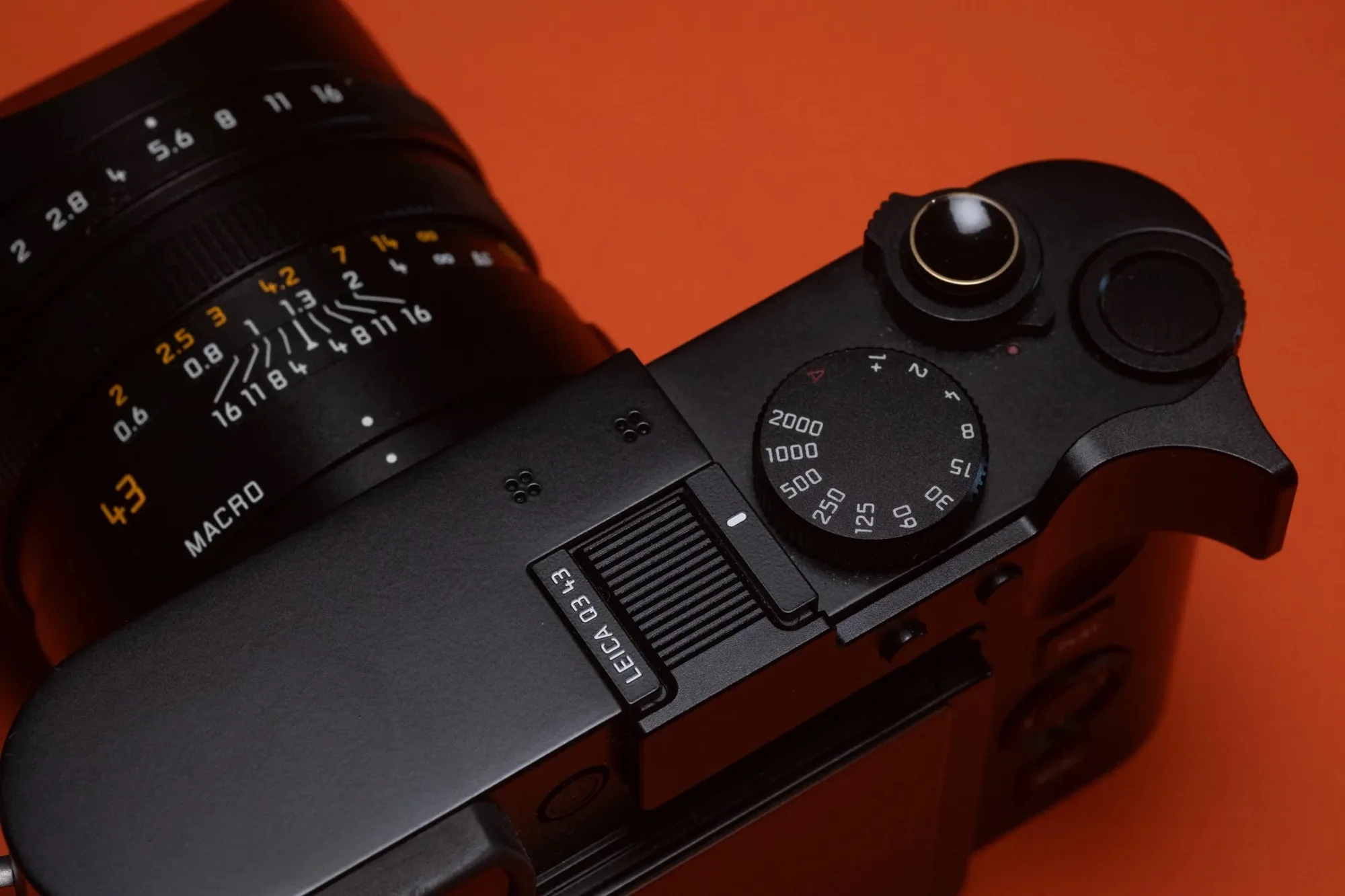
- SquareHood Thumb Grip for Leica Q3 - Q3 43: The SquareHood Thumb Grip for Leica Q3 and Q3 43 has a silicon insert on the backside to protect the camera surface while mounted. If that insert is displaced or missing, the grip sits differently and can feel loose even when the fastener is tight.
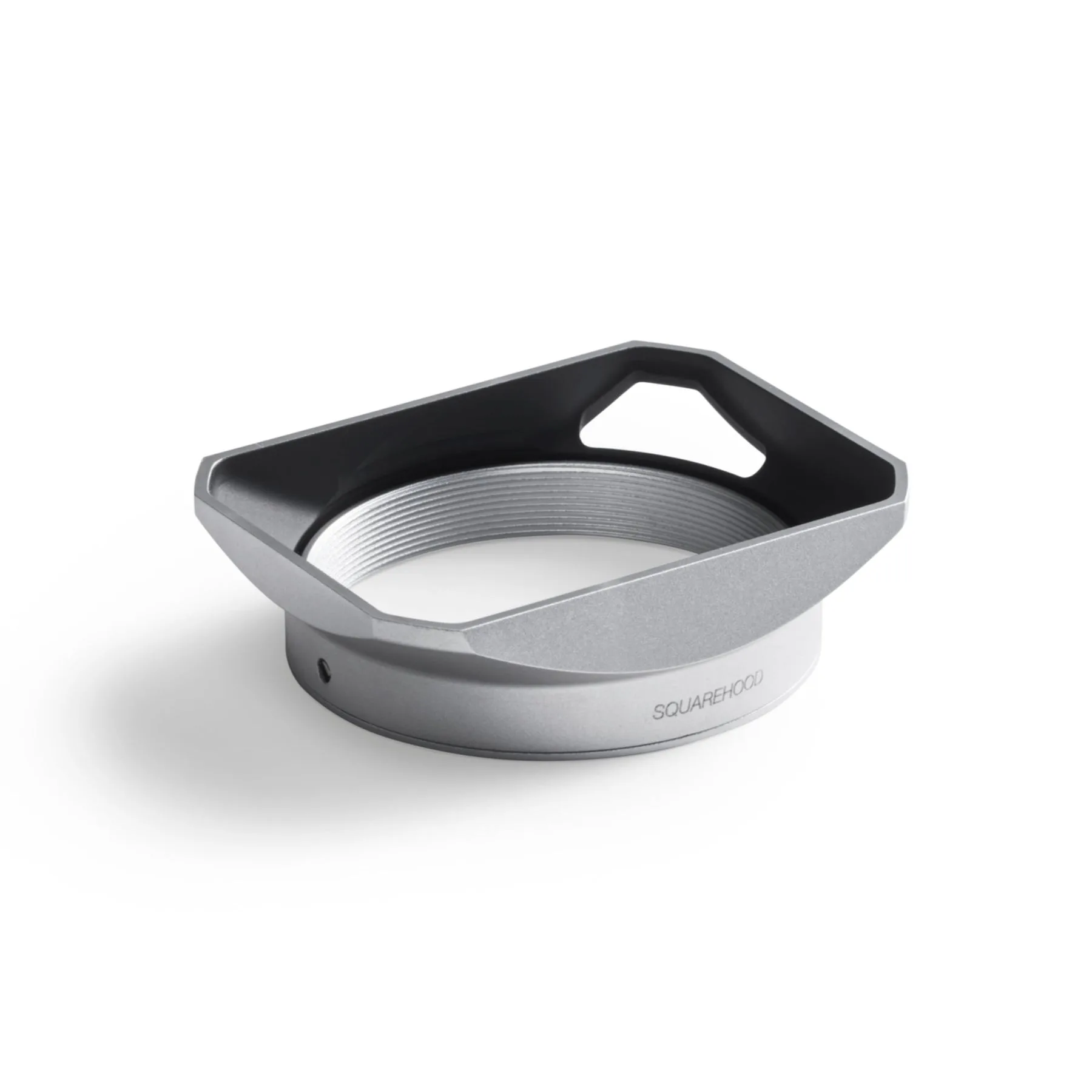
- SquareHood Model V for Fuji X100 Cameras - Silver: The SquareHood Model V for Fuji X100 cameras is a two-piece aluminium lens hood with an inner sleeve that supports filters and a window to reduce obstruction of the optical viewfinder. Filter use changes how the front of the camera is assembled, so check that hood and filter seating is not contributing to a front-heavy, unstable feel in the hand.