Quick Answer
A vibrating anal plug usually slips out because of insufficient sphincter grip, wrong plug shape, or lack of lubrication. Fix it by choosing a plug with a tapered neck and ergonomic base, and applying enough lube.
Why Plugs Slip: Anatomy and Plug Design
The anal sphincter naturally tries to expel anything inserted. A plug that is too narrow at the neck or has a bulb that is not much wider than the neck won't stay put. Plugs with a flexible neck or a narrow base can also work their way out during movement.
Vibration adds another layer: the motion can fatigue the sphincter muscles, making them relax more than a static plug would. This is why a plug that stays in during rest may slip out once you start moving or using the vibrations.
The Role of Lubrication and Material
Too little lube creates friction that can cause the plug to be pushed out as the sphincter contracts. Too much lube can make the plug slippery to hold, but the real issue is often using a water-based lube that dries out quickly. Silicone plugs should never be used with silicone lube, so stick with a quality water-based or hybrid lube.
Silicone is a popular material because it is body-safe and non-porous, but it also has a high friction coefficient when dry. Reapplying lube during use can make a big difference.
When to Consider a Different Plug
If you have tried adjusting lube, position, and relaxation but the plug still slips out, the plug shape may simply not match your anatomy. Plugs with a pronounced T-bar base and a neck that is noticeably narrower than the bulb are generally more secure. A plug that is too small or has a round base may not stay in for active use.
Diagnosis: Why It Slips and How to Fix It
- Symptom: The plug slides out after a few minutes, especially when you move or contract your muscles.
- Likely Cause: The plug's bulb is not wide enough relative to its neck, or the neck is too short. Your sphincter cannot grip it. Vibration may also cause muscle relaxation that reduces grip.
- Corrective Action: Apply a generous amount of water-based lubricant to both the plug and your anus. Insert the plug slowly, pausing to let your sphincter adjust. Once seated, gently tug the base to confirm it feels secure. If it slides out easily, try a plug with a wider bulb and a narrower, longer neck. If the plug still slips after relubing and reinserting, consider a different shape.
- Stop or Choose Another Option: If you have tried three different plugs with proper shapes and sufficient lube and the problem persists, consult a pelvic floor physical therapist. Persistent slipping may indicate a weak pelvic floor or other medical issue. Do not force a plug that won't stay in; it can cause discomfort or injury.
Product That Helps
-
Octo-Squirm Vibrating & Squirming Silicone Anal Plug: The Octo-Squirm Vibrating & Squirming Silicone Anal Plug features a flexible neck and ergonomic base designed for comfort and retention. The ergonomic base and flexible neck help the plug stay in place during movement, reducing the chance of slipping out.
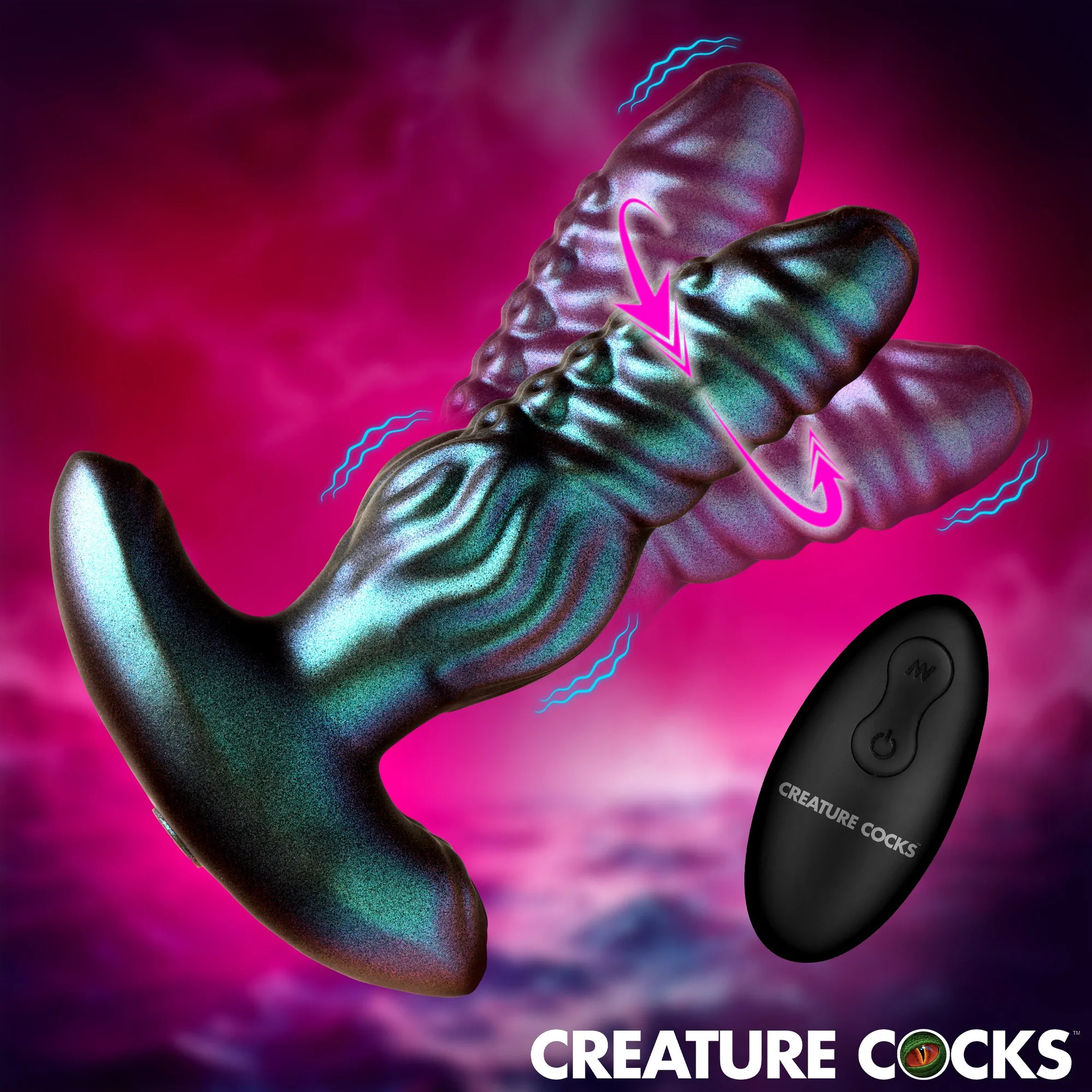
Octo-Squirm Vibrating & Squirming Silicone Anal Plug