Quick answer
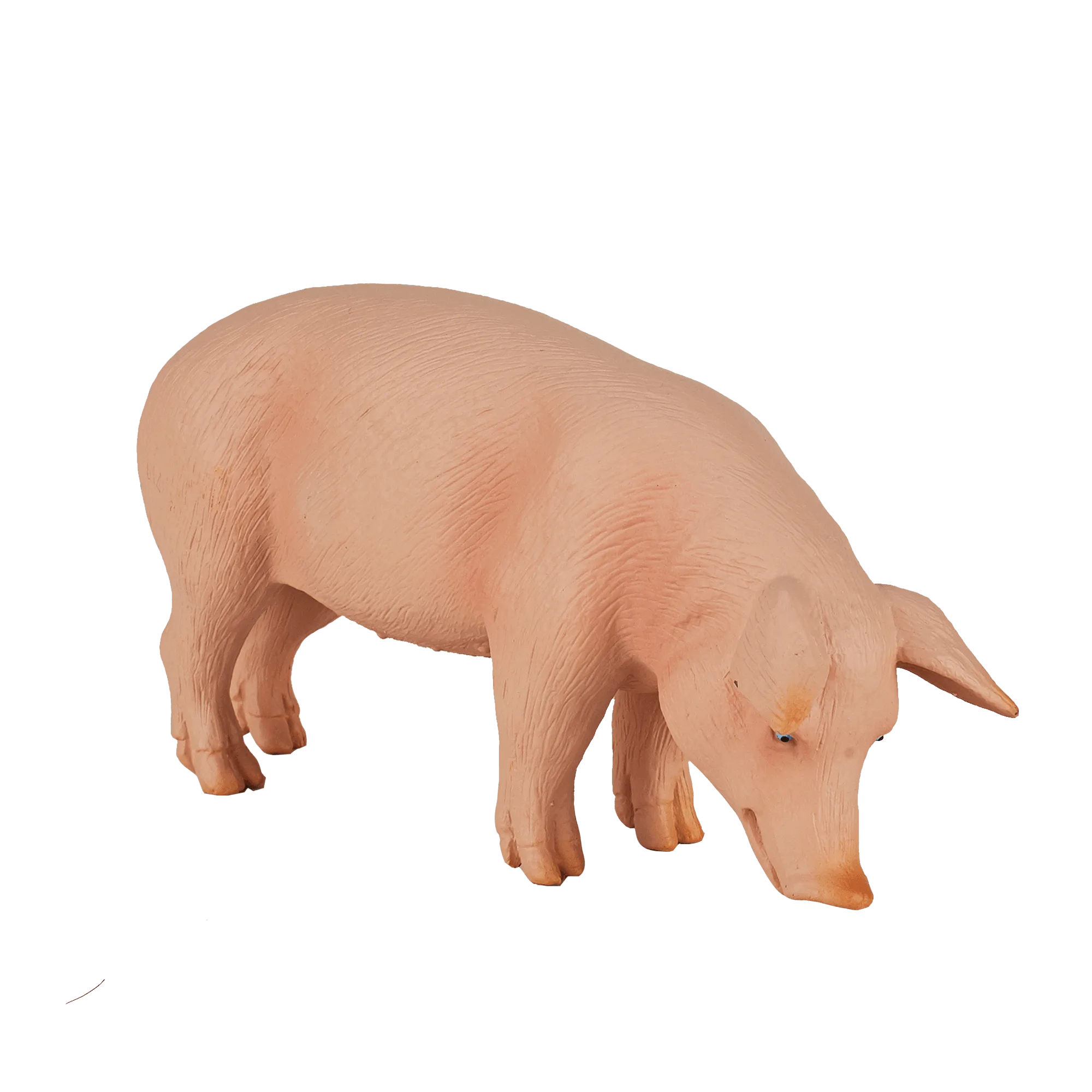
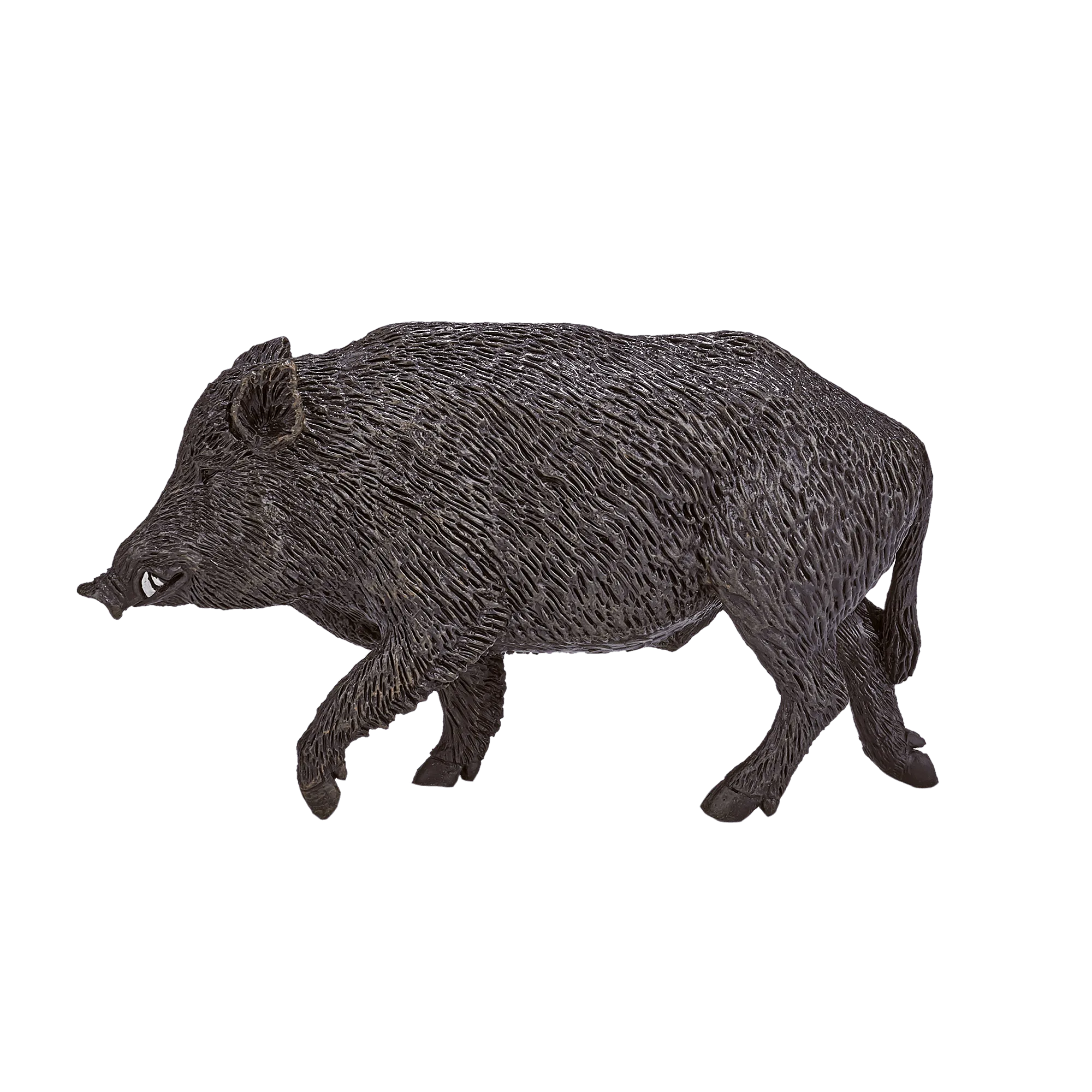
Choose the Wild Boar Male figure if you want a rugged, anatomically detailed model with a bulldozer snout and tusks that sparks conversations about wild adaptation. Choose the Pig (Boar) figure if you need a peaceful, familiar farm animal that works well in gentle play or domestic-farm dioramas. Both are hand-painted and affordable, so the right pick depends on whether you're teaching wild vs. domestic or building a barnyard scene.
What actually separates these two figures
The Wild Boar Male and Pig (Boar) figures share a family tree but differ in purpose. The wild boar model highlights survival features: a cartilaginous snout disk supported by a prenasal bone, plus tusks on the lower lip. The domestic pig figure emphasizes calm herd behavior, with aggression appearing only when a sow protects her young. These aren't just sculpting choices—they reflect real biological differences that make each figure useful for different lessons and play patterns.
How to match the figure to your activity
For a wild-animal unit or a woodland diorama, the Wild Boar Male's foraging snout and tusks give kids a concrete way to talk about how animals dig for food and defend themselves. For a farm set or a lesson on domestication, the Pig (Boar) figure's peaceful nature makes it a better fit for cooperative play and stories about barn life. If you're comparing the two side by side, place them at eye level and point out the snout shape and tusk presence—those are the clearest visual cues.
What you give up with each choice
The Wild Boar Male is not a cuddly farmyard pig; its aggressive-looking tusks and rough coat may not suit very young children or gentle dollhouse play. The Pig (Boar) figure lacks the dramatic wild features that make the boar a standout for predator-prey discussions. Neither figure includes moveable parts or accessories, so if you need interactive play, you'll want to add other elements. Also, both are small models, so they work best as part of a larger collection rather than as a single standalone toy.
Trade-offs to weigh before you buy
- Wild realism vs. farm familiarity: The Wild Boar Male offers tusks and a specialized snout for wild adaptation lessons, while the Pig (Boar) presents the peaceful, domesticated look most kids recognize from farms. Pick the boar for wild-animal units; pick the pig for barnyard play.
- Play style: The boar's aggressive features may not suit gentle play with very young children, whereas the pig's calm demeanor fits cooperative storytelling and dollhouse scenarios. Match the figure to the child's play temperament.
- Educational focus: Use the boar to discuss foraging anatomy and defense; use the pig to talk about domestication and maternal behavior. Choose based on the lesson, not just the animal.
Product facts at a glance
- Pig (Boar): Pigs are very peaceful animals, rarely showing aggression. The exception is when a mother (sow) with her young offspring is provoked or threatened. This makes the Pig (Boar) figure ideal for calm farm scenes and lessons about domestic animal behavior, where aggression is not the focus.
- Wild Boar Male: The snout of the Wild Boar has a cartilaginous disk at the end, supported by a small bone called the prenasal, that allows the snout to be used as a bulldozer when foraging. All Wild Boars have tusks on their bottom lips. These features let you demonstrate wild foraging and defense adaptations, making the Wild Boar Male a stronger choice for biology or evolution discussions.
Which figure fits your needs?
Best for
- Teachers covering wild vs. domestic animals
- Collectors building a woodland or prehistoric scene
- Kids interested in animal anatomy and survival features
Not for
- Preschoolers who prefer soft, cuddly toys
- Anyone wanting a single figure for gentle dollhouse play
- Buyers seeking moveable parts or accessories