Quick Answer
Clean your Willow Go diaphragm set after every use with warm soapy water or the dishwasher, inspect it for wear weekly, and replace it every 2-3 months or sooner if suction drops.
Why Diaphragm Care Matters for Pump Performance
The silicone diaphragm is the part that creates suction inside your Willow Go pump. If it gets clogged with milk residue, develops a tiny tear, or loses its shape, the pump won't seal properly and you'll get less milk. Many users notice a gradual drop in suction and assume the pump motor is failing when the real culprit is a worn diaphragm.
A spare set of diaphragms lets you rotate parts so you're never rushing to dry a freshly washed set before your next session. That's why keeping a backup on hand is a practical habit, not just a convenience.
Step-by-Step Care Routine for Your Willow Go Diaphragm Set
- Rinse Immediately After Pumping: Remove the diaphragm from the pump and rinse it under cool water to remove milk residue. Avoid hot water at this stage because it can cause proteins to stick. Rinsing right away prevents dried milk from clogging the thin silicone edges.
- Wash with Warm Soapy Water or Use the Dishwasher: Hand wash with mild dish soap and warm water, using your fingers to gently rub both sides. Alternatively, place the diaphragm on the top rack of the dishwasher. The Willow Go diaphragm is dishwasher-safe, but avoid high-heat drying cycles that may warp the silicone over time. If hand washing, check that no soap bubbles remain inside the diaphragm before drying.
- Air Dry Completely Before Reassembly: Set the diaphragm on a clean drying rack or paper towel with the open side facing down so water can drain. Do not use a cloth towel that might leave lint. Make sure every surface is fully dry before inserting it back into the pump. Moisture trapped behind the diaphragm can cause mold growth or affect suction.
- Inspect for Wear Every Week: Hold the diaphragm up to the light and stretch it gently. Look for tiny pinholes, cracks, or areas where the silicone has become thin or sticky. Also check that the rim is not warped. If you see any damage, replace the diaphragm immediately. A tiny tear that you cannot see can still leak air and reduce pump efficiency.
- Replace Every 2-3 Months or When Suction Drops: Even with perfect care, silicone degrades from repeated flexing and washing. Mark your calendar to replace the diaphragm set every 2-3 months. If you notice that your pump takes longer to empty or the suction feels weaker, replace the diaphragm first before assuming the pump motor has an issue. Keeping a spare set on hand means you can swap immediately when performance changes.
Product Facts
-
Willow Go® Pump Diaphragm Set (2-pack): Willow Go's food-grade silicone diaphragm helps create suction and prevents milk backflow into the pump. A clean, undamaged diaphragm is essential for maintaining consistent suction and preventing milk from leaking into the pump motor area.
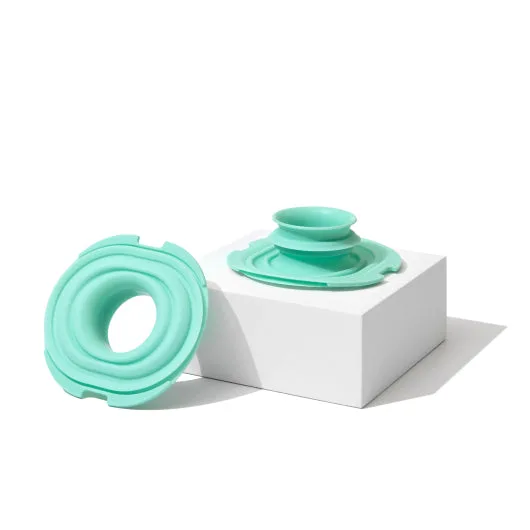
Willow Go® Pump Diaphragm Set (2-pack)