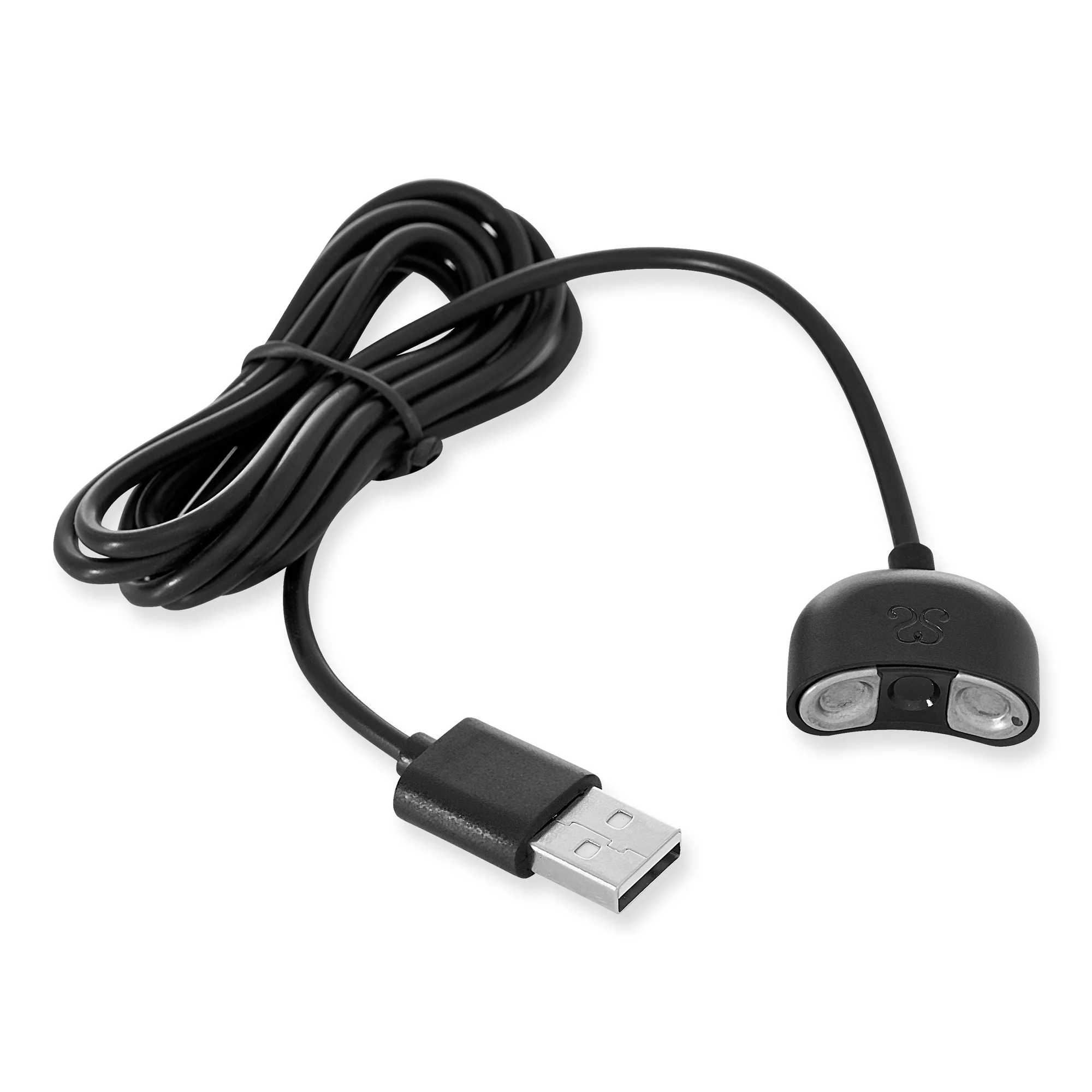
Your Willow Go® wearable pump is a reliable companion on your breastfeeding journey, but like any pump, it requires regular care and occasional part replacement. The diaphragm is one of the most critical components—it creates the suction that gently expresses milk. Over time, wear and tear can affect its performance, leading to reduced suction or even milk not collecting properly.
In this guide, we'll walk you through everything you need to know about the Willow Go® Pump Diaphragm Set: how to know when it's time for a replacement, step-by-step instructions for swapping it out, and tips to extend the life of your diaphragms. Plus, we'll highlight related accessories that can make pumping easier and more comfortable.
Why the Diaphragm Matters in Your Willow Go® Pump
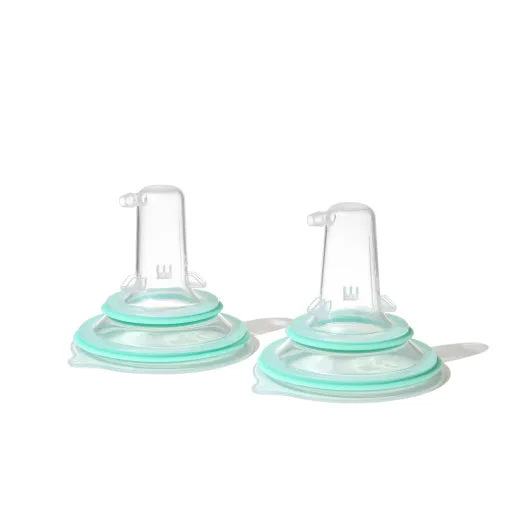
The diaphragm is a flexible silicone membrane that sits inside the pump mechanism. It moves up and down to create a vacuum, which stimulates milk flow and collects milk into your container. If the diaphragm becomes stretched, torn, or warped, it can't maintain a proper seal, resulting in weaker suction and inefficient pumping sessions.
Regular use, washing, and exposure to heat can cause the silicone to degrade over time. That's why it's essential to inspect your diaphragms regularly and replace them when needed. Keeping a spare set on hand ensures you're never caught without a functioning pump.
- Check your diaphragm for tears, holes, or deformation before each use.
- If you notice a decrease in suction, a damaged diaphragm is often the culprit.
- Replace diaphragms every 2-3 months with regular use, or sooner if you see damage.
Signs It's Time to Replace Your Willow Go® Diaphragm
How do you know when to replace your diaphragm? Look for these common signs:
First, if your pump seems less effective—milk output drops, or you need to pump longer to get the same amount—the diaphragm may be losing its seal. Second, visible wear like cracks, tears, or a stretched shape are clear indicators. Third, if you notice milk leaking into the pump mechanism or the diaphragm area, it's time for a swap.
Another sign is unusual noise during pumping, such as a hissing sound, which suggests air is escaping. If you experience any of these, it's best to replace the diaphragm before your next pumping session.
- Reduced suction or longer pumping times
- Visible cracks, tears, or warping
- Milk leaking into the pump parts
- Hissing or unusual sounds during pumping
Step-by-Step: How to Replace Your Willow Go® Diaphragm
Replacing the diaphragm is simple and takes just a few minutes. Here's how to do it:
Start by washing your hands and ensuring your pump is clean and dry. Remove the pump from your bra and disassemble the parts that come into contact with milk, such as the container and flange. Locate the diaphragm—it's typically a small, round silicone piece seated in the pump head. Gently pull it out, being careful not to damage the surrounding parts.
Take your new diaphragm from the Willow Go® Pump Diaphragm Set (2-pack) and press it firmly into place, ensuring it sits flat and secure. Reassemble the pump, and you're ready to pump again. It's a good idea to do a quick test run to make sure everything is sealed properly.
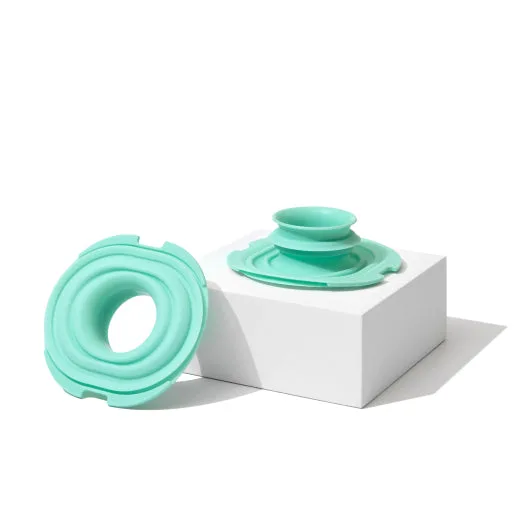
Willow Go® Pump Diaphragm Set (2-pack)
- Always wash your hands before handling pump parts.
- Inspect the new diaphragm for any defects before installing.
- Press the diaphragm evenly to ensure a tight fit.
Maintenance Tips to Extend Diaphragm Life
Proper care can help your diaphragms last longer and perform better. After each use, rinse the diaphragm with cool water and mild soap, then allow it to air dry completely. Avoid using hot water or steam sterilizers, as high heat can degrade silicone faster.
Store your diaphragms in a clean, dry place away from direct sunlight. When not in use, keep them in a sealed bag or container to protect them from dust and lint. It's also wise to rotate between two sets if you pump frequently, giving each set time to rest and retain its shape.
Consider investing in a backup set so you always have a fresh one ready. The Willow Go® Backup Splashguard Container Bundle is a great companion to keep your pump parts organized and protected.
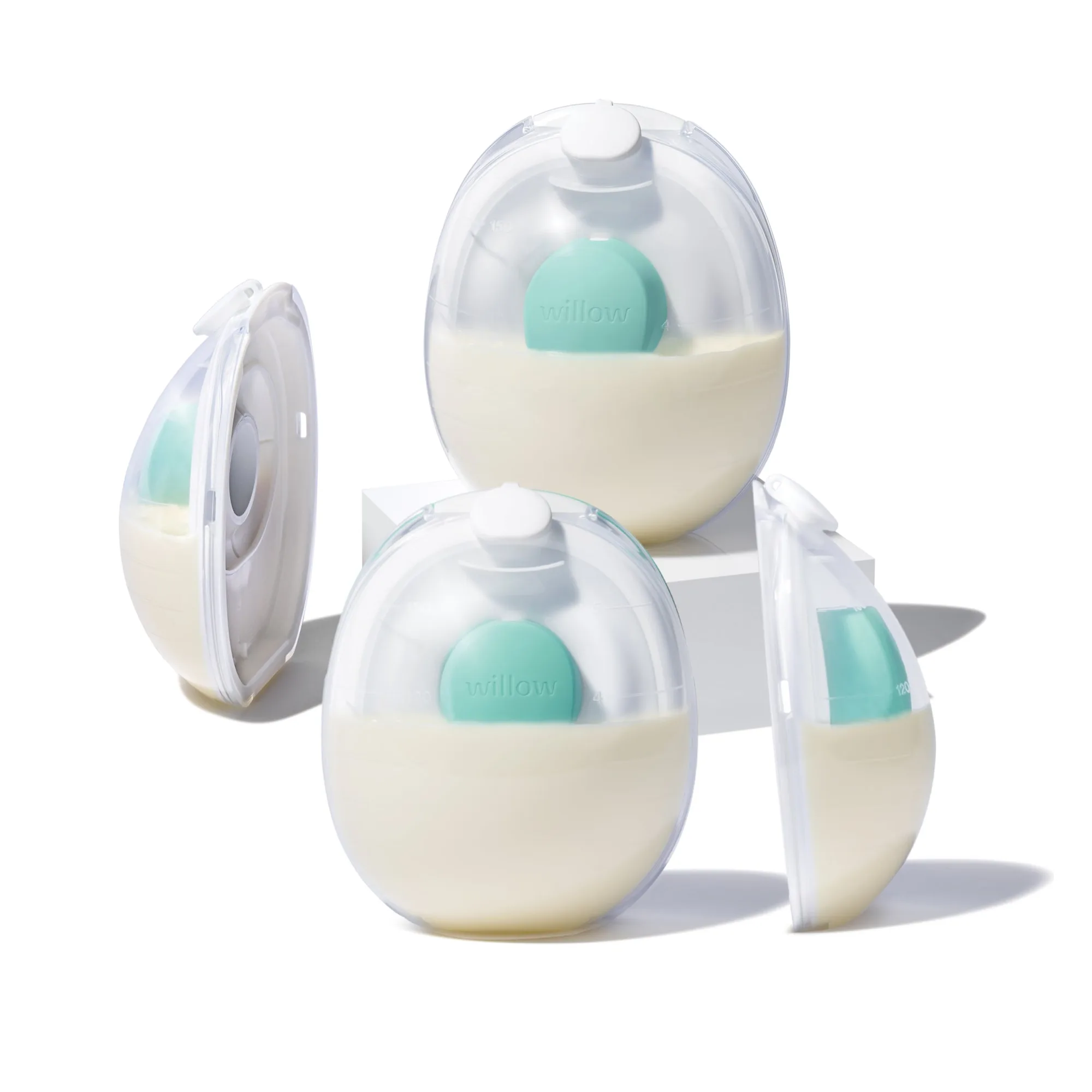
Willow Go® Backup Splashguard Container Bundle
- Hand wash with mild soap and cool water—avoid the dishwasher.
- Air dry completely before reassembling.
- Store in a cool, dry place; avoid heat and sunlight.
- Rotate between two sets to extend their lifespan.
Pairing Your Diaphragm with the Right Accessories
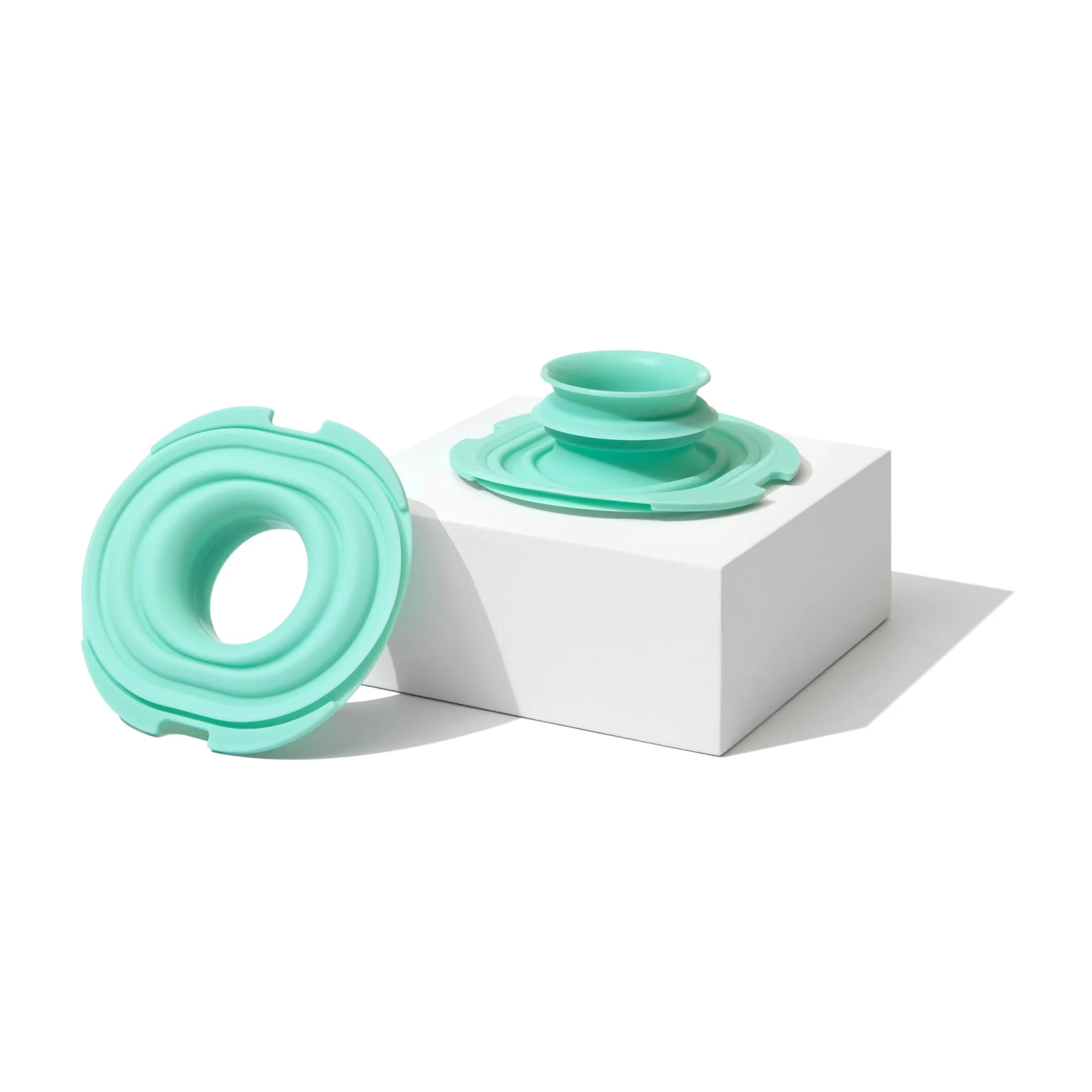
To get the most out of your Willow Go® pump, consider pairing your fresh diaphragms with other compatible accessories. A well-fitted flange is essential for comfort and efficiency. If you're unsure about sizing, the Willow Go® Flange Set (2-pack) offers a range of sizes to help you find your perfect fit.
For moms on the go, the Willow Go® Pump and Anywhere Case keeps your pump and parts organized and protected, making it easy to pump anywhere. And if you're looking to build a complete backup system, the Willow Go® Pump and 7 oz Breast Milk Containers bundle ensures you have extra containers for storing your liquid gold.
Remember to check your diaphragms regularly, and don't hesitate to replace them as needed. Your comfort and milk supply depend on a well-maintained pump.
- Use a properly sized flange for comfort and efficiency.
- Keep spare parts like containers and splashguards on hand.
- A dedicated case can protect your pump during travel.
Replacing your Willow Go® diaphragm is a quick and essential part of pump maintenance. By staying alert to the signs of wear and following the replacement and care tips in this guide, you'll keep your pump running smoothly and ensure comfortable, efficient pumping sessions. To keep your pump in top shape, consider stocking up on a Willow Go® Pump Diaphragm Set (2-pack) today—it's always good to have a backup ready when you need it.