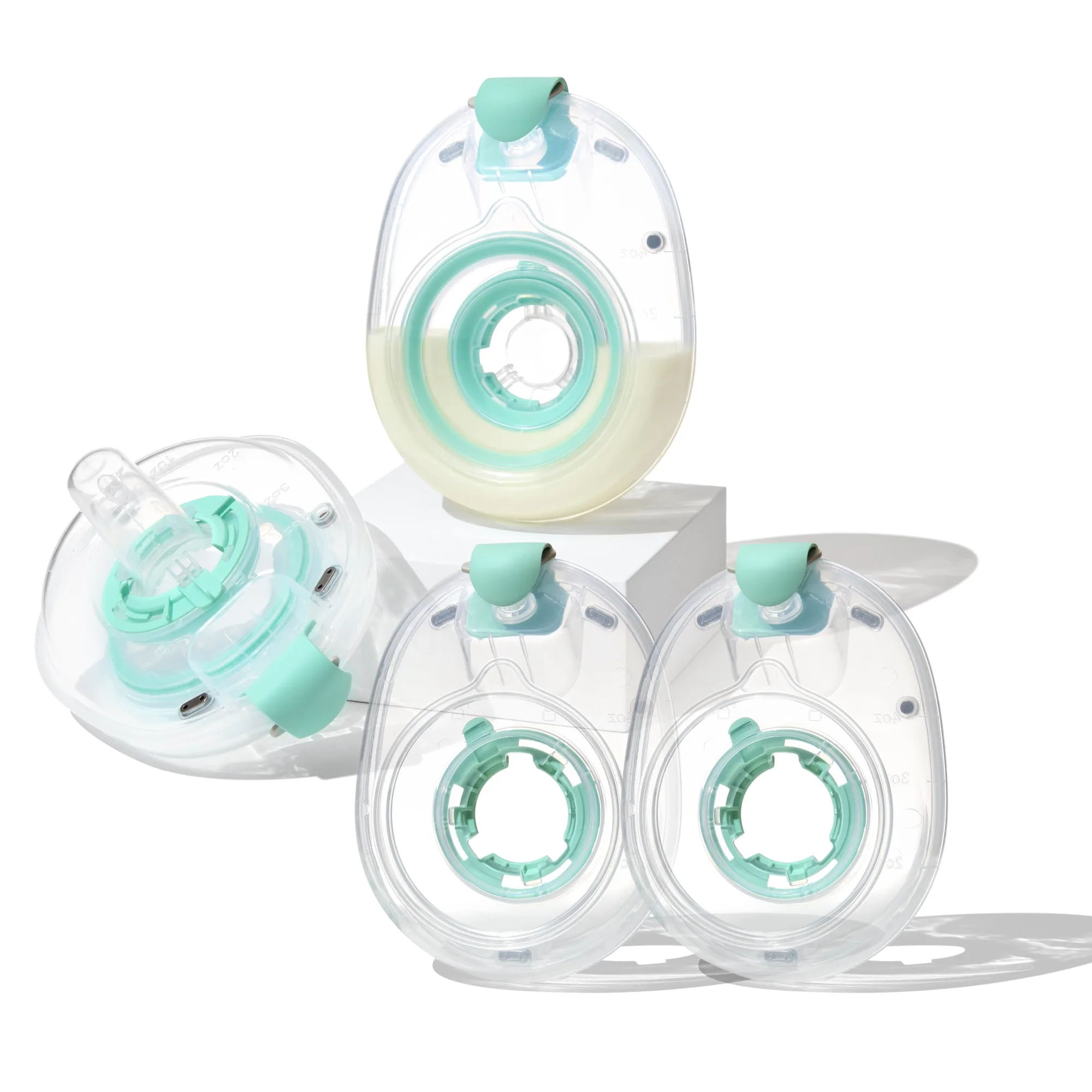
If you're a proud owner of the Willow Go® wearable breast pump, you already know how convenient and discreet pumping can be. But like any high-performance device, your pump relies on small yet critical components to function at its best. One of the most important parts is the diaphragm – a flexible membrane that creates the suction needed to express milk gently and efficiently.
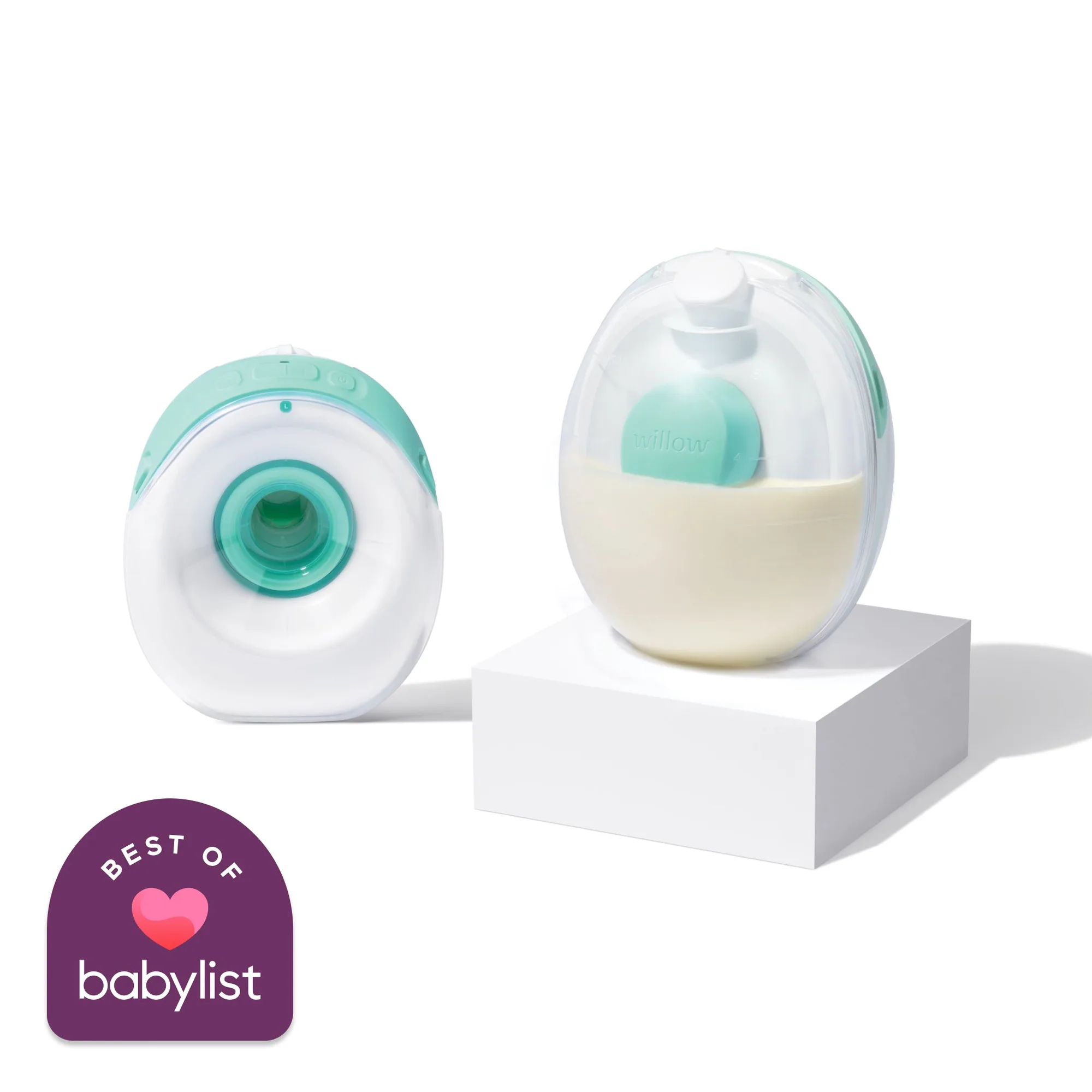
Willow Go® wearable breast pump
In this guide, we'll dive deep into the Willow Go® diaphragm set, covering what it does, signs that it needs replacement, how to swap it out, and maintenance tips to extend its lifespan. Whether you're a first-time user or a seasoned pumper, understanding this component is key to keeping your pumping sessions comfortable and productive.
What Is the Willow Go® Diaphragm Set?
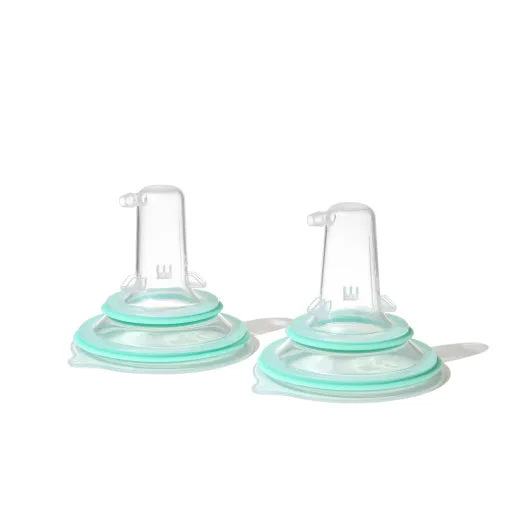
The diaphragm set for the Willow Go® pump is a silicone membrane that sits between the pump motor and the milk container. It plays a pivotal role in creating the vacuum that stimulates milk flow. When the pump cycles, the diaphragm flexes to generate suction, drawing milk from your breast into the collection container. This mechanism is what makes the Willow Go® feel gentle yet effective, closely mimicking a baby's natural nursing rhythm.
The set typically includes the diaphragm itself and sometimes additional components like valves or seals, depending on the package. For Willow Go® users, the diaphragm is a wear-and-tear item that needs periodic replacement to maintain optimal suction and hygiene. Over time, the silicone can lose its elasticity, develop tiny tears, or become misshapen, all of which can reduce pump performance.
- The diaphragm is made of food-grade silicone that is safe for breast milk contact.
- It is designed to be easy to clean and reinstall, even for busy moms.
- Regular inspection helps you catch wear early before it affects your pumping experience.
Signs You Need a Diaphragm Replacement
How do you know when it's time to replace your Willow Go® diaphragm? The most obvious sign is a noticeable drop in suction power. If your pump feels weaker or you have to increase the suction level to get the same output, the diaphragm may be losing its seal. Another red flag is milk leaking into the motor area – this can happen if the diaphragm has a tear or isn't seated properly.
You might also notice that pumping takes longer than usual, or that your breasts don't feel as emptied after a session. Some moms report a change in the pump's sound, such as a whistling or rattling noise, which can indicate air leaks. To avoid these issues, it's a good practice to inspect your diaphragm every few weeks, especially if you pump multiple times a day.
- Decreased suction or longer pumping sessions are common indicators.
- Visible tears, discoloration, or warping on the silicone surface.
- Milk residue or moisture inside the pump motor area.
How to Replace the Diaphragm in Your Willow Go®
Replacing the diaphragm is a straightforward process that you can do at home in a few minutes. First, make sure your pump is turned off and unplugged. Remove the milk container and the flange from the pump body. You'll see the diaphragm seated over the motor opening – gently peel it off, taking care not to stretch it excessively. Clean the area with a soft, dry cloth to remove any residue.
Take your new diaphragm and align it properly over the opening, pressing down firmly to create a secure seal. Make sure it sits flat and there are no gaps. Reattach the flange and milk container, and do a quick test run to ensure suction is strong. It's a good idea to keep a spare diaphragm set on hand so you're never caught without a working pump.
- Always wash your hands before handling pump parts.
- Check that the diaphragm is fully seated to prevent leaks.
- Run a quick suction test after replacement to confirm proper installation.
Maintenance Tips to Extend Diaphragm Life
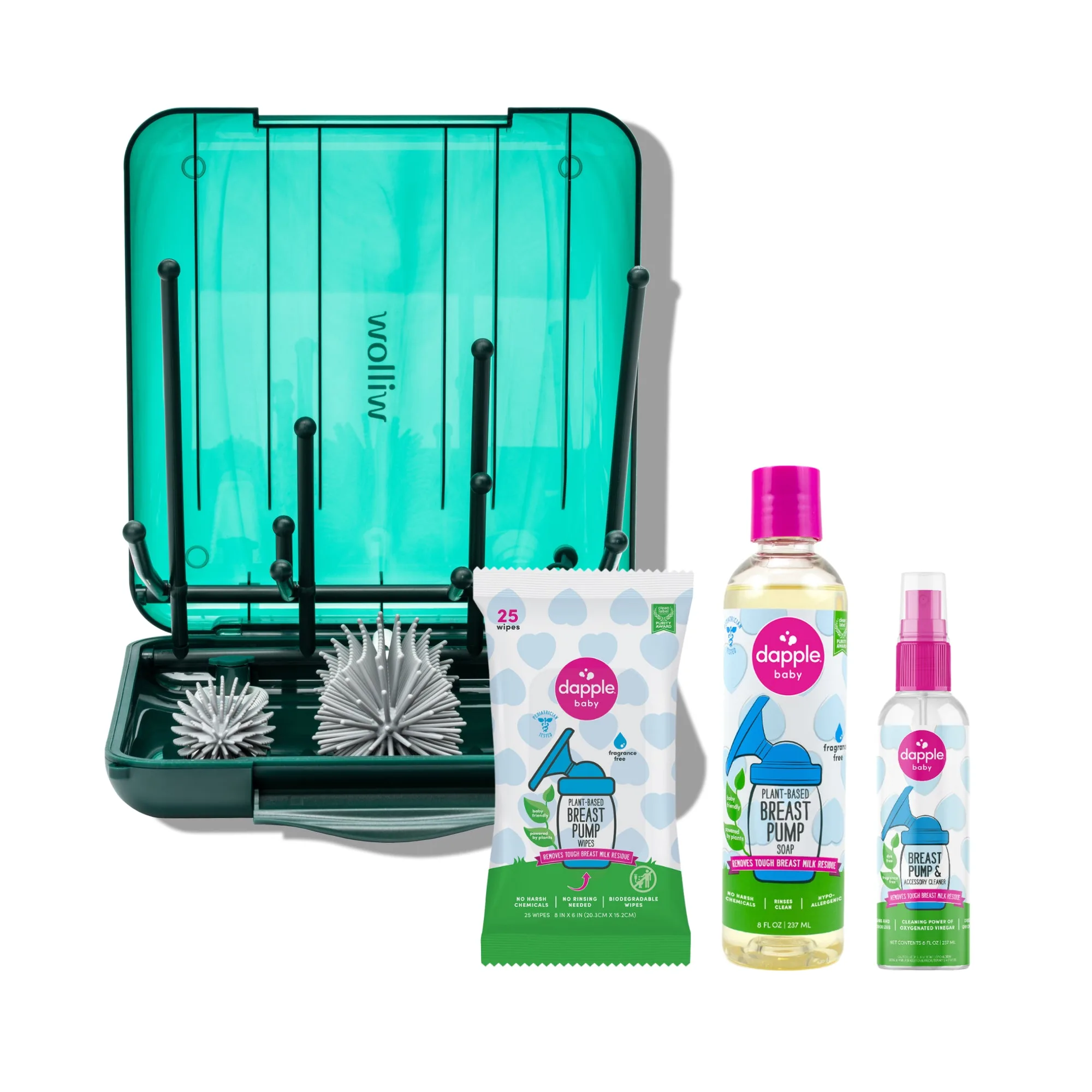
Proper care can significantly extend the life of your Willow Go® diaphragm. After each use, rinse the diaphragm with cool water to remove milk residue, then wash with a mild dish soap and warm water. Avoid using harsh brushes or abrasive cleaners that can damage the silicone. Allow it to air dry completely before reassembling your pump.
When storing your pump, keep the diaphragm away from direct sunlight and extreme temperatures, which can degrade the silicone. Also, avoid bending or folding the diaphragm, as this can cause creases that compromise the seal. Following these simple steps will help you get the most out of each diaphragm, saving you money and ensuring consistent performance.
- Use a designated brush for pump parts to avoid cross-contamination.
- Replace your diaphragm every 2-3 months if you pump exclusively.
- Store spare parts in a cool, dry place.
Why Choose Genuine Willow Go® Replacement Parts?
When it's time to replace your diaphragm, it's crucial to use genuine Willow Go® parts. Off-brand or counterfeit diaphragms may not fit properly, leading to leaks, poor suction, or even damage to your pump. Genuine parts are designed to meet the exact specifications of your Willow Go®, ensuring a perfect fit and reliable performance.
The Willow Go® Pump and 7 oz Breast Milk Containers bundle is a great option if you're looking to upgrade your collection, but for diaphragm replacement, you'll want to purchase the specific diaphragm set. Additionally, consider pairing your replacement with a Virtual Sizing Session to ensure your flange size is still correct, as changes in breast size can affect pumping efficiency.
- Genuine parts are FDA-approved and safe for baby's milk.
- They undergo rigorous testing to ensure durability and performance.
- Using authentic parts maintains your pump's warranty.
Your Willow Go® pump is a reliable companion on your breastfeeding journey, but it needs a little TLC to keep performing at its best. By understanding the role of the diaphragm, recognizing when to replace it, and following simple maintenance tips, you can ensure every pumping session is comfortable and productive. Ready to stock up? Check out the Willow Go® Pump and 7 oz Breast Milk Containers for a complete setup, or grab a replacement diaphragm set to keep your pump in top shape.