When choosing a wearable breast pump, battery life is often a top concern. After all, you need a pump that can keep up with your busy day, whether you're at work, traveling, or managing life at home. Two of the most popular options from Willow are the Willow Go® and the Willow 360®. Both offer the freedom of hands-free pumping, but they differ in battery performance and charging convenience.
In this article, we'll break down the battery life of each pump, compare their charging methods, and share practical tips to help you get the most out of every charge. By the end, you'll know which pump better fits your lifestyle.
Battery Basics: How Willow Pumps Are Powered
Both the Willow Go® and Willow 360® are rechargeable wearable pumps, but they use different battery technologies and charging systems. The Willow Go® features a built-in rechargeable battery that charges via a USB cable. This pump is designed for all-day use, with a battery that can handle multiple pumping sessions before needing a recharge.
The Willow 360®, on the other hand, uses a unique pod system with rechargeable batteries. The pods are removable, which means you can swap them out if you have a spare set. This design offers flexibility, especially for long days away from home. Understanding these differences is key to deciding which pump aligns with your pumping routine.
- Willow Go®: Built-in battery, USB-C charging, compact design.
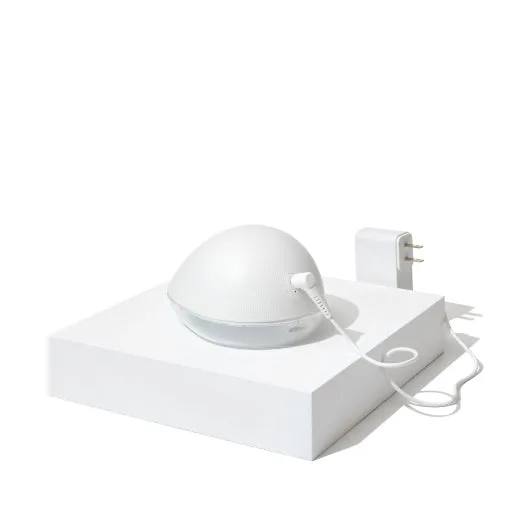
- Willow 360®: Removable battery pods, charging via a dedicated dock or pod charger.
Battery Life Comparison: Willow Go® vs Willow 360®
When it comes to battery life, the Willow Go® typically offers around four to five hours of pumping time on a full charge, depending on suction level and session length. This translates to roughly four to five 20-minute sessions. The Willow 360® provides a similar runtime, with each pod lasting about two to three hours of active pumping, but since you can carry spare pods, your total pumping time can be extended significantly.
Charging times also differ. The Willow Go® takes about 90 minutes to fully charge, while the Willow 360® pods take roughly two hours to charge fully. However, because the 360's pods are removable, you can charge one set while using another, effectively eliminating downtime. This makes the Willow 360® a strong contender for moms who pump frequently throughout the day.
- Willow Go®: ~4-5 hours total runtime, ~90 min charge time.
- Willow 360®: ~2-3 hours per pod, ~2 hours charge time, swappable pods for continuous use.
Real-World Factors That Affect Battery Life
Several factors can influence how long your pump battery lasts. Higher suction levels and longer sessions drain the battery faster. Also, using features like the let-down mode or connecting to the Willow app via Bluetooth can consume extra power. Ambient temperature also plays a role—extreme cold or heat can reduce battery efficiency.
To maximize battery life, try using the lowest effective suction level and avoid leaving the pump on when not in use. Also, keep your pump at room temperature when possible. Regularly updating the firmware via the app can also improve battery management.
- Use the lowest suction setting that effectively empties your breasts.
- Disconnect from Bluetooth when you don't need app tracking.
- Store your pump in a cool, dry place—avoid leaving it in a hot car.
Charging Options and Accessories
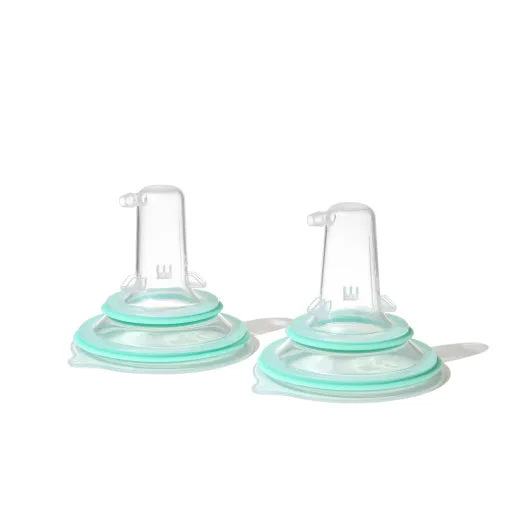
Both pumps come with charging accessories, but you can also purchase extras to make life easier. For Willow Go®, a spare charging cable is handy for travel. For Willow 360®, having an extra set of battery pods ensures you're never without power. Additionally, the Willow Sync Backup Parts Set includes spare parts that can help maintain your pump's performance, though it doesn't include batteries.
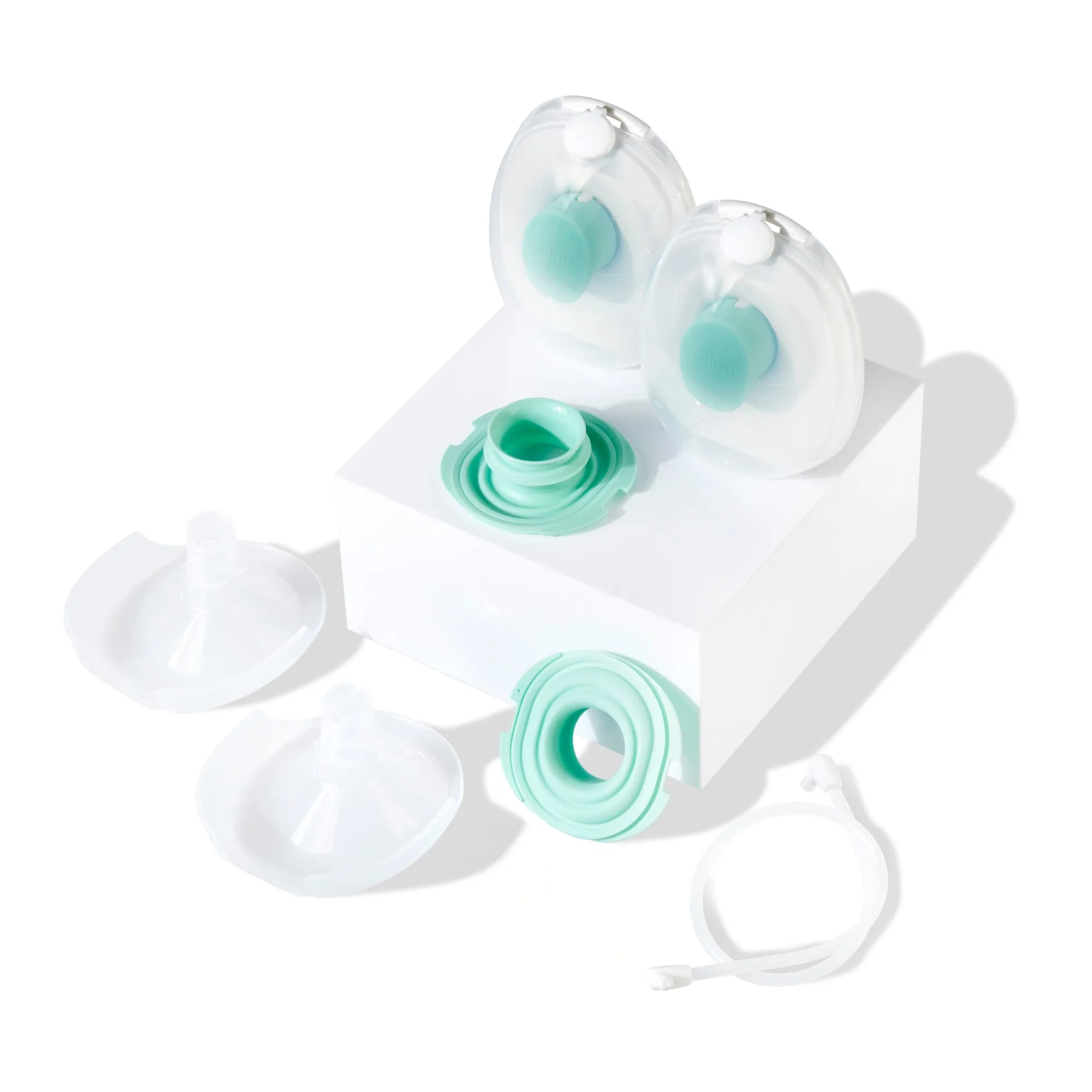
Willow Sync Backup Parts Set
If you're frequently on the go, consider the Pump & Clean Anywhere Bundle, which includes a carrying case and cleaning supplies, making it easy to pump and clean wherever you are. While this bundle doesn't directly affect battery life, it simplifies your pumping routine, so you can focus on efficient sessions.
- Invest in a spare charging cable or extra battery pods for peace of mind.
- Use the Pump & Clean Anywhere Bundle to keep your pump ready for the next session.
- Keep your pump charged overnight so you start the day with a full battery.
Maintenance Tips to Preserve Battery Health
To extend the lifespan of your pump's battery, avoid letting it drain completely before recharging. Lithium-ion batteries last longer when kept between 20% and 80% charge. Also, unplug the charger once the battery is full to prevent overcharging.
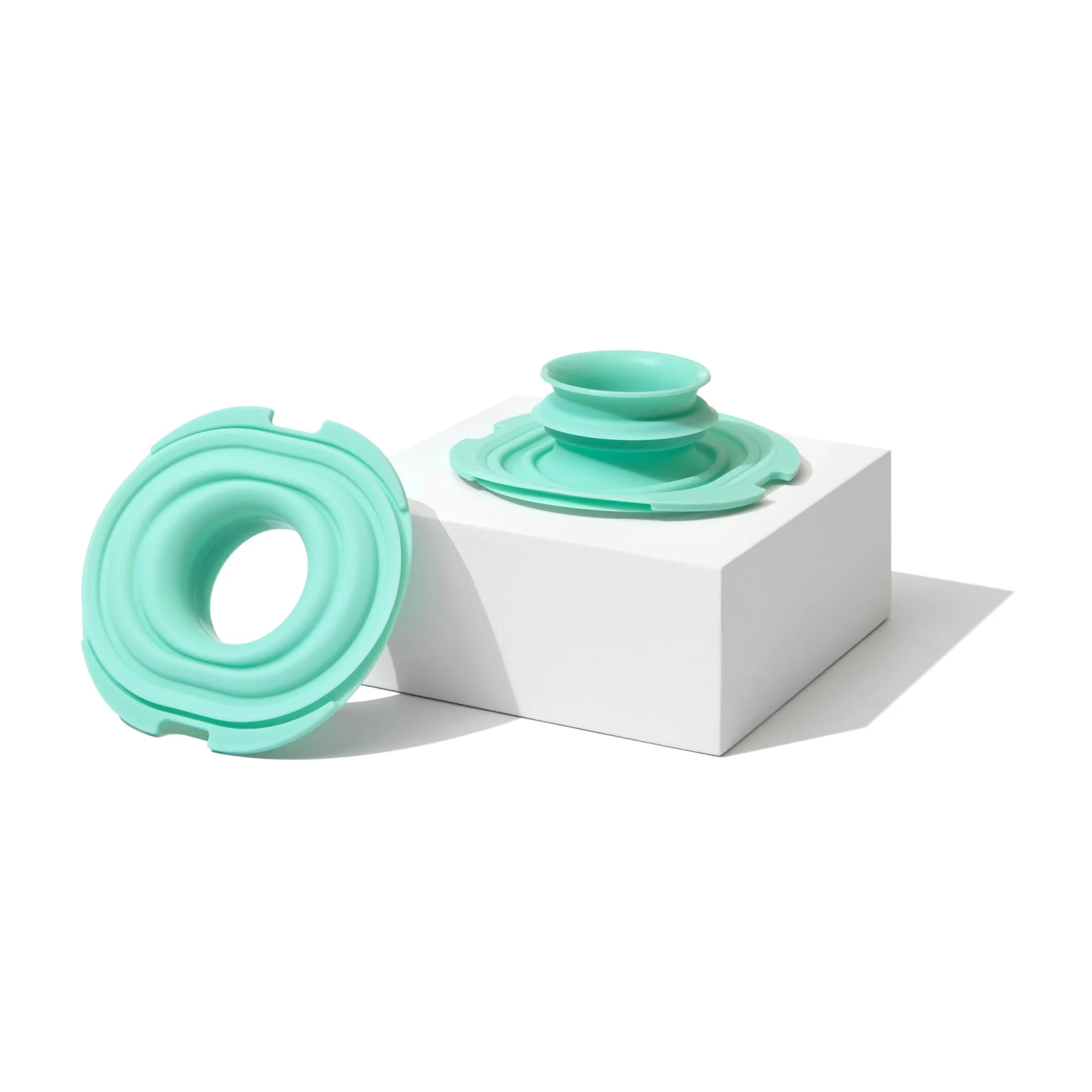
If you notice a decline in battery performance, check for firmware updates or contact Willow support. Replacing worn-out parts, such as the Willow Go® Pump Diaphragm Set or Willow Wave Gaskets, can also improve pump efficiency, which indirectly helps battery life by reducing motor strain.
- Don't let the battery hit 0% regularly—charge it before it's completely drained.
- Avoid leaving the pump plugged in overnight every night; unplug once full.
- Replace diaphragms and gaskets regularly to keep the pump running efficiently.
Both the Willow Go® and Willow 360® offer reliable battery life, but the right choice depends on your routine. If you prefer a simple, built-in battery and don't mind charging between sessions, the Willow Go® is a great option. If you need the flexibility to pump all day without waiting for a charge, the Willow 360® with swappable pods is the winner. Whichever you choose, following the maintenance tips above will keep your pump powered up and ready when you need it. Ready to pick your pump? Explore the Willow Wave Manual Breast Pump as a backup, or check out the Willow Sync Backup Parts Set to keep your primary pump in top shape.
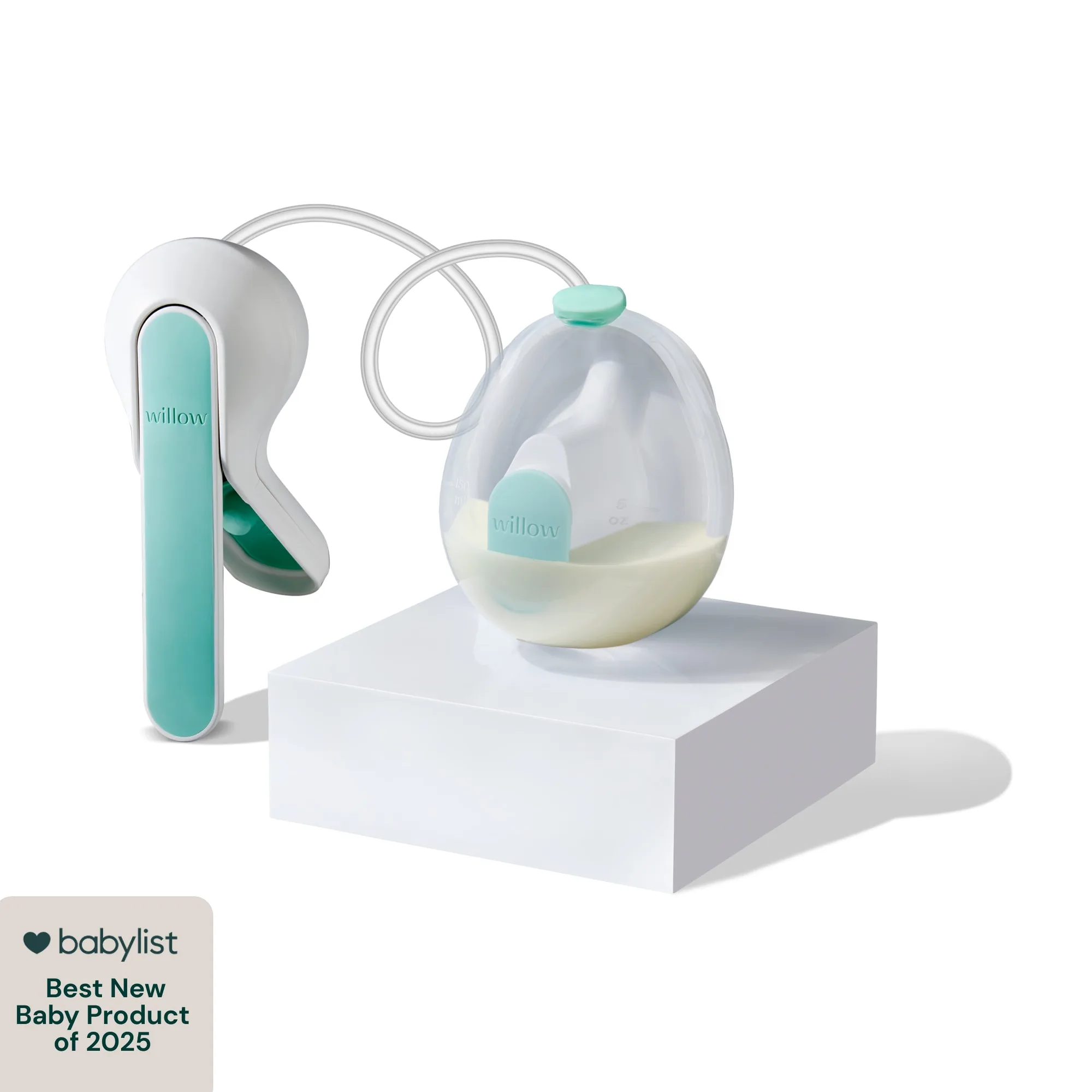
Willow Wave Manual Breast Pump