Choosing the right breast pump can feel overwhelming, especially with so many options on the market. For many mothers, the decision often comes down to two main types: a traditional manual pump and a high-tech wearable electric pump like the Willow. Both have their place, but they serve very different needs. In this guide, we'll compare the Willow wearable pump with manual pumps across key factors like convenience, comfort, efficiency, and cost, helping you make an informed choice for your breastfeeding journey.
Whether you're a first-time mom or a seasoned pro, understanding the trade-offs between manual and electric pumping is crucial. Manual pumps are simple, quiet, and affordable, but they require hands-on effort and can be tiring. The Willow pump, on the other hand, offers hands-free, wearable convenience that fits seamlessly into a busy lifestyle. Let's dive into the details to see which one comes out on top for you.
Convenience and Lifestyle Fit
When it comes to convenience, the Willow wearable pump is in a league of its own. Designed to fit inside your bra, it allows you to pump hands-free while you go about your day. You can answer emails, tend to your toddler, or even lie down while pumping. This is a game-changer for mothers who need to multitask or want to maintain their normal routine without being tethered to a wall outlet or holding a manual pump.
Manual pumps, by contrast, require you to actively pump using your hand. This means you'll need to sit still, hold the pump in place, and repeatedly squeeze the handle. While this can be done anywhere, it occupies at least one hand and your attention. For moms who are always on the move, the manual pump can feel limiting. However, if you only pump occasionally or need a backup for emergency situations, the simplicity of a manual pump might be all you need.
- Willow pump: hands-free, wearable, discreet, allows multitasking
- Manual pump: requires active hand pumping, can be tiring over time
- Consider your daily routine and how often you plan to pump
Comfort and Fit
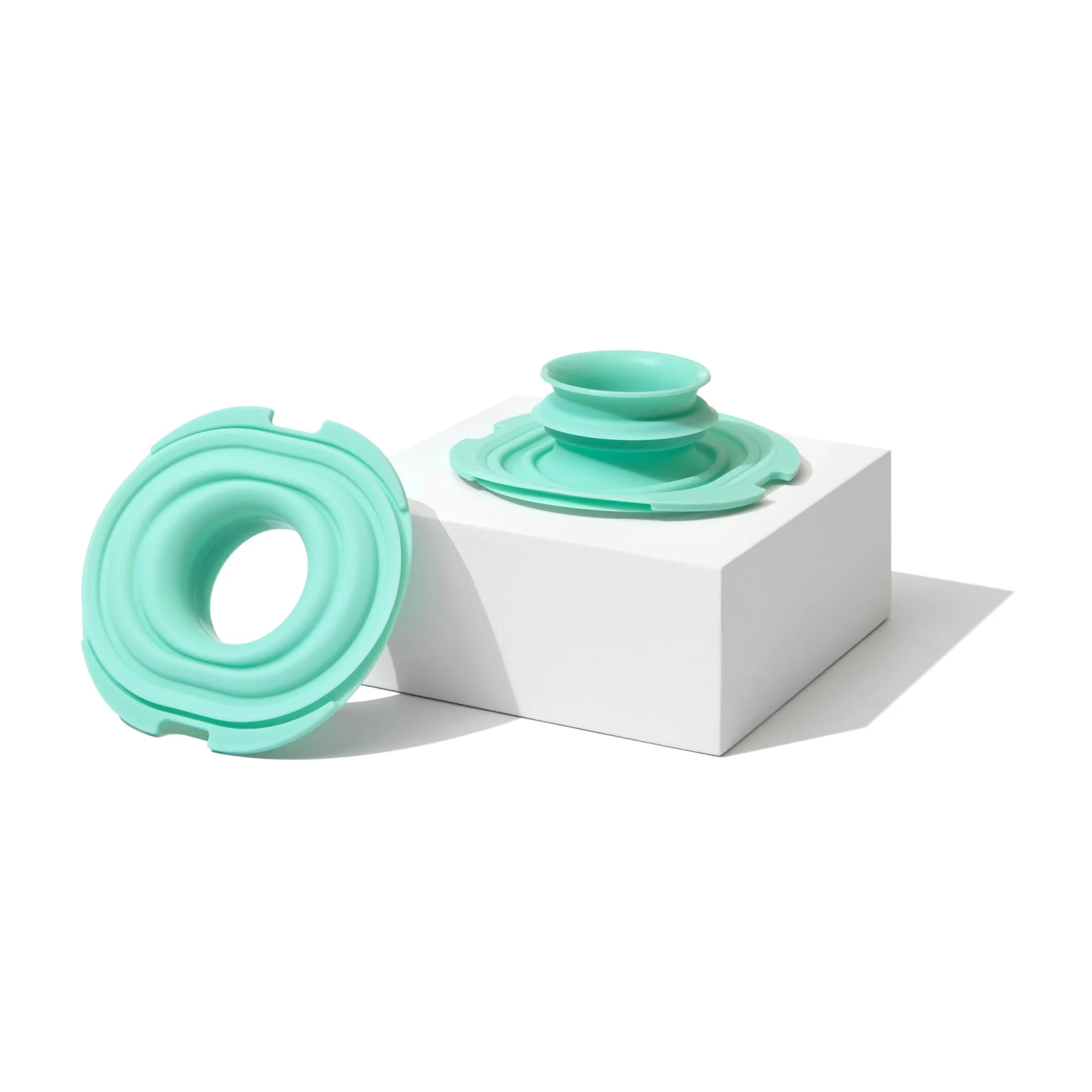
Comfort is a critical factor when choosing a breast pump. The Willow pump offers a customizable fit with multiple flange sizes, ensuring a proper seal and comfortable pumping experience. The pump is designed to mimic a baby's natural sucking rhythm, with adjustable suction levels to suit your comfort. Many users find the hands-free design reduces strain on the wrists and hands, which can be a common issue with manual pumps.
Manual pumps, on the other hand, are typically less adjustable. They come with a standard flange size, which may not fit all mothers perfectly. Prolonged use can lead to hand fatigue and even discomfort in the wrist or thumb. However, some mothers prefer the control they have over the suction with a manual pump, as they can adjust the pressure in real-time. Ultimately, the right choice depends on your personal comfort needs and how long you'll be pumping.
- Willow pump: multiple flange sizes, adjustable suction, hands-free comfort
- Manual pump: limited adjustability, risk of hand fatigue
- Try both to see which feels more natural for you
Efficiency and Output
When it comes to efficiency, electric pumps generally outperform manual ones, and the Willow is no exception. The Willow pump uses a powerful motor to stimulate milk flow and empty the breast more effectively than manual pumping. It also offers different modes, such as stimulation and expression, to optimize milk output. Many mothers report that they can pump more milk in less time with the Willow compared to a manual pump.
Manual pumps rely solely on your hand strength and rhythm, which can be inconsistent and less effective at fully emptying the breast. This can lead to reduced milk supply over time if not used correctly. For mothers who need to pump frequently or are exclusively pumping, the Willow pump is likely to be more efficient and supportive of maintaining milk supply. However, for occasional pumping or emergency relief, a manual pump can suffice.
- Willow pump: consistent suction, multiple modes, better milk output
- Manual pump: variable output, may not fully empty the breast
- Frequency of pumping should guide your choice
Cost and Value
Cost is often a deciding factor for many families. Manual pumps are significantly cheaper, typically costing under $50. They are a low-commitment option for mothers who plan to pump only occasionally or want a backup pump. However, the low upfront cost may be offset by the time and effort required, which can be a hidden cost for busy moms.
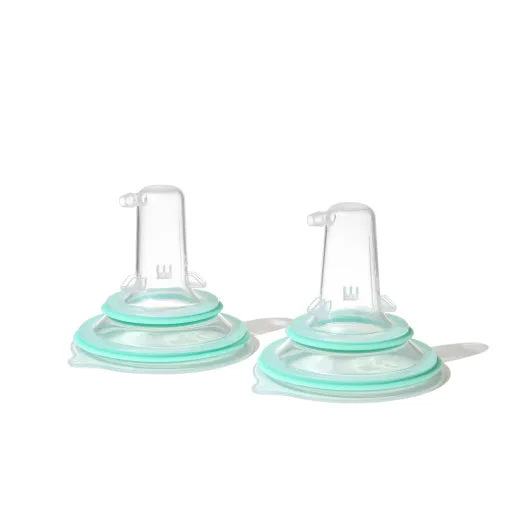
The Willow pump is a premium investment, with prices ranging from $300 to $500 depending on the model and accessories. While the initial cost is higher, the value it provides in terms of convenience, efficiency, and time savings can be substantial. For mothers who pump regularly, the Willow can pay for itself in saved time and reduced stress. Additionally, the Willow system includes various accessories like the Willow Go® Flange Set (2-pack) and Willow 360® Charger to enhance your pumping experience, making it a comprehensive solution.
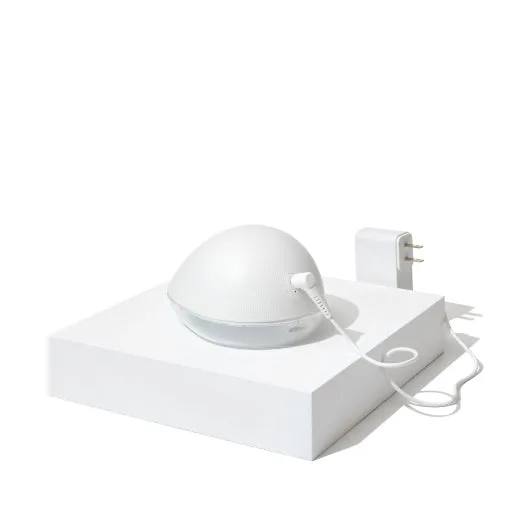
Willow 360® Charger
- Manual pumps: low cost, but time-intensive
- Willow pump: higher upfront cost, but saves time and effort
- Consider your budget and how much you value convenience
Portability and Travel
Both manual and Willow pumps are portable, but they offer different advantages. Manual pumps are lightweight, compact, and require no batteries or charging, making them ideal for emergency use or short trips. You can toss one in your diaper bag and not worry about power sources.
The Willow pump is also portable but requires charging. However, with the Willow 360® Charger, you can quickly recharge the pump on the go. Additionally, the Willow pump is designed to be worn in your bra, so you can pump discreetly while traveling, at work, or even in the car. For mothers who travel frequently, the Willow's hands-free design can be a major plus, allowing you to pump without having to find a private space.
- Manual pump: no charging needed, ultra-portable
- Willow pump: wearable, discreet, but requires charging
- Think about your travel habits and access to power
Maintenance and Cleaning
Cleaning and maintaining your pump is essential for hygiene and longevity. Manual pumps have fewer parts, making them easier to clean and sterilize. You can wash them with warm soapy water and air dry them quickly.
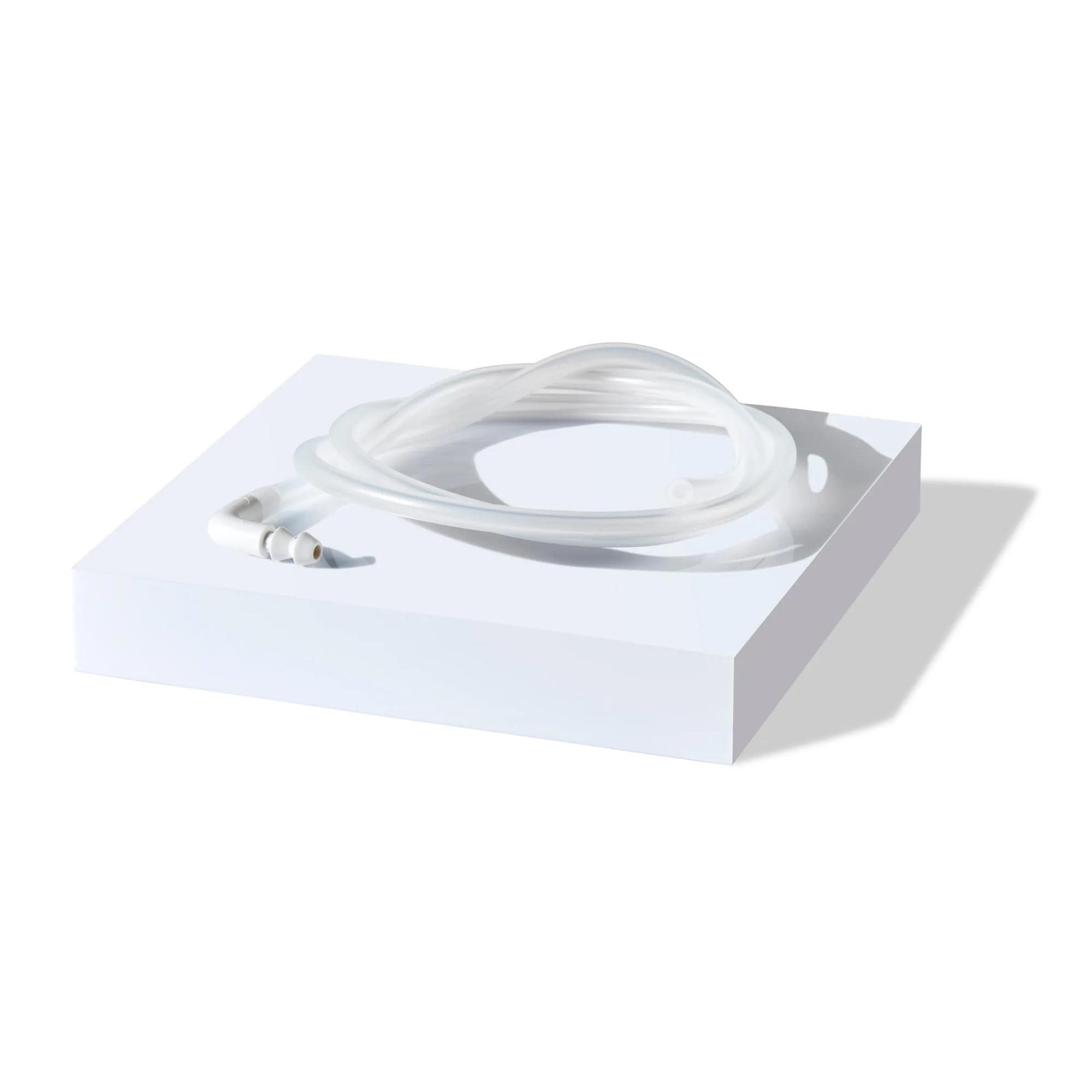
The Willow pump has more components, including containers, flanges, and tubing, which require more thorough cleaning. However, Willow offers convenient accessories like the Travel Cleaning Pack to make cleaning on the go easier. The Willow 360® system also features dishwasher-safe parts, simplifying the process. While manual pumps are simpler to clean, the Willow's extra effort is a trade-off for its advanced features and hands-free convenience.
- Manual pump: fewer parts, quick to clean
- Willow pump: more parts, but dishwasher-safe options available
- Consider how often you'll need to clean and your tolerance for maintenance
In the end, the choice between a Willow pump and a manual pump depends on your lifestyle, budget, and pumping needs. If you value hands-free convenience, efficiency, and are willing to invest in a premium product, the Willow pump is an excellent choice. If you're looking for a budget-friendly, simple solution for occasional use, a manual pump might be sufficient. Many mothers find that having both can be beneficial – using the Willow for daily pumping and a manual pump as a backup. Explore the Willow pump options to see how they can enhance your breastfeeding journey.