Quick answer
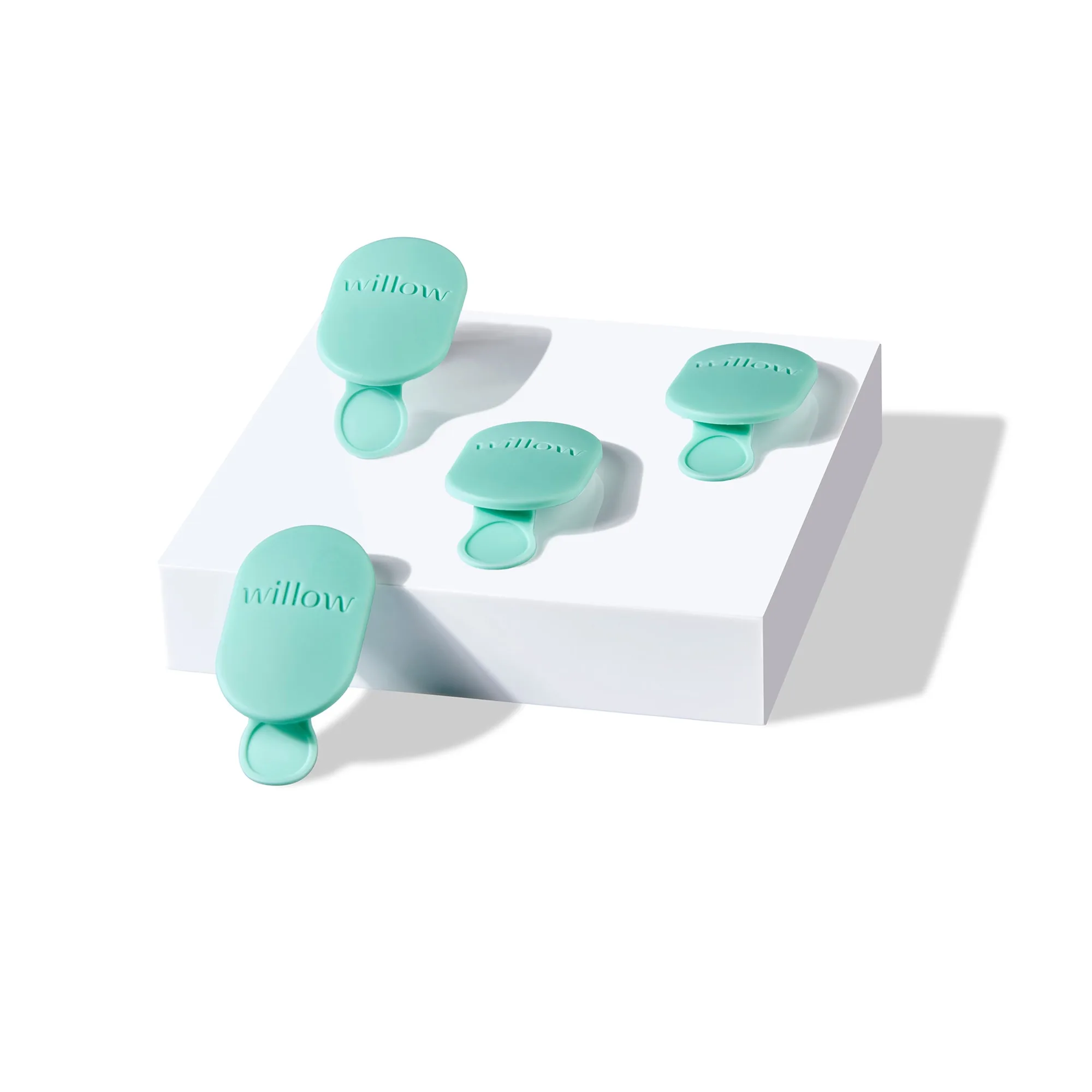
Replace your Willow Wave valves when you notice a steady drop in suction, valves that look cloudy, stretched, or torn, or milk that collects around the valve seat after a session. If a thorough wash and dry does not restore performance, a fresh Willow Wave Valves Set (4-pack) is the right next step.
Why valves wear out before the rest of your pump
Valves are the hardest-working soft part in a wearable pump. Every session flexes them hundreds of times, and daily washing, sanitizing, and air-drying gradually change the silicone. That is normal wear, not a defect. Because valves sit in the milk path, they also collect milk residue and mineral film that can stiffen the material over time. When the valve no longer seals cleanly against its seat, air slips past and suction drops. Replacing just the valves is far cheaper than replacing a pump, and it is the first thing to check when output changes.
Signs that point to valve wear, not a pump problem
Before you assume the motor is failing, rule out the valves. These symptoms usually mean the valve is the cause, not the pump body or your flange fit.
- Suction feels weaker than it did a few weeks ago, even on the same setting.
- Sessions take longer to empty, or you need a higher suction level to get the same output.
- Milk pools around the valve area or drips back into the flange after pumping.
- The valve edges look wavy, stretched, or nicked instead of sitting flat.
- Silicone has turned cloudy, chalky, or stiff compared to a new valve.
What to check before you buy replacements
Do a two-minute inspection first. Remove the valve, hold it up to a light, and look for tears at the slit or rim. Run a fingernail along the sealing edge; it should feel smooth and springy, not tacky or brittle. Reassemble the valve and flange, then run the pump dry against your hand to feel for suction. If suction is strong with a dry fit but weak during a real session, the issue may be flange size or assembly rather than the valve itself. If you have already replaced the valves recently and suction is still low, stop swapping parts and check flange fit or contact support instead of buying more accessories.
How to get the most from a new valve set
Install the new valve so it sits flush against the seat with no twisting. Hand-wash valves in warm water with a mild dish soap, rinse well, and air-dry on a clean rack rather than a towel, which can leave lint on the silicone. Avoid harsh sanitizing methods that degrade silicone faster. Rotating between two sets lets each one dry fully between uses, which helps them keep their shape longer. If you pump several times a day, expect to replace valves more often than someone who pumps once daily.
Diagnose your valve in three checks
- Symptom: suction drops mid-session: Likely cause is a valve that no longer seals flat against its seat, often from silicone fatigue or a small tear at the slit. Corrective action: remove the valve, inspect the sealing edge against a light, and swap in a new valve from your set. If suction returns with a new valve, the old one was the problem. If not, move to the next check.
- Symptom: cloudy, stiff, or tacky silicone: Likely cause is normal silicone aging plus residue buildup from milk fats and washing. Corrective action: try a thorough warm soapy wash and full air-dry. If the material still looks chalky or feels stiff, replace it. Discoloration alone is not always a failure, but combined with weaker suction it is a clear replace signal.
- Symptom: suction still weak after a new valve: Likely cause is flange fit, assembly error, or a pump issue rather than the valve. Corrective action: recheck that the valve sits flush, confirm your flange size, and test the pump dry against your hand. Stop buying valves at this point. If a correctly installed new valve does not fix suction, contact Willow support or reassess flange fit.
Replacement parts that fit this fix
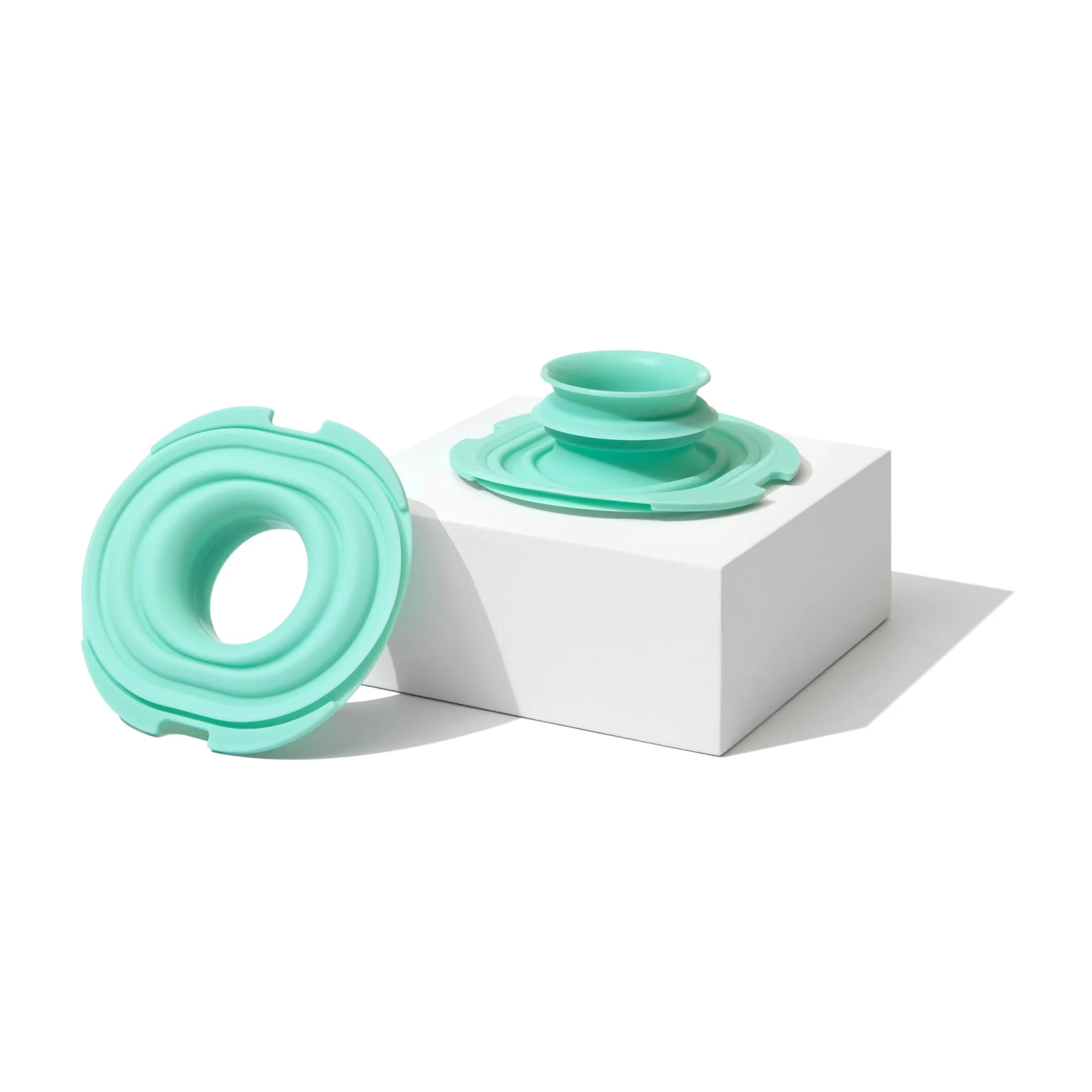
- Willow Wave Valves Set (4-pack): Willow Wave Valves Set (4-pack) includes four valves compatible with Willow wearable breast pump systems. Four valves let you replace a worn set and keep a spare on hand, so a mid-week failure does not interrupt your pumping schedule.
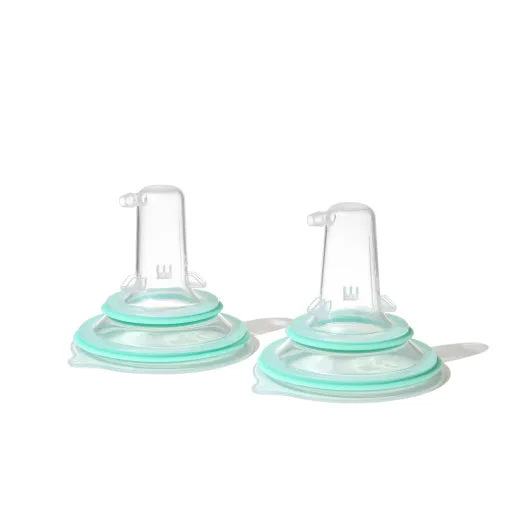
- Willow Sync Duckbill Valve Set (2-Pack): Willow Sync Duckbill Valve Set (2-Pack) is compatible with Willow Pump wearable breast pumps and includes two duckbill valves. If your pump uses duckbill-style valves rather than Wave valves, this is the correct replacement shape to check before ordering.
- Willow 360® Flange Set (2-pack): Willow 360 Flange Set (2-pack) has a quick-snap closure for easy placement and fast assembly and is used with Spill-Proof Milk Bags. If new valves do not restore suction, flange size or fit may be the real issue, and this set is the next thing to verify.