Choosing the right breast pump is one of the most important decisions for a new mom. With so many options available, it can be overwhelming to decide between a traditional electric pump and a modern wearable pump. In this comprehensive comparison, we'll explore the differences between Willow wearable pumps and traditional breast pumps, helping you make an informed choice that fits your lifestyle.
We'll cover key factors such as convenience, portability, comfort, milk output, and cost. By the end, you'll have a clear understanding of which type of pump is best suited for your needs, whether you're a stay-at-home mom, a working professional, or someone who simply values flexibility.
What Are Wearable Breast Pumps?
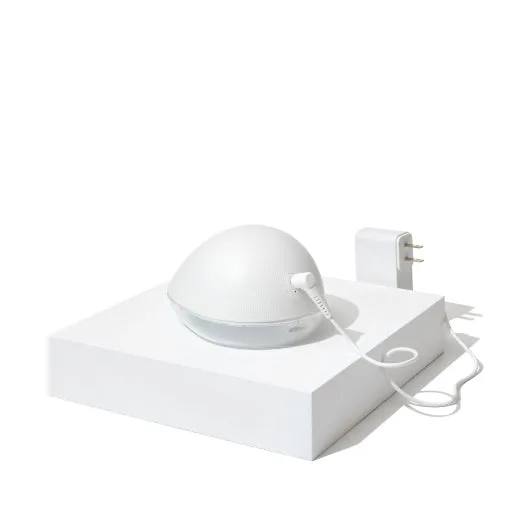
Wearable breast pumps, like the Willow Go® Wearable Breast Pump, are designed to fit discreetly inside your bra, allowing you to pump hands-free while going about your day. Unlike traditional pumps that require you to be plugged into a wall outlet and often involve cumbersome tubes and flanges, wearable pumps are compact, cordless, and virtually silent.
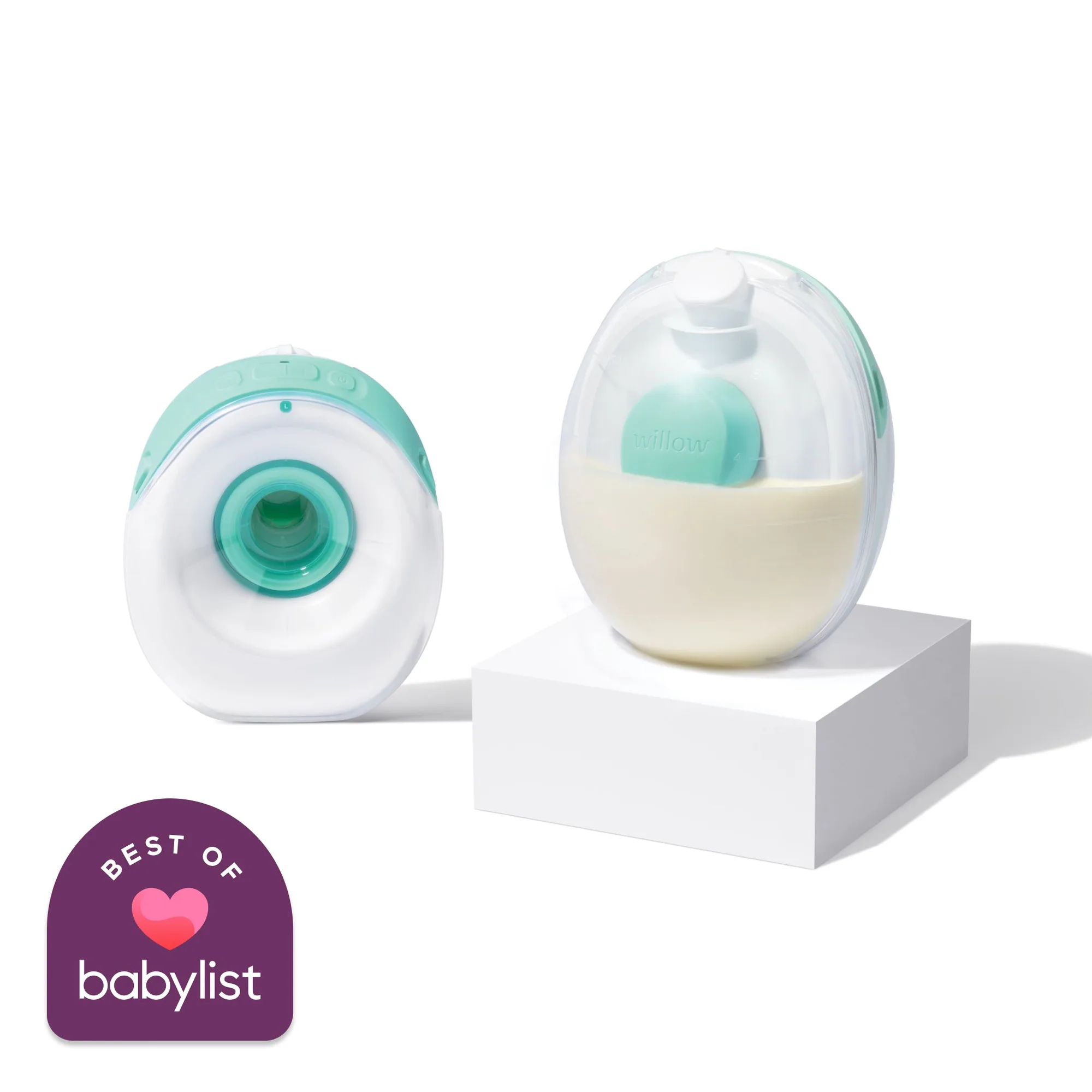
Willow Go® Wearable Breast Pump
The Willow Go® Wearable Breast Pump is a popular choice for moms who want to multitask. It lets you pump while working, driving, or even doing household chores. With its app connectivity, you can track your pumping sessions and control the pump from your smartphone, making it a high-tech solution for modern parenting.
- Hands-free operation: Pump while doing other tasks
- Discreet design: Fits inside your bra, no visible tubes
- Cordless: No need to be near an outlet
What Are Traditional Breast Pumps?
Traditional breast pumps, also known as electric breast pumps, have been the standard for decades. They consist of a motor unit that connects to flanges via tubing, and they require you to sit still while pumping. These pumps are often more powerful and may be recommended for moms who need to establish or maintain a strong milk supply.
While traditional pumps are reliable and effective, they can be restrictive. You're tethered to a power source, and the noise can be distracting. However, they are generally more affordable than wearable pumps and offer a wide range of settings for suction and speed.
- Powerful suction: Often more effective for milk expression
- Customizable settings: Wide range of suction levels and speeds
- Cost-effective: Generally less expensive than wearable pumps
Key Differences: Willow vs Traditional Pumps
When comparing Willow wearable pumps to traditional pumps, several key differences stand out. The most obvious is the convenience factor. With a wearable pump like the Willow Go®, you can pump anywhere, anytime, without being tied to a wall. This is a game-changer for moms who have busy schedules or who need to pump while traveling.
Another significant difference is the level of discretion. Wearable pumps are designed to be invisible under your clothes, so you can pump in public without drawing attention. Traditional pumps, on the other hand, require you to be in a private space with access to an outlet, which can be limiting.
- Portability: Wearable pumps are lightweight and easy to carry
- Noise level: Wearable pumps are quieter, making them ideal for discreet pumping
- Setup time: Wearable pumps are ready to use in seconds, while traditional pumps require more setup
Comfort and Fit
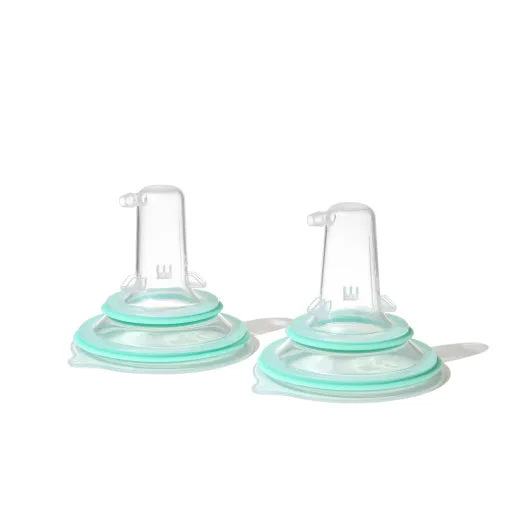
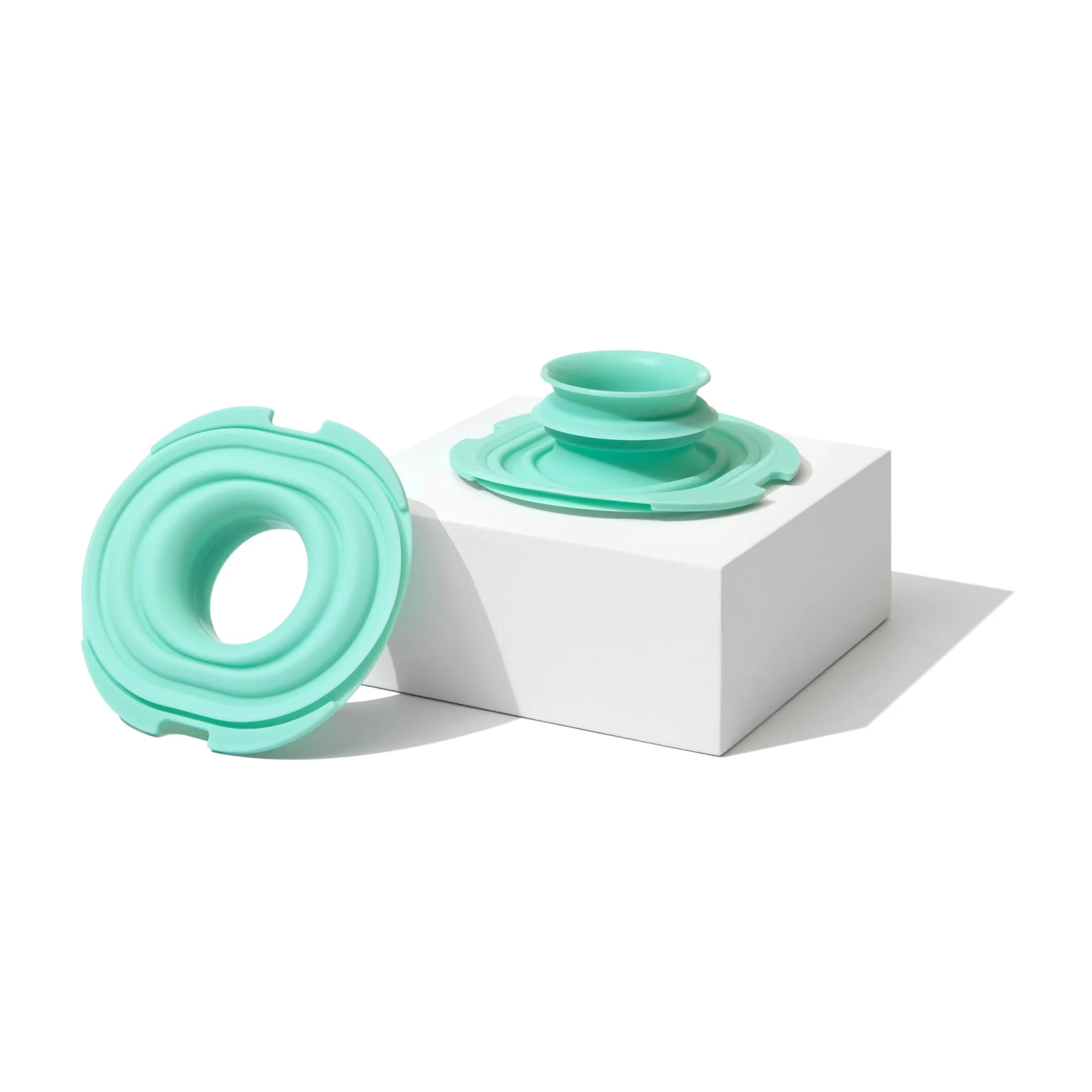
Comfort is crucial when it comes to breast pumps. Traditional pumps often come with standard flanges that may not fit perfectly, leading to discomfort or even pain. The Willow Go® Flange Set (2-pack) offers multiple sizes to ensure a proper fit, which can improve both comfort and milk output.
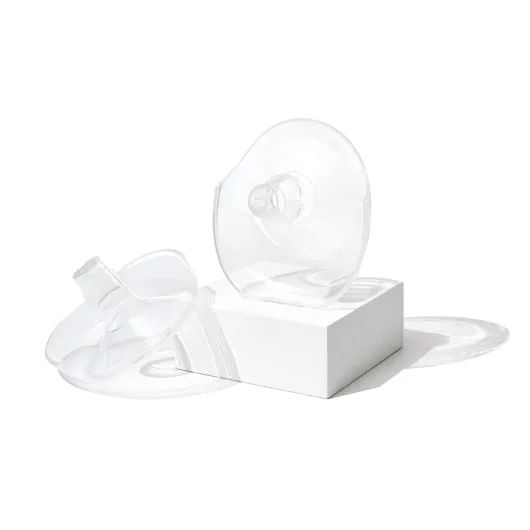
Willow Go® Flange Set (2-pack)
Wearable pumps like the Willow Go® are designed with soft, flexible flanges that conform to your body, reducing the risk of chafing. Additionally, the ability to move freely while pumping can reduce the stress and tension that often come with sitting still during a pumping session.
- Proper flange sizing is essential for comfort and efficiency
- Wearable pumps allow for natural movement during pumping
- Traditional pumps may require additional cushions or inserts for comfort
Milk Output and Efficiency
One common concern with wearable pumps is whether they can match the milk output of traditional pumps. While traditional pumps often have stronger suction, modern wearable pumps like the Willow Go® have improved significantly. Many moms find that they can achieve similar output with a wearable pump, especially when using the correct flange size and positioning.
It's important to note that milk output can vary from person to person. Some moms may find that they need to use a traditional pump for their morning pump when milk supply is highest, and then use a wearable pump for subsequent pumps. Having both options can be a great strategy.
- Wearable pumps may require a learning curve to achieve optimal output
- Some moms use a combination of both types for maximum efficiency
- Tracking apps can help you monitor output and adjust settings
Cost and Value
Traditional breast pumps are generally more affordable upfront, but they may require additional purchases such as spare parts and carrying cases. Wearable pumps, like the Willow Go®, are a larger investment, but they offer convenience that can be invaluable for busy moms.
When considering the cost, think about your lifestyle and how often you'll pump. If you're returning to work or frequently on the go, the hands-free convenience of a wearable pump may justify the higher price. Additionally, Willow offers accessories like the Willow 360® Backup Container Bundle, which can help you store milk efficiently and extend the life of your pump.
- Consider the total cost of ownership, including accessories
- Wearable pumps may save time and reduce stress, adding value
- Look for bundles or protection plans to protect your investment
Which Pump Is Right for You?
Ultimately, the choice between a Willow wearable pump and a traditional pump depends on your personal needs and preferences. If you value flexibility, discretion, and the ability to multitask, a wearable pump like the Willow Go® is an excellent choice. If you prefer a more traditional approach and prioritize powerful suction, a traditional pump may be more suitable.
Many moms find that having both types of pumps is the best solution. You can use a traditional pump at home for efficient pumping sessions and a wearable pump when you're out and about. This hybrid approach ensures you're never without a pumping option.
- Assess your daily routine and where you'll be pumping most
- Consider your comfort with technology and app-based controls
- Think about your budget and long-term pumping goals
Whether you choose a Willow wearable pump or a traditional pump, the most important thing is that you find a solution that works for you and your baby. Both options have their pros and cons, and the best choice is the one that fits your lifestyle and makes pumping as stress-free as possible. If you're ready to experience the freedom of hands-free pumping, explore the Willow Go® Wearable Breast Pump and see how it can transform your pumping journey.