Quick answer
Rinse the decanter with warm water immediately after each use, then clean it with a mild unscented detergent or reusable ceramic cleaning beads. For stains or cloudiness, soak with a 50/50 white vinegar and water solution for 30–60 minutes, then rinse thoroughly and air-dry upside down. Never use abrasive brushes, dishwasher cycles, or scented soaps on crystal.
Why stains and cloudiness appear
Wine residue, tannins, and pigment bond to the glass surface if left to dry. Over time, minerals from water and traces of detergent create a hazy film that looks like cloudiness but is actually a build-up on the glass, not etching. Crystal decanters are especially vulnerable because their surfaces are softer than standard glass. Knowing the cause helps you choose the right method: fresh residue needs only a rinse, while older film needs a mild acid soak.
Tools you actually need
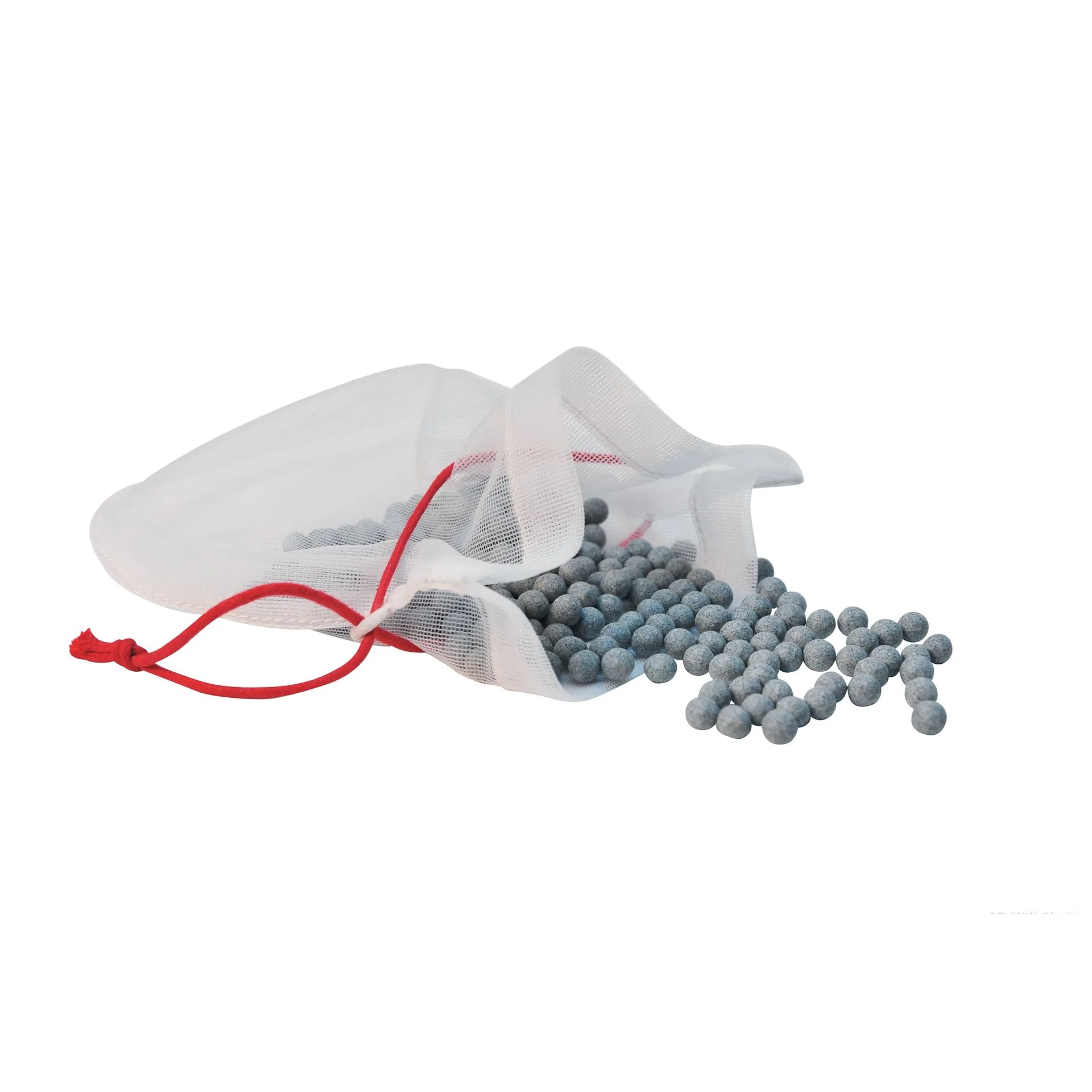
Skip the bottle brush with a metal twist handle; it can scratch the inside of a narrow neck. Instead, use a dedicated decanter cleaning tool or reusable ceramic beads. L’Atelier du Vin’s Cleaning Beads for Decanter & Glassware are designed to clean decanters, carafes, and narrow glassware effectively without detergent. For rinsing, warm water and a clean lint-free cloth are enough. If you use soap, choose a fragrance-free, dye-free liquid soap and rinse at least three times longer than you think necessary.
How to remove tough stains and cloudiness
For red wine stains, fill the decanter halfway with warm water and add an equal amount of white vinegar. Let it sit for 30–60 minutes. For cloudiness caused by hard water, use distilled white vinegar alone or a solution of one part vinegar to two parts water. If the film persists, add a tablespoon of baking soda to the vinegar solution; it will fizz and help lift residue. Never shake a decanter with hot water and sealed hands; pressure can crack the glass. After soaking, rinse with warm water until no vinegar smell remains.
Step-by-step decanter cleaning routine
- Rinse immediately after use: Fill the decanter halfway with warm water, swirl gently, and pour out. Do this before wine residue dries. Checkpoint: if you can still smell wine, repeat the rinse.
- Clean with beads or mild soap: Add warm water and a small amount of unscented soap or a scoop of ceramic cleaning beads. Swirl for 30–60 seconds. Do not use a brush that can scratch. Mistake to avoid: using scented dish soap, which leaves a film that taints future wines.
- Treat stains and cloudiness: For visible stains or haze, soak with equal parts white vinegar and warm water for 30–60 minutes. For stubborn cloudiness, add a tablespoon of baking soda. Checkpoint: the glass should look clear and smell neutral after rinsing.
- Rinse thoroughly: Rinse at least three times with warm water, filling and emptying the decanter each time. Hot water can crack thin crystal. Mistake to avoid: skipping the final rinse; vinegar residue can dull the glass over time.
- Air-dry upside down: Place the decanter upside down on a clean drying rack or a lint-free cloth. Do not dry the inside with a towel, which can leave fibers. Checkpoint: let it dry completely before storing to prevent musty odors.
Product facts
- Cleaning Beads for Decanter & Glassware | L’Atelier du Vin: Reusable ceramic cleaning beads designed to clean decanters, carafes and narrow glassware effectively without detergent. They let you clean hard-to-reach interiors without soap residue, which is a common cause of cloudiness and off-flavors.