Quick answer
To protect boots from salt, rinse them with a 1:1 white vinegar and water solution as soon as you notice white residue, then apply a waterproofing spray before the next wear. For daily prevention, wipe boots with a damp cloth after each outing and let them air-dry away from direct heat. If salt stains have already set in, repeat the vinegar treatment until the residue lifts.
Why Salt Damages Winter Footwear
Rock salt and ice-melt products leave behind a white, crusty residue that is not just cosmetic. If left on leather, suede, or faux suede, salt draws out natural oils and moisture, causing the material to dry, crack, and lose color. Salt can also stiffen fabric and break down adhesives over time. The damage worsens with repeated exposure, so treating boots after every snowy or slushy walk is far easier than repairing them later.
Daily Winter Shoe Care Tips to Prevent Salt Build-Up
Prevention starts the moment you step inside. Before you put boots away, wipe them down with a damp cloth to remove fresh salt and slush. For a deeper clean, mix equal parts white vinegar and water, dip a cloth into the solution, and gently rub the affected areas. Vinegar neutralizes the salt without harsh chemicals. Avoid soaking the material; a damp cloth is enough. Let boots air-dry at room temperature, never on a radiator or near a heater, which can warp or crack them. Stuff them with newspaper or a shoe tree to hold their shape while drying.
Waterproofing Winter Boots: When and How
Waterproofing creates a barrier that stops saltwater from soaking into the material. Apply a waterproofing spray or wax designed for your boot's material—suede, leather, or fabric—before the first winter wear and reapply every few weeks with heavy use. Test on a small hidden area first. Spray in a well-ventilated space, hold the can 6–8 inches away, and let it dry completely. Note that waterproofing does not replace cleaning; salt still needs to be removed. If your boots are already soaked through, dry them first, then waterproof.
Removing Salt Stains From Footwear That Have Already Set
Older salt stains may need a stronger approach. For leather, mix one tablespoon of vinegar with one cup of water, dab the stain, and blot with a clean cloth. For suede, use a suede brush to lift the residue, then follow with a vinegar solution applied sparingly. If the stain persists after two or three attempts, stop—over-scrubbing can damage the finish. At that point, consider a professional leather or suede cleaner. For faux suede, which is more delicate, stick to a damp cloth and mild soap, and avoid abrasive brushes.
Boot Care After Snow: Drying and Storage
After a snowy day, never store boots while damp. Let them dry completely, then brush off any remaining salt. Store them in a cool, dry place away from direct sunlight. If you wear the same boots daily, rotate them with another pair to give each time to dry. For extra protection, keep a small towel or mat by the door to wipe boots as soon as you come inside. These small habits keep shoes looking new in winter and extend their life.
Salt Stain Diagnosis: Find Your Fix
- Symptom: Fresh white residue on boots: Cause: Recent exposure to rock salt or ice melt. Action: Wipe with a 1:1 vinegar-water solution and air-dry. Takeaway: Treat immediately; fresh stains lift easily. If residue disappears after one treatment, you're done.
- Symptom: Crusty white lines or patches that remain after wiping: Cause: Salt has dried and bonded to the material. Action: Apply vinegar solution, let sit for 5 minutes, then blot. Repeat up to three times. Takeaway: For suede, use a suede brush first; for leather, avoid scrubbing. If no improvement after three attempts, stop and consult a professional.
- Symptom: Stiff, discolored, or cracked areas: Cause: Long-term salt damage has stripped oils. Action: Clean gently, then apply a conditioner for leather or a suede protector. Takeaway: If cracks are deep or material is torn, replacement may be more practical than repair. Choose another option when structural damage threatens comfort or waterproofing.
Winter-ready picks from Vera Bradley Outlet
- Cozy Life Slippers: Cozy Life Slippers have a fluffy sherpa lining, padded insole, faux suede with silicone dots on the bottom for grip, and elastic in the heel for a snug fit. These are ideal for indoor wear after you've cleaned your boots, keeping feet warm without tracking salt indoors.
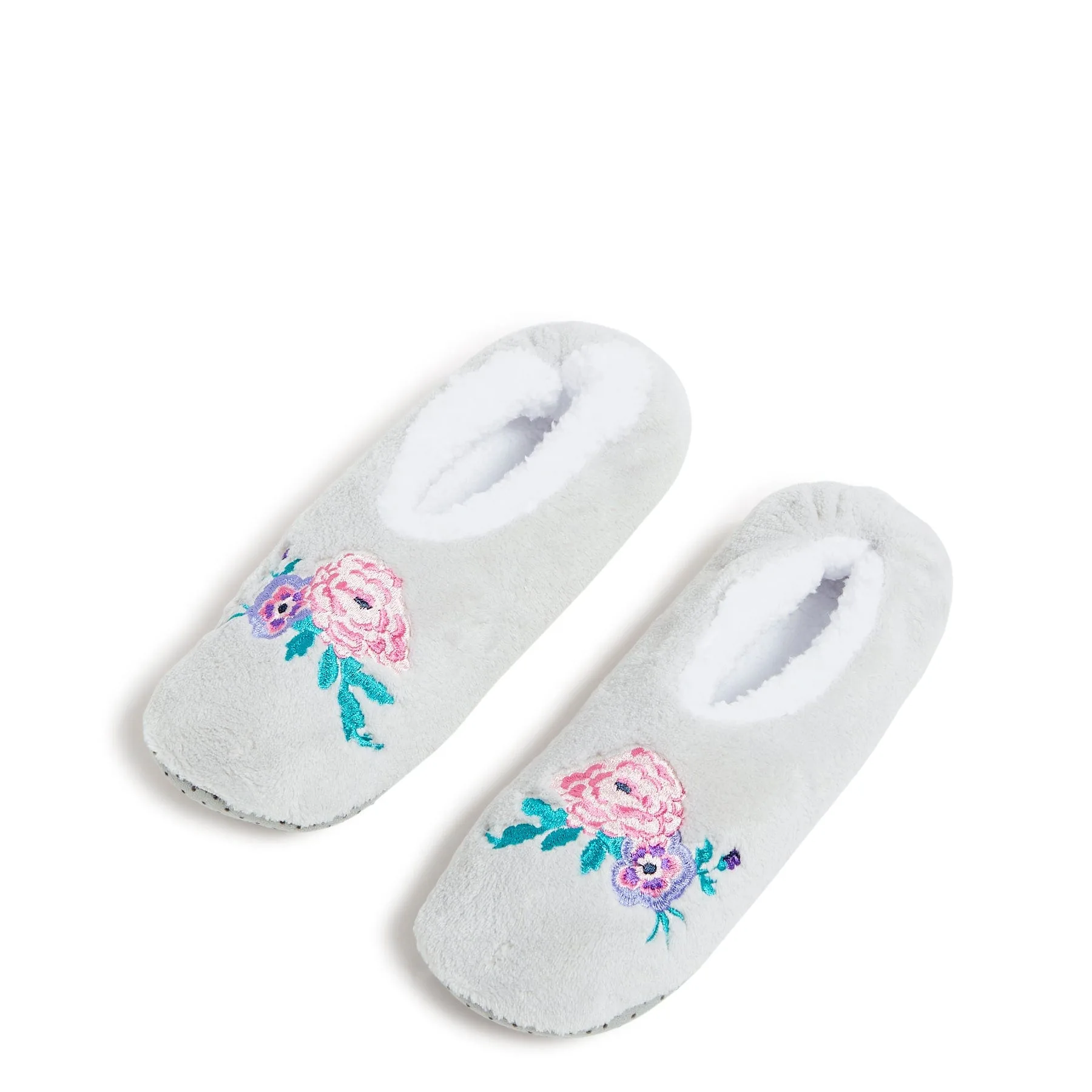
Cozy Life Slippers
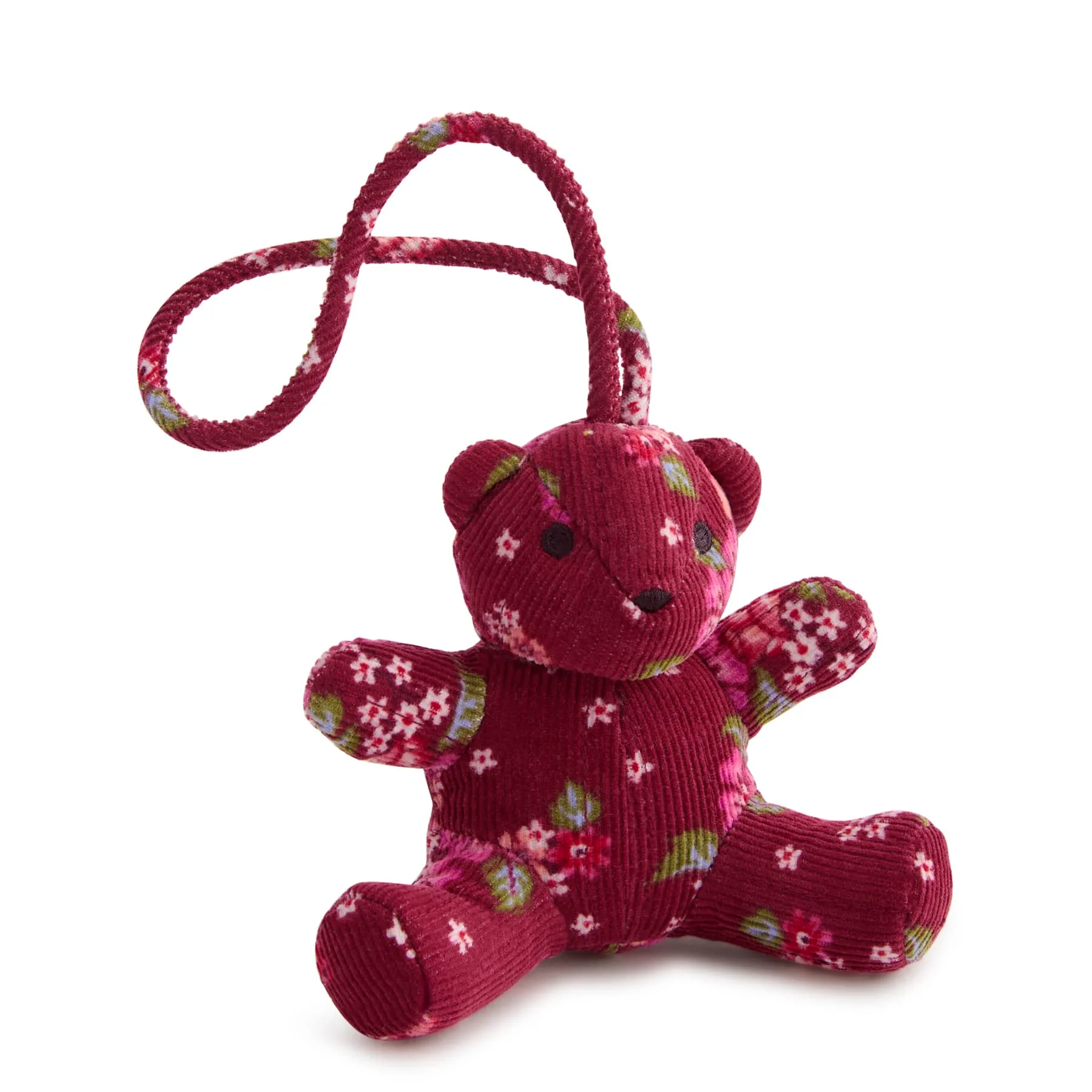
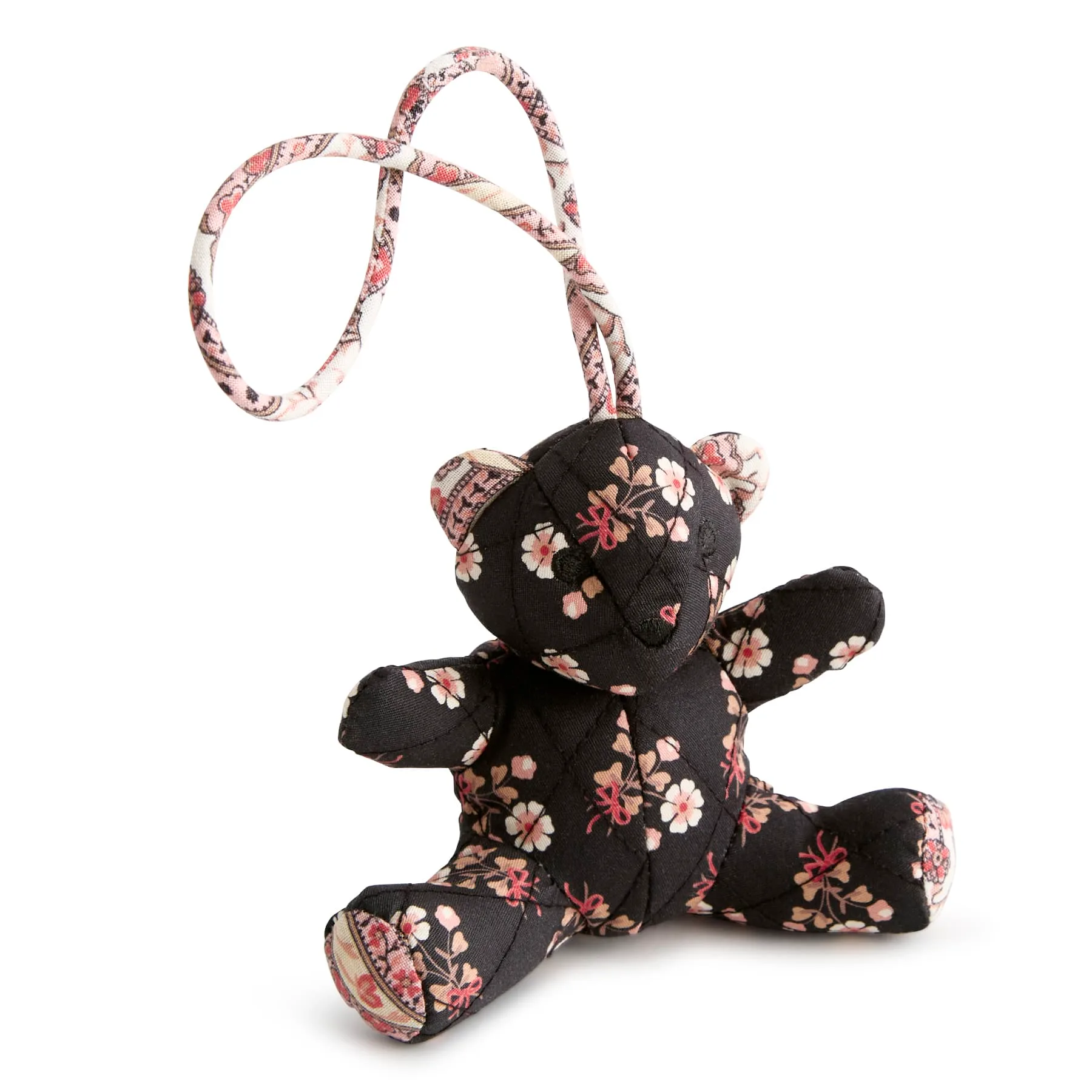
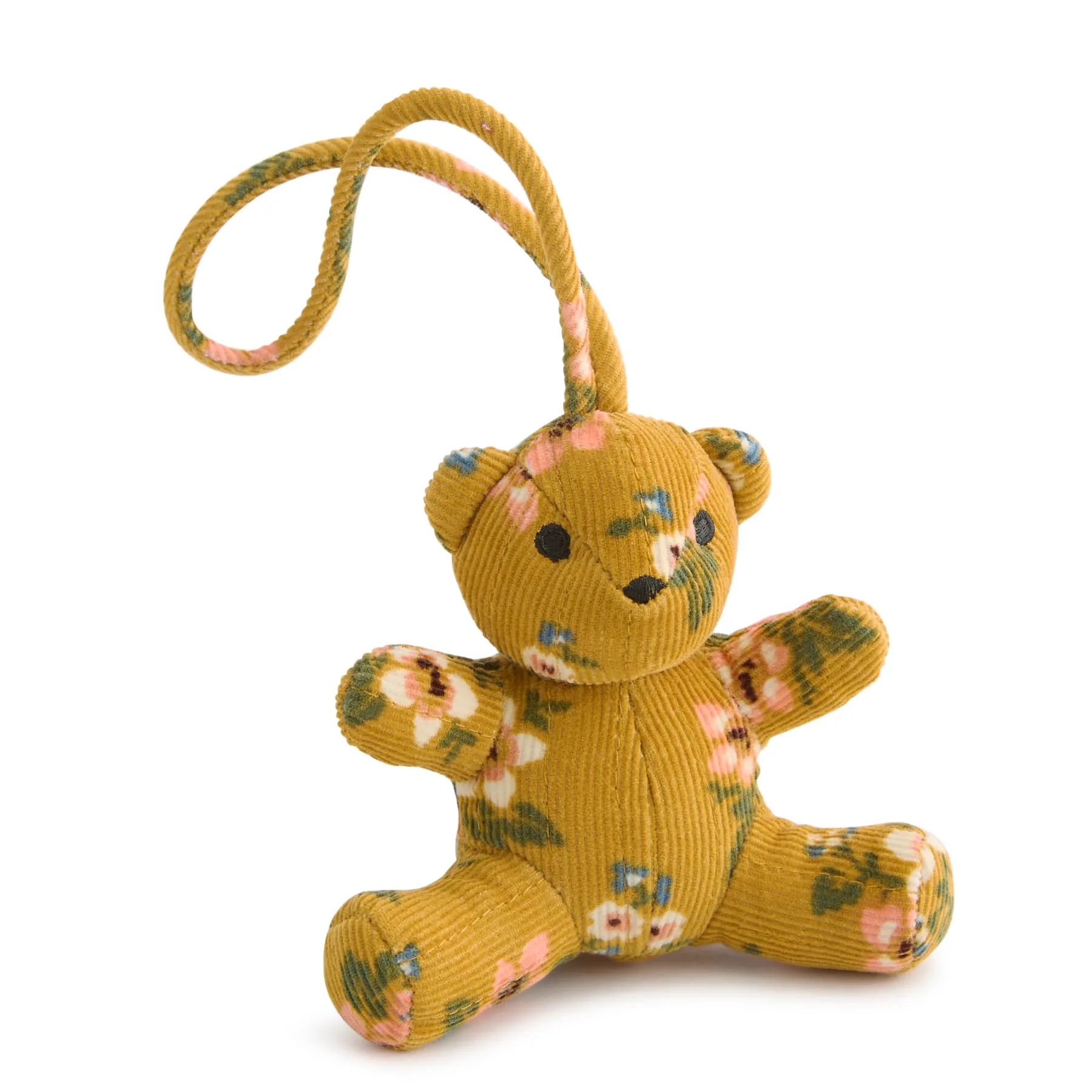
- Bitty Bear Bag Charm: https://verabradleyoutletex.com/products/bitty-bear-bag-charm-5566624254-1df83cdfa4f164e14a02ebdd-1640295Bitty Bear Bag Charm is crafted with fine details and has a cord loop, measuring 4.0" w x 3.75" h with a 6.0" strap drop. A cheerful accessory for your winter bag, adding a touch of joy while you focus on boot care.