Quick answer
Buy wired if you want zero latency, no charging, and the simplest path to home audio; buy wireless if you need portability and active features. The Focal Bathys MG Wireless Headphones give you premium wireless sound, while the Meze Audio 99 Classics V2 deliver a wired, serviceable design that can last for decades. If your priority is critical listening at home, wired is the more direct route; if you move around, wireless is the practical choice.
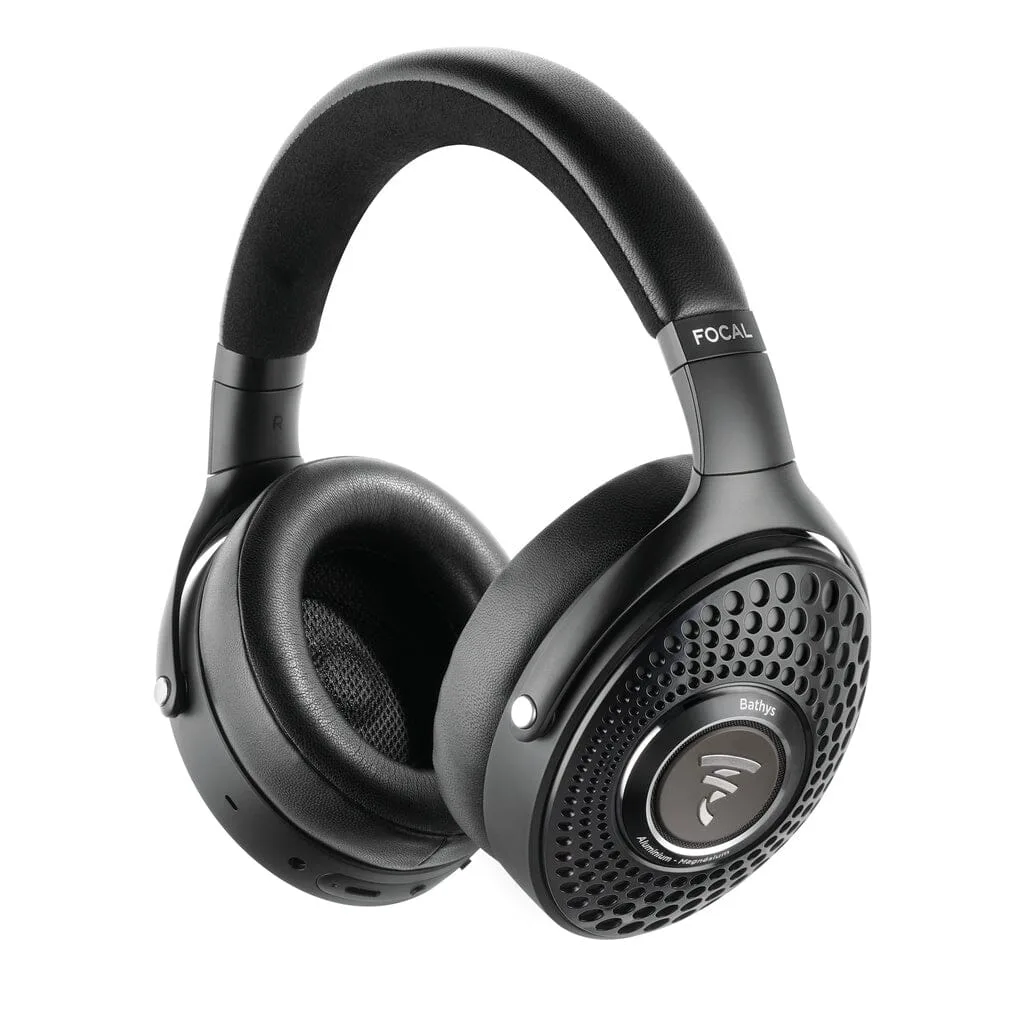
Focal Bathys
How wired and wireless actually differ
Wired headphones pass an analog signal straight from your source to the drivers, so there is no Bluetooth encoding, no battery, and no built-in amplifier to color the sound. Wireless headphones convert the audio to a digital Bluetooth stream, decode it inside the headphone, and amplify it there. That extra chain is why Bluetooth vs wired audio latency exists at all: wireless adds a small delay that matters for gaming, video editing, or watching lip-synced content. Wired avoids that delay entirely.
Wireless headphone sound quality has improved to the point where a premium model like the Focal Bathys MG can satisfy demanding listeners, but you are still relying on the internal DAC and amp rather than your own home audio gear. Wired headphones let you use the DAC and amp you already own, which is often the bigger upgrade. The trade-off is simple: wireless gives you freedom from cables and a built-in signal chain; wired gives you a direct connection and lets your home audio components do the work.
Latency, charging, and daily ownership
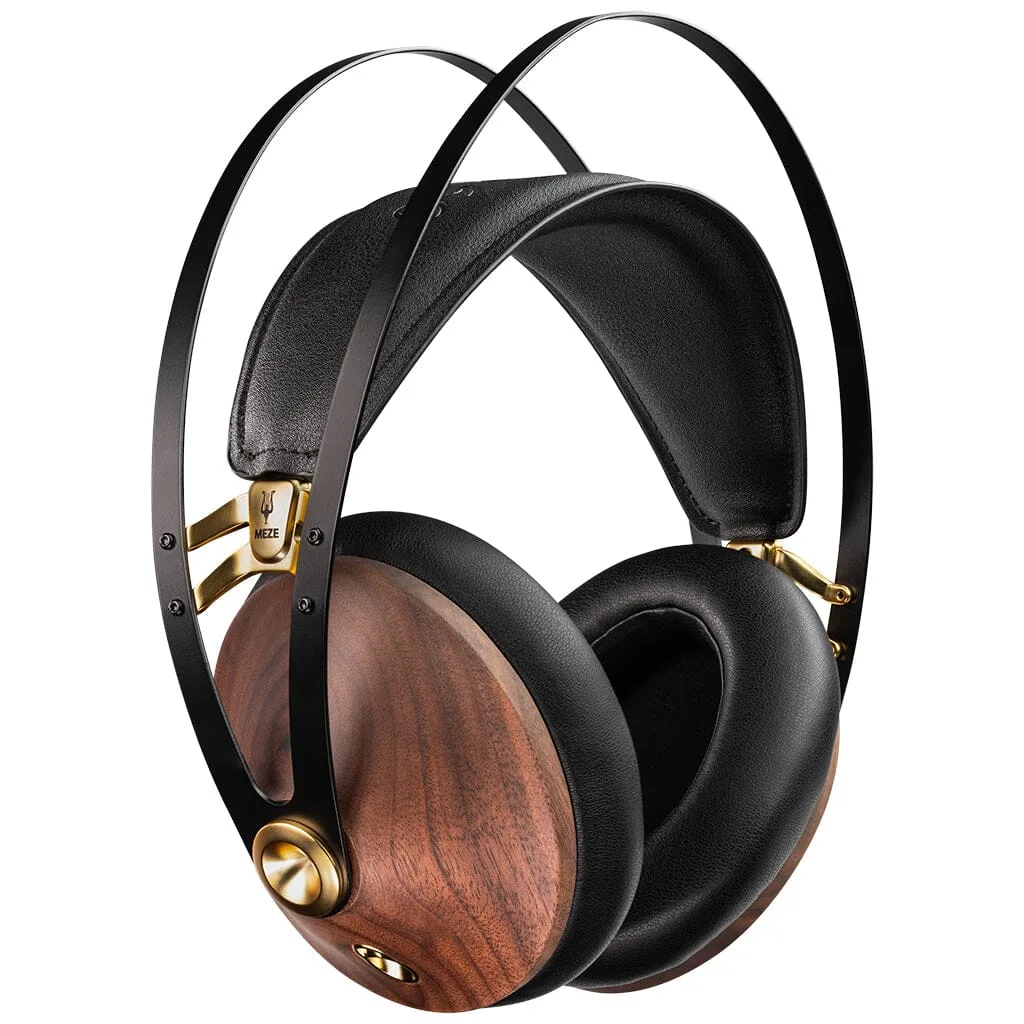
Bluetooth vs wired audio latency is not a minor spec. If you play rhythm games, record music, or edit video, the delay from wireless can make timing feel off. Wired headphones have effectively zero latency, so they stay in sync with the screen and your instrument. Wireless headphones also need charging, and battery age is a real long-term factor. A wired pair like the Meze Audio 99 Classics V2 has no battery to degrade and is built to be fully serviceable, which is why the catalog describes it as built to last for decades, not product cycles.
For commuting, travel, and taking calls, wireless is clearly more convenient. You can walk around, leave your phone on the desk, and use active noise cancellation or transparency modes. For a fixed desk or listening chair, wired is simpler: plug in and listen, no pairing menus, no firmware updates, no charging cable. Neither is universally better; the right answer depends on where and how you listen most.
Home audio and critical listening
If your goal is wired headphones for home audio, you likely already have a dedicated DAC and amplifier, or you plan to add one. Wired headphones connect directly to that chain, so the sound you hear is shaped by the gear you chose. The Meze Audio 99 Classics V2 fits this approach with a warm, musical tuning and a timeless walnut-wood design, and its full serviceability means you can keep it running for years. The Focal Bathys MG, by contrast, is a wireless headphone that also gives you Focal's signature audio technology in a portable package, but its internal electronics define the sound more than your desktop stack does.
For the best wireless headphones for critical listening, the Focal Bathys MG is the stronger candidate because it targets audiophiles and music enthusiasts with advanced wireless features. Still, if you want to swap amps, roll tubes, or compare DACs, wired is the format that lets you do that. Wireless is best when you want one self-contained system that sounds good everywhere, not when you want to tune every link in the chain.
In-ear options and what they change
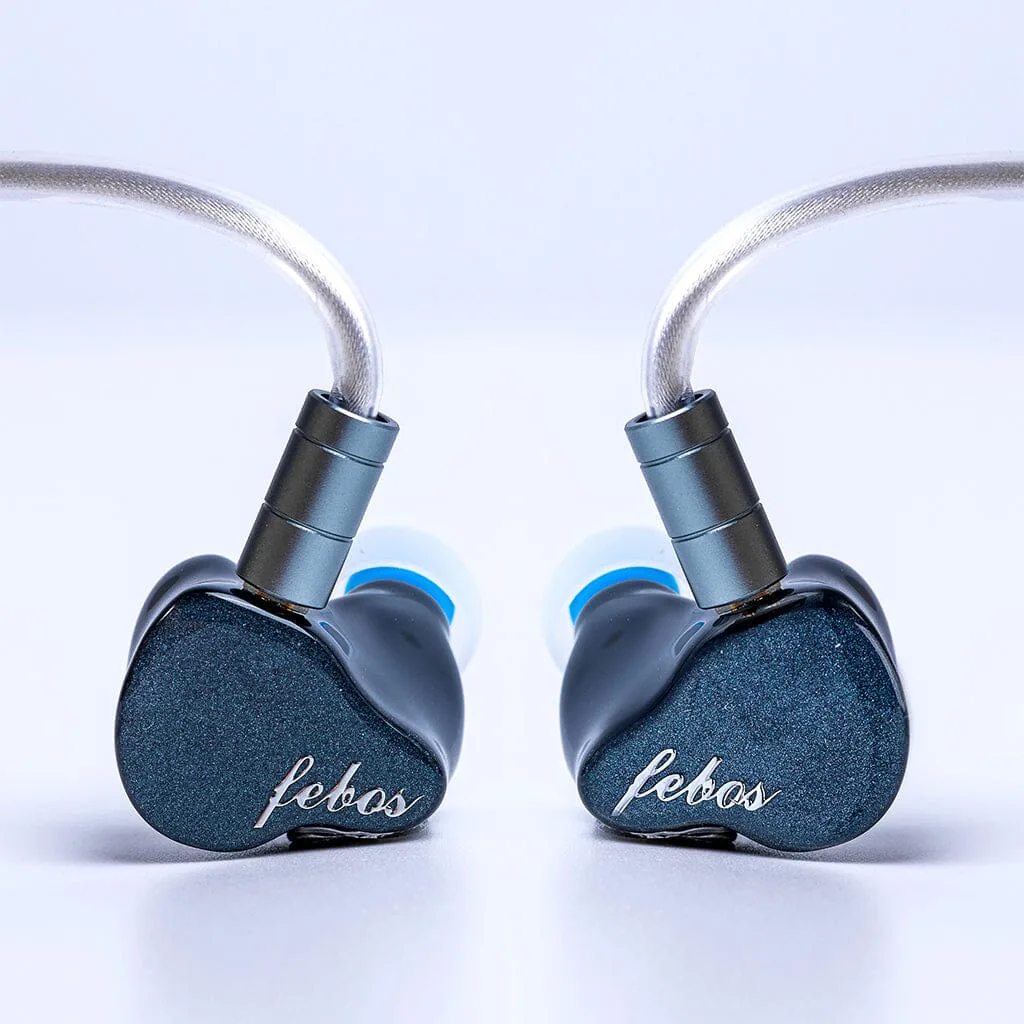
The wired-versus-wireless decision also applies to in-ears. The Hisenior Audio Mega5-EST In-Ear Headphones are a wired tribrid model that combines a dynamic driver, balanced armatures, and electrostatic tweeters, and they come with a 4.4mm cable by default. That 4.4mm balanced connection is a wired-only feature; it needs a compatible source or adapter and gives you a direct, low-latency signal. If you want that kind of driver complexity in a wired format, in-ears are often the more affordable path than full-size headphones.
On the wireless side, true-wireless earbuds are the ultimate convenience play, but they add battery limits and Bluetooth latency just like wireless headphones. The Symphonium Audio Crimson In-Ear Headphones - Open Box is another wired in-ear option with a replaceable cable, which matters if you want to swap terminations or replace a worn cable instead of the whole headphone. In every case, the wired models trade wireless freedom for a direct connection and longer service life.
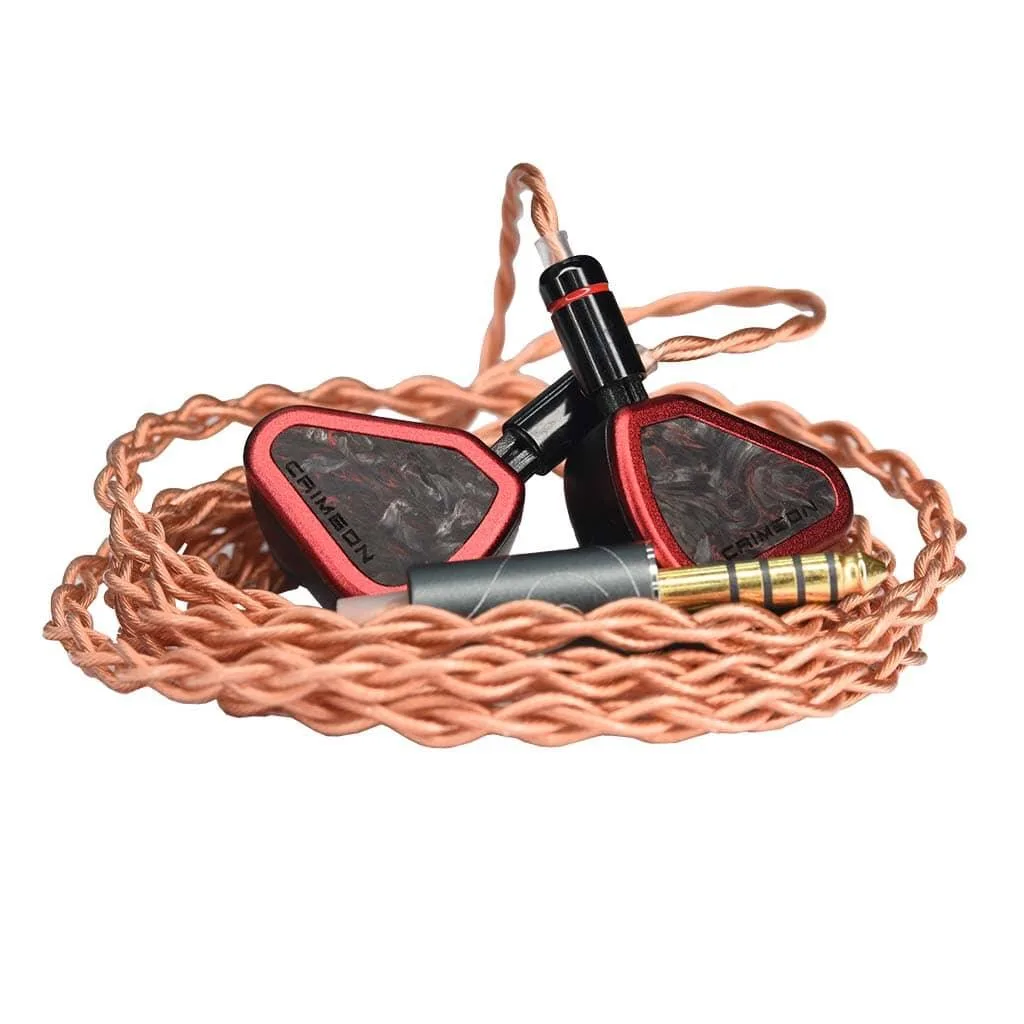
Symphonium Audio Crimson In-Ear Headphones
Trade-offs to weigh before you buy
- Latency and sync: Wireless adds Bluetooth encoding delay that can throw off gaming, recording, and video editing. Wired has effectively zero latency, so audio stays locked to the screen or your instrument. Choose wired if timing accuracy matters; choose wireless only if you can tolerate or compensate for the delay.
- Signal chain control: Wired headphones let you use your own DAC and amp, so you can upgrade the sound later. Wireless headphones use an internal DAC and amp, so the headphone defines the sound. If you already own or plan to buy a desktop stack, wired gives you more ways to improve the system.
- Battery and service life: Wireless headphones depend on a battery that ages and eventually needs service. Wired models like the Meze Audio 99 Classics V2 have no battery and are described as fully serviceable, built to last for decades. For a long-term purchase you plan to keep and repair, wired is the safer bet.
- Convenience and mobility: Wireless headphones let you move around, take calls, and use noise cancellation without a cable. Wired headphones tie you to your source and require a cable that can snag or wear out. If you listen while moving or commuting, wireless convenience usually outweighs the cable-free drawbacks.
Product facts that affect the choice
- Focal Bathys MG Wireless Headphones: Focal Bathys MG Wireless Headphones offer a luxurious listening experience designed for audiophiles and music enthusiasts, combining Focal's signature audio technology with advanced wireless features. This is the wireless option to pick when you want premium sound without a cable, but you accept the internal DAC, amp, and battery as part of the system.
- Meze Audio 99 Classics V2 Headphones: The Meze Audio 99 Classics V2 continues the original's warm, musical tuning and timeless walnut-wood design with a refined acoustic balance, improved comfort, and full serviceability, built to last for decades, not product cycles. A wired headphone with no battery and full serviceability is the lower-maintenance long-term choice for home audio and critical listening.
- Hisenior Audio Mega5-EST In-Ear Headphones: Hisenior Audio Mega5-EST In-Ear Headphones are a tribrid model combining a dynamic driver, balanced armatures, and electrostatic tweeters, and they come with a 4.4mm cable by default. The 4.4mm default cable signals a wired, balanced-ready design, so you need a compatible source or adapter and get zero Bluetooth latency in return.
- Symphonium Audio Crimson In-Ear Headphones - Open Box: Symphonium Audio Crimson In-Ear Headphones - Open Box is a wired in-ear monitor with a replaceable cable option. A replaceable cable extends the usable life of the headphone and lets you change terminations without replacing the whole pair.
Which should you buy?
Best for
- Listeners who want zero latency for gaming, recording, or video work
- Home audio users who already own a DAC and amp and want to use them
- Buyers who value long-term serviceability and no battery to replace
- Critical listeners who want to tune the signal chain themselves
Not for
- Commuters and travelers who need cable-free movement and noise cancellation
- Listeners who want one self-contained system with no extra gear
- Users who dislike cables and prefer the convenience of Bluetooth pairing
- Anyone who needs active features like transparency mode or built-in mics