Multivitamins are one of the most popular dietary supplements, and for good reason. They help fill nutritional gaps, support energy production, and provide a safety net for busy lifestyles. But not all multivitamins are created equal, especially when it comes to women's health. Hormonal changes, life stages, and unique nutrient needs mean that a one-size-fits-all approach rarely works.
In this guide, we'll break down the essential vitamins and minerals women should look for, explain how to read a supplement label, and offer practical tips for choosing a high-quality women's multivitamin that supports your health at every age.
Why Women Need a Multivitamin
Even with a balanced diet, it can be challenging to get all the nutrients your body needs every day. Factors like busy schedules, food preferences, soil depletion, and cooking methods can reduce the nutrient content of your meals. A multivitamin acts as a nutritional safety net, ensuring you meet your daily requirements for key vitamins and minerals.
For women, specific life stages—menstruation, pregnancy, breastfeeding, and menopause—create unique demands. For example, iron needs increase during reproductive years, while calcium and vitamin D become critical for bone health as estrogen levels decline. A well-formulated women's multivitamin is designed to address these changing needs.
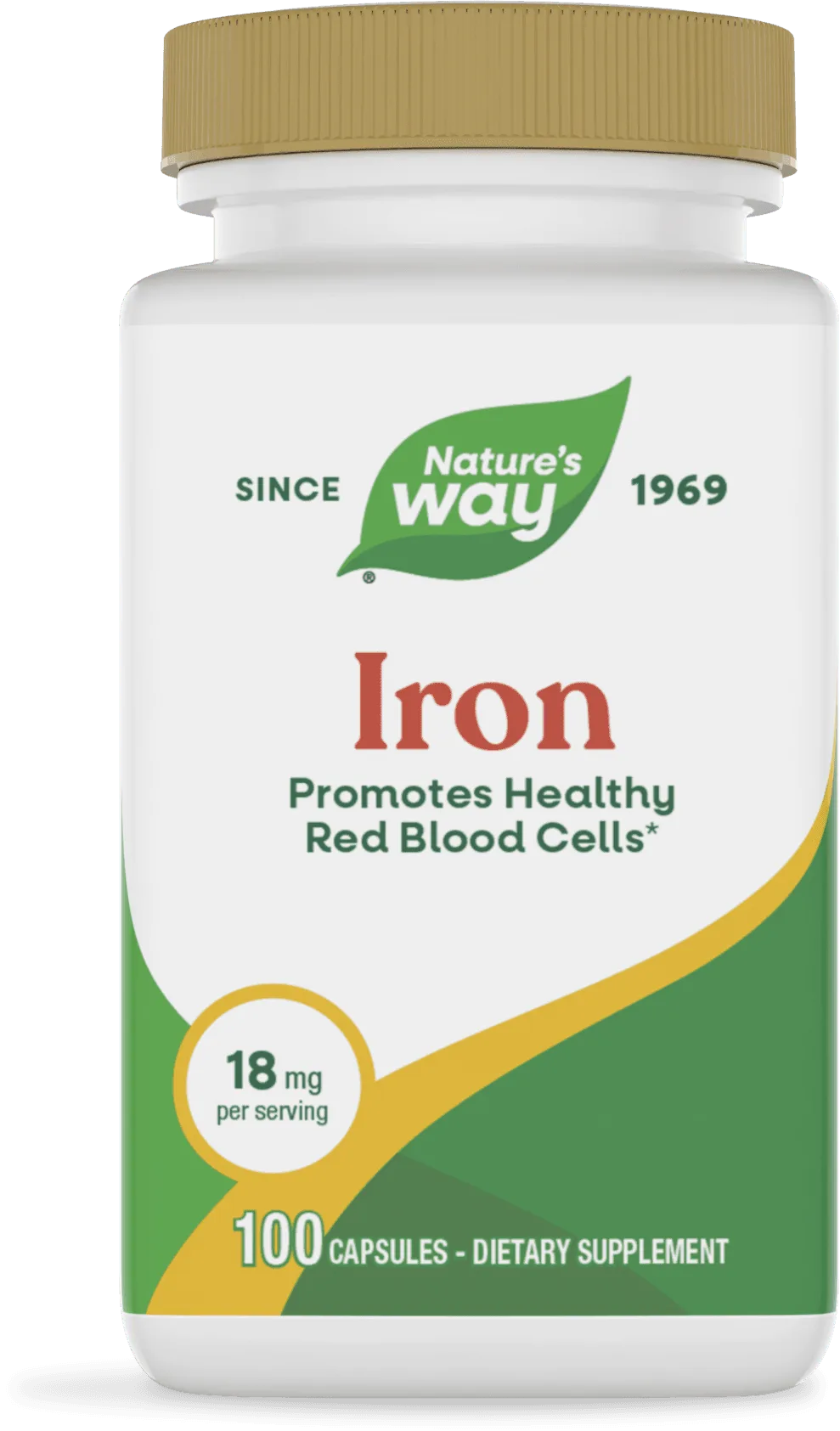
iron
- Supports energy metabolism and reduces fatigue
- Helps maintain strong bones and immune function
- Fills gaps in a diet that may lack certain nutrients
Key Nutrients to Look For in a Women's Multivitamin
When choosing a multivitamin for women, focus on these essential nutrients: iron, calcium, vitamin D, magnesium, B vitamins (especially folate and B12), and vitamin C. Iron supports healthy blood and energy, while calcium and vitamin D work together for bone strength. B vitamins are crucial for energy production and cognitive function, and vitamin C supports immunity and skin health.
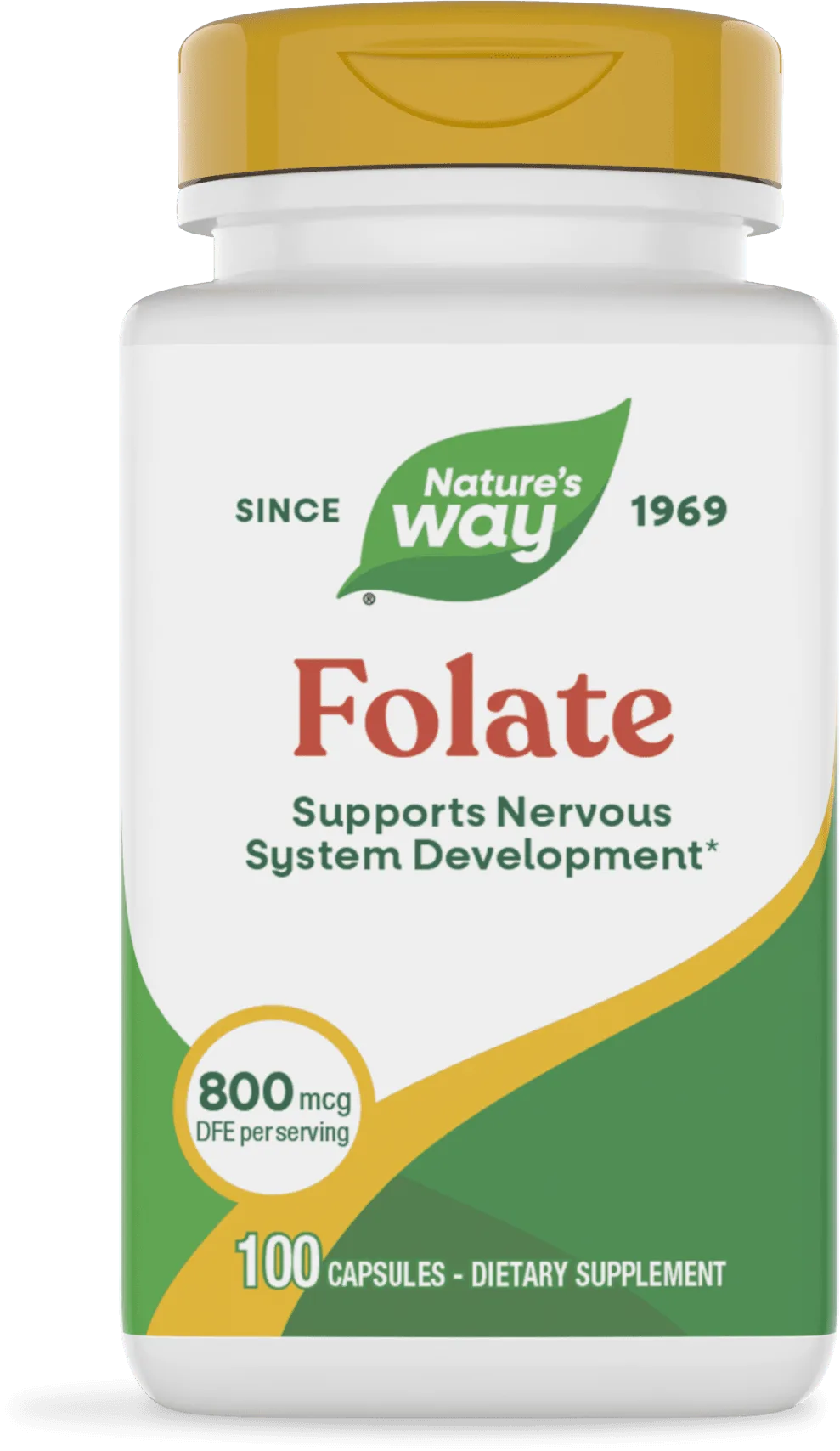
folate
Some women may also benefit from additional ingredients like vitamin K2 for bone health, or adaptogens like ashwagandha for stress support. However, it's important to avoid megadoses of fat-soluble vitamins (A, D, E, K) unless advised by a healthcare provider, as they can accumulate in the body.
- Iron: 18 mg for premenopausal women, but check if you're postmenopausal
- Calcium: 500-1000 mg, often split into smaller doses for absorption
- Vitamin D: 600-800 IU, or more if you have a deficiency
- Folate: 400-800 mcg, especially if you're planning a pregnancy
Understanding Multivitamin Labels and Forms
Reading a supplement label can be overwhelming, but it's essential for making an informed choice. Look for the % Daily Value (%DV) to see how much of each nutrient you're getting. Also, check the form of the nutrients—for example, methylated B vitamins (like methylfolate) are more bioavailable for many people, and chelated minerals (like magnesium glycinate) are better absorbed than oxide forms.
Consider the delivery form as well. Tablets, capsules, gummies, and liquids each have pros and cons. Gummies are convenient but often contain added sugars and may lack certain nutrients. Capsules are easy to swallow and generally well-absorbed. If you have difficulty swallowing pills, look for chewable options or smaller tablets.
- Opt for methylated B12 and folate for better absorption
- Choose a form that fits your lifestyle and preferences
- Avoid multivitamins with excessive fillers, artificial colors, or added sugars
Quality and Safety Considerations
Not all multivitamins are manufactured to the same standards. Look for products that are third-party tested for purity and potency, such as those with USP, NSF, or ConsumerLab certifications. These certifications indicate that the product contains what the label claims and is free from harmful contaminants.
Also, check the expiration date and storage instructions. Vitamins can degrade over time, especially when exposed to heat and moisture. Store your multivitamin in a cool, dry place and avoid keeping it in the bathroom or near the stove.
- Look for third-party testing seals on the label
- Avoid products with proprietary blends that hide ingredient amounts
- Consult your healthcare provider before starting any new supplement, especially if you're pregnant, nursing, or taking medication
How to Choose the Right Multivitamin for Your Life Stage
Your nutritional needs change throughout life. In your 20s and 30s, focus on iron and folate, especially if you're considering pregnancy. In your 40s and 50s, prioritize calcium, vitamin D, and magnesium for bone and heart health. After menopause, you may need less iron but more vitamin B12 and vitamin D.
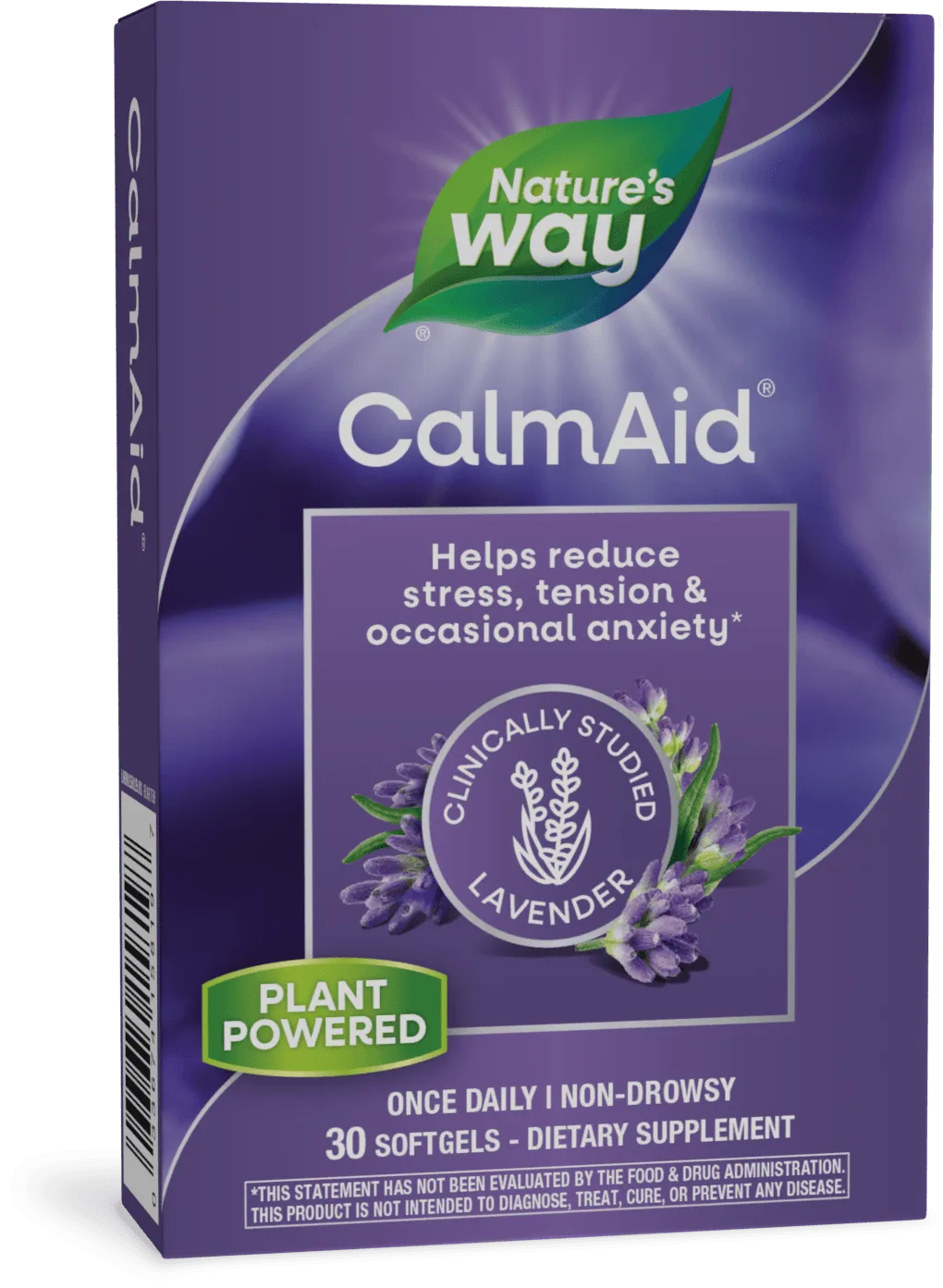
If you have specific health concerns, such as low energy or stress, look for a multivitamin that includes additional supportive ingredients like CoQ10 for cellular energy or https://natureswaybx.com/products/calmaid-384751CalmAid® for stress relief. However, always check for potential interactions with medications and discuss with your doctor.
- Premenopausal women: ensure adequate iron and folate
- Perimenopausal and menopausal women: boost calcium and vitamin D
- Active women: consider B vitamins and magnesium for muscle function
Top Ingredients to Support Women's Health
Beyond the basics, certain ingredients can offer extra benefits. For example, berberine with cinnamon may support healthy blood sugar levels, which is important for women with PCOS or metabolic concerns. Tart cherry ultra chewables can help with post-workout recovery and sleep. And for brain health, phosphatidylserine may support cognitive function and memory.
When choosing a multivitamin, consider whether you need these additional support ingredients or if you prefer to take them separately. Some women find it easier to take a comprehensive multivitamin plus targeted supplements for specific concerns.
- Berberine with Cinnamon: supports glucose metabolism
- Tart Cherry Ultra Chewables: aids muscle recovery and sleep
- Phosphatidylserine: promotes memory and focus
Choosing the right multivitamin is a personal decision that depends on your age, health goals, and lifestyle. Focus on quality, key nutrients, and a form that you'll take consistently. For a trusted option, consider exploring the women's multivitamin selection at Nature's Way, which includes high-quality formulas designed to support your health at every stage.