Quick answer
You can use a soldering iron for simple wood burning, but it is not a direct replacement for a wood burning tool set. A soldering iron heats fast and reaches high temperatures, yet it lacks the specialized tips and heat control that pyrography demands. For occasional lines on softwood, a soldering iron works. For consistent shading, fine detail, or repeated use, a dedicated wood burning tool set is the better investment.
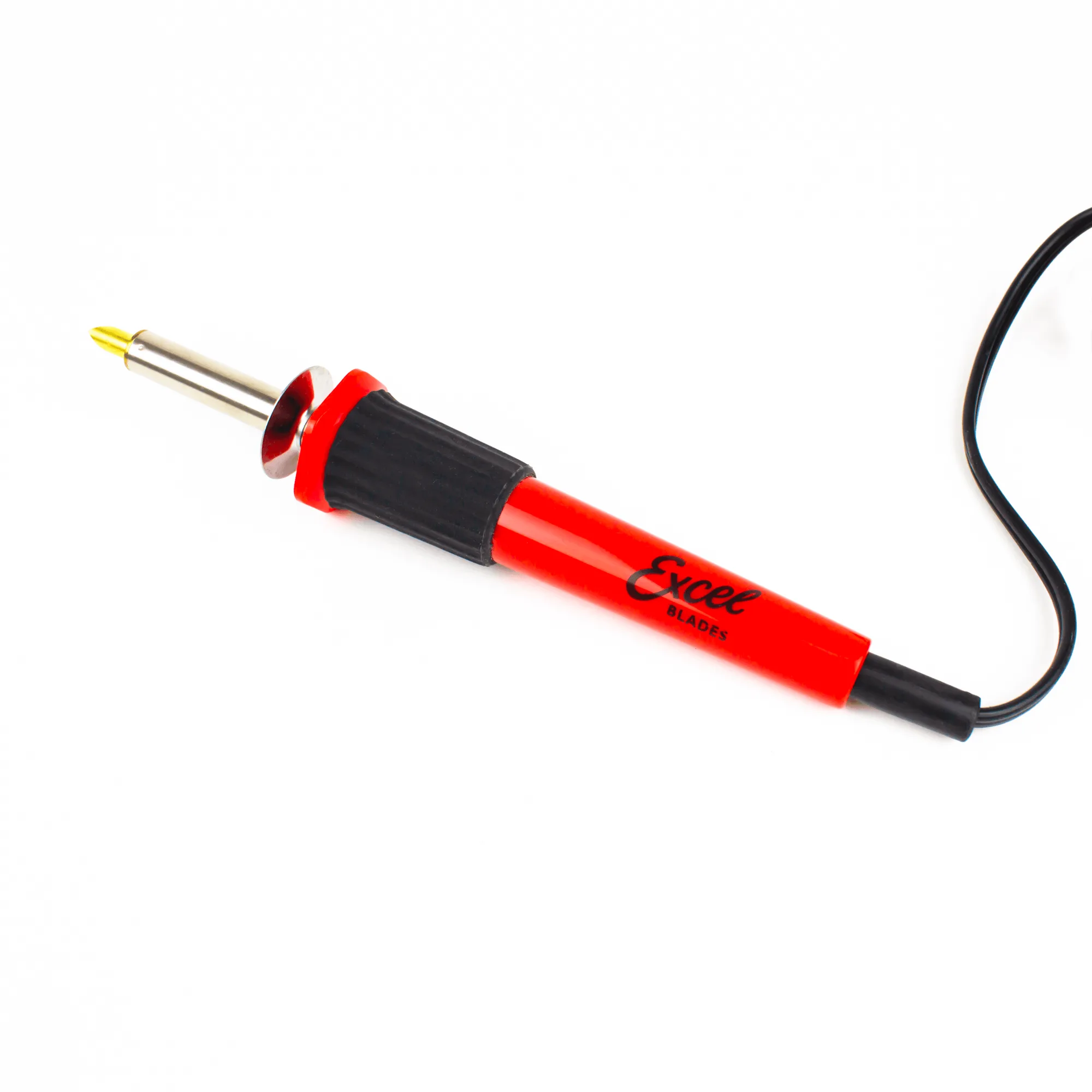
wood burning tool set
If you already own a soldering iron, you might wonder whether you can skip buying a wood burning tool set. The short answer is yes, with caveats. Both tools use a heated metal tip to scorch wood, but they are engineered for different jobs. A soldering iron is built to melt solder and transfer heat to metal joints. A wood burning tool is built to hold precise temperatures and offer tips shaped for drawing, shading, and texturing wood.
This comparison breaks down where each tool excels, where it falls short, and how to decide based on the projects you actually make. We will also cover practical alternatives and supporting tools that make either approach work better.
How a wood burning tool set differs from a soldering iron
A wood burning tool set typically includes a handle, a range of interchangeable tips (such as fine points, flat shaders, and chisel tips), and sometimes a temperature control dial. The tips are designed to glide across wood grain, and the handle stays cool enough for extended drawing. A soldering iron usually comes with a single conical or chisel tip meant for electronics. It heats to a fixed or adjustable temperature, but the tip shape is not ideal for the flowing strokes of pyrography.
The biggest practical difference is heat recovery. Wood burning pulls heat out of the tip constantly as it touches the wood. A dedicated wood burning tool is built to recover that heat quickly, so your lines stay consistent. A soldering iron may struggle to maintain temperature during long shading passes, leading to uneven burns.
- Check whether the soldering iron has adjustable temperature; fixed-temperature models are harder to control for wood.
- Look for a wood burning tool set that includes at least a fine point and a flat shader tip.
When a soldering iron works for wood burning
For quick marks, outlines, or small craft projects on softwoods like pine or basswood, a soldering iron can get the job done. The high heat scorches wood quickly, so you can create dark lines with light pressure. If you already own a soldering iron with a clean, well-tinned tip, you can experiment without buying anything new. Just be aware that the tip shape limits you to mostly straight or slightly curved lines.
One risk is that soldering irons often run hotter than wood burning tools, which can cause accidental deep burns or flare-ups if you pause too long in one spot. Practice on scrap wood first to learn the timing. Also, never use the same tip for soldering and wood burning without cleaning it thoroughly; resin and char will contaminate solder joints.
- Use a lower temperature setting if your soldering iron allows it; start around 300–350°C (570–660°F) and adjust.
- Keep a brass sponge or damp sponge nearby to wipe the tip often.
When you need a dedicated wood burning tool set
If you plan to add shading, texture, or fine detail, a wood burning tool set is worth the investment. Interchangeable tips let you switch from a fine line to a broad shade without waiting for the tool to cool completely (depending on the system). Temperature control helps you match the heat to the wood species and the effect you want. Hardwoods like oak or walnut need more heat than softwoods, and a dedicated tool handles that range better.
A wood burning tool set also tends to have a more ergonomic handle for drawing, reducing hand fatigue during long sessions. If you sell your work or burn regularly, the consistency and tip variety will pay off quickly.
- Look for a set with a stand or rest to safely park the hot tool between strokes.
- Consider a set with a dial rather than preset temperatures for more control.
Supporting tools that improve either method
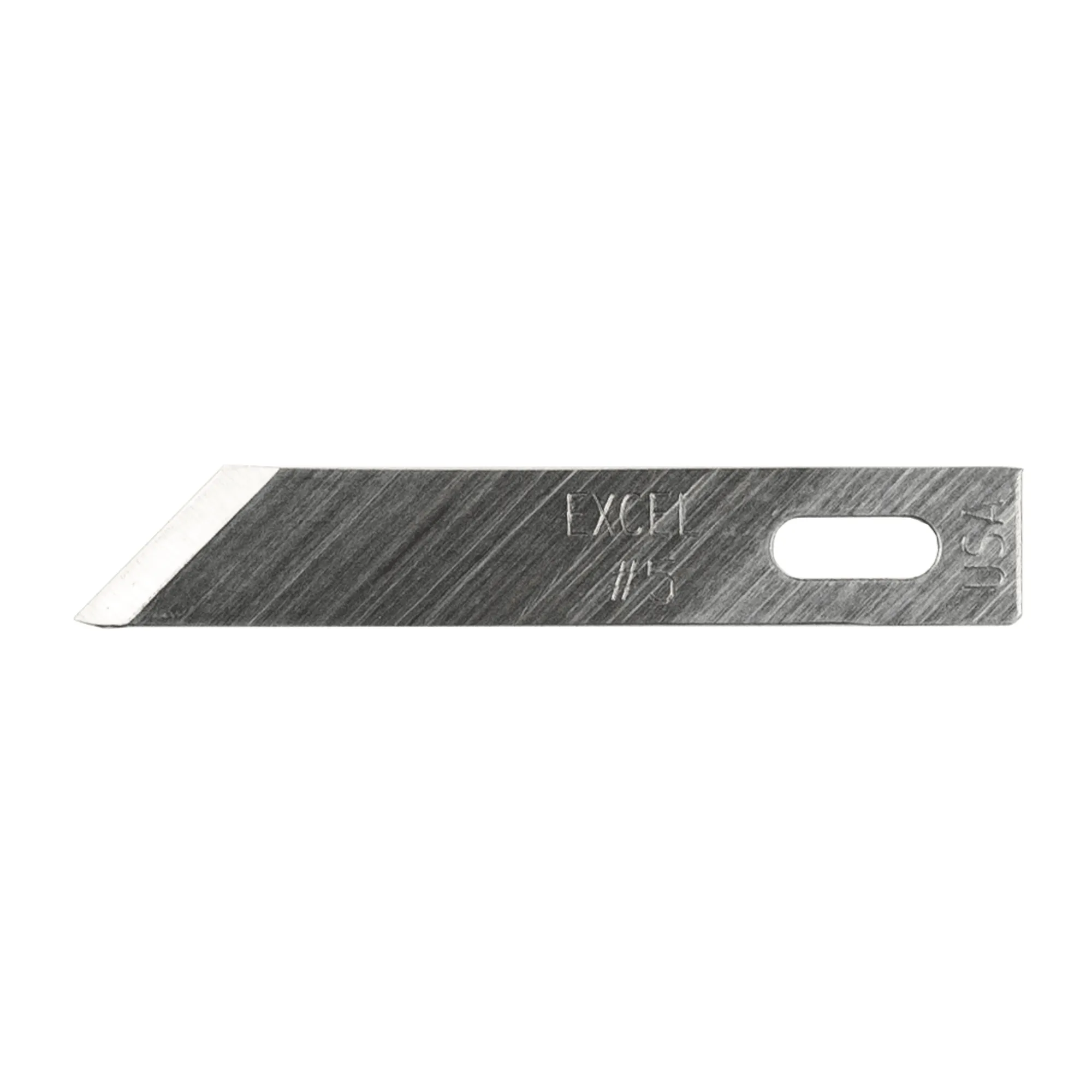
Whether you use a soldering iron or a wood burning tool, clean cuts and precise placement matter. For trimming transfer patterns or cleaning up edges, a sharp blade helps. The Excel Blades #5 Angled Chisel Blade is a carbon steel replacement blade used for removing layers, shaping materials, and light chiseling. Its angled edge gives you more control than a traditional chisel blade when you need to pare away small areas or clean up a burn line.
#5 Angled Chisel Blade
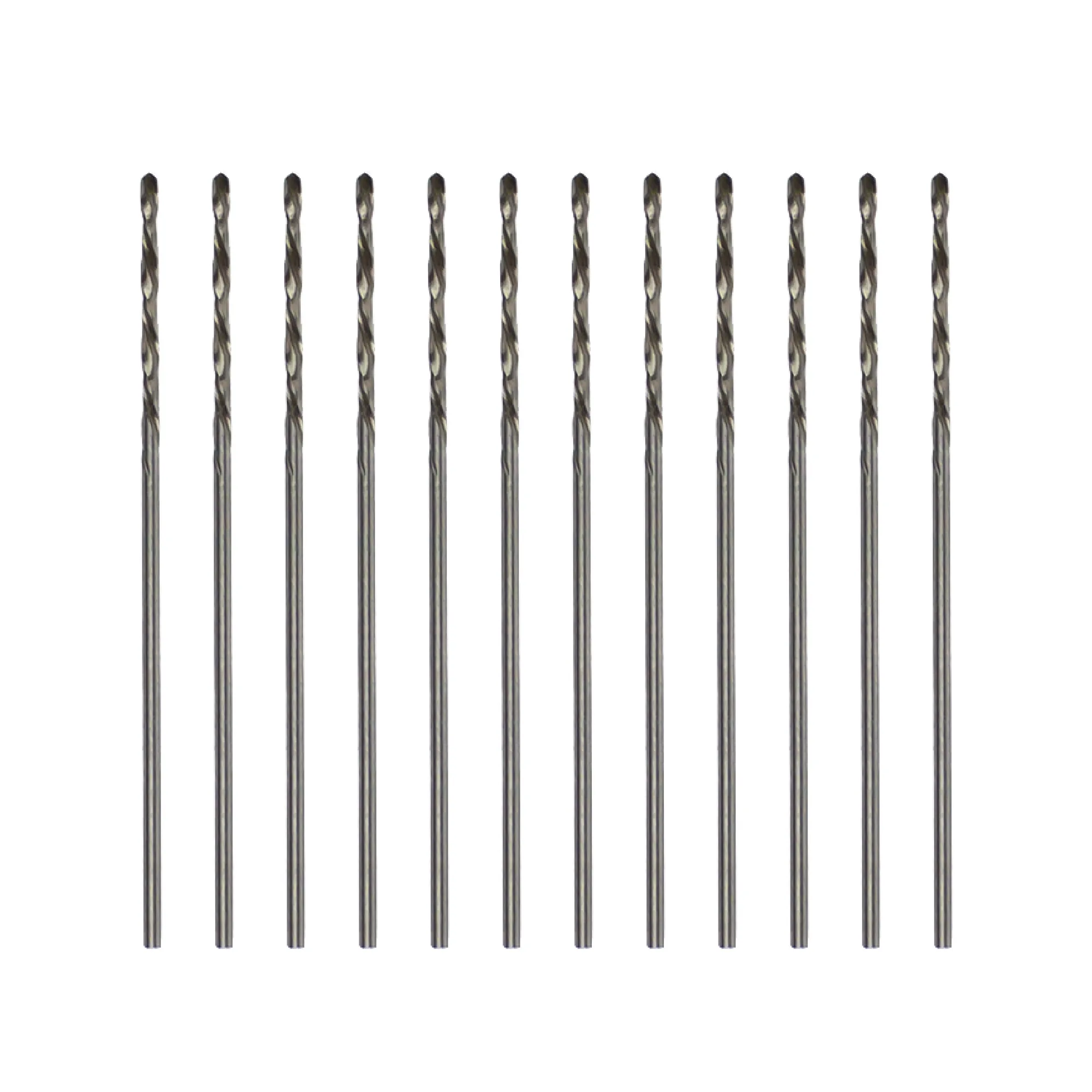
For intricate pyrography patterns, you may need to drill tiny pilot holes for hanging or mounting. The Excel Blades Drills #66 is a 12-piece set of micro twist drill bits made from high-speed steel, designed for delicate crafting tasks with consistent high-speed performance. These bits are useful for jewelry, modeling, and fine woodwork where standard drill bits are too large.
- Always unplug your burning tool before changing tips or blades.
- Store blades in a safe container to avoid cuts.
Trade-offs: wood burning tool set vs soldering iron
- Heat control: A wood burning tool set usually offers adjustable temperature dials or presets, while many soldering irons have fixed or less precise control. If your projects need consistent shading, choose a wood burning tool set.
- Tip variety: Wood burning sets include multiple tip shapes for lines, shading, and texturing. Soldering irons typically have one conical or chisel tip. For detail work, interchangeable tips are a significant advantage.
- Cost and access: If you already own a soldering iron, the cost of trying wood burning is zero. A dedicated set is an added expense but improves results. Start with what you have, then upgrade if you get serious.
- Durability and recovery: Wood burning tools are built to recover heat quickly during continuous use. Soldering irons may lose temperature during long shading passes. For large shaded areas, a dedicated tool maintains consistent burns.
Product facts that matter for this comparison
- #5 Angled Chisel Blade: #5 Angled Chisel Replacement Blade is a carbon steel blade available in a 5-pack, used for removing layers, shaping materials, and light chiseling. It is coated with a thin layer of oil for rust protection. A sharp, angled blade lets you clean up wood burning lines or trim patterns precisely, which is harder to do with a dull craft knife.
- Drills #66: Excel Blades Drill Bits #66 (12-Piece Set) are precision-engineered micro bits made from durable high-speed steel, intended for delicate crafting tasks with consistent high-speed performance in crafts, modeling, and jewelry. These micro bits let you drill small holes for hanging or inserting inserts without splitting thin wood, a common need in pyrography projects.
Which should you choose?
Best for
- Crafters who already own a soldering iron and want to try simple wood burning on softwoods.
- Occasional projects like marking tool handles or creating quick outlines.
Not for
- Artists who need fine detail, shading, or consistent results across hardwoods.
- Anyone burning regularly or selling pyrography work.
A soldering iron can handle basic wood burning in a pinch, but a dedicated wood burning tool set gives you the control and tip variety that pyrography demands. If you are serious about the craft, invest in a proper set. Either way, keep a sharp blade like the #5 Angled Chisel Blade and micro drill bits like Drills #66 on hand to support your projects.