Quick answer
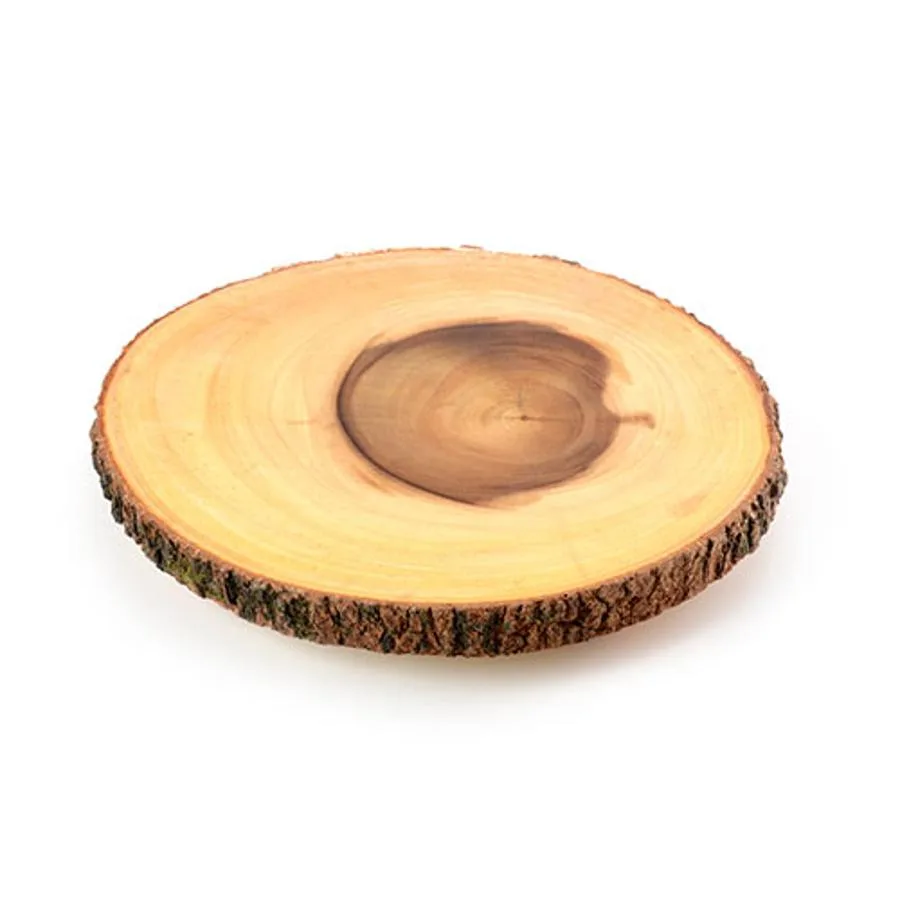
Most wood serving board myths come from treating every board the same. Acacia servers such as the Acacia 10-12in. Tree Bark Server and Acacia Footed Server are handcrafted wood pieces meant for serving cheese, crackers, and hors d'oeuvres, not for heavy butchery. Clean them promptly, dry them fully, and oil only when the wood looks dry rather than on a strict calendar.
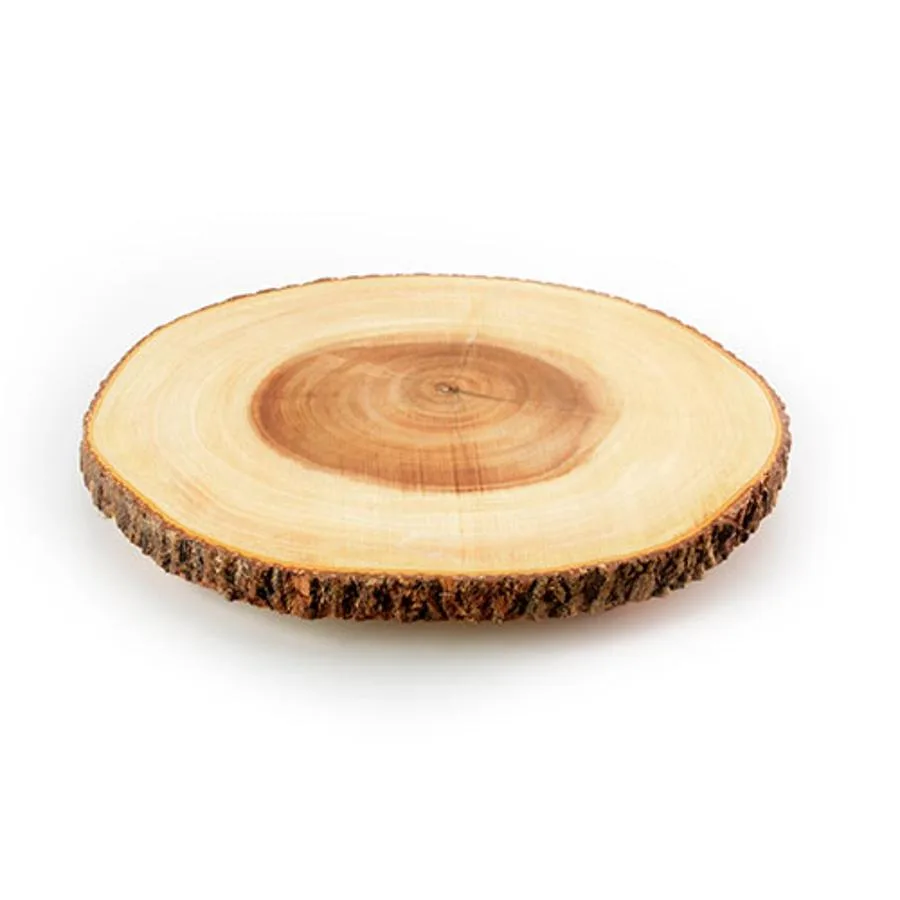
Acacia Footed Server
Wood serving boards attract more folklore than almost any other kitchen item. Some of it is useful, some of it is outdated, and some of it simply does not apply to the board you actually own. The confusion matters because the wrong habit can dull the finish on a handcrafted acacia server or shorten its life.
This article walks through the claims you are most likely to hear, gives each one a clear verdict, and explains the reasoning using only what the product catalog tells us. Where a detail is not supplied, such as a specific oil recommendation or a warranty term, that is a decision limitation rather than a fact to guess at.
Myth: Every wood board needs the same care routine
This is the root myth behind most of the others. A thick hardwood butcher block and a slim acacia serving piece are both wood, but they are used differently. The Acacia 10-12in. Tree Bark Server is described as handcrafted acacia wood for serving cheese, crackers, and hors d'oeuvres, which means it sees light, dry foods rather than daily knife work.
The Acacia Footed Server follows the same pattern: handcrafted acacia wood with a rustic and contemporary look, intended for serving rather than prep. Because neither product record lists a thickness rating, a juice groove, or a warranty against knife marks, you should not assume heavy-chopping durability. Treat them as serving pieces and the care question becomes much simpler.
- Match your care habits to how the board is actually used, not to a generic wood-care rule.
- If a specification is not listed for your board, do not assume it.
Myth: You must oil a wood board every month
A fixed monthly oiling schedule is one of the most repeated oiling wood board myths. Oil is not a maintenance ritual that improves with frequency; it is a response to wood that looks or feels dry. Over-oiling a handcrafted acacia server can leave a tacky surface that collects dust and lint between uses.
The supplied catalog facts do not name a recommended oil, a frequency, or a manufacturer oiling schedule for either acacia server. That absence is real information: without a stated recommendation, the safer approach is to oil lightly and rarely, and to test on a small area first. If the wood looks evenly rich and feels smooth, there is nothing to fix.
- Oil when the surface looks dry, not because a month has passed.
- Apply thin layers and wipe off excess rather than soaking the wood.
Myth: Wood boards are unsafe for serving food
Wood server food safety myths often swing to one extreme or the other. The practical position is simpler: a clean, dry, well-kept wood surface is a normal choice for serving. Both acacia servers in the catalog are explicitly described as perfect for serving cheese, crackers, and hors d'oeuvres, which is exactly the light, dry use case wood handles well.
What the catalog does not provide is any antimicrobial claim, sealant specification, or food-contact certification language. So do not repeat claims that wood kills bacteria or that a particular finish makes the board sterile. Instead, rely on the habits that are actually within your control: serve dry or low-moisture foods, avoid leaving wet items sitting on the surface, and clean promptly after use.
- Serve cheese, crackers, and hors d'oeuvres rather than wet, saucy foods.
- Do not leave cut fruit or damp items sitting on the board for hours.
Myth: You should soak or dishwasher-clean a wood server
Wood board cleaning myths cause more damage than almost any other advice. Soaking and dishwashing both drive water into wood, and neither product record lists the acacia servers as dishwasher safe. Since no such claim appears, you should not assume it. Hand washing is the conservative choice for a handcrafted wood piece.
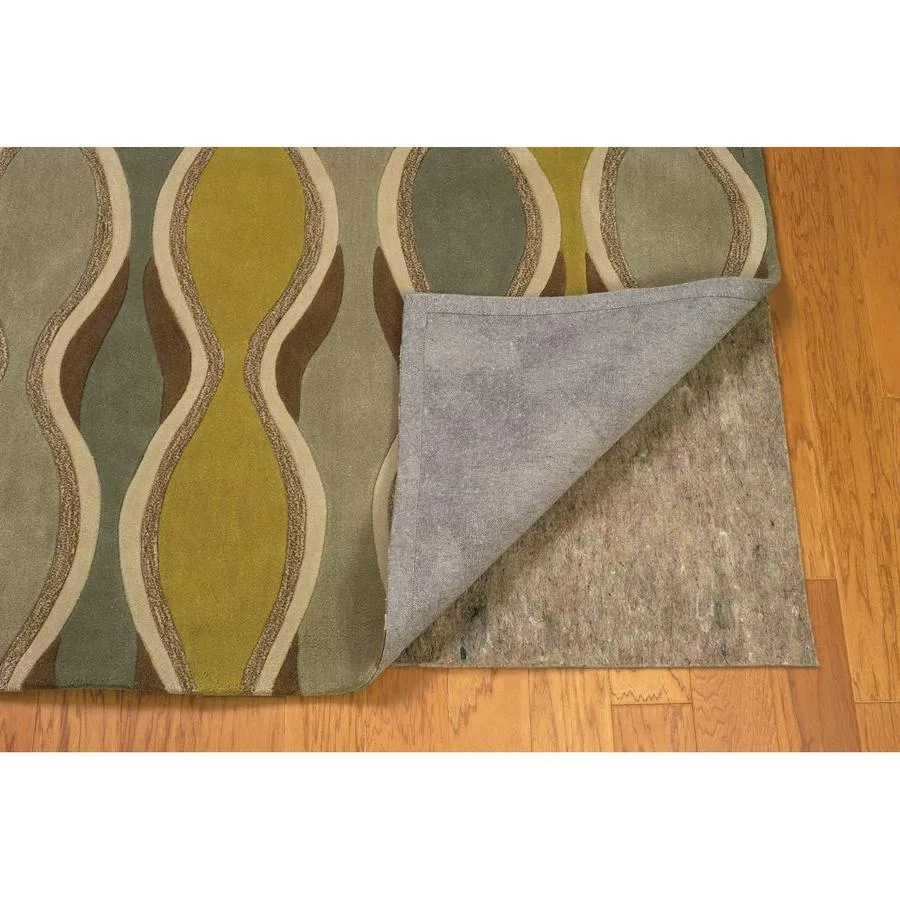
The Linon Home Decor Underlay Premier Plush Grey Rug Pad in the catalog offers a useful contrast in care expectations. Its stated care instruction is spot cleaning, and it carries a limited manufacturer's warranty. That is a reminder that different home goods come with different stated care limits, and you should follow the care language that actually ships with your item rather than a blanket rule from the internet.
- Wash wood servers by hand and dry them immediately.
- Never assume dishwasher safety when the product record does not state it.
Myth: A good board never needs replacing or repairing
Durability claims get inflated fast. The acacia servers are described as handcrafted, and the tree bark server is noted as bringing a rustic and contemporary look to the home. Handcrafted wood is a look and a material story, not a guarantee of indefinite performance, and no lifespan figure is supplied for either piece.
Practical judgment fills the gap. If a server develops a rough patch, a deep stain, or a persistent odor that cleaning does not resolve, that is your signal to retire it from food service or repurpose it as decor. The Kurt S. Adler 19in. Hollywood Suite Nutcracker shows how a wood decorative piece can be valued purely for display, which is a reasonable second life for a worn server.
- Retire a board from food use when cleaning no longer resolves stains or odor.
- Repurpose a worn server as decor rather than forcing it back into service.
Myth verdicts at a glance
- All wood boards need identical care: Serving boards and butcher blocks are used differently. The acacia servers are listed for cheese, crackers, and hors d'oeuvres, not heavy chopping. Verdict: myth. Match care to actual use.
- Oil every month without fail: No oil type or schedule is supplied for either acacia server. Oil is a response to dry-looking wood, not a calendar obligation. Verdict: myth. Oil lightly and only when needed.
- Wood boards are unsafe for food: Both acacia servers are described as perfect for serving cheese, crackers, and hors d'oeuvres. No antimicrobial or certification claim is supplied. Verdict: overstated. Clean, dry, and serve low-moisture foods.
- Soak or dishwash wood servers: Neither acacia server record lists dishwasher safety. The rug pad record shows care instructions are product-specific and should be followed as written. Verdict: myth. Hand wash and dry immediately.
- A good board lasts forever: No lifespan is supplied for the handcrafted acacia servers. Rough patches, deep stains, or lingering odor are practical retirement signals. Verdict: myth. Inspect and repurpose when needed.
Catalog facts that settle the debate
- Acacia 10-12in. Tree Bark Server: Handcrafted acacia wood server described as perfect for serving cheese, crackers, and hors d'oeuvres, with a rich dark color that complements any decor. It is built for light serving, so care should focus on prompt hand washing and drying rather than heavy-duty treatment.
- Acacia Footed Server: Handcrafted acacia wood with a rustic and contemporary look, described as perfect for serving cheese, crackers, and hors d'oeuvres. The footed design raises the serving surface, but the catalog lists no dishwasher or sealant claim, so hand care remains the safe default.
- Linon Home Decor Underlay Premier Plush Grey Rug Pad: Made from carpet fibers with a rubber backing, designed for smooth surfaces or over carpet, with spot-clean care and a limited manufacturer's warranty. It shows that stated care instructions and warranty terms vary by product, so always follow the language that comes with your specific item.
Wood serving board myths survive because they sound cautious, but the better guide is the product in front of you. Check what your board is actually described as being for, follow the care language that ships with it, and skip the rituals it never asked for. A handcrafted acacia server used for cheese and crackers and washed by hand will stay presentable far longer than one subjected to rules borrowed from a butcher block.