Quick answer
Choose wooden balance blocks when you want open-ended, screen-free play that grows with your child and tends to last through siblings. Choose plastic blocks when you need lightweight, budget-friendly pieces that are easy to wipe clean and less painful to step on. For most families, a small wooden set plus a few plastic pieces covers both needs.
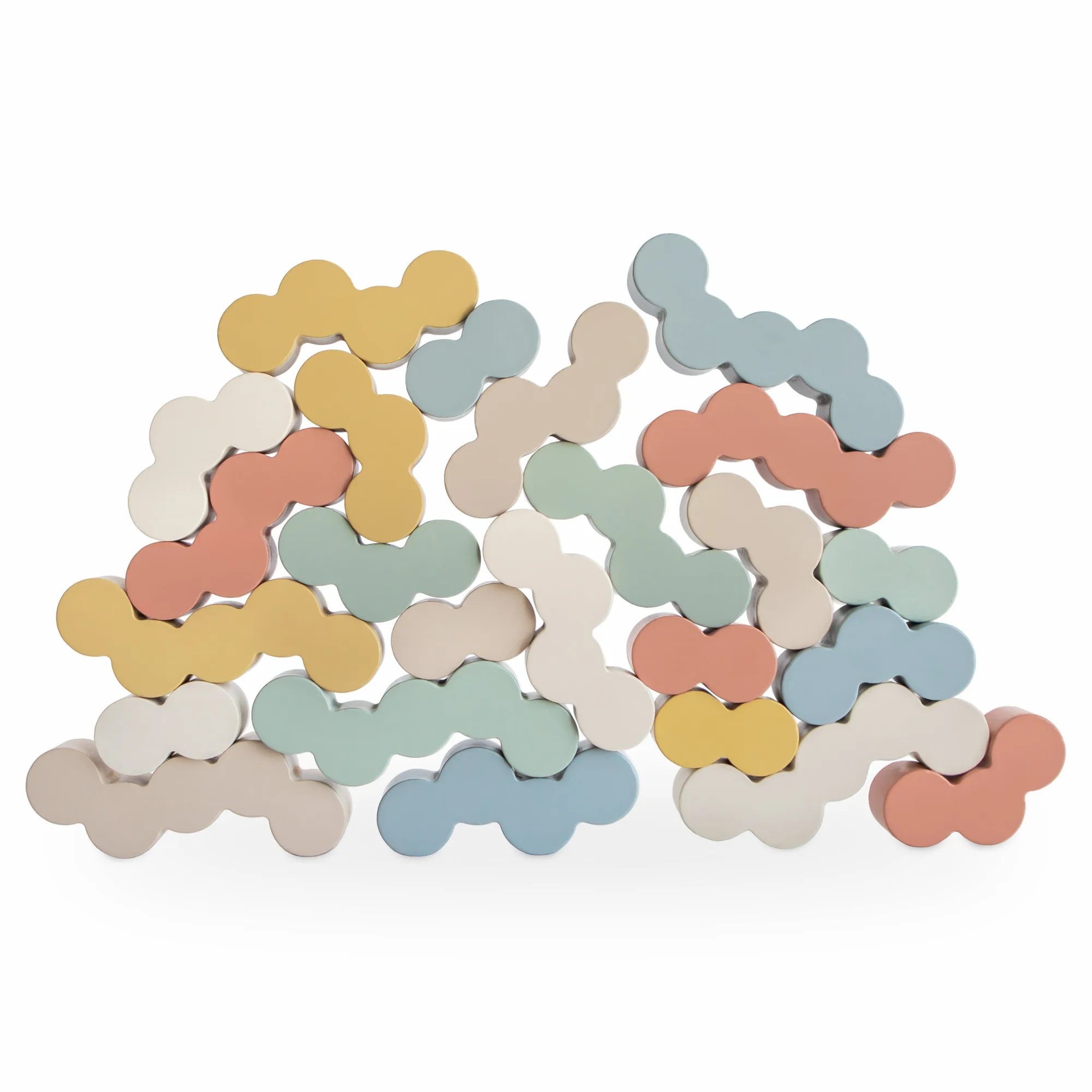
wooden balance blocks
How the two block types differ in play
Wooden balance blocks are typically solid, weighty pieces that stay put when stacked, so toddlers learn cause and effect—push too hard and the tower falls. Plastic blocks are lighter and often interlock, which makes them easier for small hands to snap together but less forgiving when a tower topples.
The trade-off is feedback. Wooden blocks teach balance through natural resistance; plastic blocks teach construction through connectors. Neither is better—they simply reward different skills.
Safety and material checks that matter
For wooden toys, look for untreated or beeswax-finished surfaces and food-grade silicone if the toy doubles as a teether. For plastic, check for BPA, lead, and phthalate-free labels. Avoid vintage or painted blocks with chipped finish, since you cannot verify the paint.
One practical note: wood can be maintained. The Teddy Teether - River is a mix of soft silicone and beechwood treated with beeswax, and the brand recommends re-treating the wood with beeswax or coconut oil to keep it smooth and long-lasting. That same care habit applies to wooden blocks.
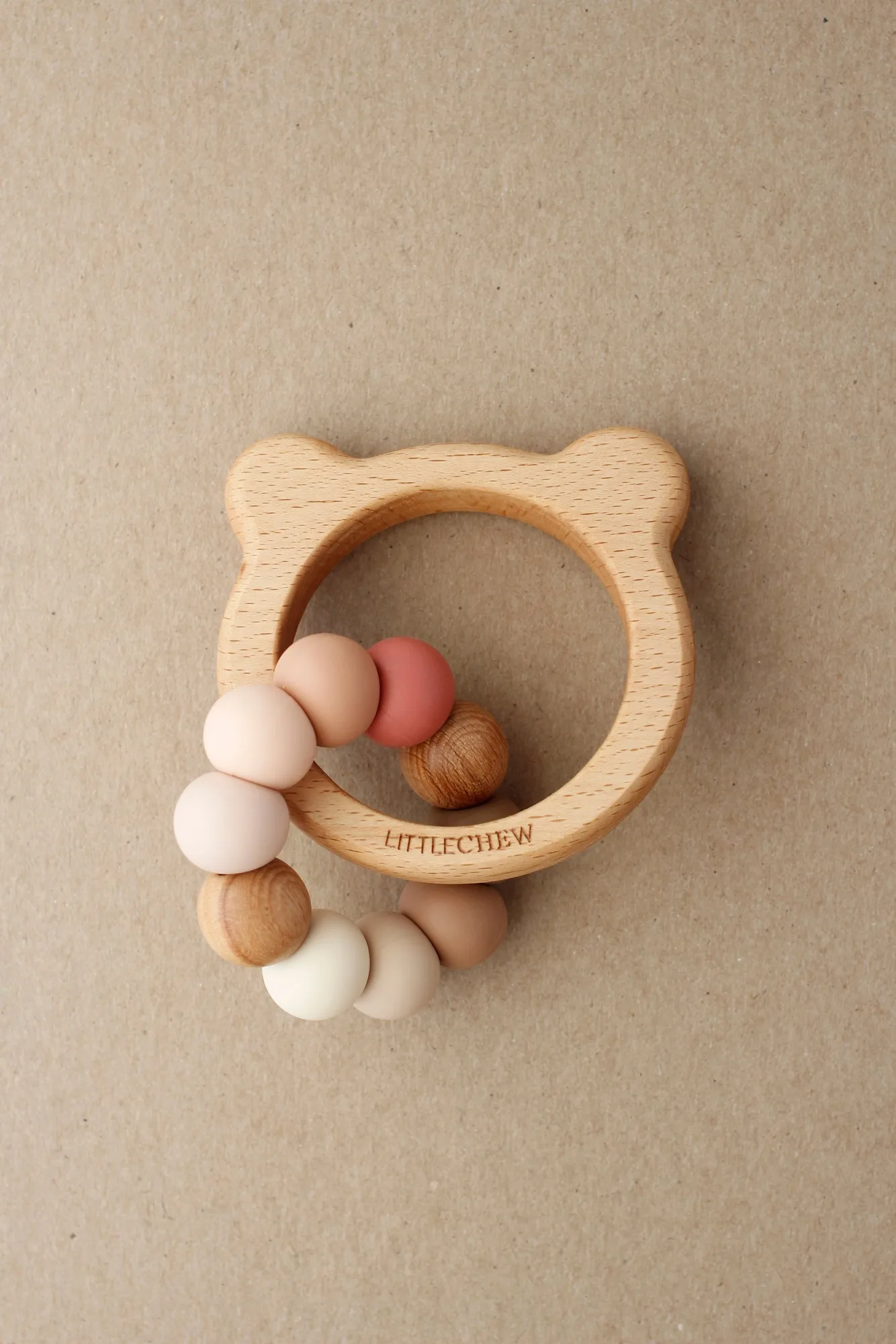
Teddy Teether - River
Durability and cleanup realities
Wooden blocks resist dents and rarely crack unless dropped on hard tile. They should not be soaked; wipe with a damp cloth and dry immediately. Plastic blocks survive the dishwasher and sanitizing wipes, which matters during illness or messy play.
If your toddler is still mouthing everything, plastic may be the lower-maintenance choice for now. If your child is past the mouthing stage, wood holds up better over years of play.
What to pair with blocks for a complete play setup
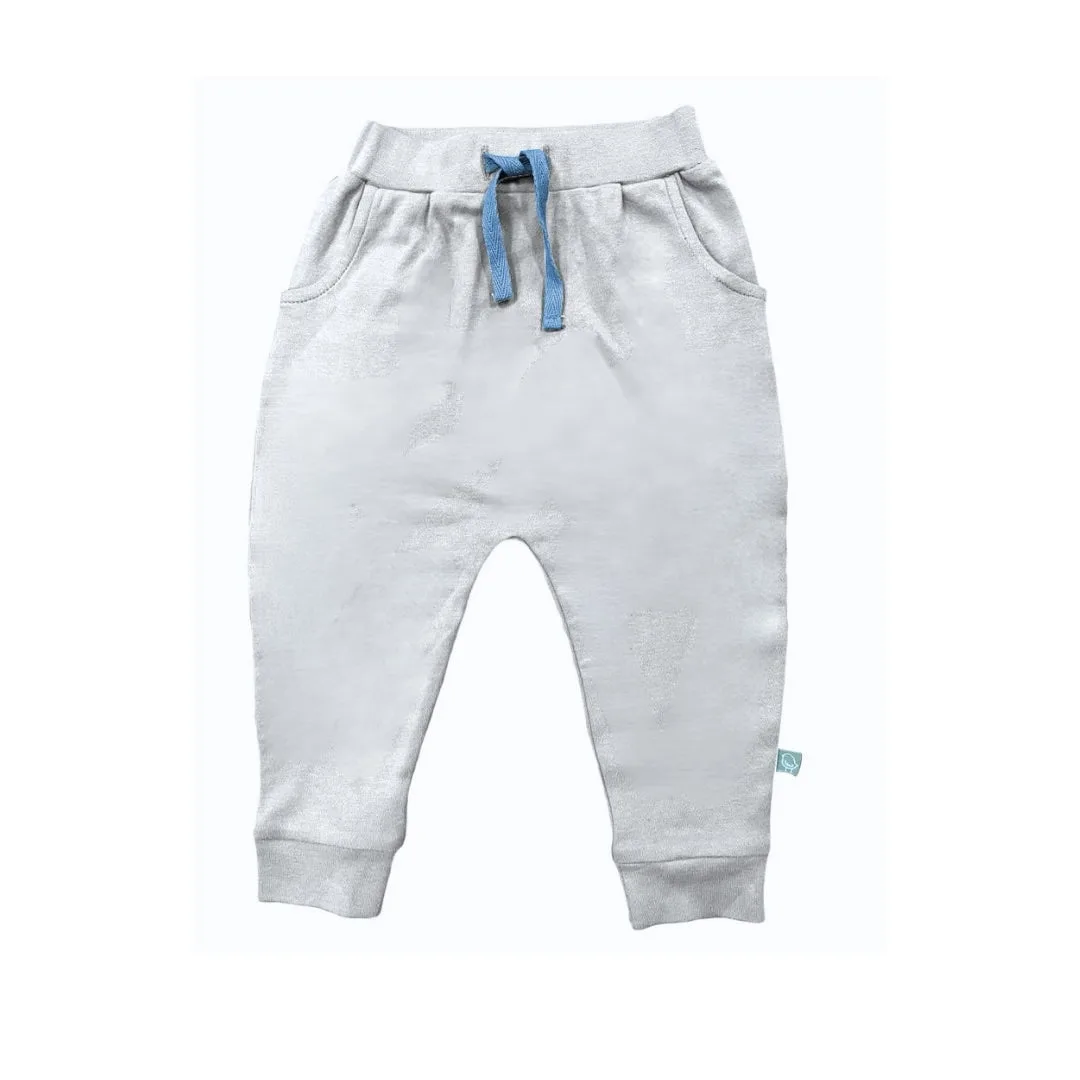
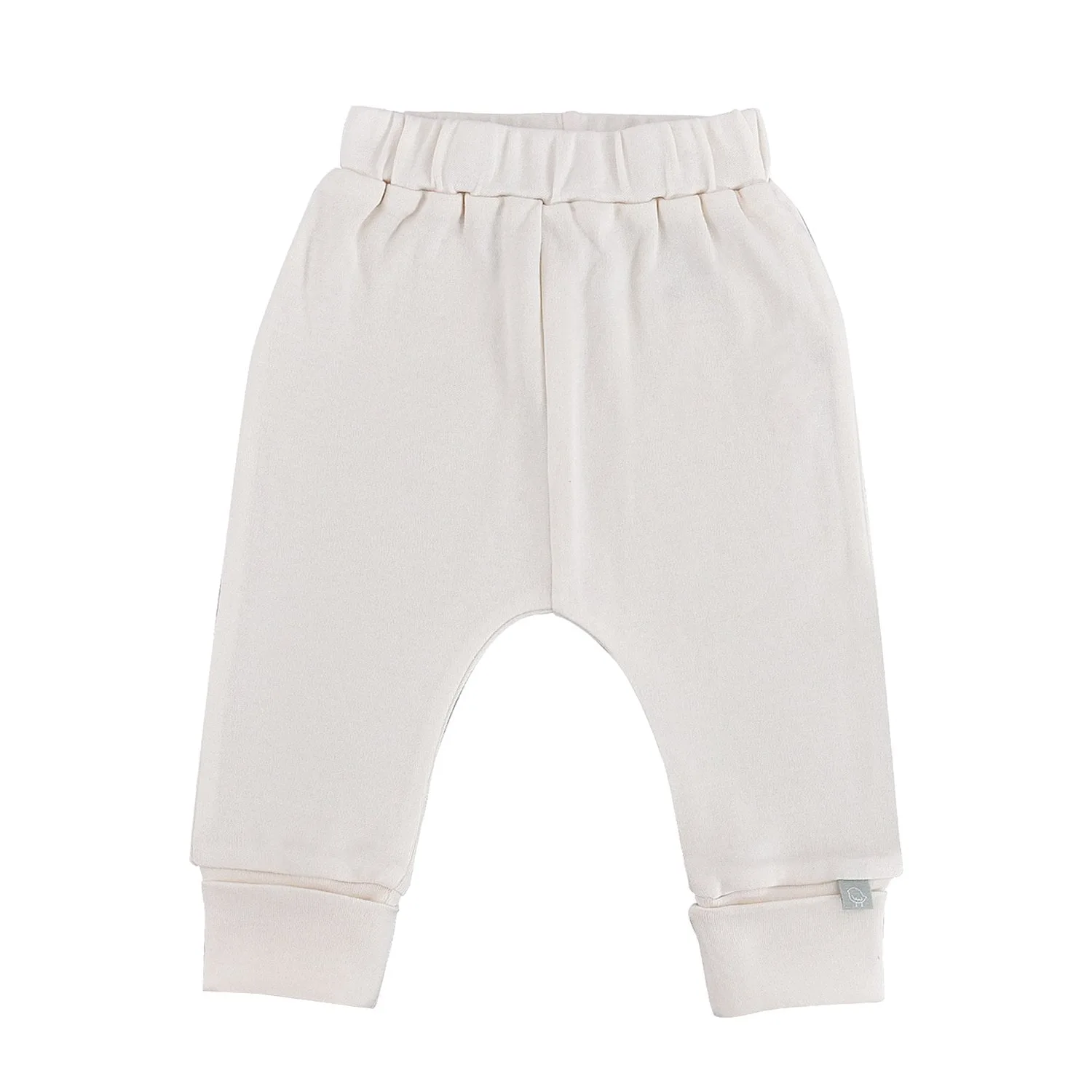
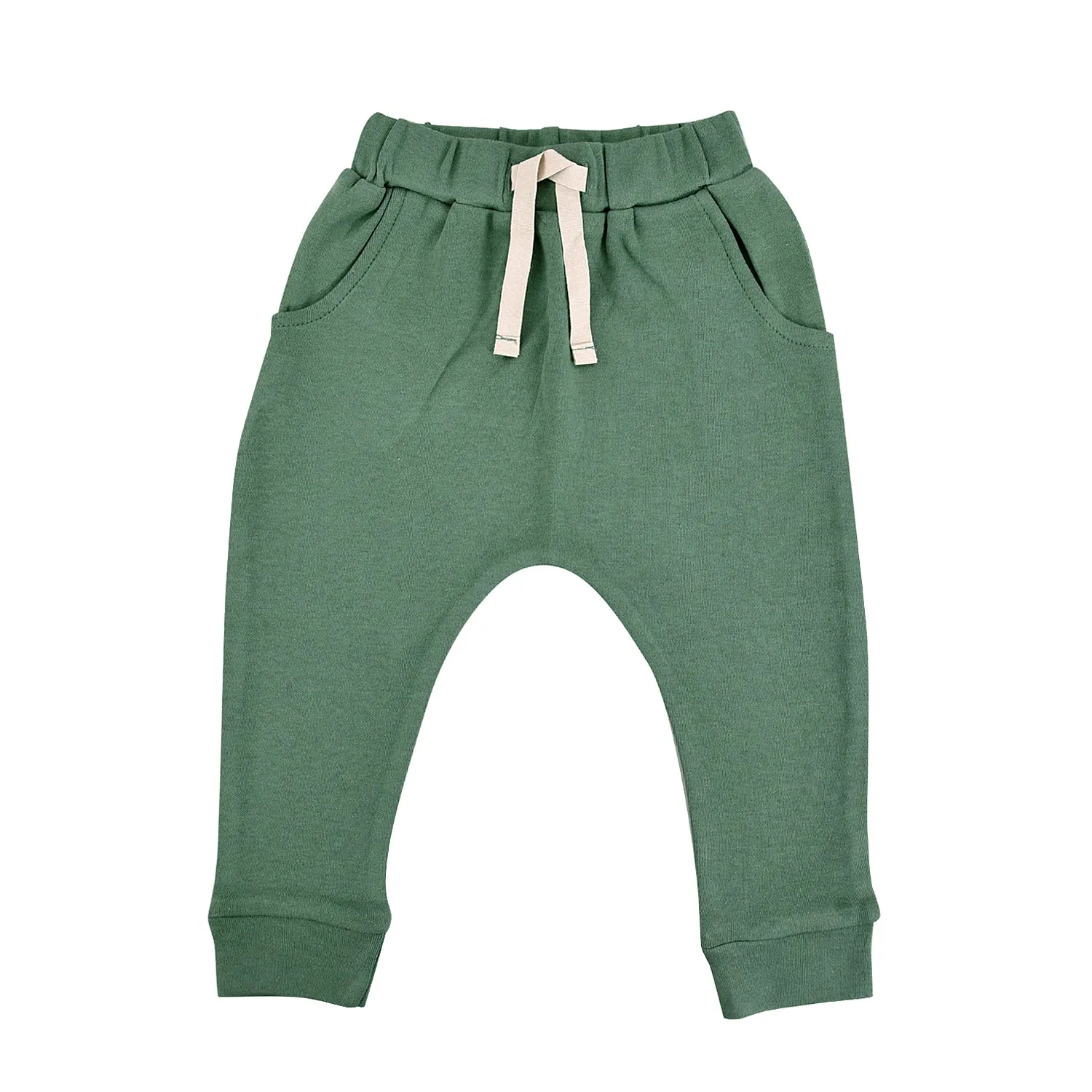
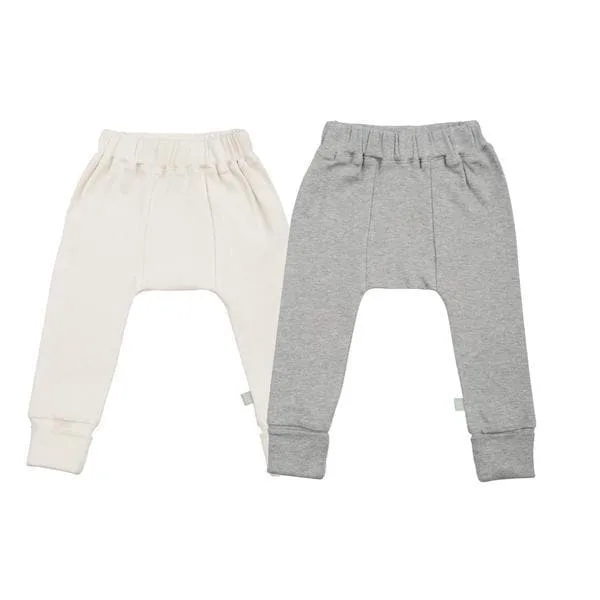
Blocks work best alongside soft, easy-on bottoms so your toddler can squat, reach, and rebuild without fuss. Lounge pants in scarlet red are made from buttery-soft organic cotton with a generous fit to accommodate both cloth and disposable diapers, plus tagless construction and lead/nickel-free snaps with coconut inserts. That combination keeps movement comfortable during floor play.
For younger siblings, a graphic bodysuit like "I'm Not Crabby" adds a cheerful layer for tummy time near the block area. It is 100% organic cotton and includes easy-snap fasteners for quick changes.
Trade-offs at a glance
- Weight and stability: Wooden blocks are heavier and stay in place, which teaches balance and patience. Plastic blocks are lighter and often interlock, so they are easier to connect but slide more. Pick wood for stacking practice, plastic for building practice.
- Care and cleaning: Wood needs wiping and occasional re-oiling with beeswax or coconut oil; it should not be soaked. Plastic tolerates dishwasher cycles and sanitizing wipes. Choose plastic during heavy mouthing or illness seasons; choose wood once mouthing slows.
- Longevity and cost: Wooden sets often cost more upfront but hold up across siblings and resale. Plastic sets cost less and are easy to replace, but may discolor or crack over time. If you want a hand-me-down toy, wood usually wins; if you want low upfront cost, plastic wins.
Product facts
- lounge pants | scarlet red: Lounge pants in scarlet red are made from buttery-soft organic cotton with a generous fit to accommodate both cloth and disposable diapers, tagless for itch-free comfort, with lead/nickel-free snaps and coconut inserts. Easy movement and diaper compatibility make these a practical bottom for toddlers who spend long stretches sitting and squatting during block play.
- graphic bodysuit | Im not crabby: "I'm Not Crabby" organic baby bodysuit is made from 100% organic cotton with a cheerful lobster graphic and easy-snap fasteners. A soft, breathable layer for younger siblings nearby, with snaps that speed up changes so playtime is not interrupted.
Which should you choose?
Best for
- Families who want open-ended, screen-free play that grows with the child
- Parents building a toy collection meant to last through multiple children
- Toddlers past the mouthing stage who enjoy stacking and balancing
Not for
- Households that need dishwasher-safe toys for frequent sanitizing
- Families on a tight budget who want the lowest upfront cost
- Toddlers still mouthing everything, who may damage untreated wood