Quick answer
For early development, plain wooden blocks win for open-ended play, language, and motor skills because there are no rules or instructions. Building block kits win when your child wants a finished result, a theme, or step-by-step building. Many families get the most value from owning both: wooden blocks for free play and one guided kit for focused building.
If you are comparing wooden blocks vs building blocks, the real question is not which toy is better overall. It is which type of play your child needs right now. Wooden blocks are open-ended: a child decides what to build, then rebuilds it differently. Building block kits usually come with pieces, a theme, and a goal, which changes how a child plays.
That difference matters for early development. Open-ended play builds flexible thinking and pretend play. Guided kits build sequencing, patience, and the satisfaction of finishing something. This comparison uses real catalog examples, including the ODDY Mini Penguin 10 Piece Building Kit and the EUGY Cactus 3D Puzzle, to show where each type fits.
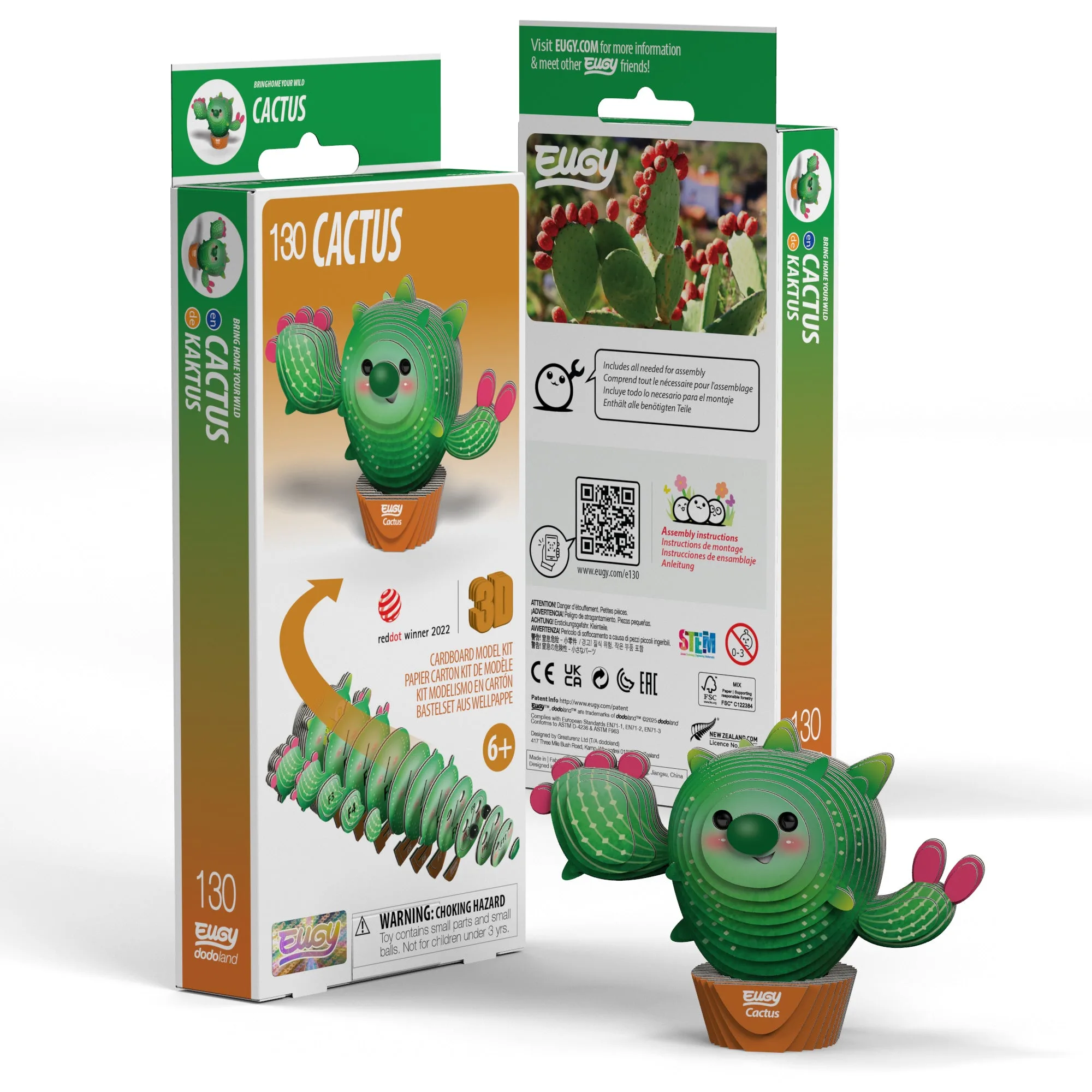
EUGY Cactus 3D Puzzle
What wooden blocks and building blocks actually are
Wooden blocks are simple shapes, usually cubes, rectangles, and triangles, with no connectors. A child stacks, balances, and knocks them down. Because there is no correct outcome, the same blocks become a tower, a road, or a pretend cake. This is why wooden blocks benefits often show up in language and problem-solving: the child narrates and adjusts the plan as they go.
Building blocks are a broader category. Some are interlocking bricks, some are magnetic, and some are kits with specific pieces for a model. The ODDY Mini Penguin 10 Piece Building Kit is a good example: ten pieces interlock and also connect to common household objects like bottles, paper, and cardboard to build a penguin or whatever a child imagines. The EUGY Cactus 3D Puzzle is another style: a collectible 3D puzzle assembled in about 10 to 20 minutes.
- Tip: If a set says household items are not included, gather safe recyclables before the first build so play is not delayed.
Skill-building: open-ended vs. guided play
Wooden blocks support early development through repetition. A toddler stacks two blocks, then three, then learns that a tall tower falls. That trial and error builds hand-eye coordination, balance awareness, and early math ideas like size and symmetry. There is no instruction card, so the child stays in charge of the goal.
Building block kits add a different layer. With a defined model, a child practices following steps, matching pieces, and persisting when a part does not fit. The EUGY Cactus 3D Puzzle is designed for ages 6 and up and takes 10 to 20 minutes, which is a realistic attention span for a focused build. The ODDY Mini Penguin kit rewards creative reuse because the pieces integrate with everyday objects, so the same ten pieces can become more than one toy.
- For toddlers, start with large wooden blocks and no instructions; add a guided kit when your child can follow two or three steps.
Material, durability, and cleanup
Wooden blocks are durable and quiet, and they usually wipe clean with a damp cloth. They hold up to being stepped on and passed between siblings. The trade-off is weight and cost: a solid wooden set is heavier and often pricier than a plastic set of similar piece count. Wooden blocks also hurt more if thrown, so they suit calmer play or supervised toddlers.
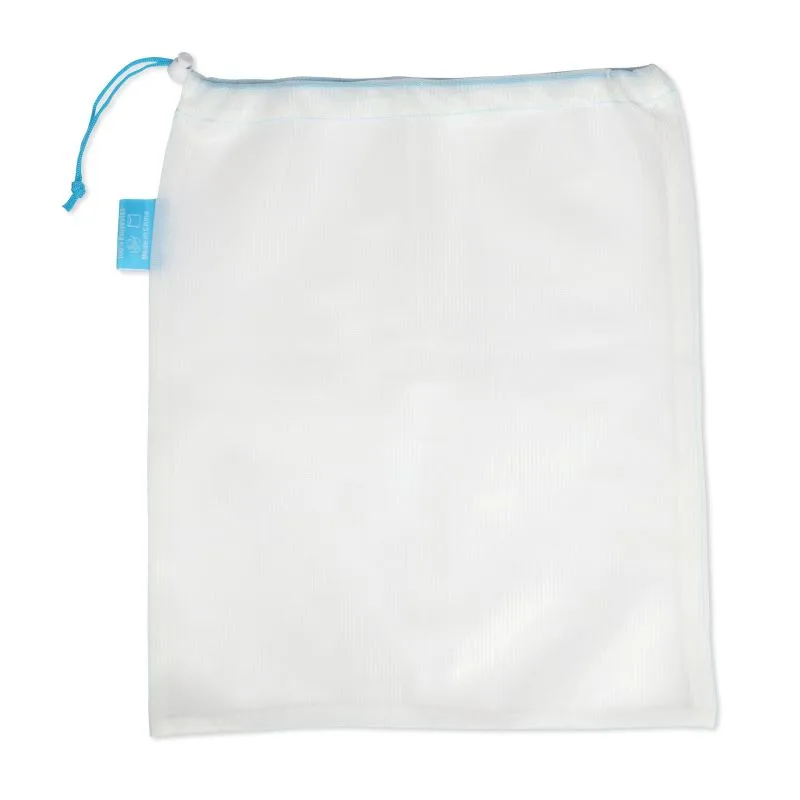
Plastic and mixed-material building kits are lighter, often cheaper, and easy to replace a single lost piece. They can be washed, which matters in classrooms and daycares. For deep cleaning, the Mesh Washing Bags from Learning Resources are a practical add-on: a set of five mesh bags with drawstring closures, designed to clean and disinfect plastic toys by dipping them in warm water. They are not needed for wooden blocks, which should not be soaked.
- Check the manufacturer's cleaning guidance before washing any block set; wooden blocks generally should not be submerged.
Age fit and safety
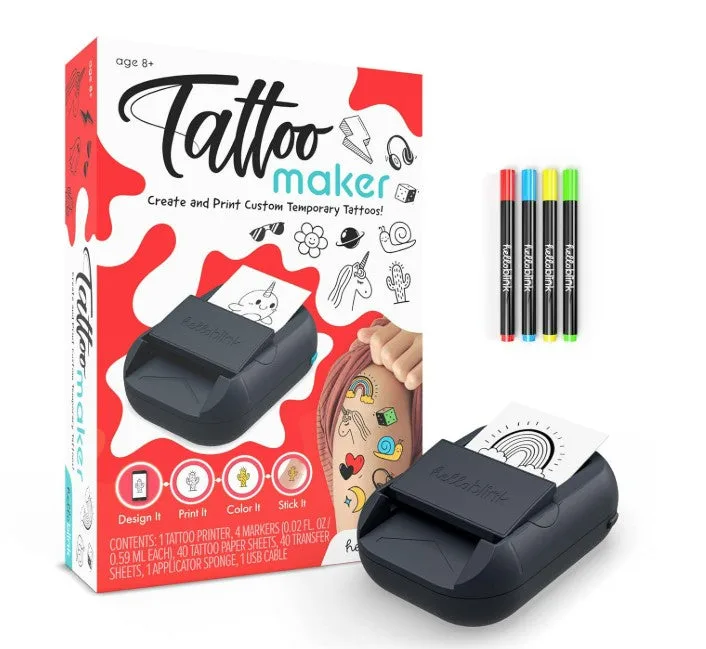
Wooden blocks are the safer default for the youngest builders because there are no small connectors. Choose larger shapes for under-three play and inspect edges regularly. Building block kits often carry age ratings for a reason: small parts are a choking risk. The Hello Blink Tattoo Maker is rated for ages 6 and up, which is a useful reminder that craft and kit toys are not toddler toys.
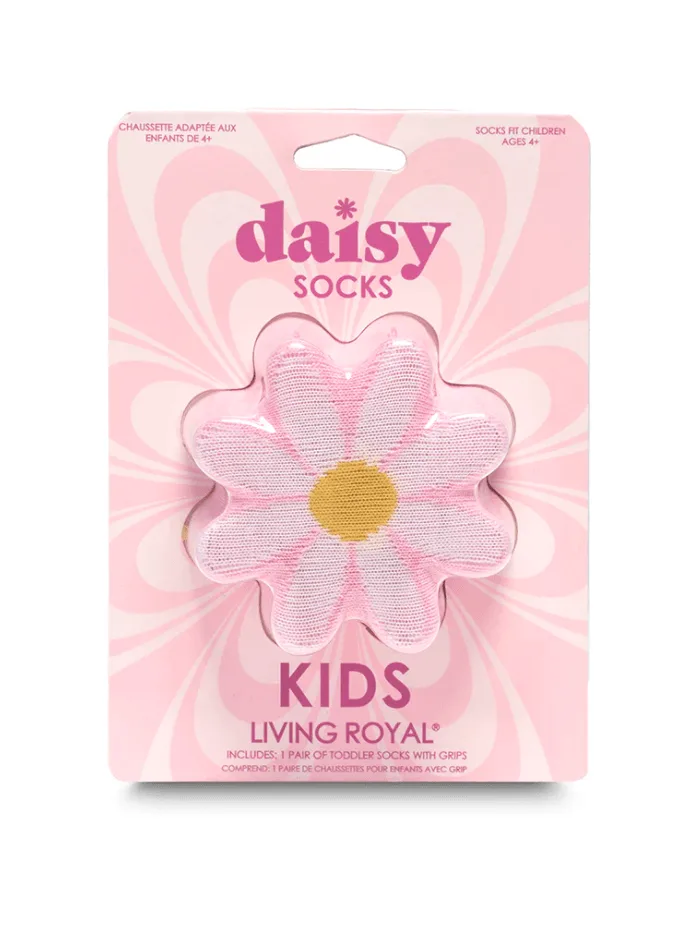
If you have mixed ages, keep guided kits on a high shelf and wooden blocks in a low bin. That way the older child can build a model while the younger child stacks freely nearby. The Living Royal Kids Daisy Socks in 3D Pack are sized for ages 4 and up and have non-slip grips on the soles, a small detail that helps if your builder likes to move between floor play and standing at a table.
- Match the toy to the youngest child in the room, not the oldest, when both will play at the same time.
How to choose without overbuying
Start with one open-ended set and one guided kit, then watch which one gets used after the first week. If your child rebuilds the same wooden tower into new things, add more wooden shapes. If your child asks for a specific animal or vehicle, add a themed building kit instead. The goal is to match the toy to the play pattern you already see.
Budget matters too. A large wooden play kitchen like the Le Toy Van Family Size Wooden Play Kitchen is a bigger investment at a catalog price of USD 200.00, and it is built from solid FSC-certified wood with a retro pastel design. That is a different purchase from a USD 5.00 building kit. Decide whether you are buying for years of daily pretend play or for a focused afternoon project.
- Rotate blocks rather than buying more: store half the pieces and swap them in after two weeks to renew interest.
Trade-offs to weigh before you buy
- Open-ended vs. goal-directed play: Wooden blocks have no instructions, so children invent the goal. Building kits supply a model, which teaches sequencing but can limit improvisation. Choose wooden blocks for creativity and language; choose a kit for focus and follow-through.
- Durability vs. cleanability: Wooden blocks resist wear and wipe clean, but should not be soaked. Plastic building pieces can be washed in bulk, which is easier for shared spaces. Classrooms and daycares usually benefit from washable plastic; home playrooms can mix both.
- Upfront cost vs. replay value: A solid wooden set or play kitchen costs more upfront. A small building kit costs less but may be finished in one sitting unless it integrates with other materials. If budget is tight, buy one wooden set and one kit rather than several of the same type.
Product facts that shape the choice
- ODDY Mini Penguin 10 Piece Building Kit: This set includes 10 pieces that interlock and connect and integrate with common objects to form a penguin toy or anything else a child imagines. Household items are not included. It bridges open-ended and guided play: there is a suggested build, but the pieces also work with recyclables, so the kit keeps giving new outcomes.
- EUGY Cactus 3D Puzzle: EUGY is a 3D puzzle that can be assembled in 10 to 20 minutes, supports STEM concepts, and is part of a collectible line with over 100 designs. A short, finishable build suits kids who need a clear endpoint, and the collectible format gives an older child a reason to keep building.
- Mesh Washing Bags: This set of five mesh washing bags with drawstring closures is designed to clean and disinfect plastic toys found in playrooms, classrooms, and daycare centers. Plastic building pieces can be washed in bulk, which is a real advantage for shared or classroom sets. Wooden blocks should not be soaked.
- Le Toy Van - Family Size Wooden Play Kitchen: This eco-friendly wooden kitchen is constructed from solid FSC-certified wood with a gentle pastel and natural wood design, printed tiles, and rattan accents. It shows the upper end of wooden play value: a durable, open-ended pretend-play piece that supports years of use rather than a single build.
Which should you choose?
Best for
- Toddlers and preschoolers who need safe, large, open-ended pieces
- Families who want one durable toy that supports years of pretend play
- Children who like to invent, narrate, and rebuild rather than follow steps
Not for
- Kids who lose interest without a clear goal or model to finish
- Classroom or daycare settings that need frequent, bulk washing
- Families with very limited storage space for a large wooden set
There is no single winner in wooden blocks vs. building blocks. Wooden blocks build flexible thinking and motor skills through free play; building kits build focus and sequencing through a finished model. Start with one of each, watch how your child plays, and add more of the type that keeps getting used.