Quick answer
Choose wooden blocks for open-ended, quiet, screen-free play that grows with your child and rarely breaks. Choose building toys with specialized pieces when your child craves wheels, gears, or magnetic connections and you want a guided build. Many families get the most value by starting with blocks for toddlers, then adding a building toy around age four or five.
The core difference: open-ended pieces vs. purpose-built parts
Wooden blocks are simple shapes with no fixed outcome. A three-year-old stacks them; a seven-year-old builds a bridge and tests how much weight it holds. That range is why wooden block play benefits show up across ages: the same set serves different developmental stages without needing an upgrade.
Building toys usually include connectors, wheels, or specialty pieces that suggest a specific kind of build. That structure can be a gift for a child who gets frustrated by a blank slate, and a limitation for a child who wants to invent something the set was never designed to make.
What each option teaches, and when it clicks
Blocks teach balance, cause and effect, and spatial reasoning because every failure is visible and fixable. A tower falls, your child adjusts the base. There is no instruction manual to follow, so the feedback loop is immediate.
Building toys with interlocking or magnetic parts teach planning and sequencing, and they often produce a more recognizable result, which keeps some kids engaged longer. If you are weighing blocks vs magnetic tiles specifically, the deciding question is whether your child prefers freeform stacking or click-together precision.
How to choose by age and temperament
For toddlers, large wooden blocks are the safer and more durable starting point because there are no small connectors to lose or mouth. Look for smooth, unpainted edges and pieces big enough to grip with a whole hand.
For ages four to seven, watch how your child plays for a week. If they narrate stories and rearrange pieces endlessly, open-ended building toys will hold their attention. If they ask for instructions and want to finish something, a structured building toy fits better.
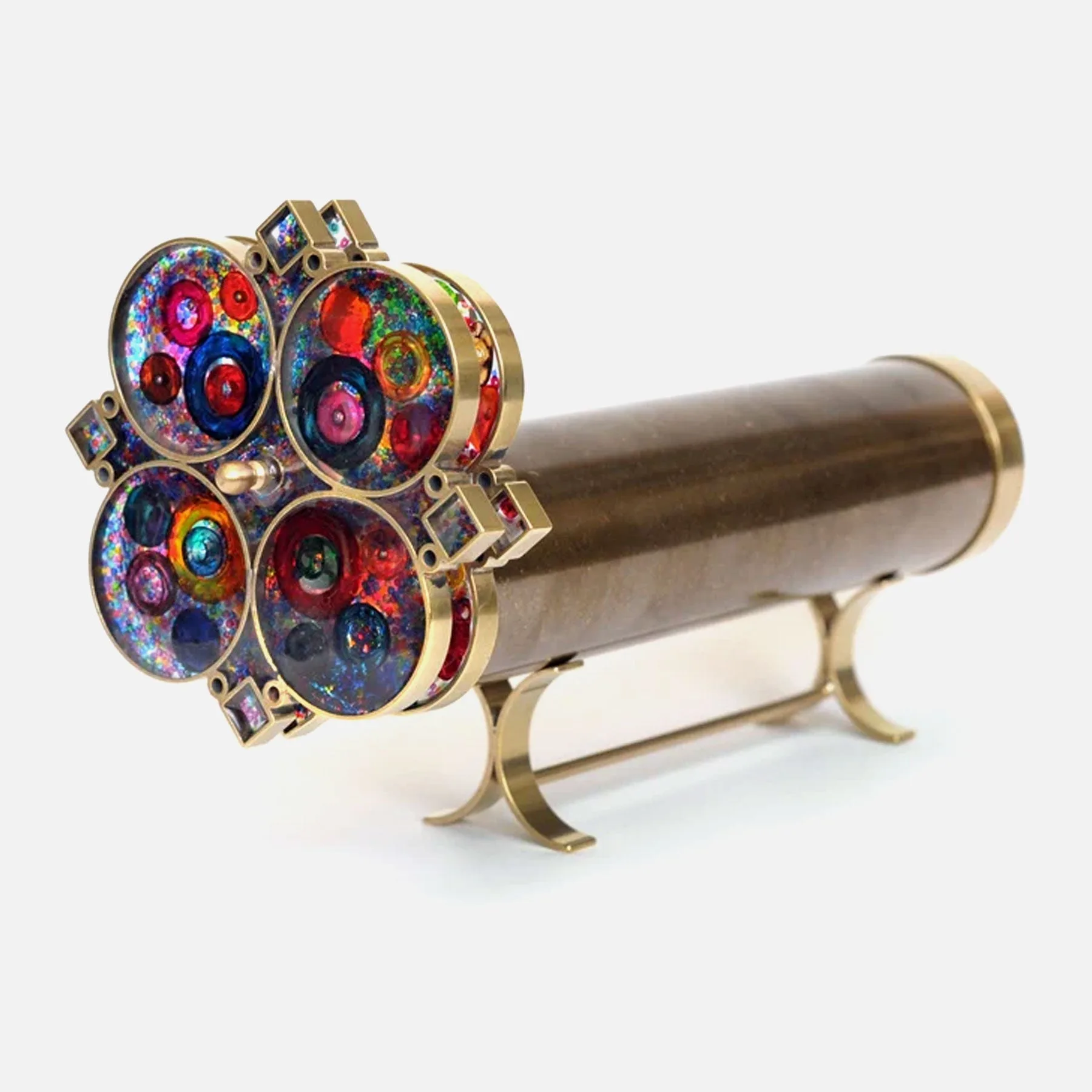
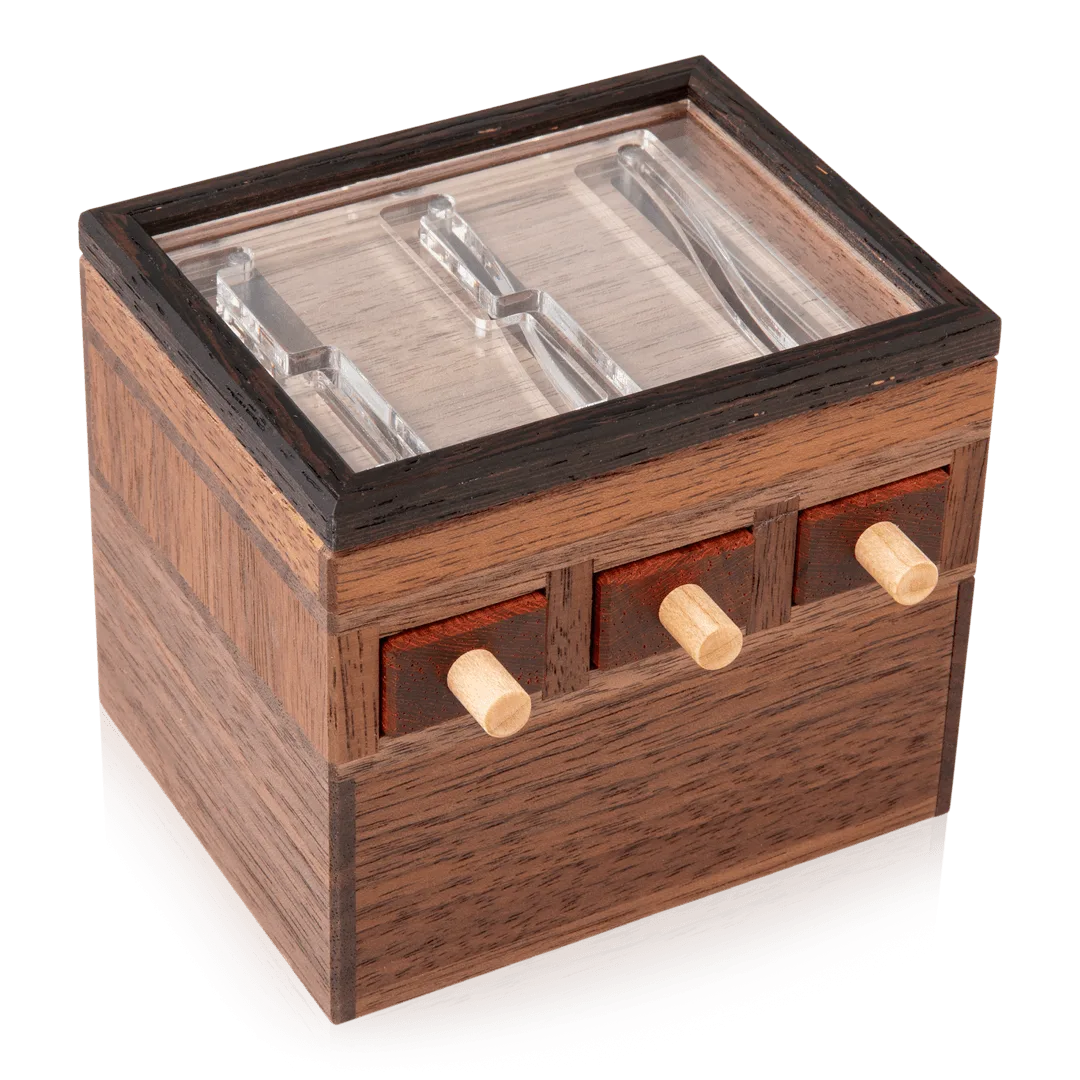
For older kids and adults, puzzle-style construction with a real challenge can extend the same skills. A puzzle box with a defined solution, like the Visible Drawer Puzzle Box, rewards the planning mindset that building toys develop, while a display piece like the Super Giant Flower Wheels Kaleidoscope appeals to a child who prefers watching patterns over assembling them.
Storage, durability, and the real cost of each choice
Wooden blocks survive drops, siblings, and years of use, and they store in a single bin because there are no tiny parts. Building toys with connectors can be more compact per build, but pieces migrate under couches and into vacuum cleaners, and a missing specialty piece can stall a project.
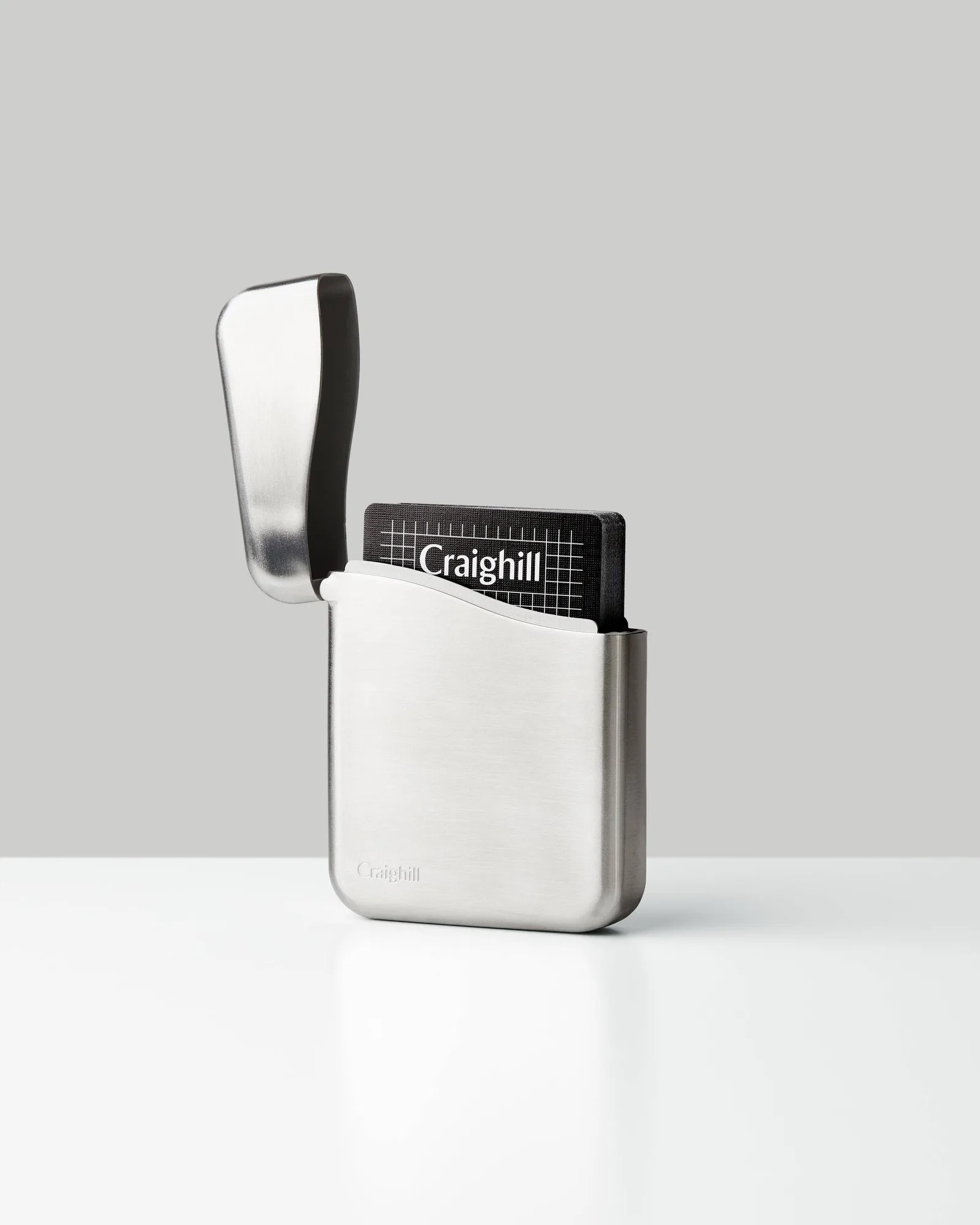
The better value is the set your child actually returns to. A smaller block set used daily beats a large specialty kit that gets built once. If you want a durable, haptically satisfying way to store and protect a favorite deck or small collection, the Summit Playing Card Case shows the same principle: buy once, use for years.
Trade-offs to weigh before you buy
- Open-ended freedom vs. guided success: Blocks let a child invent any structure, but some kids stall without a goal. Building toys provide a clear target, but the pieces limit what can be made. Pick blocks if your child invents; pick a building toy if your child follows.
- Durability and storage vs. specialty pieces: Wooden blocks are nearly indestructible and store in one bin. Building toys often include small connectors that get lost and require sorting. If lost pieces cause meltdowns, blocks are the lower-stress choice.
- Age range vs. immediate engagement: A good block set serves ages two through eight. A building toy may only hold attention for a specific project phase before it sits on a shelf. Buy for the next two years, not just this month.
Product facts that inform this choice
- Summit Playing Card Case: The Summit Playing Card Case from Craighill is made from a stainless steel metal injection molded body and features a haptically-rewarding hinge mechanism, designed to fit a standard deck of playing cards, with or without its box. A durable, well-engineered case protects a favorite deck for years, which mirrors the buy-once logic that makes wooden blocks a strong long-term value.
- Visible Drawer Puzzle Box: The Visible Drawer Puzzle Box is designed by Hiroshi Iwahara and made from Walnut and Wenge; the Ternary Box requires eighteen moves to open and the Quinary Box requires fifty. For a child or adult who likes structured challenges, this puzzle box offers a defined goal and a clear difficulty progression that open-ended blocks do not.
- Super Giant Flower Wheels Kaleidoscope: The Super Giant Flower Wheels Kaleidoscope is handmade from polished brass, high-grade optical mirrors, natural stones, and a three-mirror system that creates hypnotic reflections; a second wheel is included and can be stored in the display stand. This is a display-worthy alternative for a child who prefers observing patterns and light over building, and the included second wheel extends the visual variety.
Which should you choose?
Wooden blocks are best for
- Toddlers and preschoolers who need large, safe, mouthable pieces
- Children who prefer open-ended play and invent their own rules
- Families who want one durable set that lasts through multiple siblings
Building toys are a better fit for
- Children who want wheels, gears, or magnetic connections to make vehicles and machines
- Kids who ask for instructions and enjoy completing a defined build
- Older children ready for a structured challenge like a multi-step puzzle box