Quick answer
Choose wooden blocks if you want open-ended, screen-free play that rewards patience and fine-motor control. Choose magnetic blocks if you want faster building success and fewer collapses for younger or easily frustrated builders. Many families keep both: wooden blocks for free-form construction and magnetic blocks for quick, satisfying builds.
Wooden blocks and magnetic blocks both build things, but they ask different things of a child. Wooden blocks rely on gravity, balance, and a steady hand. Magnetic blocks rely on magnets that snap pieces together, which lowers the frustration barrier but introduces its own limits.
This comparison looks at how each type performs in real play, based on the building toys we carry, including wooden blocks and magnetic blocks. You will see where each shines, where each falls short, and how to decide for your child's age and temperament.
How wooden blocks and magnetic blocks actually differ
Wooden blocks are simple: stack them, balance them, knock them down. There are no connectors, so the only thing holding a tower together is gravity and careful placement. That makes wooden blocks excellent for teaching cause and effect, spatial reasoning, and persistence. A collapse is not a failure; it is information. The trade-off is that younger children may get frustrated before they can build anything tall.
Magnetic blocks use magnets embedded in the edges or faces of the pieces. They click together and hold, so a child can build a cube, a house, or a bridge without perfect balance. This makes magnetic blocks faster and more forgiving, especially for ages 3 to 6. The trade-off is that magnetic blocks often have a limited number of connection points and shapes, which can cap how creative a build can get compared with loose wooden blocks.
- Wooden blocks: no connectors, gravity-dependent, open-ended shapes.
- Magnetic blocks: magnetic edges, snap-together, faster success, more structured builds.
Stability, creativity, and frustration tolerance
If your child gets upset when a tower falls, magnetic blocks reduce that friction. The magnets hold pieces in place, so a preschooler can build a tall structure without precise hand control. That early success can build confidence and keep a child playing longer. But because the pieces stick, some children treat magnetic blocks more like a puzzle with a right answer than a blank canvas.
Wooden blocks reward experimentation. A child can make a ramp, a wall, a bridge, or an abstract sculpture because nothing dictates how pieces connect. This is where wooden blocks benefits show up: problem-solving, patience, and fine-motor practice. The trade-off is a steeper learning curve. A 4-year-old may need an adult to model simple stacking games before independent play takes off.
- Magnetic blocks: lower frustration, quicker builds, good for independent play.
- Wooden blocks: higher frustration tolerance needed, but more open-ended creative range.
Age fit and supervision
Magnetic blocks are often marketed for ages 3 and up because the magnets are sealed inside the pieces and the connections are easy to make. Always check the manufacturer's age rating and inspect pieces for cracks or loose magnets, since small magnets are a serious hazard if swallowed. For children who still mouth toys, wooden blocks with smooth, unpainted edges or water-based finishes are usually the safer first building toy.
Wooden blocks work well from toddlerhood into early elementary years. A 2-year-old can carry, stack two blocks, and knock them down. A 7-year-old can plan a castle with arches and symmetry. Magnetic blocks tend to have a narrower sweet spot: engaging for ages 3 to 6, then sometimes outgrown once a child wants more structural freedom.
- Check age ratings and magnet security on magnetic blocks before every use.
- For mouthing toddlers, choose smooth wooden blocks and supervise closely.
Mixing wooden and magnetic blocks with other building toys
You do not have to pick one forever. Many families start with magnetic blocks for early success, then add wooden blocks as fine-motor skills improve. You can also combine either type with other building toys we carry, like the HUB Twister Funnel Action Set, which uses 44 pieces including 13 run elements, 24 building blocks, 1 baseplate, 4 marbles, and 2 twisters. That set is rated for ages 4 and up and adds a marble-run challenge that neither plain wooden nor magnetic blocks provide.
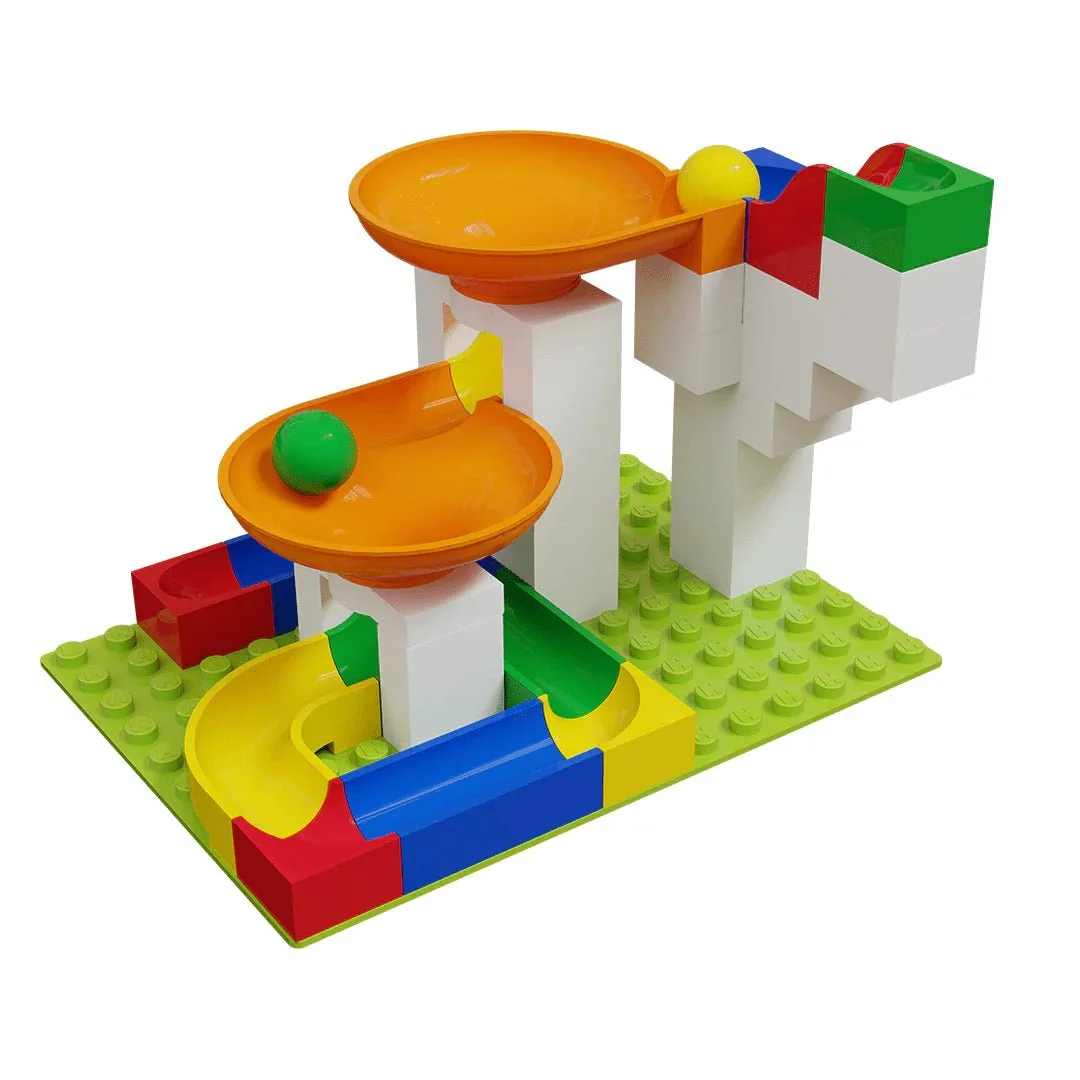
HUB Twister Funnel Action Set
A small animal figure can also extend block play. The South American Animals TOOB® includes 8 figures such as a Jaguar, Capybara, and Giant Anteater, which children can use as inhabitants of a block-built zoo or habitat. This kind of cross-play keeps block toys interesting without buying a whole new system.
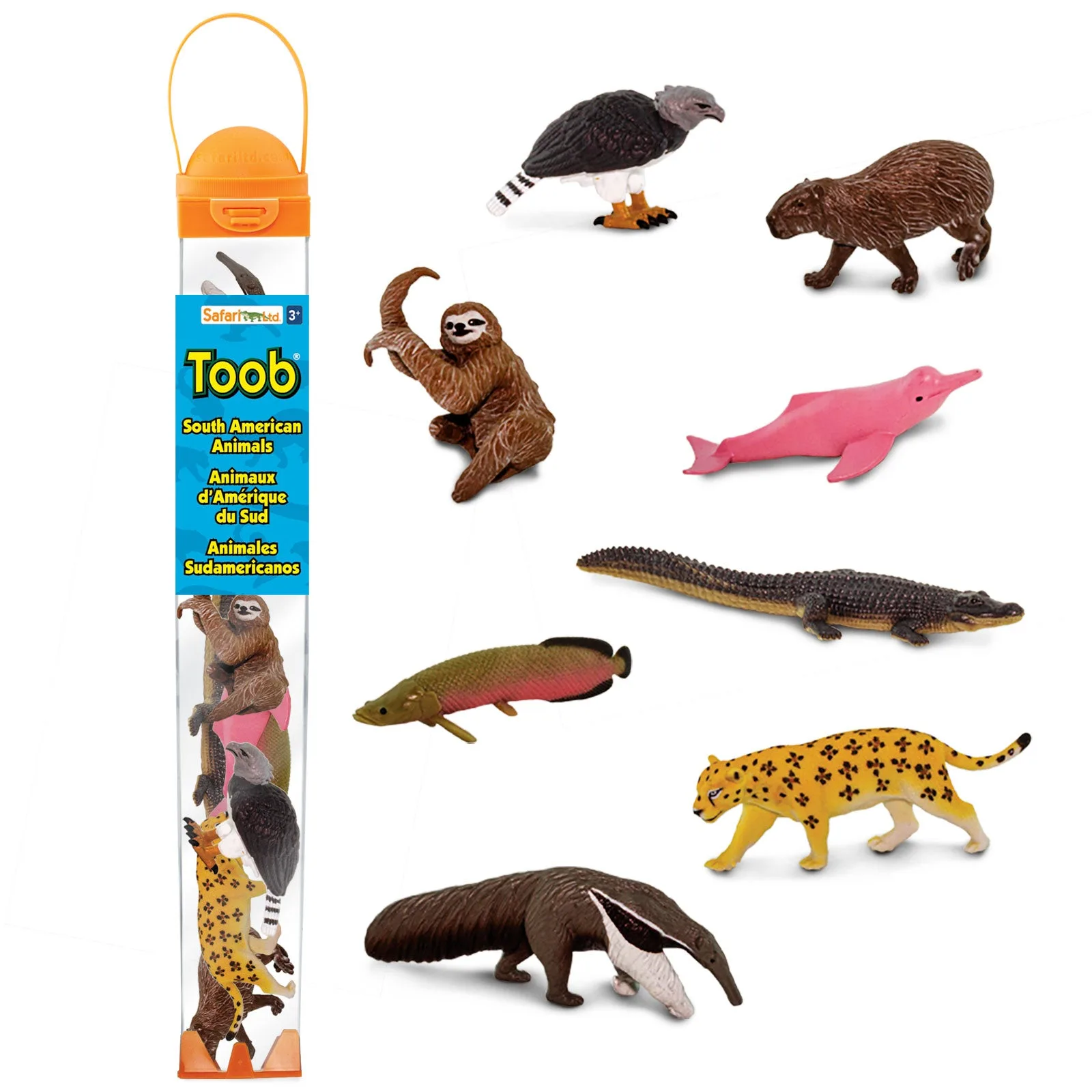
South American Animals TOOB®
- Use animal figures or marble runs to refresh block play without replacing your blocks.
- Rotate toys rather than keeping everything out at once to maintain focus.
Trade-offs to weigh before you buy
- Open-ended creativity vs. guided building: Wooden blocks give unlimited shapes but require balance and patience. Magnetic blocks snap together easily but often have a limited set of shapes and connection points. Pick wooden blocks for free-form building, magnetic blocks for quicker, more structured success.
- Frustration tolerance vs. early confidence: Magnetic blocks reduce collapses, which helps younger or easily frustrated children stay engaged. Wooden blocks teach persistence because every tower that falls is a chance to try again. If your child walks away when a build falls, start with magnetic blocks and add wooden blocks later.
- Age range and longevity: Wooden blocks tend to stay useful from toddler through early elementary. Magnetic blocks are often most engaging for ages 3 to 6 and may be outgrown sooner. For the longest single purchase, wooden blocks usually win; for the smoothest start, magnetic blocks win.
- Safety and supervision: Magnetic blocks require checking for cracked pieces or loose magnets, which are a hazard if swallowed. Wooden blocks need smooth edges and a non-toxic finish. Inspect both types regularly; supervise mouthing toddlers with either.
Product facts that matter for block play
- HUB Twister Funnel Action Set: Includes 44 pieces: 13 run elements, 24 building blocks, 1 baseplate, 4 marbles, and 2 twisters, with an instruction booklet; rated for ages 4 years and up. If your child likes building but wants motion and a clear goal, this set adds a marble-run challenge that plain wooden or magnetic blocks do not offer.
- South American Animals TOOB®: Features 8 highly detailed minifigures: Jaguar, 3 Toed Sloth, Harpy Eagle, Giant Anteater, Capybara, Arapaima, Boto (Amazon River Dolphin), and Black Caiman. These small figures pair well with block-built habitats and encourage storytelling, extending the life of both wooden and magnetic block sets.
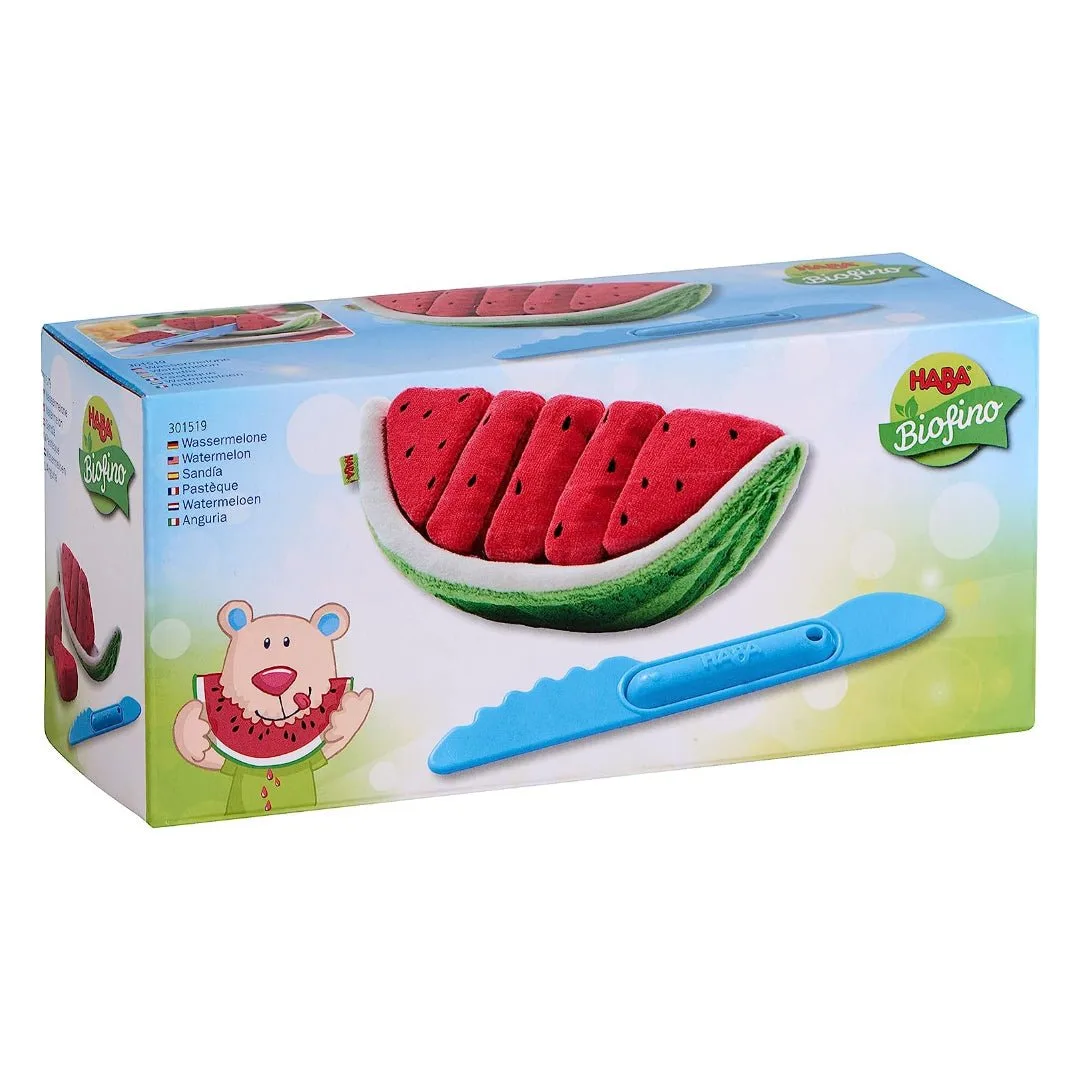
- Pull-A-Part Watermelon Plush: A soft, washable plush watermelon slice designed for pretend play, kitchen adventures, and imaginative picnics. For younger siblings who are not ready for small building pieces, this plush food toy offers a safe, soft way to join pretend play alongside block builders.
Which building toy fits your child?
Best for
- Children who enjoy open-ended building, patterns, and knocking things down
- Families who want a durable toy that grows from toddler to early elementary
- Parents looking for screen-free, quiet play that builds fine-motor skills
Not for
- Children who get very frustrated when a build collapses and need instant success
- Toddlers who still mouth toys and may not be ready for small magnetic pieces
- Kids who prefer guided builds with a clear finished result every time
There is no single winner in the wooden blocks vs. magnetic blocks debate. Match the toy to your child's temperament and stage: magnetic blocks for early confidence, wooden blocks for long-term creative range. Many families use both, and a small add-on like a marble run or animal TOOB® can keep either type fresh for years.