Quick answer
Wipe your wooden bottle opener with a barely damp cloth after use, dry it immediately, and oil the wood lightly every few months with a food-safe oil. Never soak it, never put it in the dishwasher, and never leave it sitting in a puddle on the counter. That's the whole routine — most damage comes from doing too much, not too little.
Why wooden bar tools fail (and why it's usually not the wood's fault)
Wood is a living material even after it's been shaped into a bottle opener. It expands when it takes on moisture and shrinks as it dries, and that cycle is what causes the cracks, rough grain, and loose metal parts people blame on 'cheap wood.' A wooden opener that gets wiped and dried lasts years; one that sits wet in a sink or goes through a hot dishwasher cycle can start splitting within weeks.
The other quiet culprit is heat. Dishwasher drying cycles and prolonged direct sun on a windowsill pull moisture out of the wood faster than it can adjust, which opens small surface cracks that then collect grime. If your opener already feels fuzzy or looks grey rather than warm-toned, that's usually surface dehydration, not permanent damage — a light oiling can bring most of it back.
The two-minute cleaning routine that actually works
After opening bottles, wipe the wood with a damp — not wet — cloth and a drop of mild dish soap if there's sticky residue. Dry it straight away with a towel rather than letting it air-dry, because air-drying on a counter means the side touching the surface stays damp longer. Pay attention to the seam where the metal meets the wood; that's where liquid hides and where rust and grain swelling start.
For deeper cleaning every month or two, use a cloth wrung out almost dry and avoid spraying cleaner directly onto the opener. Never submerge it, and skip vinegar or bleach solutions — they strip the wood's natural oils along with the dirt. If the metal part looks dull, a dry cloth is enough; abrasive pads scratch both the metal and the surrounding wood.
- Damp cloth, mild soap, immediate towel dry — that's the full cleaning kit.
- Clean the metal-to-wood seam specifically; it's the first place to go bad.
- No soaking, no spraying, no vinegar, no scouring pads.
Oiling: how often, how much, and how to tell
A light coat of food-safe mineral oil or a dedicated butcher-block oil every two to three months keeps the grain sealed and slows moisture exchange. Apply a few drops to a cloth, rub it into the wood along the grain, let it sit for about fifteen minutes, then buff off anything that hasn't absorbed. If the wood drinks it up instantly and still looks dry, repeat once — but only once per session.
Over-oiling is a real problem: wood that stays greasy feels tacky, attracts dust, and can leave residue on your hands every time you open a bottle. If a paper towel pressed against the opener comes away oily after buffing, you've used too much. In a humid kitchen you can stretch the interval; in a very dry flat with radiators, you may need it slightly more often.
Storage and handling habits that prevent most problems
Store the opener somewhere dry and open — a drawer, a hook, or a bar caddy — rather than in a closed container where it can sit against damp surfaces. If you keep it on the counter, put it on a dry coaster or a small tray so it isn't resting in condensation from cold bottles. When you're opening a bottle, grip the handle firmly and lever steadily; twisting the opener sideways puts stress on the wood around the metal insert.
If you take it to parties or keep it in a bag, a small cloth pouch prevents the metal edge from knocking against keys and chipping the wood's finish. These are small habits, but they're the difference between an opener that looks new in three years and one that looks tired in three months.
Diagnosis: match the symptom to the fix
- Wood looks pale, dry, or slightly fuzzy: Surface dehydration from heat, sun, or repeated wet-dry cycles. Apply a thin coat of food-safe oil, let it absorb for fifteen minutes, buff off the excess, and repeat once only if it still looks thirsty. If the color deepens and the surface feels smooth after buffing, you're done — don't keep adding oil.
- Sticky residue or grime in the grain: Sugar from spilled drinks has worked into the pores. Wipe with a barely damp cloth and a drop of mild soap, dry immediately, then oil lightly once fully dry. If residue remains after two gentle attempts, stop — scrubbing harder removes wood, not dirt.
- Small cracks along the grain or around the metal: Caused by fast moisture swings, usually from soaking or dishwasher exposure. Light oiling can slow further cracking, but it won't close existing splits. If a crack catches your finger or the metal insert feels loose, stop using it and replace it — a loose insert can slip mid-open and cause injury.
- Wood feels tacky or leaves oil on your hands: Over-oiling. Stop applying oil, buff thoroughly with a clean dry cloth, and let the opener rest for a few days before using it again. Wait until a pressed paper towel comes away dry before your next oiling — and then wait longer than you think.
Product facts
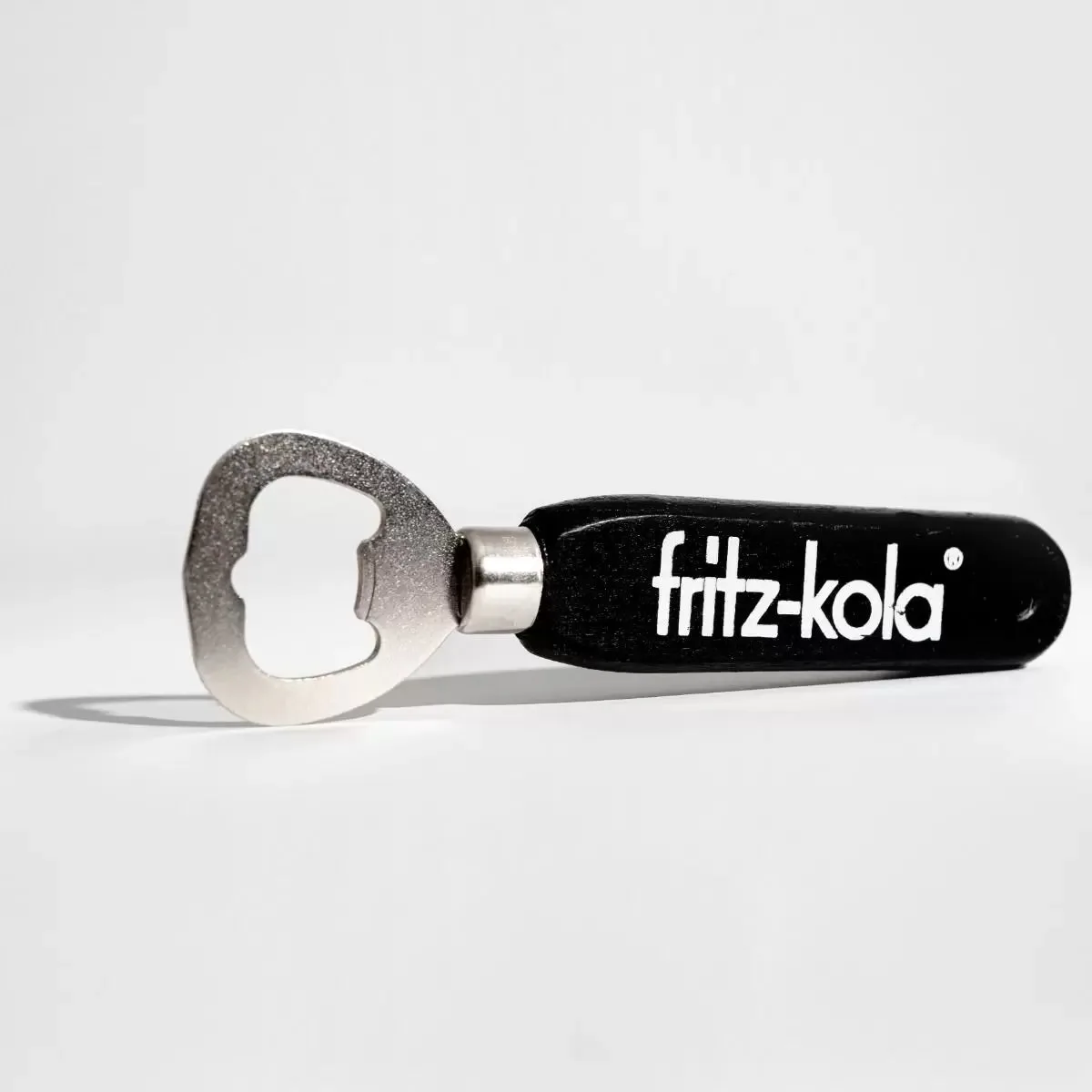
- flaschenöffner holz schwarz: The flaschenöffner holz schwarz is made from FSC-certified wood. Certified wood is still wood — it responds to moisture and heat the same way, so the damp-cloth-and-dry routine above applies fully. The certification tells you where the material comes from, not that it's waterproof.