Quick answer
For long note-taking sessions and drawing where you need variable line weight and easy correction, choose wooden pencils. For smooth, consistent ink lines and a bolder look on finished work, choose gel pens. If you grip tightly or write for hours, test a wooden pencil first because its barrel shape and graphite feedback often reduce hand fatigue. If you need permanent, skip-free marks, a gel pen is the better pick.
Grip comfort and hand fatigue
Wooden pencils typically have a hexagonal or round barrel that encourages a relaxed tripod grip. Because graphite glides with light pressure, you do not need to press hard, which can ease hand fatigue during long writing sessions. Gel pens require a more consistent downward pressure to keep ink flowing, and a tight grip can make your hand tired faster. If you have arthritis or write for hours, a wider-barreled wooden pencil or a pencil grip accessory may be more comfortable.
Smudging and line consistency
Gel pens lay down wet ink that can smudge if you are left-handed or write quickly. Drying time varies by paper and ink formulation, so test on your preferred notebook. Wooden pencils do not smudge, but graphite can transfer to the opposite page if you press hard. For clean, permanent lines with no drying time, gel pens win. For smudge-free work you can erase, pencils are the safer choice.
Drawing and shading control
Pencils offer a range of hardness grades, so you can switch from light sketching to dark shading by changing the lead. You can also vary pressure for expressive lines. Gel pens deliver a consistent, opaque line that is difficult to vary in weight, making them better for inking outlines, lettering, or adding bold accents. If your drawing involves building tone and correcting mistakes, start with pencils and use gel pens for final details.
Everyday notes and paper compatibility
Gel pens write smoothly on most papers but can bleed through thin pages, so check your notebook's gsm. Pencils work on almost any surface, including newsprint and recycled paper, and can be erased. For planners, exams, or documents that need permanence, gel pens are often required. For drafts, lists, and anything you might revise, pencils are more forgiving.
Trade-offs at a glance
- Smudge resistance: Wooden pencils do not smudge, but graphite can transfer. Gel pens can smudge until dry, especially for left-handed writers. Choose pencils for smudge-free drafts; choose gel pens for permanent ink when you can let it dry.
- Grip and pressure: Pencils need light pressure and often have shaped barrels. Gel pens need consistent pressure to keep ink flowing. If your hand tires quickly, test a wooden pencil first.
- Line control and correction: Pencils allow variable line weight and erasing. Gel pens give consistent, opaque lines that are hard to vary or erase. Use pencils for sketching and revising; use gel pens for inking and final notes.
Product facts
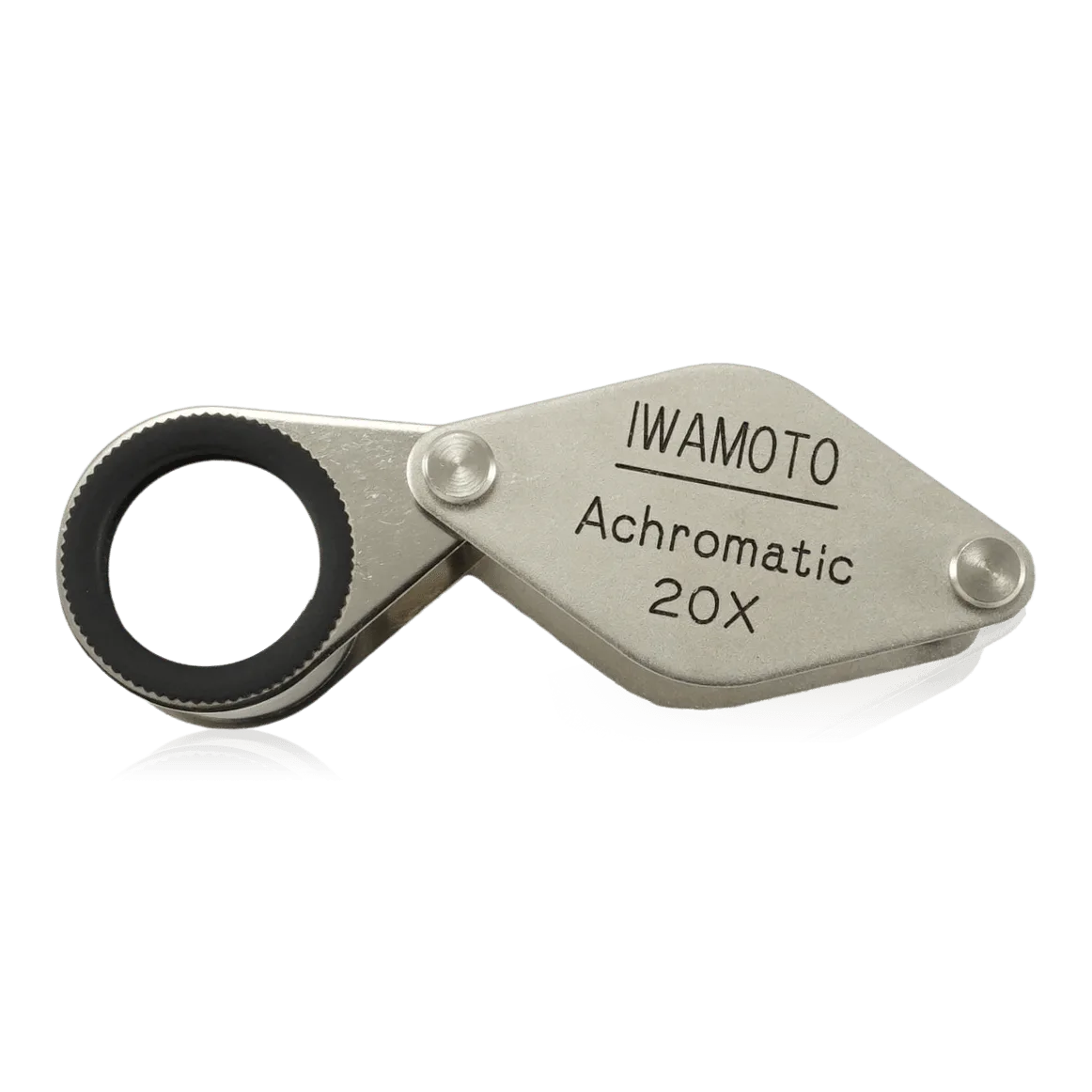
- Iwamoto Magnifier: Iwamoto Magnifier is a 20x hand lens that reveals miniature details in botany, biology, and earth science. Useful for examining pencil lead grades, paper texture, or ink lines up close when choosing a writing tool.
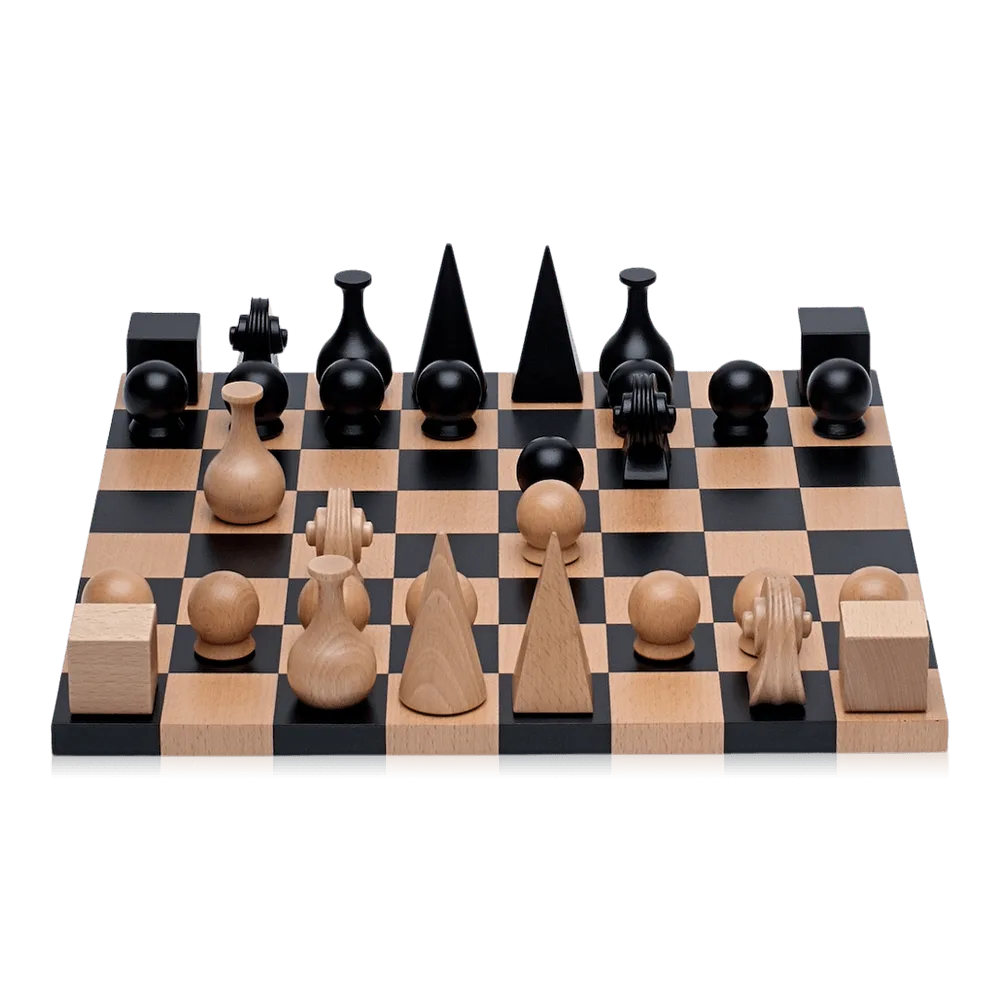
- Man Ray Chess Set: Man Ray Chess Set is made in Germany from solid beechwood with clear lacquered and black painted finishes and wool felt pads; chess set and board sold separately. A reminder that wooden objects like pencils and chess sets share tactile qualities that some writers prefer for grip and feel.
Which should you choose?
Best for
- Students and note-takers who write for long sessions and need to erase
- Artists who sketch, shade, and build tone with variable line weight
- Left-handed writers who want to avoid ink smudging
Not for
- Anyone who needs permanent, skip-free ink for official documents
- Writers who prefer bold, consistent lines with no sharpening
- People who dislike graphite transfer on opposite pages