Quick answer
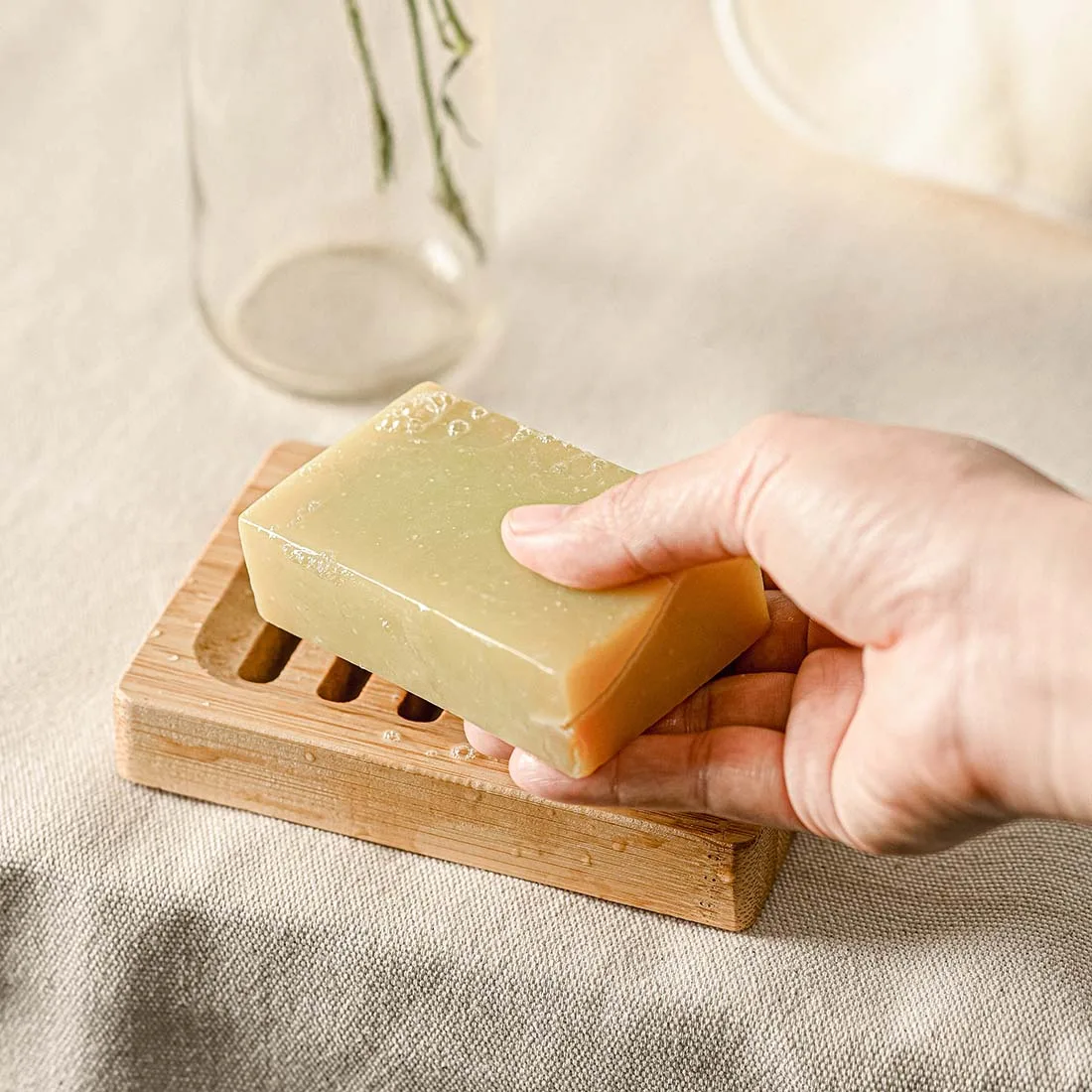
For the driest bar soap, choose a wooden soap dish with carved drainage holes, like Jungle Culture's wooden soap dish, because the open channels let water escape instead of pooling under the bar. Bamboo dishes can work well too, but they tend to absorb more moisture and need more frequent drying. If you want a low-maintenance eco soap dish, wood with real drainage is the safer pick.
Why drainage matters more than the material name
A soap dish keeps bar soap dry only if water can leave the dish. Flat dishes, whether wood, bamboo, or ceramic, trap a film of water under the bar. That film is what turns soap soft, sticky, and short-lived. Jungle Culture's wooden soap dishes are carved with horizontal drainage holes, which lets water drain away and helps the bar dry faster between uses.
Material still matters, but drainage design comes first. A wooden dish with holes will outperform a bamboo dish with a flat surface, and a bamboo dish with raised ribs can outperform a smooth wooden one. When you compare wooden soap dish vs bamboo options, check the drainage pattern before you check the label.
Wood vs bamboo: how each handles a wet bathroom
Wood and bamboo are both natural, renewable materials, but they behave differently around water. Bamboo is a grass that grows quickly and is often denser and harder than many woods, which can make it more resistant to scratching. Wood is typically easier to carve into shaped channels and drainage holes, which is why many wooden soap dishes have more open drainage.
Neither material is waterproof on its own. Both can crack, warp, or grow surface mold if they sit in standing water for weeks. The practical difference is that a wooden dish with holes dries out faster, while a bamboo dish without holes holds moisture longer against the soap. That makes the wooden dish the better soap dish for bar soap in a shared, frequently used shower.
How to care for a wooden or bamboo soap dish
Rinse the dish with warm water and a soft brush every week or two to remove soap residue, which is what feeds mold. Dry it fully before putting the bar back. Once a month, rub a food-safe oil or beeswax into bare wood or bamboo to slow water absorption and reduce cracking.
Never leave the dish sitting in a puddle on the tub edge or sink. If your shower has no ledge, choose a dish that drains into the tray and empty the tray. Bamboo soap dish care is mostly about frequency: bamboo tends to need drying and oiling a little more often than a well-drained wooden dish.
What to check before you buy
Look for visible drainage holes or raised ribs, not just a groove. Check that the dish is wide enough for your bar so the soap does not overhang and drip onto the counter. A dish that fits your bar snugly will keep more water off the surface than an oversized one.
If you use several bars, such as a body bar and a shampoo bar, buy two smaller dishes rather than stacking them. Stacked bars stay wet on the contact side and dissolve faster. Pair the dish with a bamboo cotton bud or a natural scrub bar only after the dish itself drains properly.
Trade-offs at a glance
- Wooden dish with drainage holes: Open channels move water away from the bar, so soap stays firmer and lasts longer. The trade-off is that bare wood still needs occasional oiling and should not sit in standing water. Best pick if dryness and bar longevity matter most.
- Bamboo dish: Bamboo is fast-growing and often dense and hard, which can resist scratching. But bamboo tends to absorb moisture, so a flat bamboo dish dries more slowly and needs more frequent drying and oiling. Choose bamboo only if it has raised ribs or holes, not a flat surface.
- Flat dish of either material: No drainage means water pools under the bar no matter how good the material is. This is the most common reason bar soap turns soft and sticky. Skip flat dishes unless you dry the bar and dish after every use.
Products that fit this comparison
- Wooden Soap Dish | Eco Bathroom Soap Dishes: Made from 100% sustainable and eco-friendly wood with horizontal drainage holes. The carved holes let water escape so bar soap dries faster and lasts longer, which is the main reason this dish wins on dryness.
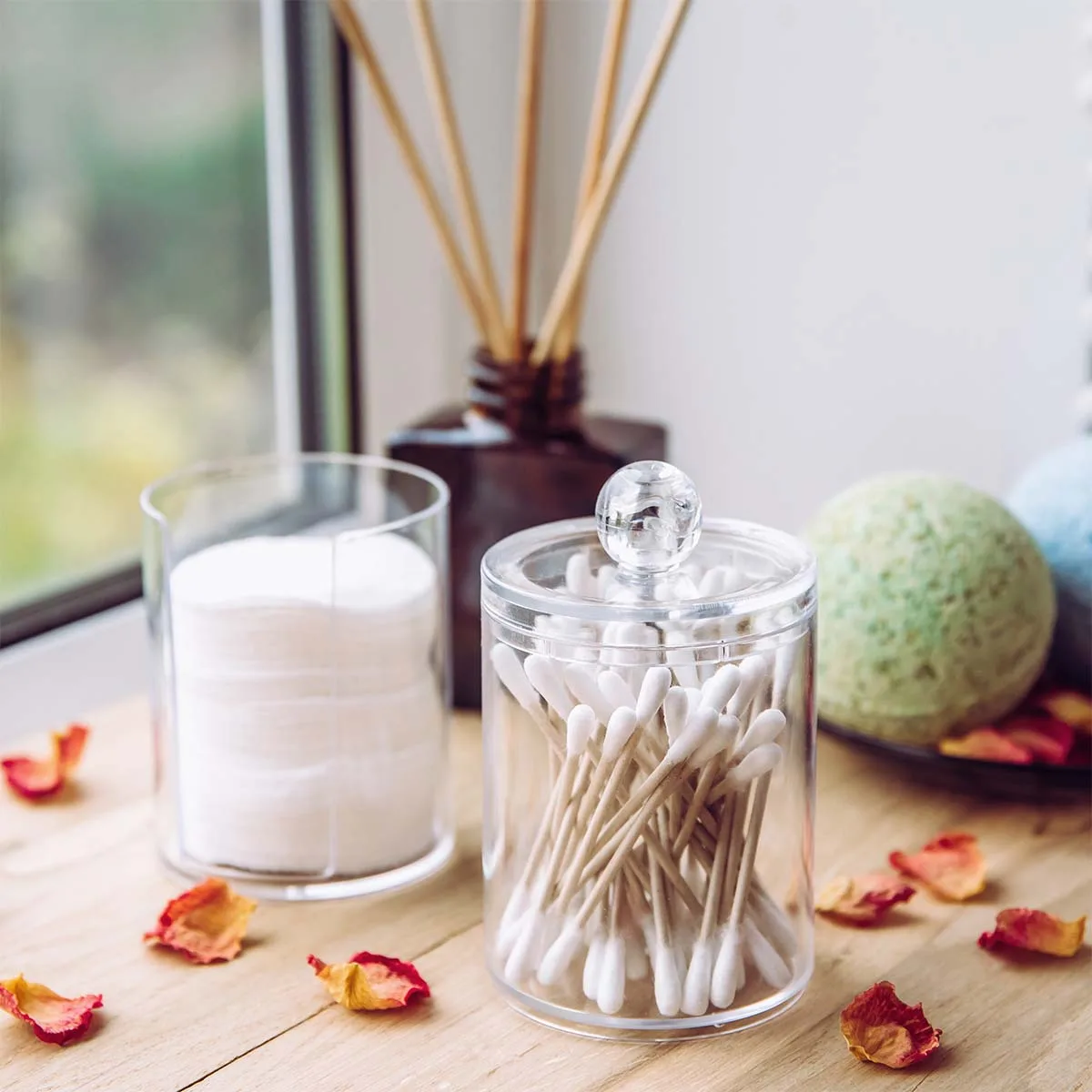
- Bamboo Cotton Buds | Eco Cotton Swabs (200 Pieces): Produced using eco-friendly bamboo and organic cotton, with a strong, thick bamboo handle designed to resist breaking. Shows how bamboo performs in a bathroom when it is thick and well made, which is the same durability question you are weighing for a bamboo soap dish.
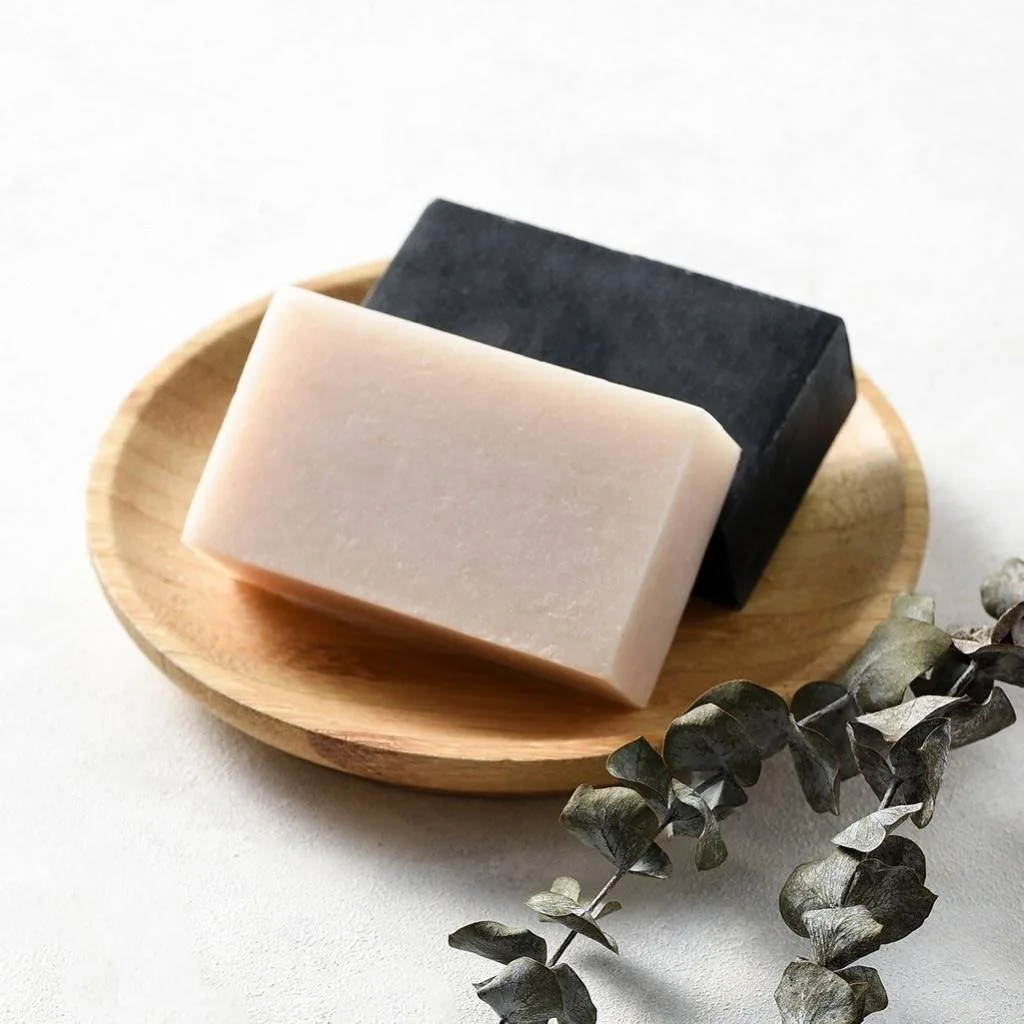
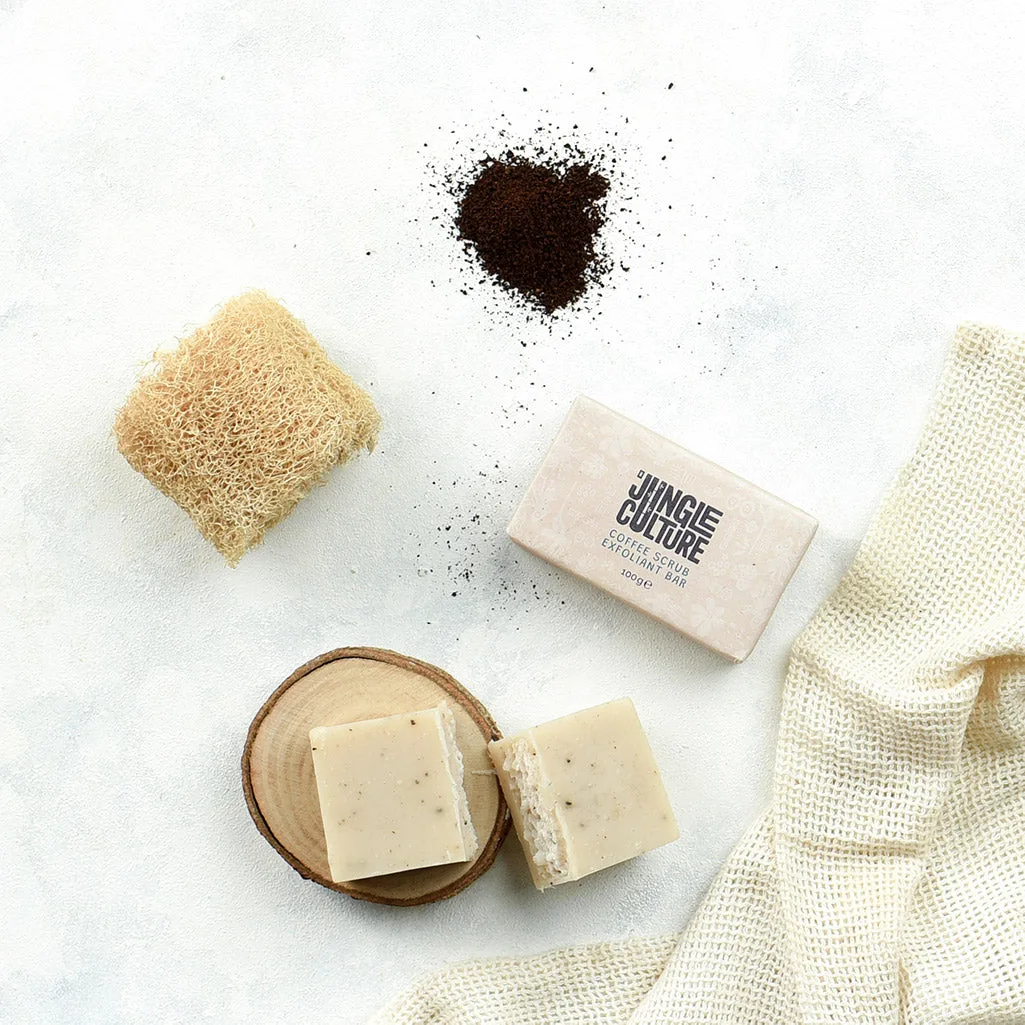
- Coffee Scrub Natural Exfoliant Soap Bar: Filled with deeply aromatic ground organic coffee beans and formulated to gently smooth away dead skin cells. A textured exfoliating bar benefits from a draining dish because it stays firmer and lasts through more showers instead of turning mushy.
- Shaving Soap Bars | Plastic-free Solid Natural Shaving Soaps (100g): Handmade by artisan soap makers in Vietnam, cold pressed and long-lasting, combining organic coconut oil with essential oils. A long-lasting shaving bar is worth protecting with proper drainage, since a soft bar wastes the lifespan you paid for.
Which should you choose?
Choose this if
- You want the driest bar soap with the least daily effort, so a wooden dish with carved drainage holes fits best.
- You use a shared shower and want a low-maintenance eco soap dish that drains on its own.
- You already use solid bars such as a coffee scrub bar or a shaving soap bar and want them to last.
Skip this if
- You refuse to dry or oil the dish at all, in which case a glazed ceramic or silicone dish with holes may suit you better.
- You want a dish for a very large bar that overhangs the drainage area, since a bigger dish or a two-piece draining tray is a better fit.
- You prefer a flat, decorative dish for display rather than daily wet use.