Quick answer
Set up a simple harbour scene with a blue cloth, a few chairs for the wharf and a bell for the ferry horn. Let your child be the captain first, then swap roles so you become the passenger. Add a wooden tea set for the on-board café and a paddle ball for deck games, and keep the scene out for a few days so the story can grow.
A wooden toy ferry does not need batteries or an app to become the centre of a whole afternoon. It works because it gives children a clear role, a route and a reason to talk. You can build a pretend Sydney Harbour on the living room floor in under ten minutes and then let your child run the timetable.
This guide walks through seven steps for turning a simple wooden boat toy into a full pretend play ferry. Each step includes one common mistake to avoid, so you can keep the play flowing instead of fixing it.
Why a ferry is such a strong prop for imaginative play
Ferries carry a built-in story: people get on, they travel, they get off somewhere new. That structure helps children who freeze when you say 'go and play' because it tells them what to do next. A ferry also has clear jobs, captain, deckhand, passenger, café server, so siblings and friends can join without fighting over the same role.
Wooden boats add weight and a satisfying clunk when they dock, which makes the pretend world feel more real. They also survive being dropped on tiles far better than thin plastic hulls, which matters when the ferry route crosses a hard kitchen floor.
- Keep the first setup small. A ferry, two passengers and a wharf is enough to start.
Step 1: Build the harbour before you introduce the boat
Lay down a blue towel, scarf or sheet for the water. Add a wooden chopping board or a stack of books as the wharf, and put two chairs nearby as the ticket office. Do this with your child rather than for them, because the setup is half the play.
The common mistake here is making the scene too elaborate. If you spend twenty minutes building a cardboard Opera House, your child may be too tired to play. A believable harbour needs water, a dock and somewhere to sit.
- Checkpoint: can your child point to where the ferry starts and where it stops?
Step 2: Give the ferry a name and a route
Ask your child to name the ferry and decide where it travels. 'The Sea Dragon goes from Circular Quay to Manly' is enough. Write the name on a sticky note and stick it to the hull, or keep it spoken if your child prefers.
A named boat with a fixed route stops the play from drifting. The mistake to avoid is letting the ferry go everywhere. If it visits ten places in two minutes, the story never settles and your child loses interest.
- Checkpoint: the ferry has one name and two or three stops.
Step 3: Assign roles and swap them
Start with your child as captain and you as a passenger who is slightly nervous about the waves. After one trip, swap. Playing the passenger gives you a chance to model language: 'One ticket to Manly, please. Does the ferry have a café?'
The mistake is staying in charge. If you keep directing the route, your child stops making decisions. Follow their lead, even if the ferry suddenly sails to the moon.
- Checkpoint: your child has made at least one decision you did not suggest.
Step 4: Add a ticket booth and paper tickets
Cut small rectangles from scrap paper for tickets. A wooden block or a small box becomes the ticket machine. This adds a fine-motor task and a turn-taking routine: buy a ticket, hand it over, board the ferry.
Avoid writing the prices yourself if your child can write. Let them scribble numbers or draw symbols. The mistake is correcting the spelling on a pretend ticket, which pulls everyone out of the story.
- Checkpoint: every passenger has a ticket before boarding.
Step 5: Stock the on-board café
The WOODEN TOY - ICONIC TEASET is a natural fit here. It is designed not to be pink or blue, so it works for any child, and it lets your little barista serve pretend almond chai or a milky tea with lots of sugar. Pair it with the WOODEN TOY - ICONIC AUSTRALIAN ARNOTT'S BICKIES for a snack counter that looks almost good enough to eat.
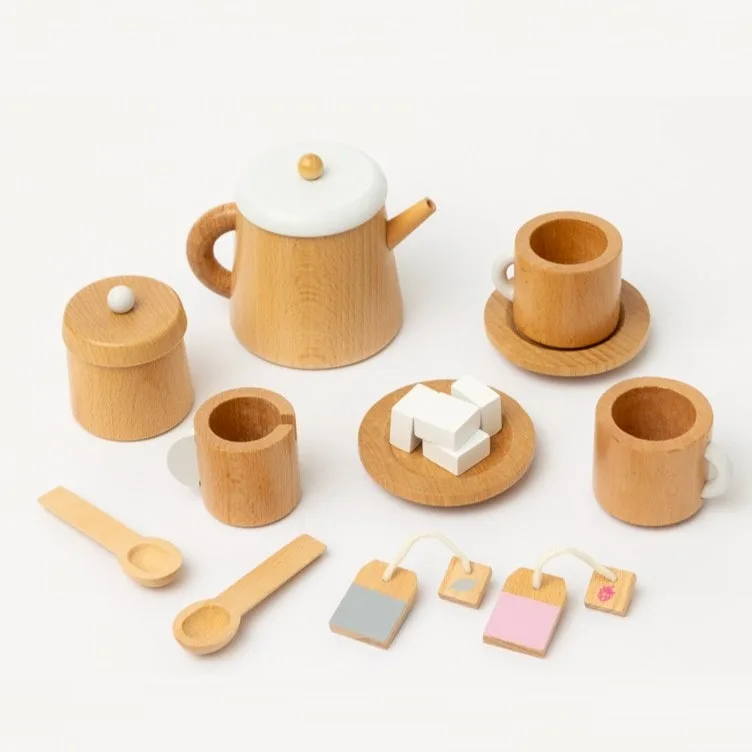
WOODEN TOY - ICONIC TEASET
The mistake is putting out every cup and saucer at once. Start with two cups and one plate, then add more when the café gets busy.
- Checkpoint: the café has a menu, even if it is just two items.
Step 6: Add deck games for the crossing
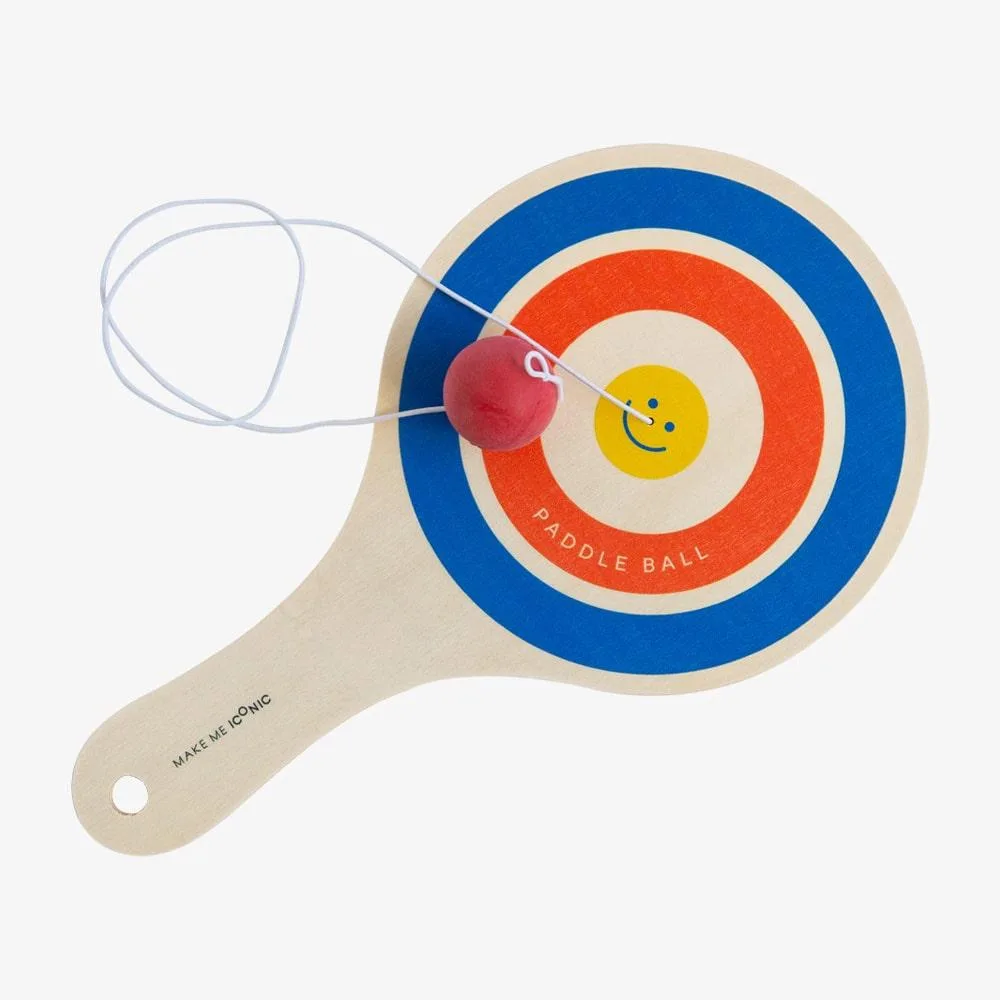
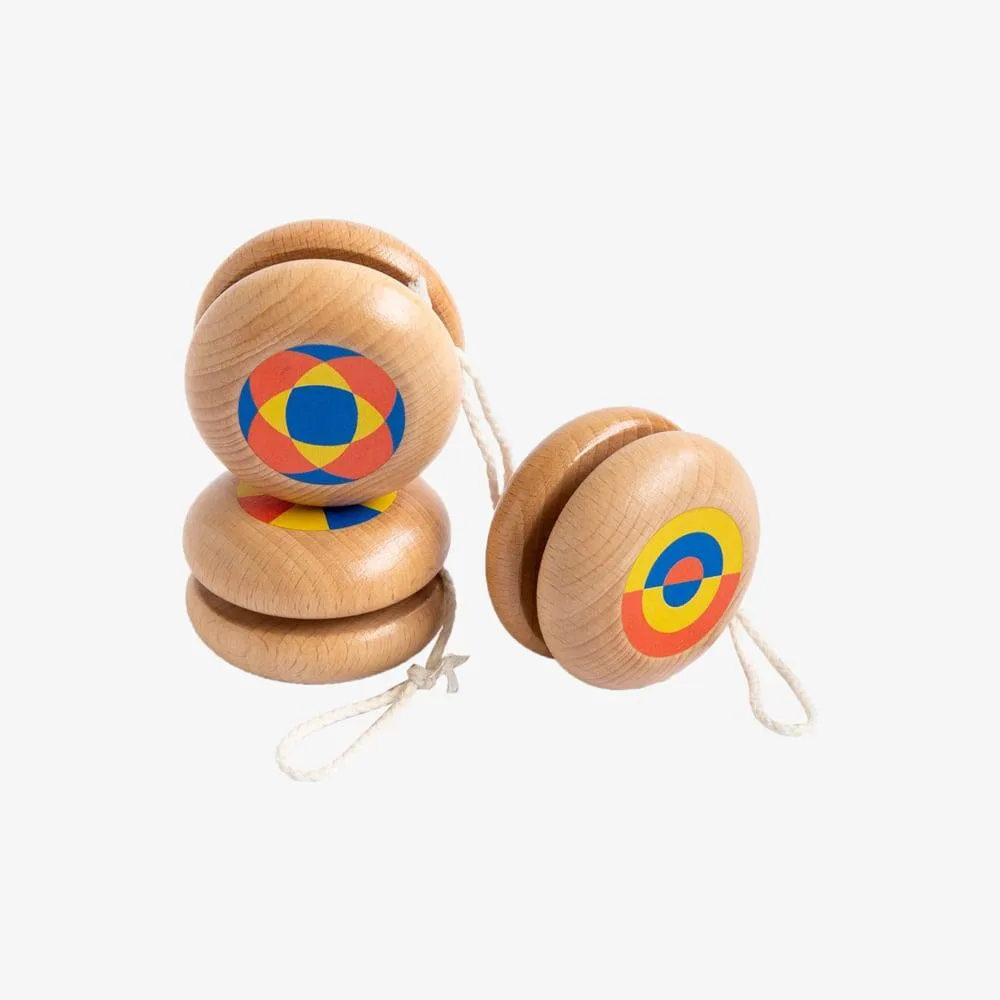
A crossing needs something to do. The WOODEN TOY - LOOSE CHANGE PADDLE BALL is a solo challenge that builds hand-eye coordination, and it fits neatly into a ferry story as a deck game. The WOODEN TOY - LOOSE CHANGE YO YO is another small, portable option that suits beginners and spins smoothly with practice.
The mistake is introducing a game that needs a flat table when your ferry is on a carpet. Test the game on the actual play surface first.
- Checkpoint: the game can be played sitting down on the ferry.
Step 7: Keep the harbour out for a few days
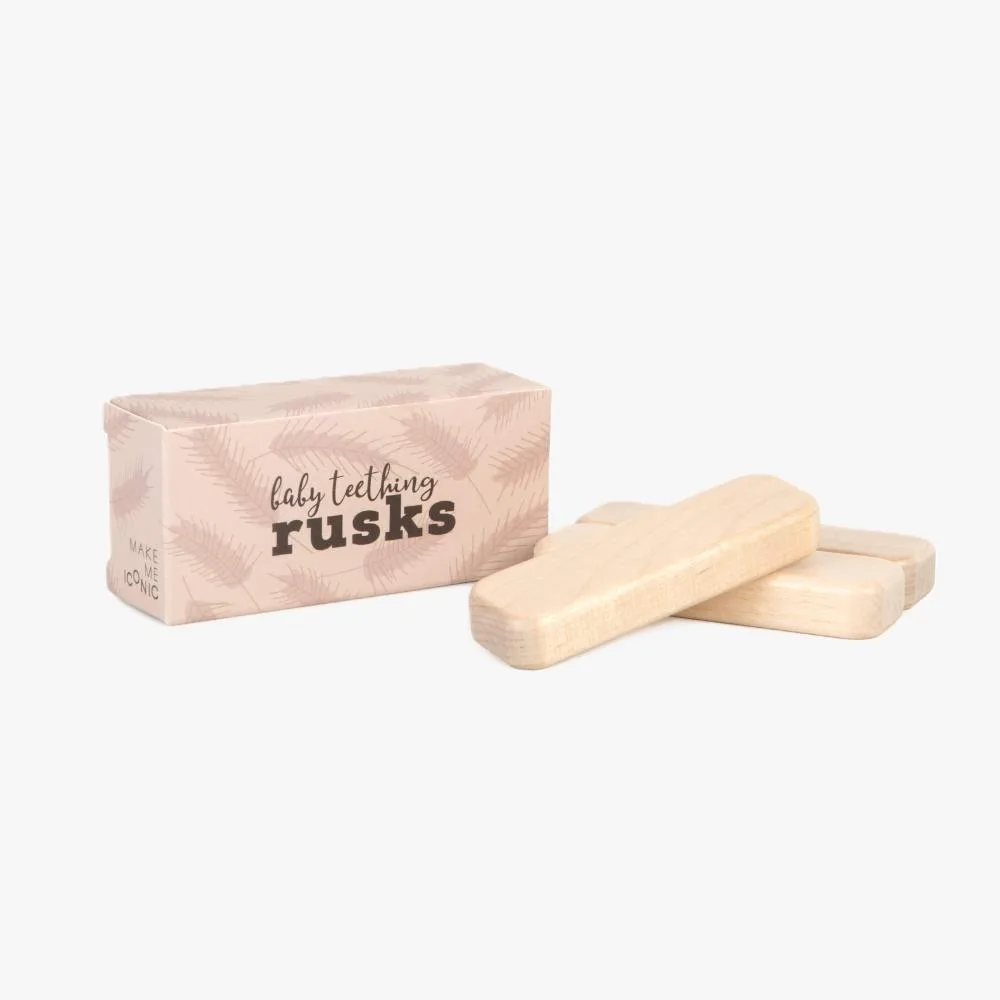
Leave the ferry, tickets and tea set in place overnight if you have the floor space. Returning to a scene that is already set up lets your child go deeper instead of starting from scratch. Add one new item each day, such as the WOODEN TOY - LOOSE CHANGE DOLL FEEDING RUSKS for a passenger travelling with a teddy bear.
The mistake is packing everything away the moment play ends. A ferry route that survives until tomorrow becomes a much bigger story.
- Checkpoint: one new prop appears on day two without you buying anything.
Seven steps to a ferry route that lasts all week
- Build the harbour first: Lay a blue cloth for water, add a wharf and two chairs for the ticket office before the boat appears. Checkpoint: your child can point to the start and end of the route.
- Name the ferry and set the route: Give the boat one name and two or three stops so the story has a shape. Checkpoint: the ferry does not visit ten places in two minutes.
- Swap captain and passenger roles: Let your child lead the first trip, then ask to be the captain so they can ride as a passenger. Checkpoint: your child makes at least one decision you did not suggest.
- Open a ticket booth: Cut paper tickets and use a wooden block as the machine so every passenger boards with a ticket. Checkpoint: tickets are checked before the ferry leaves.
- Stock the on-board café: Set out the Iconic Teaset and a few Arnott's Bickies, starting with two cups and one plate. Checkpoint: the café has a menu, even a short one.
- Add a deck game: Bring out the Loose Change Paddle Ball or Yo Yo for the crossing, and test it on the actual play surface. Checkpoint: the game works sitting down on the ferry.
- Leave the harbour out overnight: Keep the scene set up and add one new prop the next day, such as the Doll Feeding Rusks for a travelling teddy. Checkpoint: day two starts without rebuilding from scratch.
Wooden toys that fit the ferry story
- WOODEN TOY - ICONIC TEASET: Designed not to be pink or blue, with café favourites like a pretend almond chai or skinny mocha latte. A colour-neutral tea set lets any child run the on-board café without the props deciding who should play.
- WOODEN TOY - ICONIC AUSTRALIAN ARNOTT'S BICKIES: A collection of 10 iconic Australian toy biscuits, including Teddy Bear, Iced Vo Vo, Scotch Finger and Tic Toc. Ten pieces give the ferry café a real menu and enough stock for several passengers.
- WOODEN TOY - LOOSE CHANGE PADDLE BALL: A solo game of skill where you hit the attached rubber ball as many times as you can in a row. It builds hand-eye coordination and gives a passenger something to do during the crossing.
- WOODEN TOY - LOOSE CHANGE YO YO: Made from quality timber, available in three unique designs, and easy to throw for beginners. A small, portable deck toy that suits indoor and outdoor play and stores easily with the ferry.
A wooden toy ferry earns its place in the toy box because it gives children a route, a role and a reason to keep talking. Start with water, a wharf and one boat, then let the café, the tickets and the deck games arrive when the story asks for them.