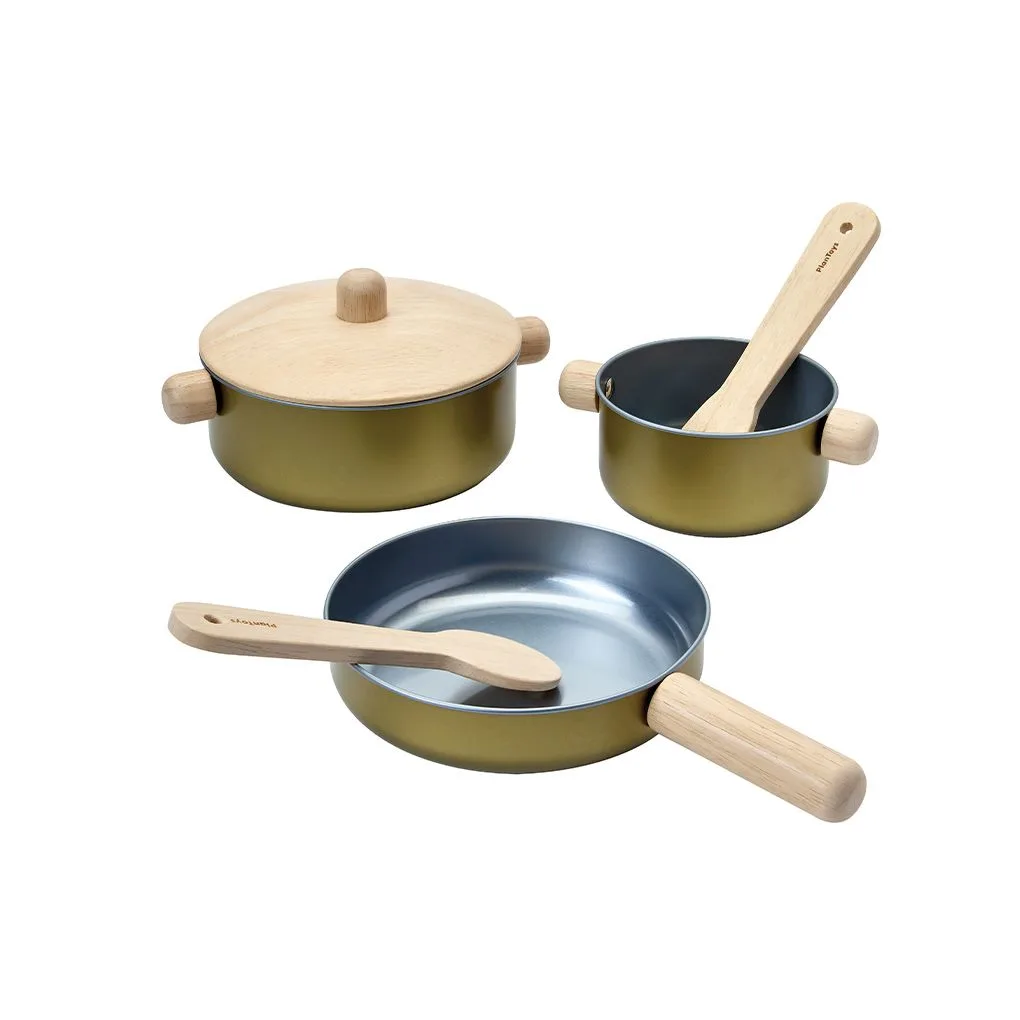
Quick answer
For most families, a wooden toy tea set wins on durability, tactile play value, and long-term cost per use. Plastic sets are lighter and cheaper upfront, so they suit tight budgets or travel. If you want a set that survives daily tea parties and passes between siblings, choose wood. If you need something ultra-light for the pram, plastic is the practical pick.
You are standing in a toy shop, staring at two tea sets: one smooth and wooden, one bright and plastic. The wooden one costs more. The plastic one feels flimsy. Which will your child actually play with longer, and which will survive being dropped on tiles a hundred times?
This comparison breaks down the real differences between wooden and plastic tea sets using durability, play value, safety, and maintenance. It also highlights specific wooden pieces from our range so you can see how the trade-offs play out in practice.
Durability: What Happens After the First Drop
Plastic tea sets are molded in one piece, so they rarely shatter. But they scratch, crack at the spout, and fade in sunlight. Thin plastic handles snap off under a toddler's grip. Wooden sets are heavier and more solid; a dropped wooden cup may dent or chip paint, but it will not crack into sharp shards. Wood also holds its shape, so cups still stack and saucers still fit after months of play.
The weak point for any tea set is small parts. Wooden sets often include tiny spoons or sugar cubes that can go missing. That is why spare parts matter. For example, our WOODEN TOY - ICONIC CAMP FIRE SPARE PARTS shows how a single missing piece does not mean replacing the whole set. The same logic applies to tea sets: buy from a range that offers replacements.
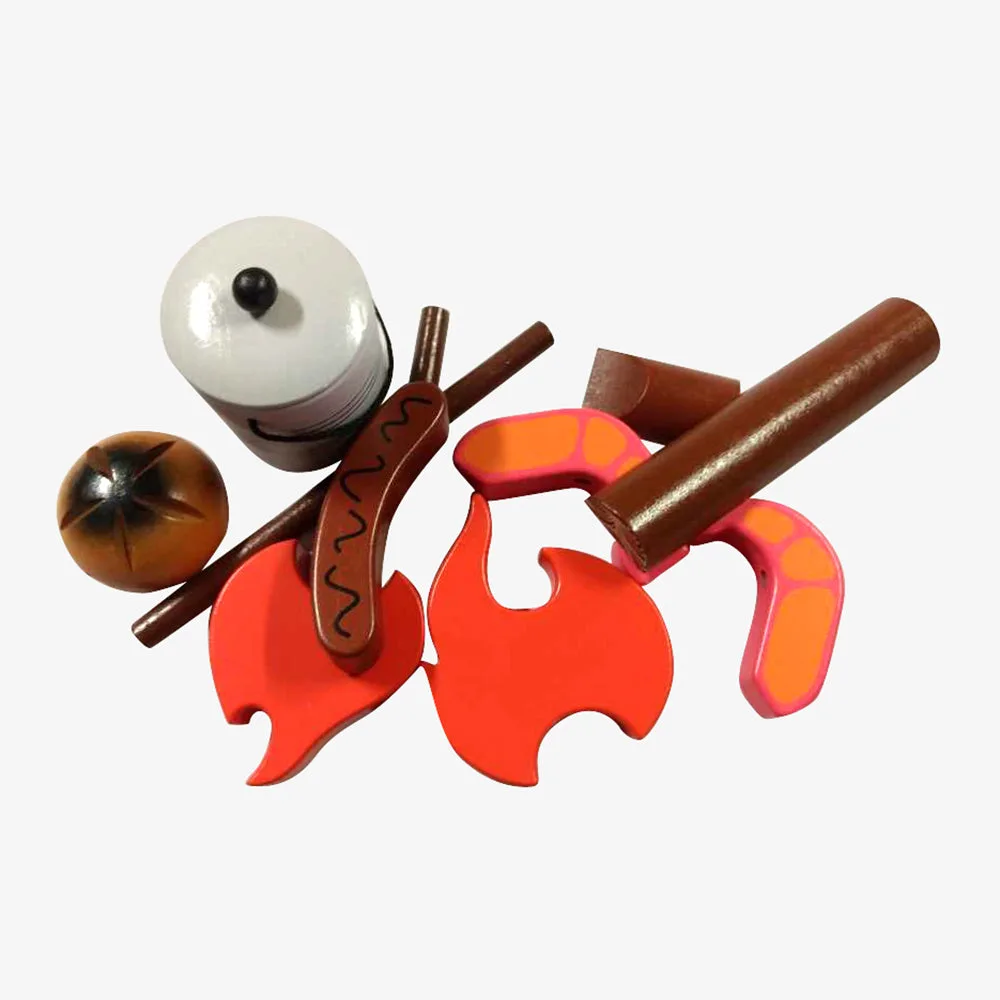
WOODEN TOY - ICONIC CAMP FIRE SPARE PARTS
- Check that wooden parts are smooth-sanded with rounded edges.
- For plastic sets, look for thick, flexible plastic rather than brittle, thin shells.
Play Value: Open-Ended vs Scripted Play
Plastic tea sets often come with molded details like painted cakes or fixed teapot lids. That can limit imagination because the toy already looks like one thing. Wooden sets are usually simpler: a plain cup, a saucer, a teapot. That blank canvas invites children to invent tea parties, pretend to pour, and assign roles. The weight of wood also gives better sensory feedback, so pouring and stirring feel more real.
Open-ended play grows with your child. A two-year-old might just bang cups together; a five-year-old might host a tea party for stuffed animals. Wooden sets adapt because they do not prescribe a single story. Plastic sets with lots of molded features can feel babyish once the child wants more complex pretend play.
- Choose a wooden set with a few neutral pieces rather than many themed accessories.
- Rotate tea set pieces with other pretend play toys to keep play fresh.
Safety and Materials: What to Check
Both wooden and plastic tea sets can be safe if they meet age guidelines. For wooden toys, check that paints and finishes are non-toxic and water-based. For plastic, look for BPA-free and phthalate-free labels. Avoid vintage or unknown plastic sets, as older plastics may contain unsafe chemicals. Wooden toys should have no splinters or loose parts that could detach.
Size matters too. Tea set pieces are small by nature, so they are not suitable for children under three who still mouth toys. If you have a mixed-age household, keep the tea set for supervised play with older children and offer a different wooden toy for the toddler.
- Wipe wooden toys with a damp cloth and mild soap; do not soak them.
- Inspect plastic sets regularly for cracks that could pinch small fingers.
Maintenance and Longevity: Which Set Lasts Longer?
Plastic sets are easy to clean: a quick wash in warm soapy water and they are done. But they degrade over time. Sun exposure makes them brittle, and repeated washing can dull the finish. Wooden sets need more care. They should not be submerged, and they need re-oiling occasionally if the wood looks dry. In return, a well-cared-for wooden set can last for years and be passed down.
If you want a set that survives teething, dropping, and being left outside, wood is the tougher choice. If you want something you can hose down after a messy play session, plastic is simpler. The trade-off is between low maintenance and long-term durability.
- Keep wooden tea sets out of direct sunlight to prevent warping.
- Store plastic sets away from heaters to avoid warping or cracking.
Trade-offs: Wooden vs Plastic Tea Sets
- Cost upfront: Wooden sets usually cost more than plastic sets. But they last longer and often have better resale or hand-me-down value. If budget is tight, a plastic set works, but expect to replace it sooner.
- Weight and portability: Wooden pieces are heavier, so they stay put on a table but are less portable for travel. Plastic is lighter and easier to pack. Choose plastic if you need a tea set for the pram or car. Choose wood for home play.
- Sensory experience: Wood offers warmth, weight, and a natural texture. Plastic is smooth but can feel cheap and slippery. For children who crave tactile input, wood is more satisfying.
- Repairability: Wooden sets can sometimes be repaired with wood glue or replacement parts. Plastic sets often cannot be fixed once cracked. Check if spare parts are available before buying any tea set.
Wooden tea set alternatives from our range
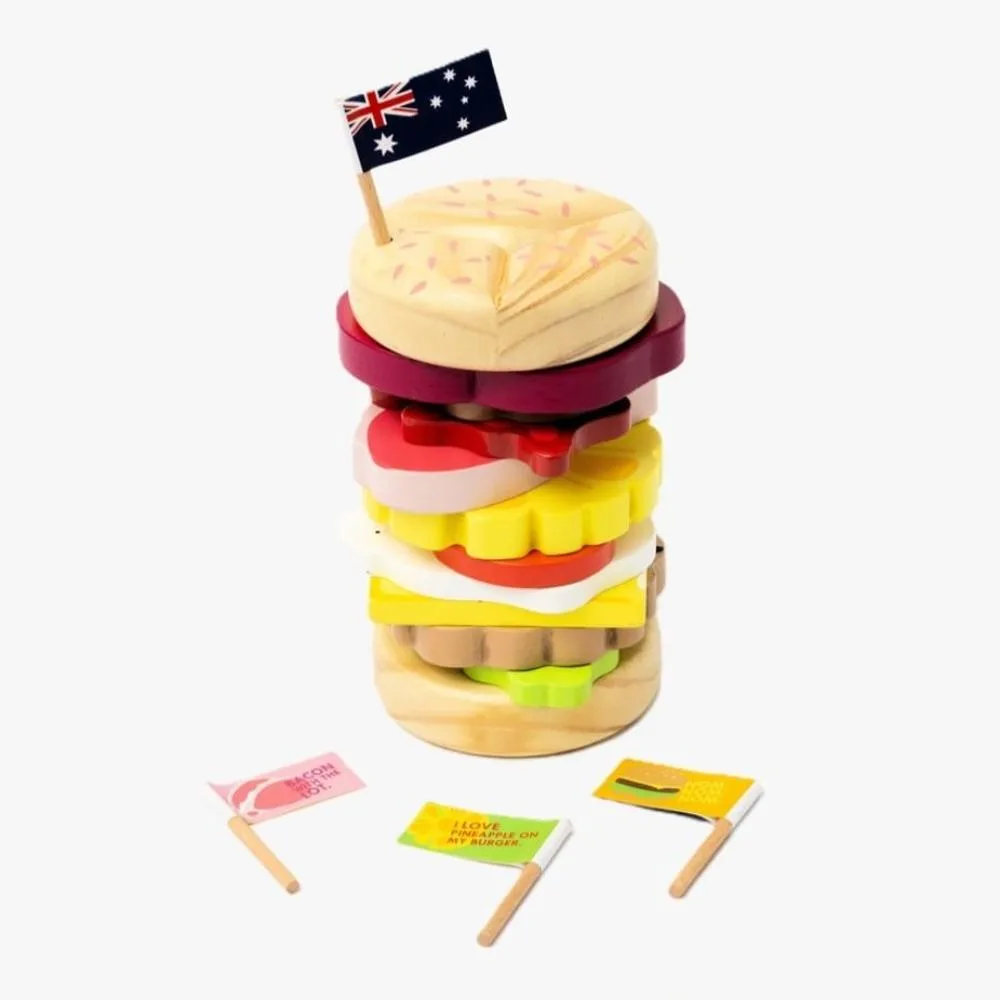
- WOODEN TOY - ICONIC AUSTRALIAN STACKING BURGER: The humble burger is a global icon, but in Australia, we like to mix things up. With our wooden Iconic Australian Stacking Burger, kids can build their very own burger masterpiece, whether it’s a traditional American beef burger or a wildly creative tower full of colourful layers. Like a tea set, this toy proves that open-ended wooden play lets children invent their own stories, which builds language and creativity.
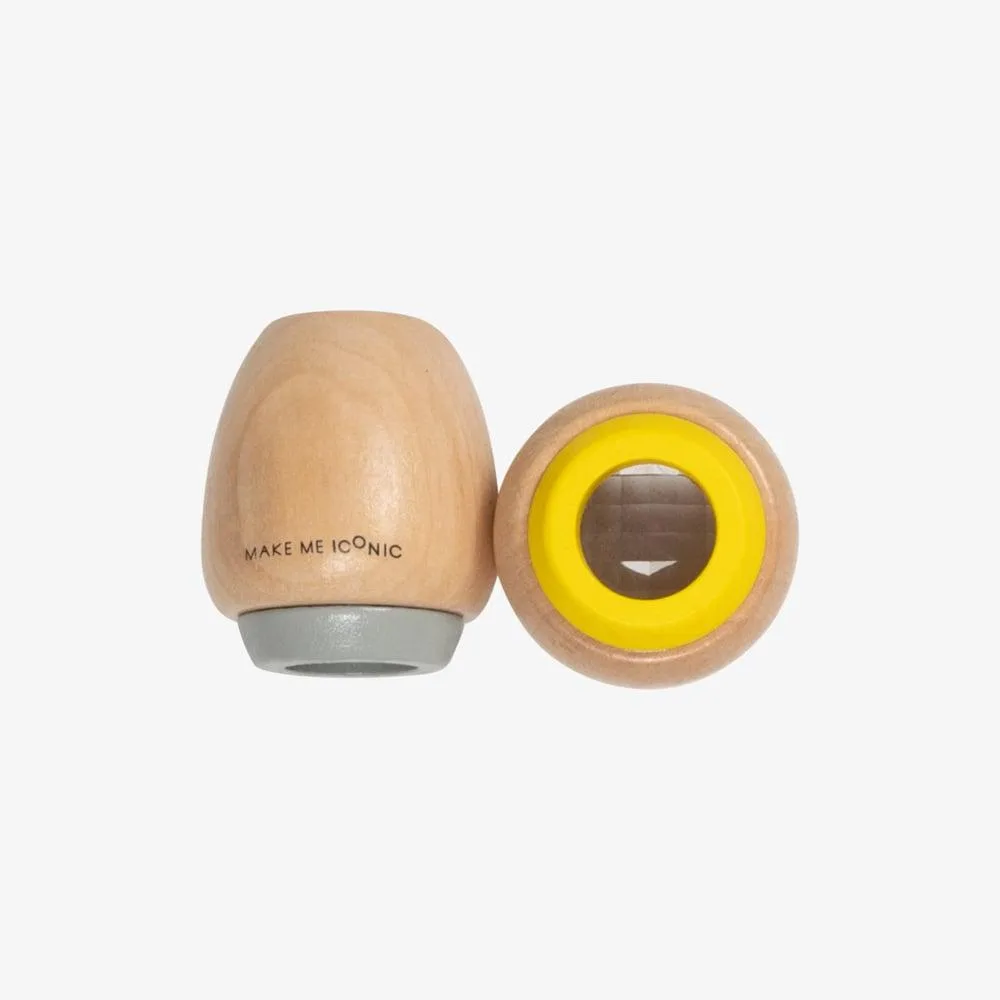
- WOODEN TOY - LOOSE CHANGE KALEIDOSCOPE: Spark curiosity and wonder with this classic wooden kaleidoscope, perfect for exploring light, pattern, and reflection. It’s a hands-on way to introduce the basic principles of physics and optical play, no screens or batteries. Shows that wooden toys can be simple yet educational, a key advantage over plastic toys that often rely on batteries or screens.
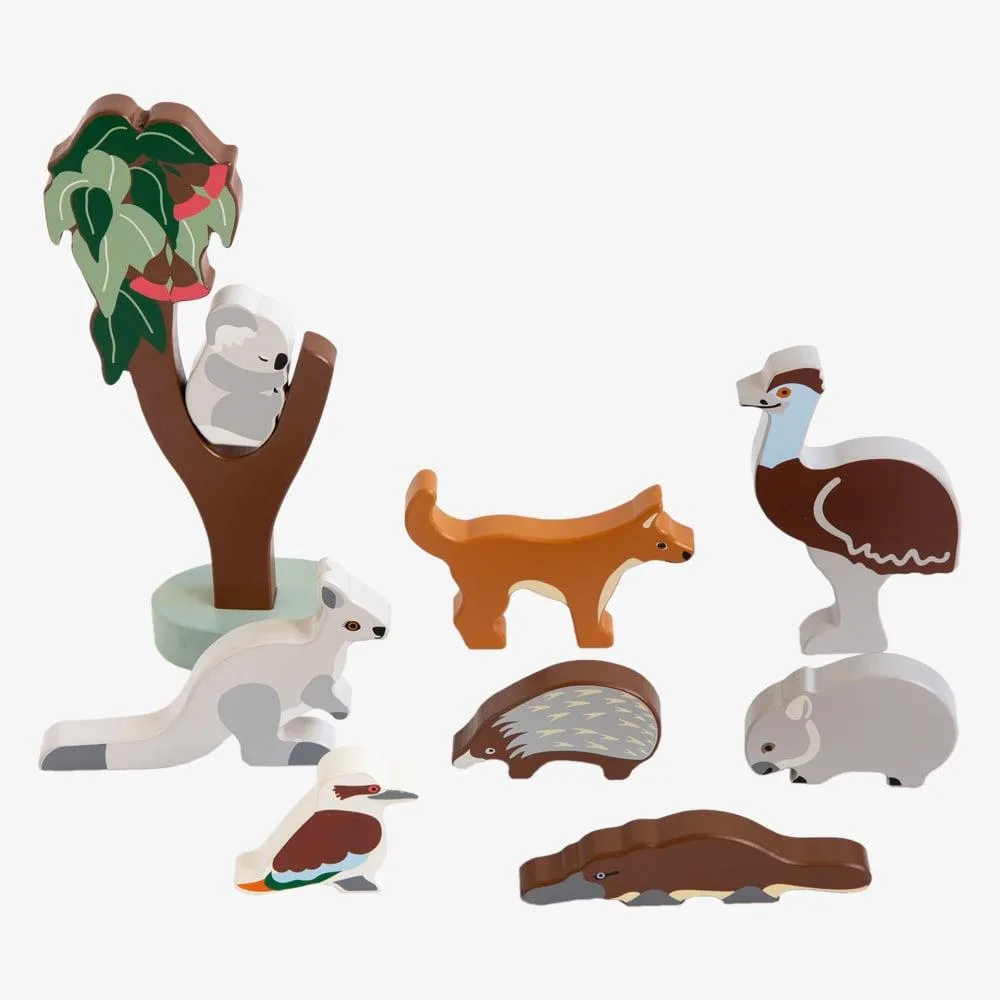
- WOODEN TOY - ICONIC AUSSIE ANIMALS: To be a true Aussie kid, you’ve got to have the real Aussie stuff, not a fleecy polar bear or an African elephant. That’s why we believe every Aussie kid should have their own set of iconic Aussie animals. Highlights the local relevance and durability of wooden toys, which can be a better long-term investment than generic plastic sets.
Which tea set should you choose?
Best for
- Families who want a durable tea set that survives daily play and can be passed down.
- Parents who prefer natural materials and open-ended, screen-free play.
- Children aged three and up who enjoy pretend play and sensory-rich toys.
Not for
- Families on a very tight budget who need the lowest upfront cost.
- Travel or outdoor play where lightweight and easy-clean plastic is more practical.
- Children under three who still mouth toys, as small parts can be a choking hazard.
A wooden toy tea set is the stronger long-term choice for durability and play value, while a plastic set wins on upfront cost and portability. Match your pick to your child's age, your budget, and where the tea parties will happen. Either way, the best tea set is the one that gets played with.