Quick answer
Wooden toys are a smart choice for early development, but not because wood is magic. Their real advantages are simple design, sturdy construction, and open-ended play that lets a child lead. Treat wood as one good option among many, and judge each toy by how well it fits your child's stage and your home.
Why these myths stick around
Wooden toys carry a lot of assumptions. Parents hear that wood is automatically better, that plastic is automatically worse, or that a certain material guarantees a developmental outcome. None of those claims hold up on their own. What matters is how a toy is designed, how it is used, and whether it matches the child in front of you. The five claims below are the ones that come up most often, and each gets a clear verdict.
Myth 1: Wooden toys are always better than plastic
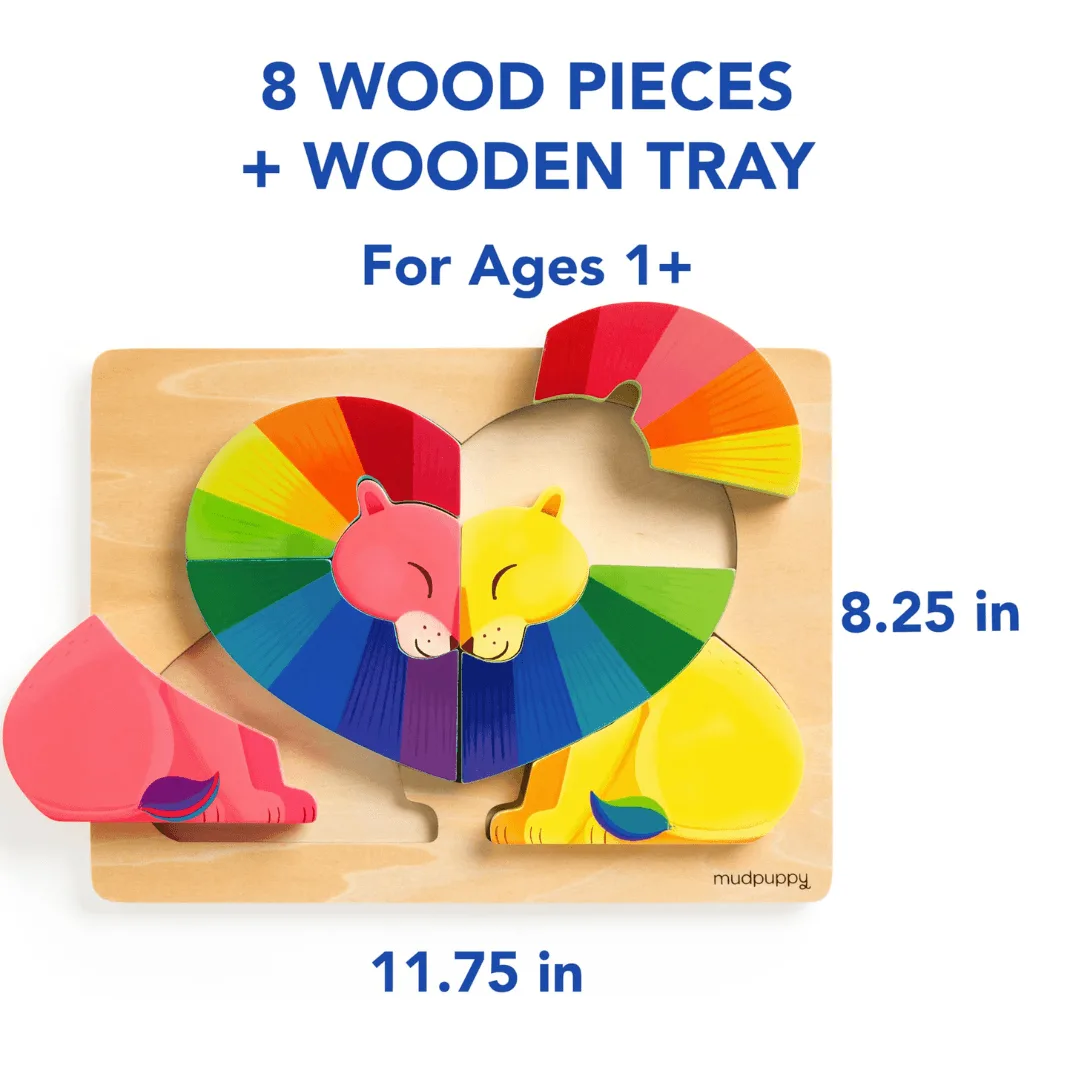
Verdict: False as stated. Material alone does not determine developmental value. A well-designed plastic toy can outperform a poorly designed wooden one, and the reverse is also true. The useful question is not wood versus plastic but what the toy actually asks a child to do. A wooden tray puzzle with a small number of large pieces, for example, gives a toddler a clear physical task: lift, match, and place. That design choice, not the material label, is what supports early problem-solving.
Myth 2: Wooden toys are automatically sustainable
Verdict: Partly true, but not guaranteed. Wood is a renewable material, and a well-made wooden toy can last through multiple children, which reduces replacement purchases over time. But sustainability depends on sourcing, finishes, and how the toy is made, and those details are not visible from the shelf. If sustainability is a priority, look for brands that state their sourcing and finishing practices, and treat durability as the practical part you can actually verify: a toy that survives years of play is doing real environmental work.
Myth 3: Wooden toys are only for quiet, calm play
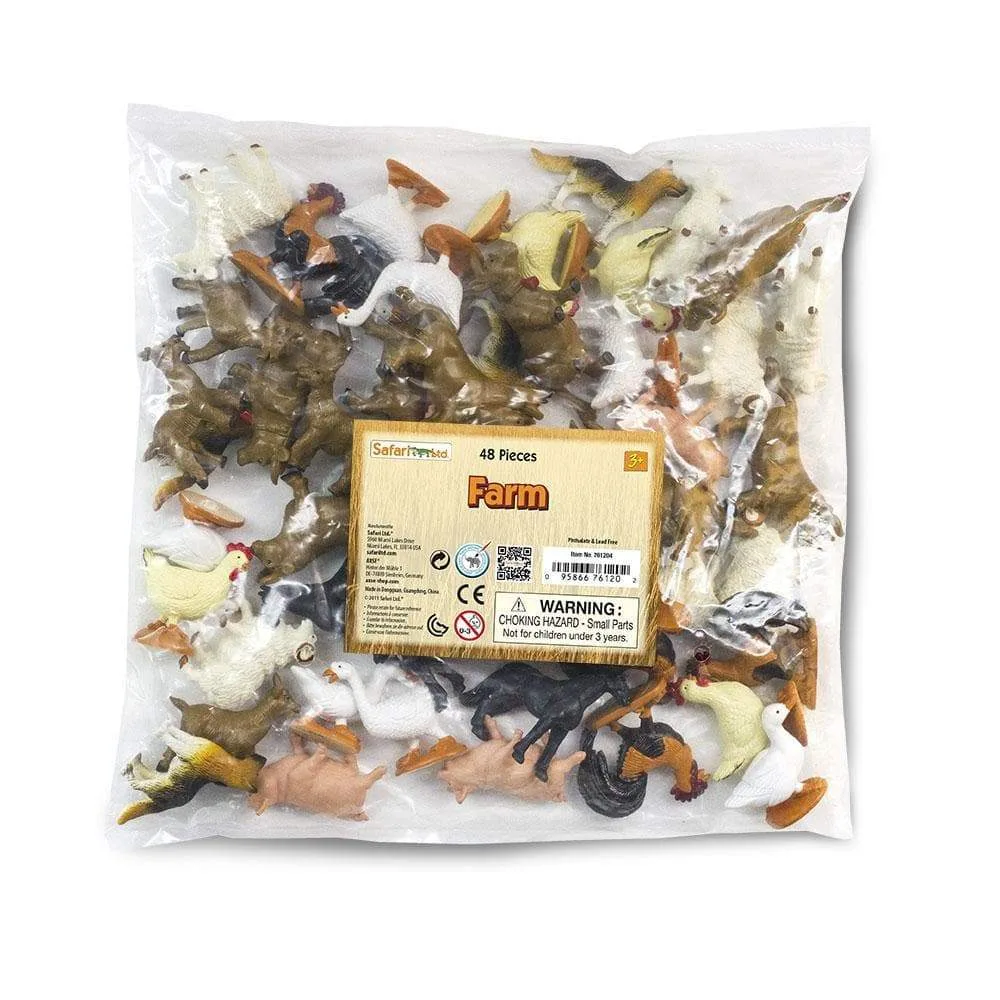
Verdict: False. Wooden toys show up in loud, active, social play all the time. A set of miniature animal figures can become a farmyard full of voices, a stampede, or a rescue mission. The Farm Bulk Bag, for instance, contains 48 figures across 12 unique designs, which is enough for several children to build a scene together or for one child to sort, group, and invent stories. That is imaginative and language-heavy play, not quiet play.
Myth 4: More pieces always means more developmental value
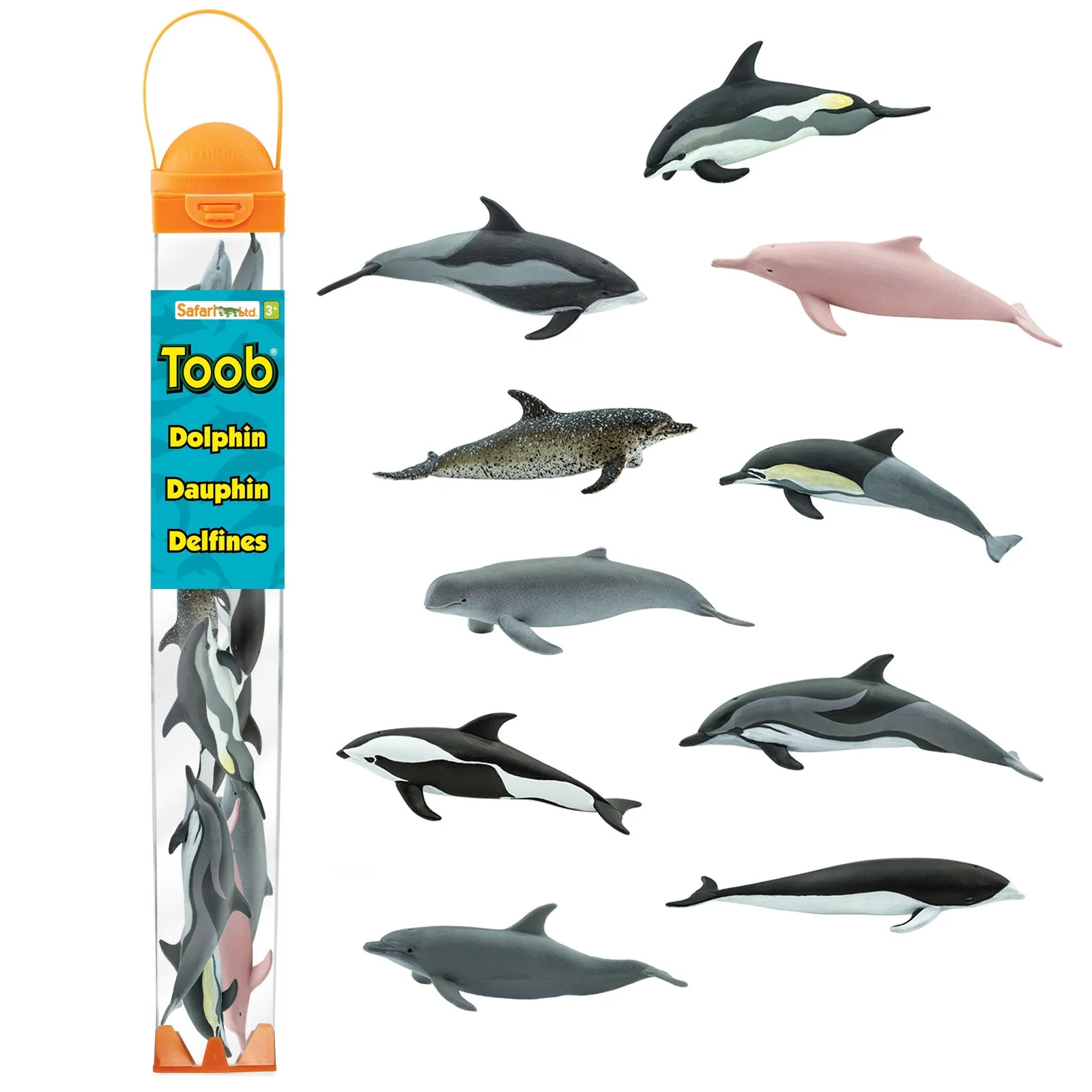
Verdict: False. Piece count is not a quality measure. A small set with a clear purpose can teach more than a large pile with no structure. The Dolphin TOOB® illustrates the other side of this: 10 detailed dolphin figures, each a different species, invite comparison, naming, and sorting rather than sheer volume. For a younger child, a puzzle with 6 to 8 large wooden pieces in a sturdy plywood tray may be the better fit, because the task is achievable and the pieces are easy to handle.
Myth 5: You need a full wooden toy collection to see benefits
Verdict: False. You need a few toys that match your child's current stage, not a complete set. Start with one open-ended item and one focused item. Open-ended toys, such as animal figures, can be reused across many games as your child grows. Focused toys, such as a first puzzle, build a specific skill and then get outgrown. Rotating a small selection keeps play fresh without adding clutter.
Verdicts at a glance
- Wood beats plastic: Material is not the deciding factor. Design, size, and purpose matter more than whether a toy is wood or plastic. Verdict: false as a blanket claim.
- Wood is always eco-friendly: Wood is renewable and durable toys reduce replacements, but sourcing and finishes vary and are not visible on the shelf. Verdict: partly true, verify the details.
- Wooden toys mean quiet play: Miniature figures and bulk animal sets drive loud, social, language-rich play just as easily as any other toy. Verdict: false.
- More pieces, more learning: A small, purposeful set such as a 6-to-8-piece tray puzzle can teach more than a large unstructured pile. Verdict: false.
- You need a big collection: One open-ended set plus one focused toy, rotated regularly, is enough to support play at each stage. Verdict: false.
Products that show the point
- Puzzle Wood Love in the Wild (Mudpuppy): The Love in the Wild Wooden Tray Puzzle by Mudpuppy has 6 to 8 large wooden pieces that fit into a strong plywood tray, and it uses the rainbow lion artwork from Katy Tanis's Love in the Wild board book. The low piece count and tray make it a realistic first puzzle for a toddler, and the familiar artwork gives a child a visual anchor while they work.
- Farm Bulk Bag: The Farm Bulk Bag contains 48 total figures with 12 unique designs. The mix of animal types supports sorting, grouping, and shared storytelling, which is where open-ended wooden and miniature play earns its keep.
- Dolphin TOOB®: The Dolphin TOOB® includes 10 highly detailed dolphin figures, covering species such as bottlenose, striped, Atlantic spotted, long-beaked, Irrawaddy, and Atlantic white-sided dolphins. A themed set with real species differences turns play into comparison and vocabulary practice without needing a large collection.