Quick answer
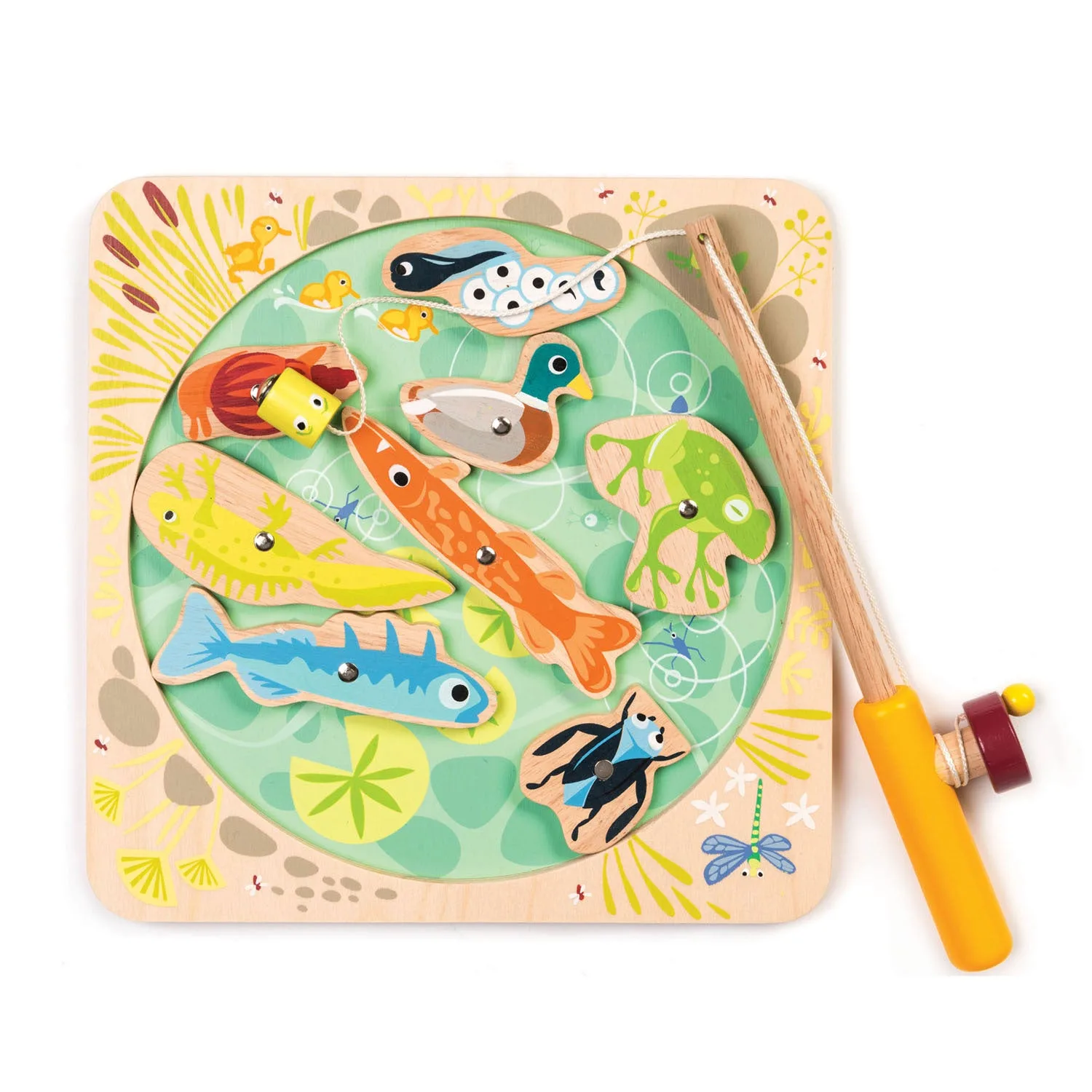
Wooden toys generally win on durability, repairability, and open-ended play, while plastic toys often win on price and easy cleaning. For most families, the best approach is a mixed toy shelf: choose wooden for core play pieces that get daily use, and use plastic for water, sand, or travel. If you want a starting point, Pond Dipping and Baby Blocks show how wooden toys can build fine motor skills without batteries.
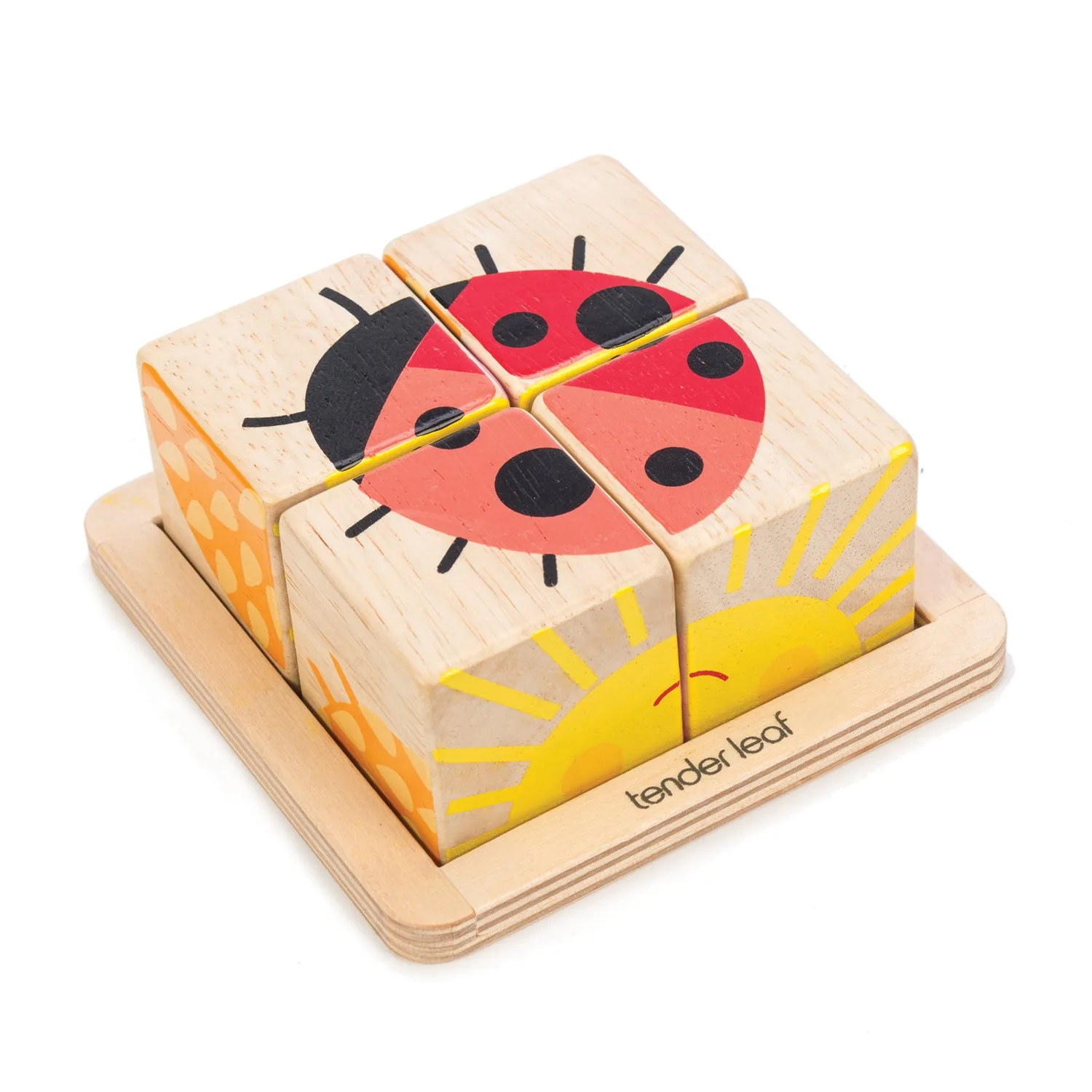
Baby Blocks
Walk down any toy aisle and you will see the split: smooth painted wood on one side, bright molded plastic on the other. Parents often ask which is better, but the honest answer is that they solve different problems. Wooden toys tend to last longer and invite slower, more imaginative play. Plastic toys tend to cost less and survive mud, water, and the bottom of a backpack.
This comparison looks at the real trade-offs using specific Tender Leaf toys, so you can decide where to spend and where to save. We will cover durability, safety, play value, and end-of-life, then give clear fit guidance for different ages and households.
Durability and repairability
Wooden toys are usually solid, screw-together pieces. If a joint loosens, a drop of wood glue and a clamp often fixes it. Plastic toys are frequently sonic-welded or snap-fit, so once a tab breaks, the toy is usually done. That said, cheap plastic is not the same as all plastic: thicker pieces like a ride-on or a water table can outlast thin wooden parts that split when stepped on.
For high-use items, wood usually gives you more years per dollar. For toys that live outdoors or get left in the rain, plastic is the more forgiving choice.
- Check wooden toys for smooth, sealed edges and water-based finishes.
- Avoid plastic toys with thin, flexible joints that will fatigue quickly.
Safety and material feel
Wooden toys for kids are often chosen for what they do not contain: no batteries, no flashing lights, no small electronic parts to swallow. The trade-off is weight. A solid wooden block or dollhouse can hurt if thrown, and a heavy piece can pinch fingers. Plastic is lighter and often has rounded, forgiving edges, but cheaper plastics may have a smell out of the box and can crack into sharp shards over time.
In both materials, the important checks are the same: no loose parts for under-threes, no chipped paint, and no small magnets unless the toy is rated for the age. Wooden toys with magnetic parts, like a fishing set, need a periodic tug test on the magnet.
- Wipe wooden toys with a damp cloth, not a soaking wet one.
- Inspect plastic toys for cracks after heavy outdoor use.
Play value and open-endedness
Wooden toys tend to be simpler, which leaves more room for the child to invent the story. A plain block becomes a phone, a sandwich, or a castle wall. Plastic toys often come with a fixed script: press this button, hear this song, follow the lights. That can be engaging for a few weeks, then boring once the novelty fades.
The trade-off is that simple wooden toys sometimes need a parent to get play started. A plastic toy with sounds and motion can hold a toddler's attention while you cook dinner. Many families keep a few battery toys for exactly that reason and invest more in wood for the toys that will be handed down.
- Rotate toys every few weeks to keep simple wooden sets interesting.
- Pair open-ended wooden toys with a story prompt or a book.
Eco friendly toys comparison
Wood is renewable, repairable, and often biodegradable at the end of its life. Plastic is usually oil-based and rarely recyclable in curbside bins, especially mixed-material toys with electronics. That gives wood a clear edge for families trying to reduce waste. The honest caveat is that not all wood is equal: unsustainably harvested wood or heavy chemical finishes can offset the benefit. Look for FSC-certified wood and water-based paints when you can.
Plastic is not automatically the villain. A single durable plastic toy that gets five years of use has a lower impact than five wooden toys that get abandoned. The real metric is play hours per material, not material alone.
- Pass on wooden toys to younger siblings or a local toy library.
- Recycle rigid plastic toys only where your municipality accepts them.
Trade-offs at a glance
- Durability: Wooden toys can often be repaired with glue and clamps; plastic toys usually cannot be fixed once a joint cracks. Choose wood for heirloom pieces, plastic for rough outdoor use.
- Safety: Wooden toys avoid batteries and electronics but are heavier; plastic toys are lighter but cheaper plastics may crack or smell. Inspect both materials regularly for loose parts and sharp edges.
- Play value: Wooden toys are open-ended and grow with the child; plastic toys often have a fixed script that can wear off. Keep a few battery toys for independent play and invest in wood for daily core toys.
- Environmental impact: Wood is renewable and biodegradable when sourced responsibly; plastic is usually oil-based and hard to recycle. Look for FSC-certified wood and pass toys on rather than discarding them.
How Tender Leaf toys fit the comparison
- Pond Dipping: Includes a fully stocked pond, an extendable fishing rod with a magnetic end, and 8 magnetized pond animals. The rod length can be adjusted to fit different playing levels. A good example of a wooden toy that builds fine motor skills and early ecosystem knowledge without batteries or screens. The adjustable rod means it can grow with a child rather than being outgrown in a season.
- Baby Blocks: A four-piece block set illustrated with warm bright colors and simple graphics. Children can create 4 different animal pictures using the tray to keep them safe. Shows how a simple wooden toy supports hand-eye coordination, spatial thinking, and concentration. The tray doubles as storage, which reduces the chance of pieces getting lost.
- Alouette House: A plywood-fronted dolls house with 10 windows on the front and side panels, each with opening and shutting shutters and windows, plus a porch gable and gabled roof. A larger wooden investment that rewards long-term play. The opening shutters and windows add mechanical interest that a molded plastic house rarely matches, and the solid build is more likely to survive years of doll family drama.
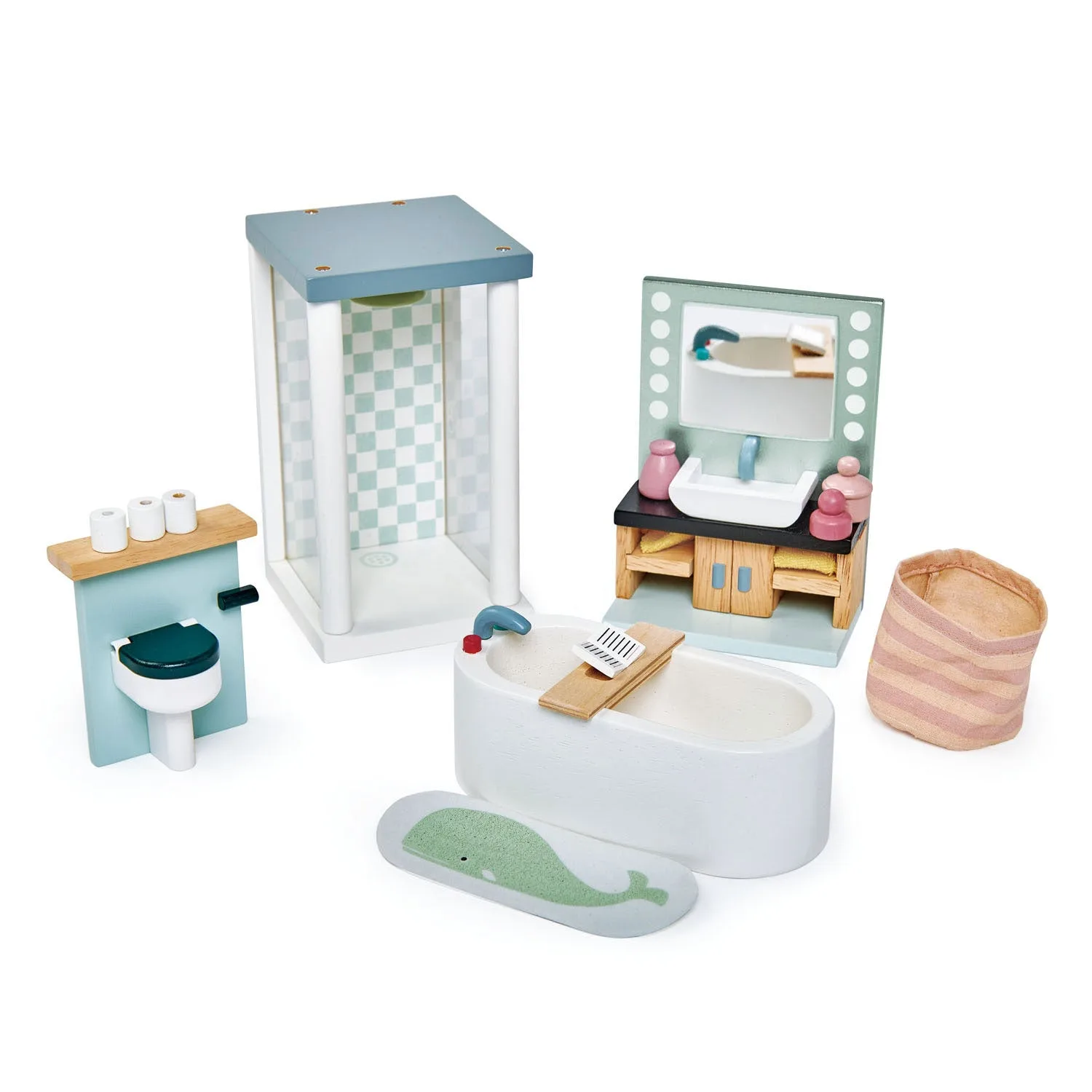
- Dolls House Bathroom Furniture: An ultra stylish bathroom set with sink unit, bathtub, bath tray with book, shower unit, toilet with toilet rolls, bath mat, and laundry bag. Illustrates how wooden accessories extend the life of a main wooden toy. Because the pieces are small and detailed, they suit older preschoolers who have moved past mouthing toys.
Which should you choose?
Best for wooden toys
- Families who want toys that last through multiple children and can be repaired.
- Parents looking for screen-free, open-ended play that builds fine motor skills.
- Households trying to reduce plastic waste and choose more eco friendly toys.
Not for
- Families who need the lowest possible price per toy and do not mind replacing items often.
- Toys that will be left outside in rain, sand, or mud for long periods.
- Children who are not yet past mouthing toys and need very lightweight, chew-safe options.
There is no single winner in the wooden toys vs plastic toys debate. Use wood for the pieces that anchor daily play, like Pond Dipping or Baby Blocks, and keep plastic for the messy, outdoor, or travel jobs. That mix gives you durability where it matters and convenience where you need it.