Quick answer
Wooden toys generally last longer for children because they resist fading, can be sanded and refinished, and hold up through multiple siblings. Plastic toys win in wet, rough, or outdoor play where water and hard drops are common. For most families, the longest-lasting toy collection mixes both: wood for open-ended play at home, plastic for water tables, travel, and quick-assembly favorites.
What actually breaks first on each material
Wooden toys rarely crack from normal play. The failures you see are loose joints, chipped paint at edges, and swollen wood after being left in water. A quick sanding and a child-safe refinish can add years, which is why wooden toys often become hand-me-downs.
Plastic toys fail differently. Thin polystyrene snaps under pressure, and printed decals scratch or peel. But solid plastic resists water and dries fast, so it survives bath toys, sandboxes, and outdoor play that would ruin wood. If a plastic part does break, it usually cannot be repaired, only replaced.
How to judge durability before you buy
Check the material label and the intended age. Polystyrene, for example, is lightweight and best for ages 6 and up, while solid wood and thicker plastics suit younger toddlers who still mouth toys. Heavier does not always mean stronger, but thin, hollow plastic and particle board are the two biggest warning signs.
Look at how the toy is assembled. Screws and glued joints on wood can be tightened or reglued. Snap-fit plastic parts usually cannot. If the toy has small accessories, check whether they are stored inside the main body or separate, because lost pieces end a toy's life faster than breakage.
Care routines that extend toy life
Wood needs dry wiping and occasional oiling, never soaking. Plastic can be washed with mild soap and air-dried, which makes it the better choice for toys that get mouthed or used in water. Follow the maker's care instructions: some items, such as polystyrene plane sets, are labeled not washable, so surface-clean only.
Rotate toys rather than leaving everything out. Fewer toys in reach means less stepping, throwing, and accidental breakage, and it makes missing pieces easier to spot before they disappear for good.
Trade-offs to weigh before you buy
- Wood: repairable but water-sensitive: Wood can be sanded and refinished after scratches, and it holds up through multiple children. It swells, warps, or grows mold if left wet, so it belongs indoors or in dry outdoor play. Choose wood for open-ended indoor toys you plan to keep for years.
- Plastic: water-friendly but often unrepairable: Solid plastic dries fast and handles bath, beach, and messy play. Thin plastic and polystyrene snap under pressure, and broken parts usually cannot be fixed. Choose plastic for water, travel, and toys that get dropped.
- Cost per year, not sticker price: A wooden toy that lasts five years can cost less per year than a cheap plastic toy replaced twice. But a low-cost plastic set that survives daily outdoor use can be the better value. Estimate how long each toy will realistically survive in your home before comparing prices.
- Care instructions decide real lifespan: A not-washable polystyrene set needs dry storage and gentle handling; a washable plastic toy tolerates soap and water. Ignoring the care label shortens life more than the material itself. Read the care line before buying, especially for toys headed to the bath or backyard.
Product facts that show the trade-off
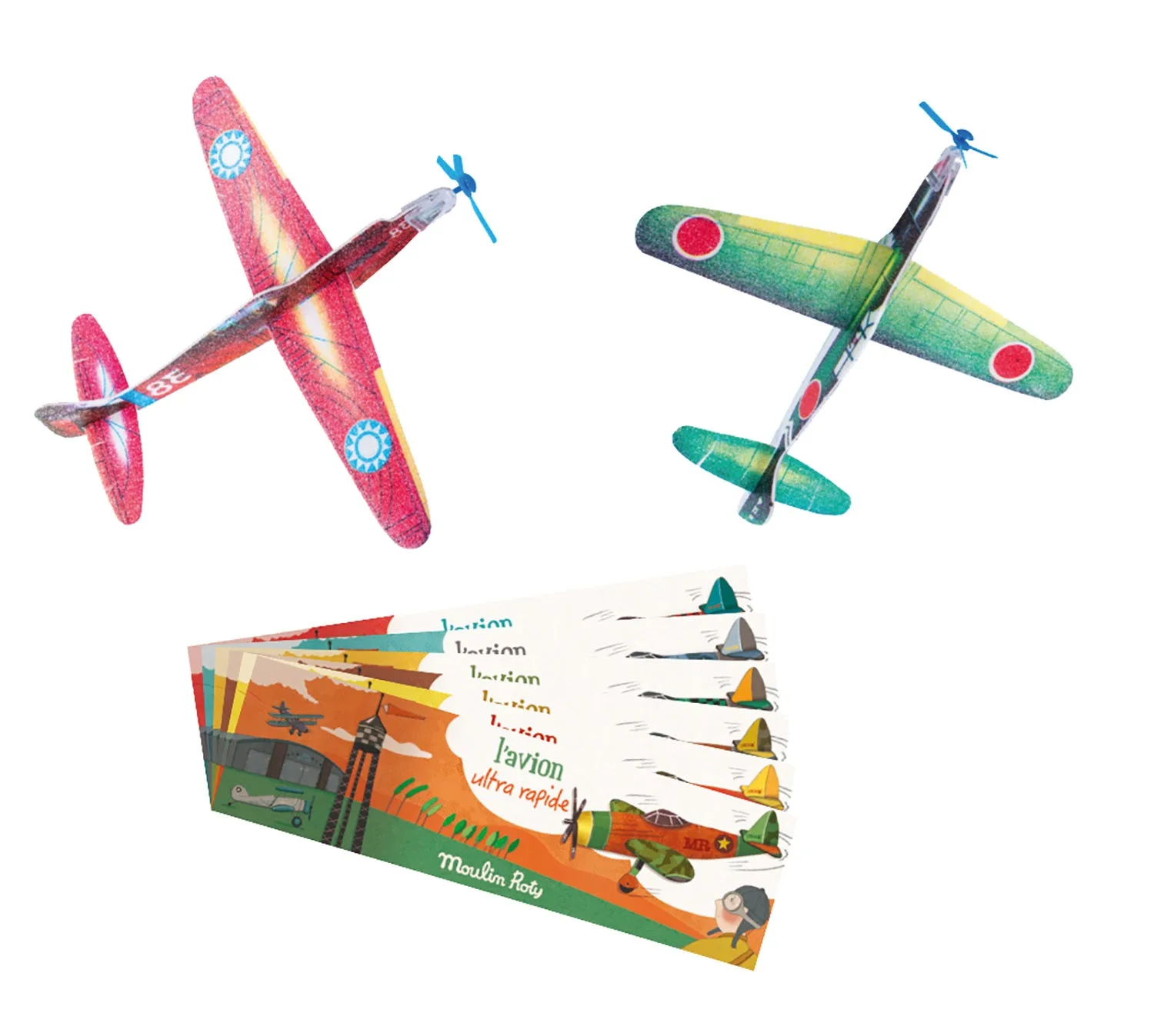
- Display w/ 48 asstd Polystyrene Planes "Little Wonders": Display with 48 assorted polystyrene planes, 6 models, ages 6+, not washable, 6.6 x 0.2 x 7.4 inches. Light polystyrene planes are affordable and fun for older kids, but they need dry, careful play and cannot be washed, so they suit tabletop and party use rather than bath or sandbox play.
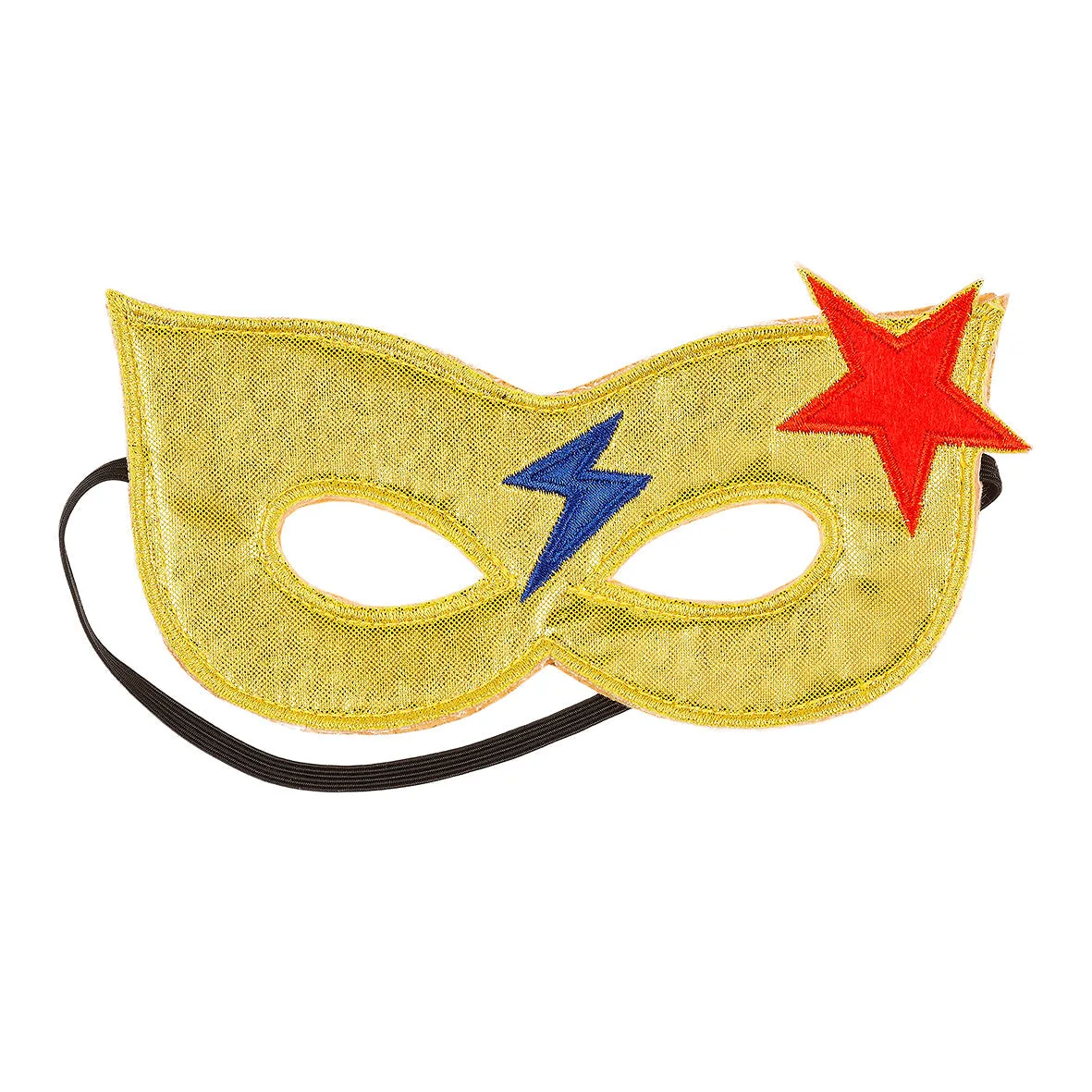
- Super Hero Girl mask-Costume Accessory for Kids - Carnival & Festive Use: Super Hero Girl mask costume accessory for kids, for carnival and festive use, made with quality materials. A mask is a low-commitment accessory that adds role-play value to any costume, but it is not a rough-and-tumble toy, so store it flat to keep its shape between events.
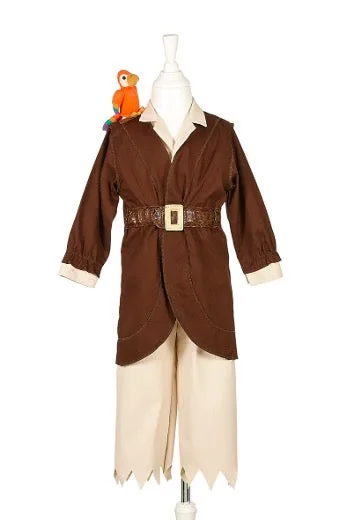
- Christophe Pirate Costume Set for Children-Includes Accessories for Role-Play & Entertainment(2 sizes): Christophe Pirate Costume Set for children, includes accessories for role-play, available in 2 sizes. Fabric costume sets with accessories create repeat pretend play and are easier to store and pass down than rigid toys, as long as you keep the small pieces together.
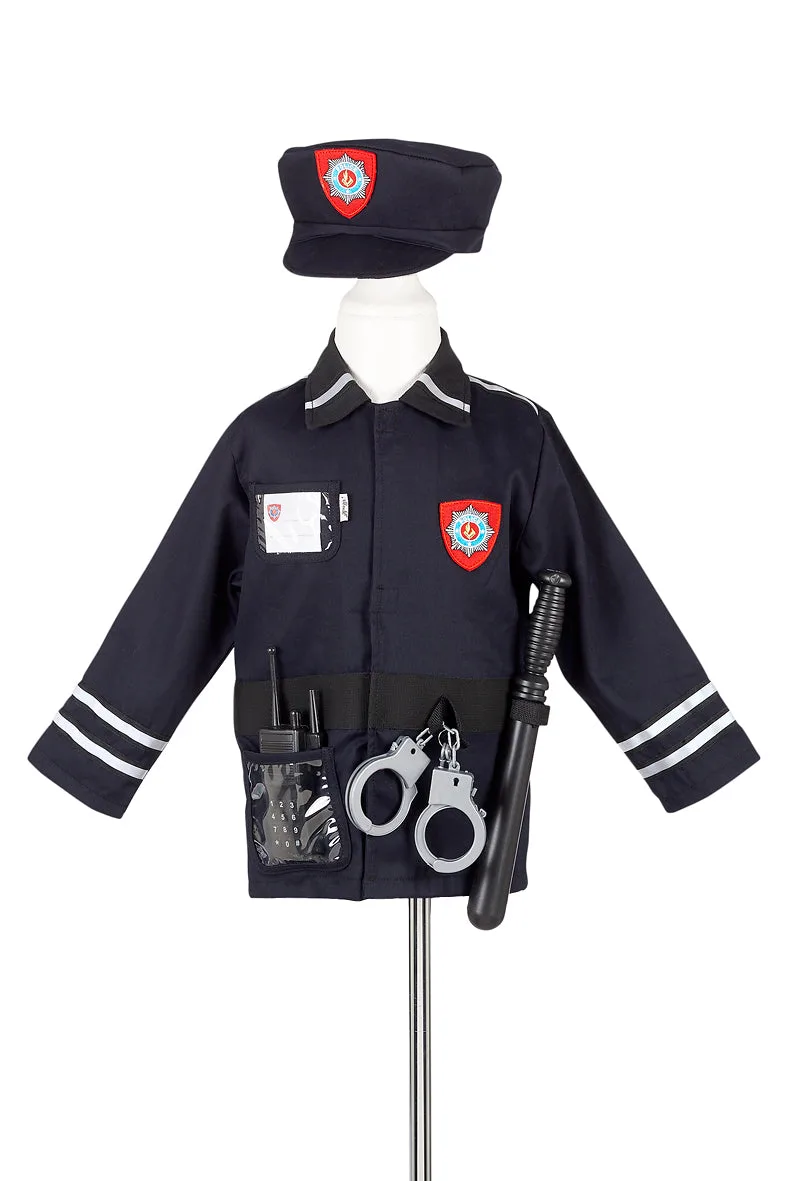
- Policeman Costume Set for Children – Includes Accessories for Role-Play & Entertainment - sz 4-7 yrs: Policeman Costume Set for children, size 4-7 yrs, includes walkie-talkie, badge, and handcuffs accessories for role-play. A complete accessory set supports longer, more varied play sessions, but the small props need a dedicated bag or bin so nothing gets lost between uses.
Which should you choose?
Best for
- Families building a long-term toy collection they want to pass down
- Indoor open-ended play, quiet time, and Montessori-style setups
- Parents who are willing to wipe and occasionally refinish toys
Not for
- Bath, water table, or sandbox play where wood will swell
- Homes that need fully washable toys
- Families who prefer zero-maintenance, replace-and-go toys