Quick answer
Wool is the warmer sweatshirt material when you need heat without bulk, and it keeps insulating even if it gets slightly damp. Cotton hoodies feel softer, cost less, and wash easily, but they hold moisture and lose warmth once wet. If your winters are cold and dry, choose wool; if you want a casual, low-maintenance layer, a cotton hoodie is the practical pick.
How wool and cotton actually trap heat
Wool fibers are crimped and naturally bulk up, creating tiny air pockets that hold your body heat close. That structure also lets wool absorb moisture vapor without feeling clammy, so it keeps insulating in light rain or when you sweat. Cotton fibers are smoother and flatter, so a cotton hoodie relies mostly on thickness and a loose fit to trap warm air. Once cotton soaks up sweat or snow, those air pockets collapse and the fabric pulls heat away from your skin. In dry cold, a mid-weight cotton hoodie can feel warm enough; in wet cold, wool has the clear edge.
Weight, bulk, and layering
A wool sweatshirt can be surprisingly thin and still warm, which makes it easier to wear under a coat without feeling stuffed. Cotton hoodies usually need more fabric volume to match that warmth, and the hood adds bulk at the neck and shoulders. If you layer a cotton hoodie under a jacket, size the jacket up or choose a lighter cotton piece. For wool, check the measurements rather than the tagged size, because wool can be woven or knit at different densities and secondhand pieces may have relaxed with wear.
Care and long-term wear
Cotton hoodies are forgiving: machine wash cold, tumble low, and they bounce back. Wool needs more attention. Wash less often, use cold water and a wool-safe detergent, and lay flat to dry to avoid stretching or felting. The payoff is that wool resists odors longer, so you can wear it several times between washes. If you want a winter layer you can toss in the laundry without thinking, cotton wins on convenience. If you are willing to air and spot-clean, wool stays fresher and holds its shape over seasons.
Trade-offs at a glance
- Warmth when dry: Wool traps more heat per ounce, so a thin wool sweatshirt can outperform a thicker cotton hoodie in dry cold. Choose wool for cold, dry winters or as a low-bulk mid-layer.
- Warmth when damp: Wool keeps insulating in light moisture; cotton absorbs sweat and snow and then feels cold against the skin. If you walk or commute in wet weather, wool is the safer fabric.
- Cost and care: Cotton hoodies cost less and machine-wash easily; wool needs cold hand-washing or gentle cycles and flat drying. Pick cotton if you want low-maintenance laundry; pick wool if you will take the extra care.
Real secondhand options to compare
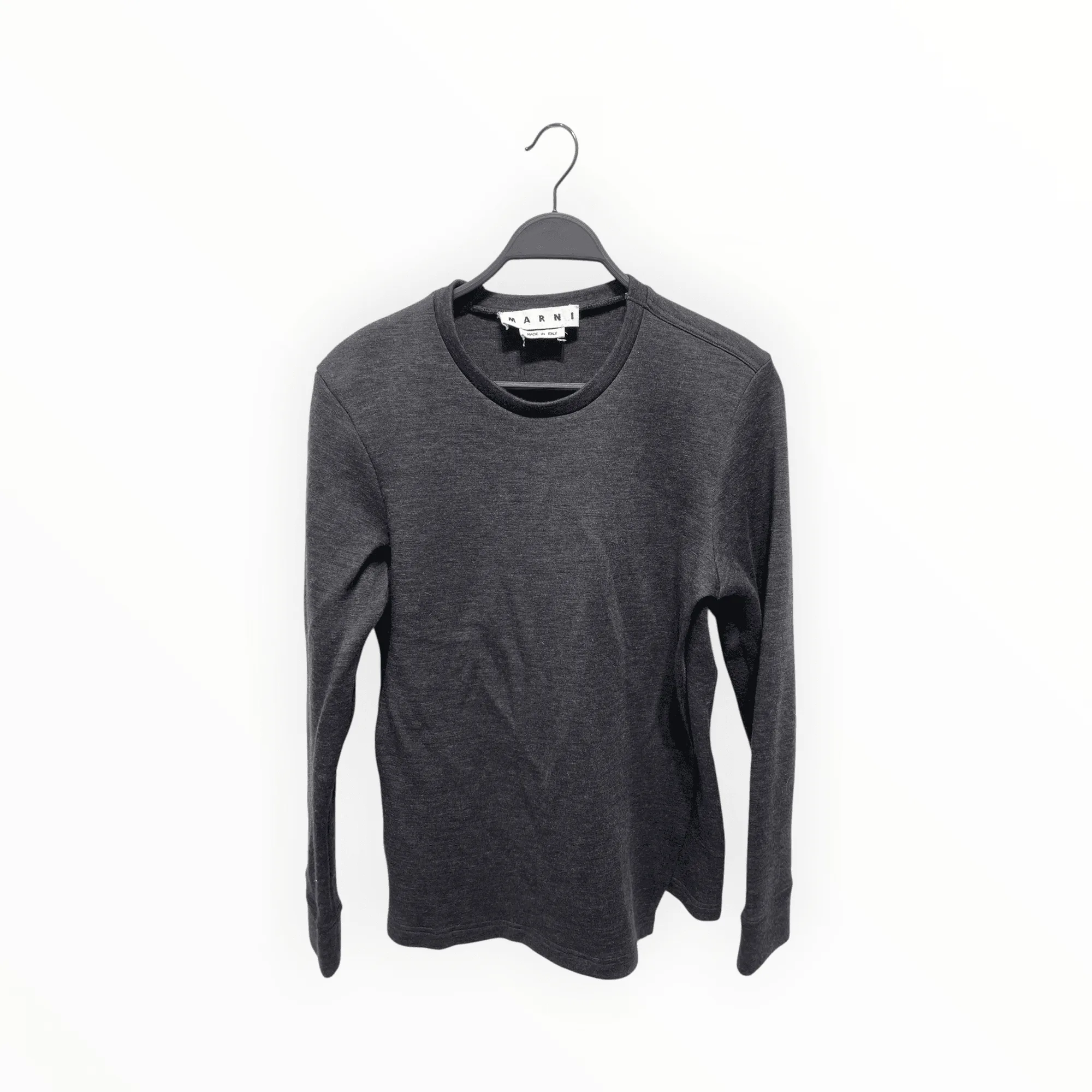
- MARNI/Sweatshirt/48/Wool/GRY/: Gray wool sweatshirt, size 48, chest 38 inches, length 28 inches, used like new. This is the wool side of the comparison: a mid-weight layer that traps heat without a hood, with a chest measurement that fits like a trim large or roomy medium depending on your build.
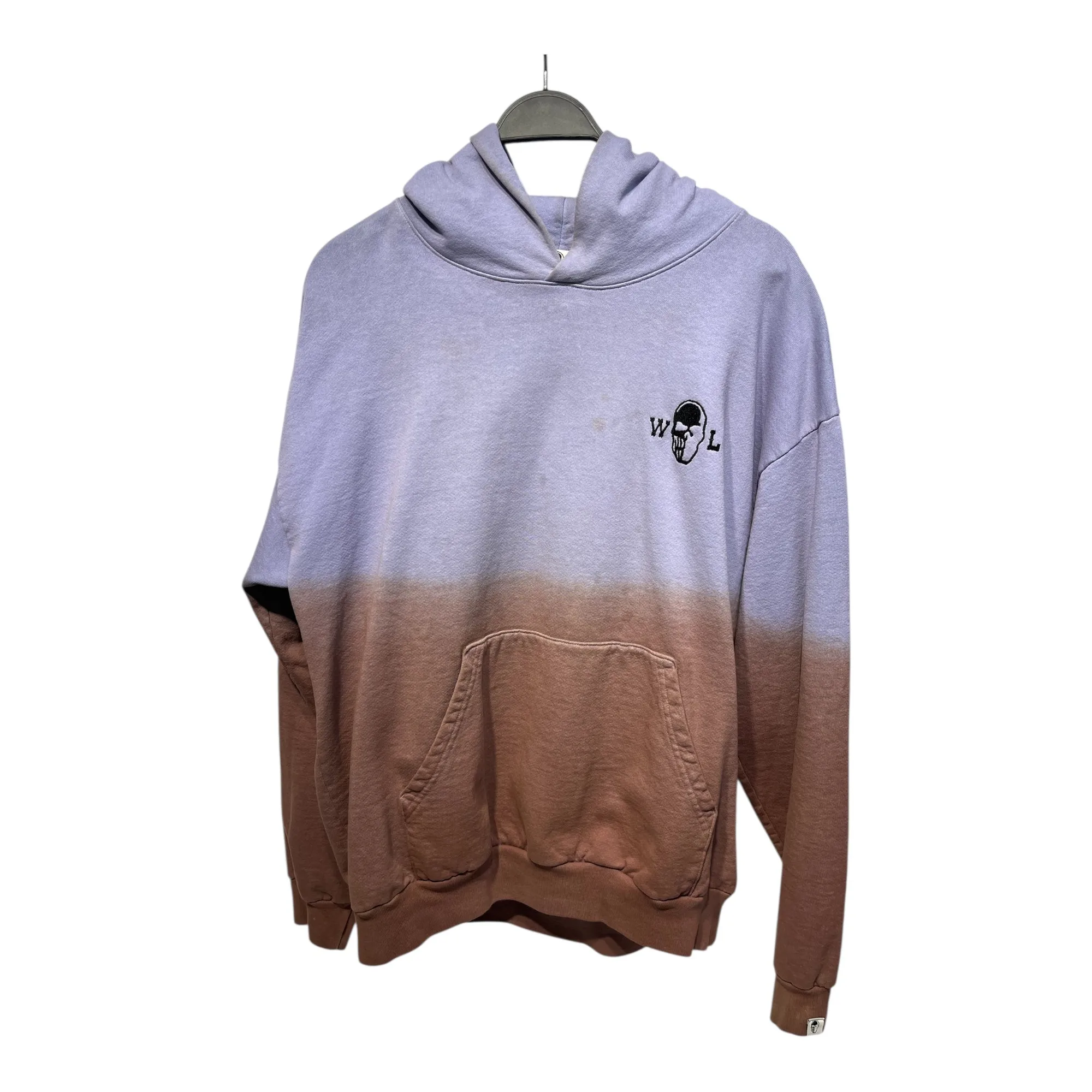
- WARREN LOTAS/Hoodie/XL/Graphic/Cotton/PPL/coffee in the morning: Purple cotton graphic hoodie, size XL, chest 50 inches, length 27 inches, used very good. This shows the cotton hoodie trade-off: a roomy, casual layer with a hood, but cotton loses warmth when damp and the 50-inch chest runs very oversized.
Which should you buy?
Best for
- Cold, dry climates where you want warmth without a bulky hood
- Layering under a coat for commuting or travel
- Anyone willing to air and hand-wash a wool piece to keep it fresh
Not for
- Wet, slushy winters where cotton will soak through and lose warmth
- Buyers who want a toss-in-the-washer layer with zero special care
- Shoppers who prefer a casual hood and oversized streetwear fit