Quick answer
A solid pet first aid kit should include sterile saline for flushing, gauze pads and self-adhering wrap for pet bandages, blunt scissors, tweezers, a digital thermometer, and a paw-safe topical antiseptic. Add a compact trimmer like the Wahl Pocket Pro for fur around wounds, and keep a reflective leash like the Lazer Brite Blue Bone Pattern Dog Leash 6′ for safe visibility if you need to travel to the vet.
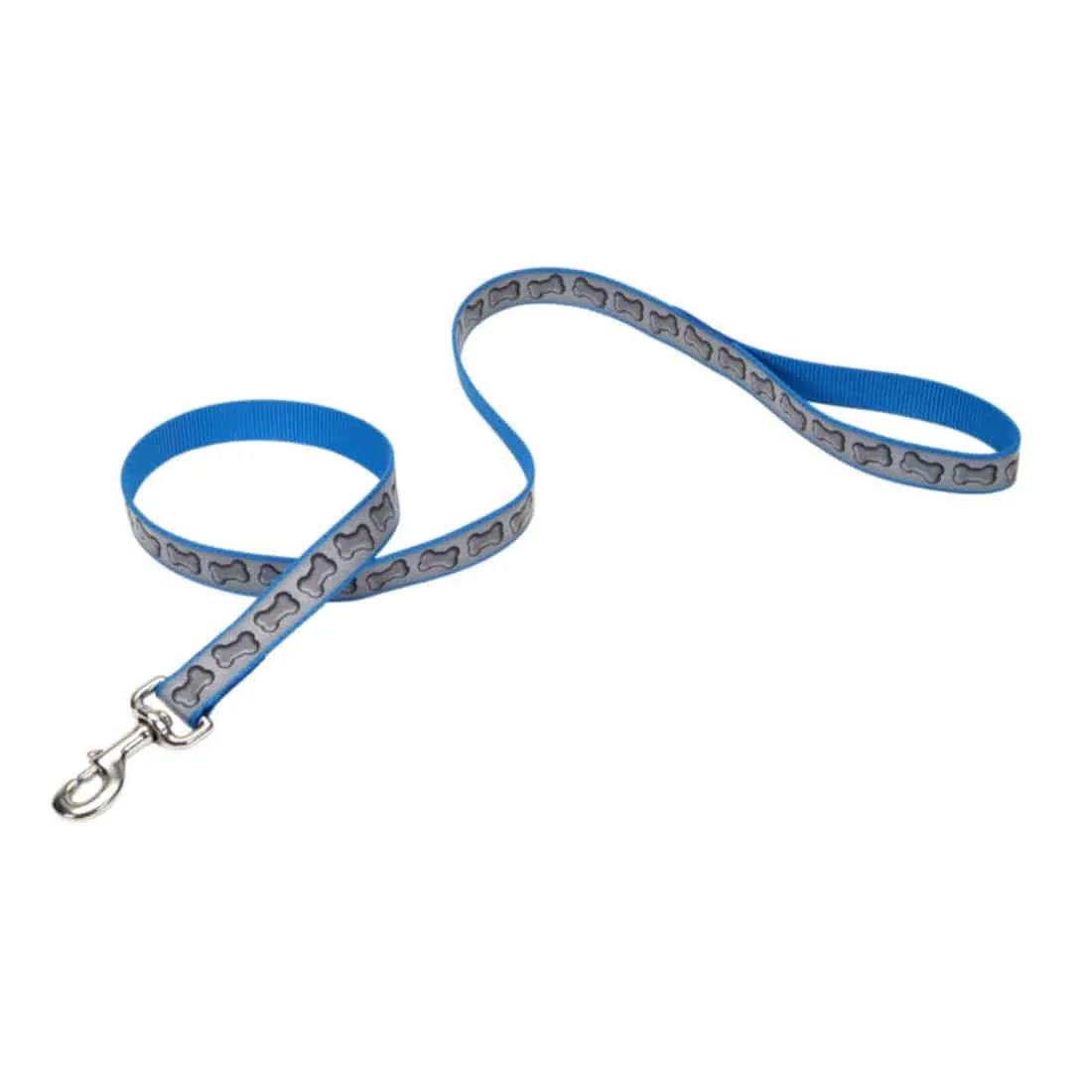
Lazer Brite Blue Bone Pattern Dog Leash 6′
A pet first aid kit is not a substitute for veterinary care, but it buys you time and reduces stress when your dog or cat gets a cut, scrape, or minor wound. The right supplies let you clean, protect, and monitor a wound while you decide whether a vet visit is necessary.
This guide covers what to put in your kit, how to choose between different types of bandages and antiseptics, and the trade-offs that matter for dog wound care. You will also find decision rules for when to treat at home and when to call your veterinarian immediately.
Start with the essentials: what every pet first aid kit needs
The core of any pet first aid kit is wound cleaning and protection. Sterile saline solution (0.9% sodium chloride) is the safest flush for most wounds because it does not sting or damage tissue. Avoid hydrogen peroxide and alcohol for routine cleaning—they can irritate healthy cells and slow healing. Pack plenty of gauze pads in different sizes for dabbing and covering, plus self-adhering bandage wrap that sticks to itself without tape.
You also need tools to handle the wound without causing more pain. A blunt-tipped scissor is safer than sharp household scissors for cutting bandages or trimming fur away from a wound. Tweezers help remove ticks, splinters, or debris. A digital thermometer lets you check for fever, which can signal infection. Add a small flashlight, disposable gloves, and a tick removal tool.
- Sterile saline: use for flushing dirt and debris from wounds.
- Gauze pads: non-stick options are best for open wounds.
- Self-adhering wrap: holds gauze in place without sticky residue.
- Blunt scissors and tweezers: for cutting and removing foreign objects.
- Digital thermometer: normal temperature for dogs is roughly 101–102.5°F.
Choosing pet bandages: types, sizes, and trade-offs
Pet bandages come in three main layers: a contact layer (non-stick pad), an absorbent layer (gauze or cotton), and a protective layer (self-adhering wrap or vet wrap). For small cuts and paw injuries, a simple non-stick pad with self-adhering wrap is enough. For larger wounds or areas that move a lot, you may need a stretchier wrap that conforms to the leg or body without cutting off circulation.
The trade-off is between breathability and protection. Fully occlusive bandages keep dirt out but trap moisture and can promote infection if left on too long. Breathable gauze and self-adhering wraps allow some airflow but need more frequent changing. For most minor wounds, change the bandage daily or whenever it gets wet or dirty. If your pet keeps licking the bandage, a cone or recovery collar is a better solution than a tighter wrap.
- Non-stick pads: prevent the bandage from sticking to the wound.
- Self-adhering wrap: does not require tape and is easy to adjust.
- Do not wrap too tightly—two fingers should fit under the bandage.
- Check toes for swelling; if they swell, the bandage is too tight.
Antiseptics and topicals: what is safe for dogs and cats
Not all human antiseptics are safe for pets. Isopropyl alcohol and hydrogen peroxide can damage tissue and delay healing. Instead, use a pet-safe antiseptic solution or wipes that contain chlorhexidine or povidone-iodine, diluted according to the label. For minor abrasions, a thin layer of antibiotic ointment without pain relievers (like benzocaine) is generally safe, but cats are sensitive to many ingredients—check with your vet before applying anything to a cat.
If your pet has allergies or sensitive skin, keep a hypoallergenic option on hand. Oatmeal-based sprays or creams can soothe irritation, but they are not antiseptics. The key is to separate cleaning (saline or diluted antiseptic) from protection (ointment) and to avoid products that numb or sting, which can encourage licking.
- Safe: chlorhexidine, povidone-iodine (diluted), sterile saline.
- Avoid: hydrogen peroxide, alcohol, human antibiotic ointments with pain relievers.
- For cats: consult your vet before using any topical product.
Tools that make wound care easier and safer
A few extra tools can make a big difference. A compact trimmer like the Wahl Pocket Pro Dog Grooming Trimmer is designed for trimming around ears, eyes, faces, paws, and other hard-to-reach areas. It runs on batteries, so it is easy to grab in an emergency when you need to clear fur away from a wound before cleaning. Keeping fur short around the wound helps bandages stay in place and allows you to monitor healing.
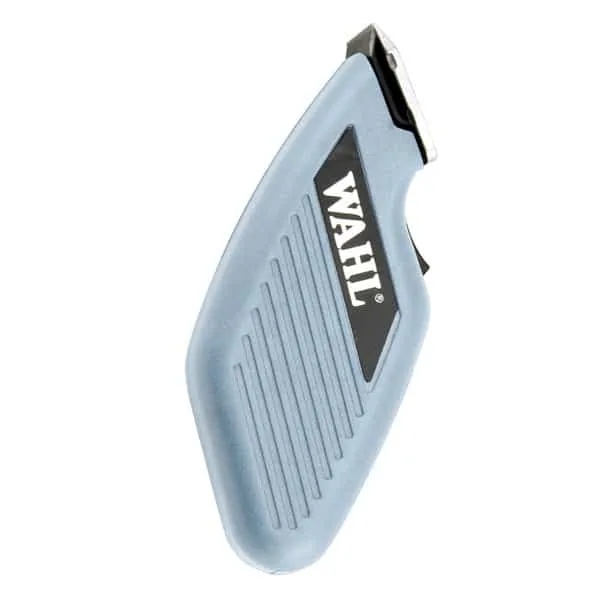
Wahl Pocket Pro Dog Grooming Trimmer
A reflective leash is another practical addition. The Lazer Brite Blue Bone Pattern Dog Leash 6′ is made from reflective material used by safety professionals and is visible up to 600 feet, which helps approaching motorists see you and your dog during an after-hours vet trip. It is a small investment that improves safety when you are stressed and moving quickly.
- Keep a small trimmer with your first aid kit for fur removal.
- A reflective leash improves visibility during nighttime emergencies.
- Store everything in a waterproof container that is easy to grab.
Decision rules: treat at home or call the vet?
Not every wound needs a vet visit, but some definitely do. Use these rules to decide. If the wound is a minor scrape, superficial cut, or small abrasion that you can clean with saline and cover with a bandage, home care may be appropriate. If the wound is deep, bleeding heavily, or has exposed muscle or bone, apply pressure with a clean gauze pad and go to the vet immediately.
Other red flags include puncture wounds (especially from bites), wounds on the eye or near the eye, burns, and any wound that will not stop bleeding after five minutes of direct pressure. Also call your vet if your pet is limping, seems painful, or has a fever. When in doubt, call your vet's office—many will give free advice over the phone.
- Minor scrape: clean with saline, apply pet-safe antiseptic, cover if needed.
- Puncture or bite: see a vet—these can be deeper than they look.
- Bleeding that does not stop in 5 minutes: apply pressure and go to the vet.
- Eye wounds: do not touch; see a vet immediately.
Decision rules for building your pet first aid kit
- Choose your cleaning solution: Use sterile saline for most wounds. If you need an antiseptic, choose a pet-safe product with chlorhexidine or diluted povidone-iodine. Avoid alcohol and hydrogen peroxide. Saline is the safest default for flushing.
- Select bandage materials: For minor wounds, use a non-stick pad and self-adhering wrap. For larger or mobile areas, add an absorbent layer. Do not wrap too tightly—you should be able to fit two fingers under the bandage. Check for swelling in toes; if swollen, loosen the bandage.
- Decide when to see a vet: Go to the vet for deep wounds, puncture wounds, heavy bleeding, eye injuries, burns, or if your pet seems painful or feverish. For minor scrapes, home care with monitoring is often enough. When in doubt, call your vet—many offer free phone advice.
Products that earn a place in your kit
- Wahl Pocket Pro Dog Grooming Trimmer: Compact battery-operated trimmer ideal for trimming around ears, eyes, faces, paws, and other hard-to-reach areas on dogs and horses. Clearing fur around a wound helps bandages adhere and makes it easier to clean and monitor the injury.
- Lazer Brite Blue Bone Pattern Dog Leash 6′: Made from reflective material used by safety professionals, ensuring visibility up to 600 feet. If you need to travel to an emergency vet at night, a reflective leash keeps you and your dog visible to drivers.
Who this kit is for
Best for
- Pet owners who want a practical, at-home first aid kit for minor injuries.
- Dog owners who hike, camp, or spend time in areas where vet access is limited.
- Multi-pet households that need a centralized kit for quick response.
Not for
- Owners looking to treat serious wounds without veterinary guidance.
- Pets with chronic conditions that require prescription medications or specialized care.
- Anyone who has not received basic pet first aid training—consider a course before relying on a kit.
A well-stocked pet first aid kit gives you confidence and buys time when your pet gets hurt. Focus on sterile saline, proper bandages, pet-safe antiseptics, and the tools that make cleaning and protecting a wound easier. Pair your kit with a reflective leash for safe travel and a compact trimmer for fur management. Always call your vet when a wound looks serious, and never hesitate to ask for professional advice.