Quick answer
Choose a wristlet for light, quick trips where you want your hands mostly free and your bag close to your body, like grabbing coffee or a night out. Choose a crossbody for longer days, travel, or when you need to carry more and keep both hands completely free. If you often switch between both, a wristlet with a detachable strap gives you flexibility without buying two bags.
Comfort and carry: how each bag feels over a full day
A wristlet loops over your wrist, so your hand stays partially occupied and the bag swings with your arm. That works well for short errands but can tire your wrist if you carry it for hours. A crossbody distributes weight across your shoulder and torso, keeping both hands free and reducing strain on a single wrist. For all-day wear, crossbody comfort usually wins. For quick trips where you are in and out of stores or your car, a wristlet is lighter and easier to grab.
Capacity and organization: what actually fits
Wristlets are intentionally small, so you carry only essentials: phone, a few cards, keys, and maybe a lip balm. Crossbodies range from small to medium and can hold a wallet, sunglasses, a small water bottle, or a compact umbrella. If you need to bring a charger, a notebook, or snacks, a crossbody is the more practical choice. If you want to travel light and avoid overpacking, a wristlet forces you to edit down to the basics.
Security and hands-free use: pick based on your environment
A crossbody sits across your front or side, which makes it harder for someone to grab and run. A wristlet stays attached to your wrist, so it is hard to lose, but it leaves your hand less available and can be set down and forgotten. In crowded places or on public transit, a crossbody worn in front is generally more secure. In a restaurant or at a party, a wristlet you keep on your wrist is simpler and less bulky than a crossbody strap.
How to choose for errands, travel, and evenings
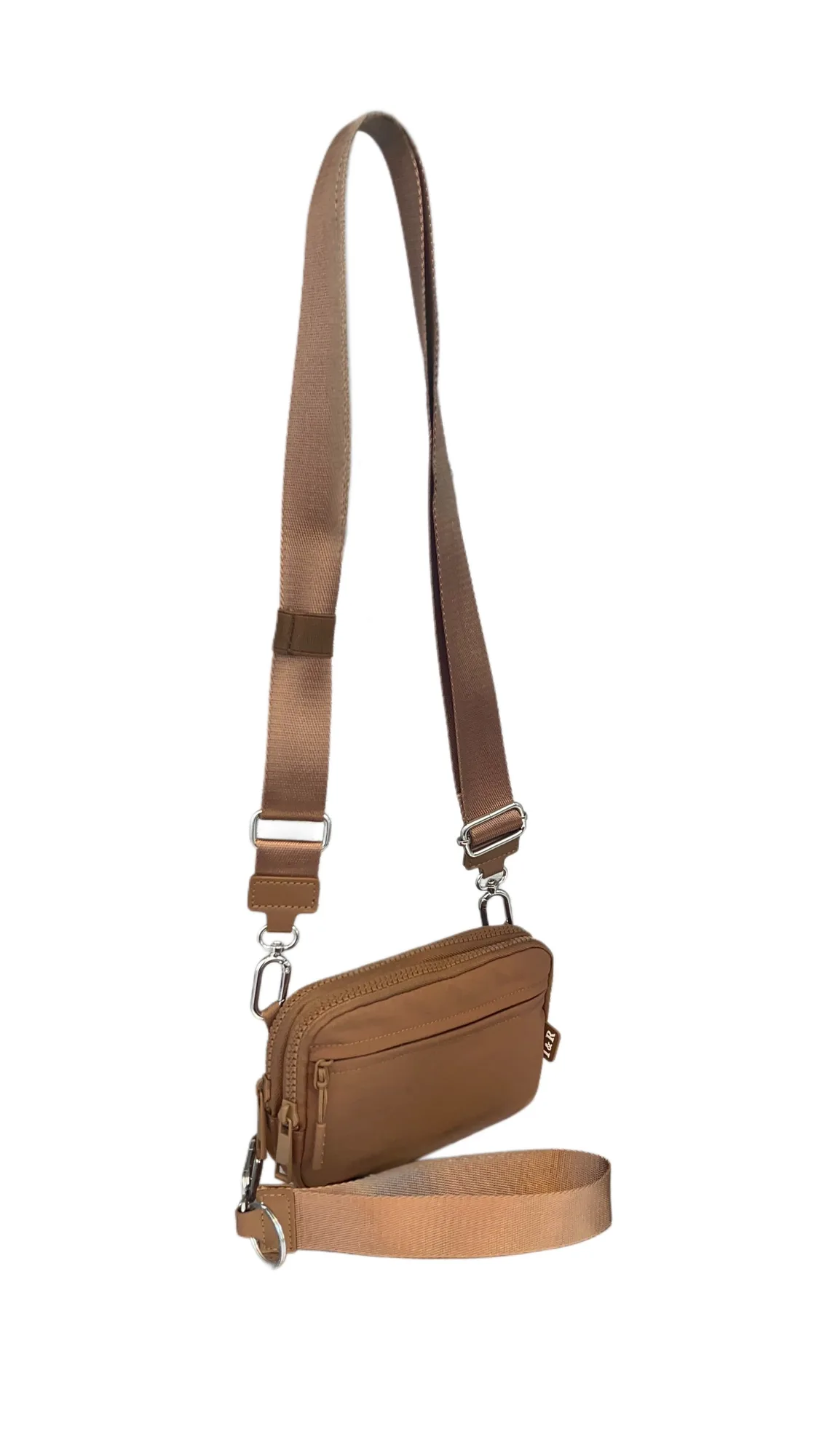
For errands, ask yourself how long you will be out and whether you need both hands. A quick grocery run or school pickup favors a wristlet. A full day of shopping or sightseeing favors a crossbody. For travel, a crossbody with RFID protection adds peace of mind for cards and passports, while a wristlet works as a secondary bag for evenings or as an organizer inside a larger tote. For evenings, a wristlet or a small crossbody with a detachable strap lets you switch from shoulder carry to wrist carry without changing bags.
Trade-offs at a glance
- Hands-free freedom: Crossbody keeps both hands completely free; wristlet leaves one hand partially occupied by the strap. Choose crossbody if you need both hands for shopping, kids, or luggage.
- Capacity: Wristlets hold only essentials; crossbodies can carry a wallet, phone, and a few extras like sunglasses or a small water bottle. If you carry more than a phone and cards, crossbody is the safer bet.
- Security: Crossbody worn in front is harder to snatch; wristlet stays on your wrist but can be set down and forgotten. In crowded areas, wear a crossbody in front; at a seated event, a wristlet is simpler.
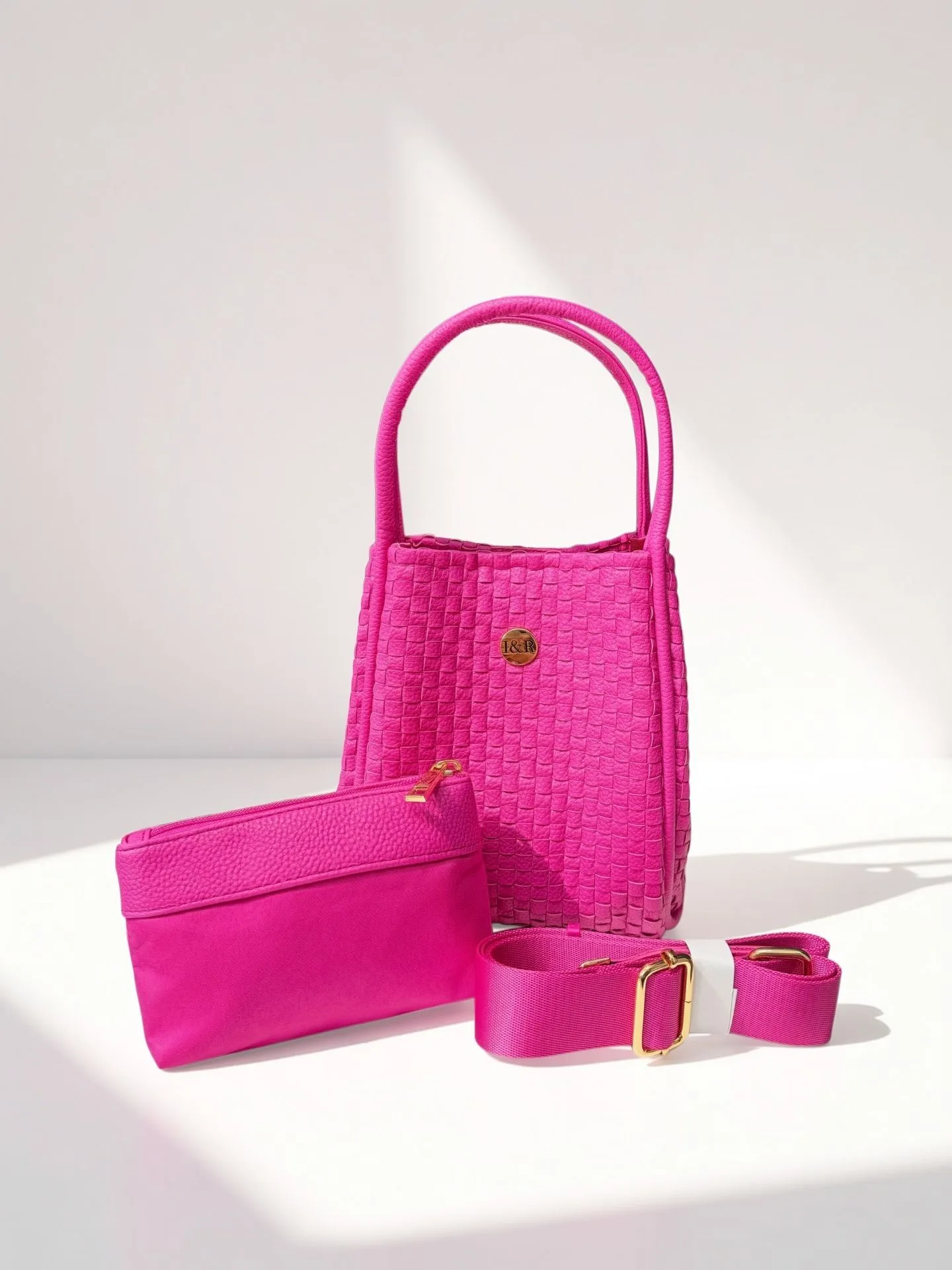
- Versatility: A wristlet with a detachable strap (like the Iris Pouch Wristlet) can be used as a wristlet or as an organizer inside a larger bag; a crossbody with an adjustable strap fits different body types. If you want one bag to do more, look for detachable or adjustable straps.
Product facts
- The Iris Pouch Wristlet (#8049-2) Trendy Minimalist Purse - By Iris & Rainbow: The Iris Pouch Wristlet has two detachable pouches, a removable wristlet strap, and is machine washable. Two pouches let you separate keys, cards, and phone; the removable strap means you can carry it as a wristlet or use the pouches inside a larger bag, and machine washability makes it easy to keep clean.
- The Trendy RFID Iris Wallet Card Holder (#8066) By Iris & Rainbow: The Trendy RFID Iris Wallet Card Holder has three external RFID pockets, one main zipper RFID pocket, and is water repellent. RFID-blocking pockets help protect your card data from unwanted scans, and the water-repellent material adds durability for everyday use or travel.
- The Iris Little "C" (Get Your Head Out Of The Gutter) Bag Charm (#L002) - By Iris & Rainbow: The Iris Little "C" Bag Charm is a small coin bag with an elastic adjustable band that can attach to a handbag or slip onto your wrist. It adds a hands-free option for carrying a few coins or cards when you do not want a full wristlet or crossbody.
Which should you choose?
Best for
- Quick errands and short trips where you want minimal carry
- Evenings out or events where a crossbody strap feels bulky
- Travelers who need a secondary bag for essentials or a pouch to organize inside a larger bag
Not for
- Full days out when you need to carry more than a phone, cards, and keys
- Situations where you need both hands completely free for long periods
- Travelers who want one bag to hold a water bottle, sunglasses, and a compact umbrella