Quick answer
If you need a lightweight, reusable surface for quick notes, lists, and reminders, an LCD writing tablet like the MP850 Memo Pad is more practical than paper. But paper still wins for permanence, flexibility, and zero battery dependency.
Why an LCD writing tablet can replace paper
An LCD writing tablet uses pressure-sensitive technology to display your writing without ink. You erase with a button, reuse the same surface thousands of times, and never run out of pages. For grocery lists, phone messages, or quick sketches, it removes the clutter of sticky notes and half-used notepads.
The trade-off is screen size and resolution. A typical 8.5-inch LCD writing tablet offers a fixed monochrome display with no zoom or formatting options. You cannot save a page unless the tablet includes a recording or save function.
Where paper still holds an edge
Paper is cheap, universally available, and requires no battery or charging. You can tear out a page, fold it, staple it, or pin it to a board. Paper also works with any pen, pencil, or marker, and you can archive notes indefinitely without worrying about battery drain or device failure.
The downside is physical bulk and waste. A single notepad fills up, gets lost, or gets thrown away. If you take many transient notes, paper creates clutter that a reusable writing pad eliminates.
Decision rules: Writing tablet or paper?
- You take quick, disposable notes: If your notes are temporary — grocery lists, to-do items, phone numbers — an LCD writing tablet saves paper and keeps your desk tidy. You erase and start fresh with one button. Choose an LCD writing tablet for transient notes.
- You need to keep or share notes: Paper lets you tear out a page and hand it to someone. An LCD writing tablet without a save function cannot do that. If you need to archive or share your writing, paper or a digital notepad with cloud sync is better. Choose paper when you must keep or pass along the note.
- You work in low light or outdoors: LCD writing tablets are not backlit. They rely on ambient light. Paper works in any lighting and with any writing instrument. If you often write in dim conditions, paper is more reliable. Choose paper for dim or variable lighting.
- You want an eco-friendly option: A reusable writing pad eliminates paper waste for thousands of notes. The MP850 Memo Pad charges in about three hours and lasts over a year on standby. If reducing paper consumption matters to you, an LCD tablet is the greener choice. Choose an LCD writing tablet to cut paper waste.
Product spotlight
-
MP850 Memo Pad - 8.5" Flex LCD Writing Tablet with Built-in Magnet and Voice Recording: 8.5-inch Flex LCD Writing Tablet with a built-in 120mAh Li battery, standby time greater than one year, and a lock button to prevent accidental erasure. The long standby battery means you can leave it on your desk or fridge for months without charging, and the lock button protects your notes from being wiped clean by mistake.
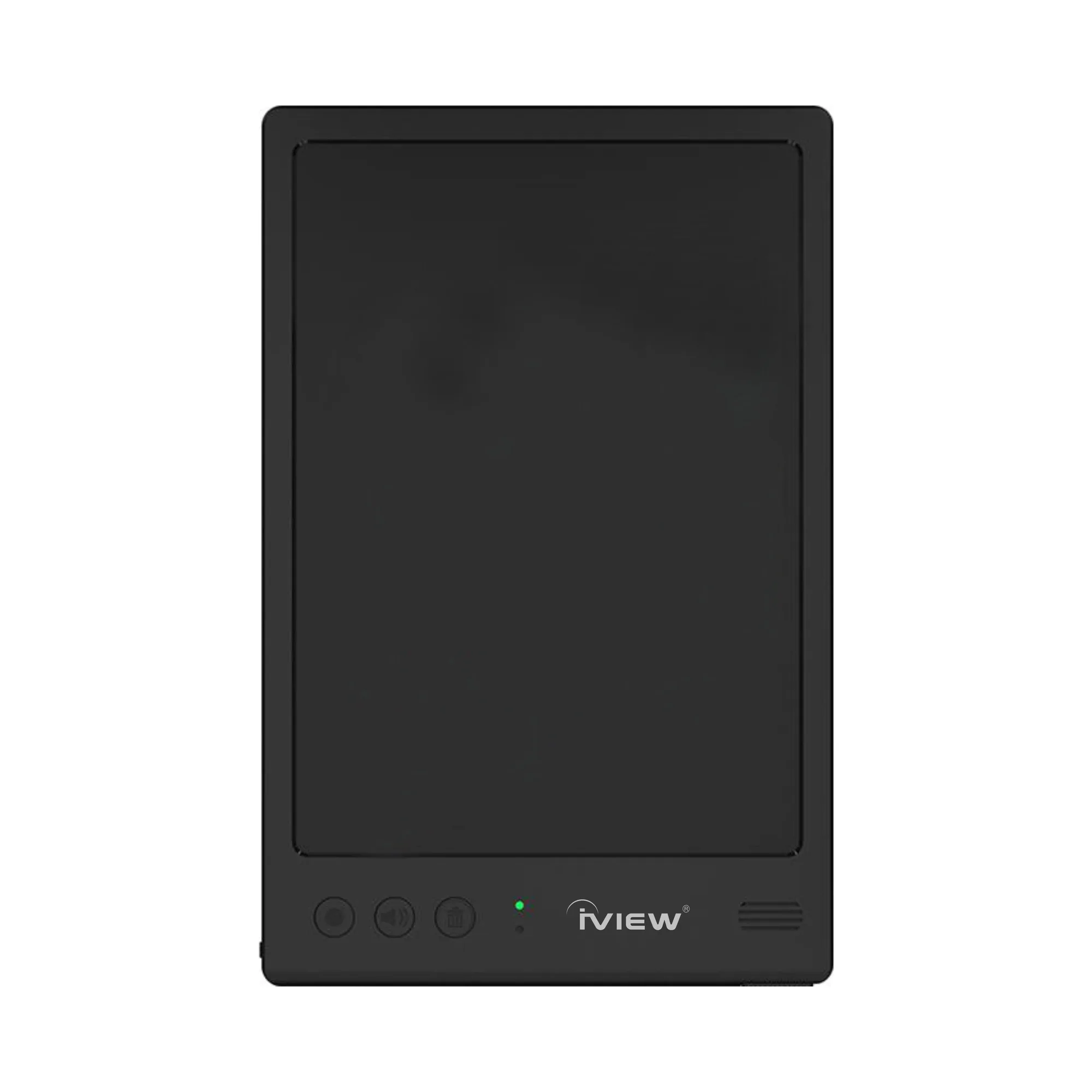
MP850 Memo Pad - 8.5" Flex LCD Writing Tablet with Built-in Magnet and Voice Recording
Which one fits you?
Best for
- People who write many short, temporary notes each day and want a clutter-free desk
- Eco-conscious users who want to reduce paper waste without going fully digital
- Anyone who needs a fridge-friendly memo pad with a built-in magnet and voice recording
Not ideal for
- Writers, students, or professionals who need to keep, edit, or share long-form notes
- Anyone who works in very low light or needs a backlit screen
- Users who require a full digital notepad with cloud sync, search, or handwriting recognition