Quick Answer
For athletes, yoga props like blocks and backbenders can speed recovery and improve flexibility when used correctly. Start with a block for supported stretches, and use a backbender only if you already have a consistent backbend practice. If you have a recent injury or sharp pain, skip the props and consult a professional.
After a hard workout, your muscles feel tight and your range of motion shrinks. You want to recover faster and move more freely, but static stretching alone often doesn't cut it. Yoga props can fill that gap by supporting deeper, safer stretches and releasing tension without forcing your body.
This guide focuses on how athletes—especially runners and strength trainers—can use props like blocks and backbenders for recovery and flexibility. You'll learn which tools help, how to use them in specific poses, and when a prop might not be the right choice.
Why Athletes Feel Tight: The Problem
After intense training, muscles shorten and develop trigger points. This is your body's natural response to stress, but it limits your range of motion and can increase injury risk. For runners, tight hips and hamstrings are common; for lifters, it's often the chest and shoulders.
Recovery isn't just about rest—it's about restoring length and mobility. Yoga props provide support so you can relax into a stretch rather than fighting against your own tension. They also help you maintain proper alignment, which is key when you're fatigued.
- Tight hip flexors from sitting or running? Use a block under your pelvis in low lunges.
- Sore hamstrings? Support your foot on a block to ease the stretch.
The Solution: Yoga Props That Support Recovery
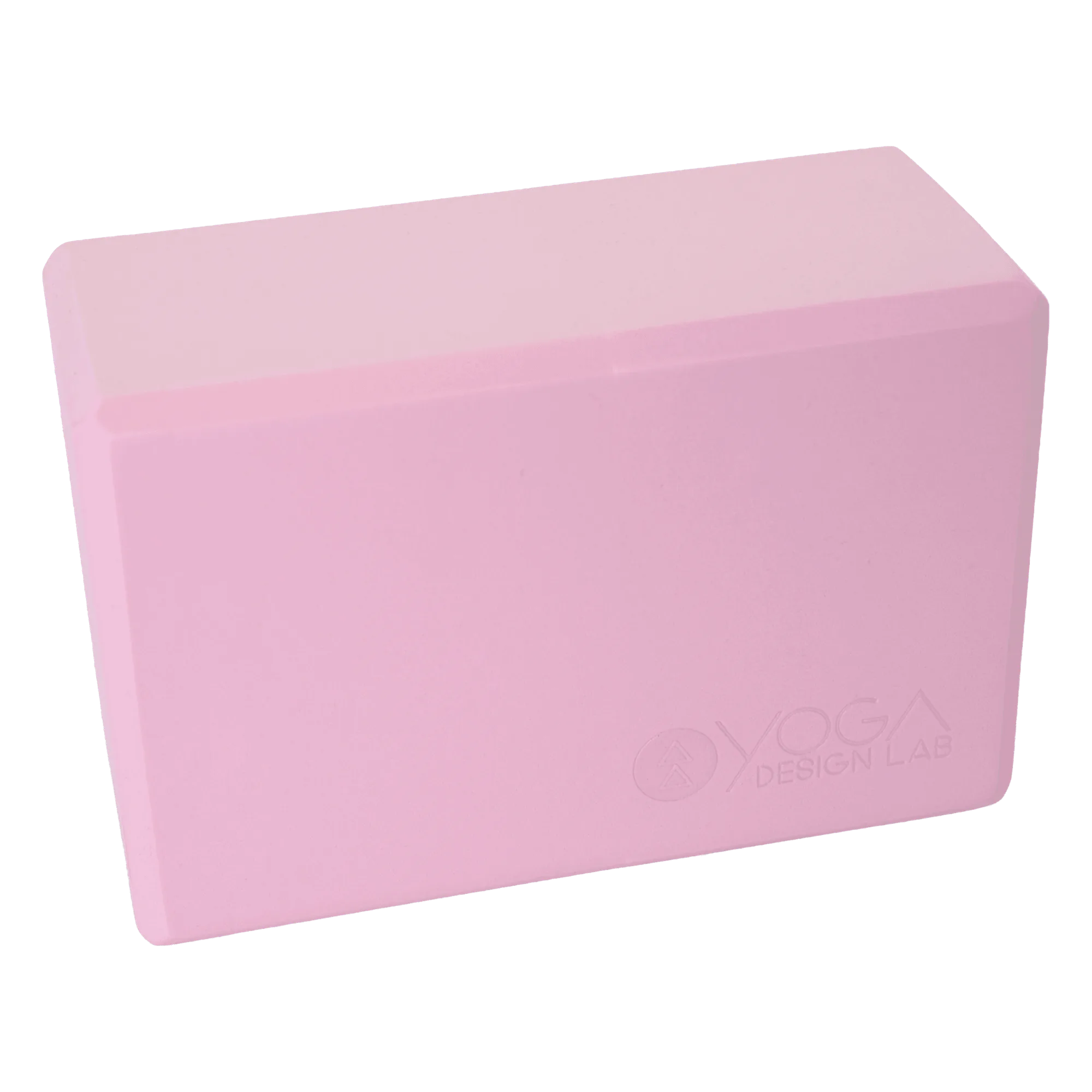
A yoga block is the most versatile recovery prop. It brings the floor closer to you, so you can hold poses longer and breathe into tight areas. For example, placing a block under your sacrum in a supported bridge can gently release the lower back and hips after a long run.
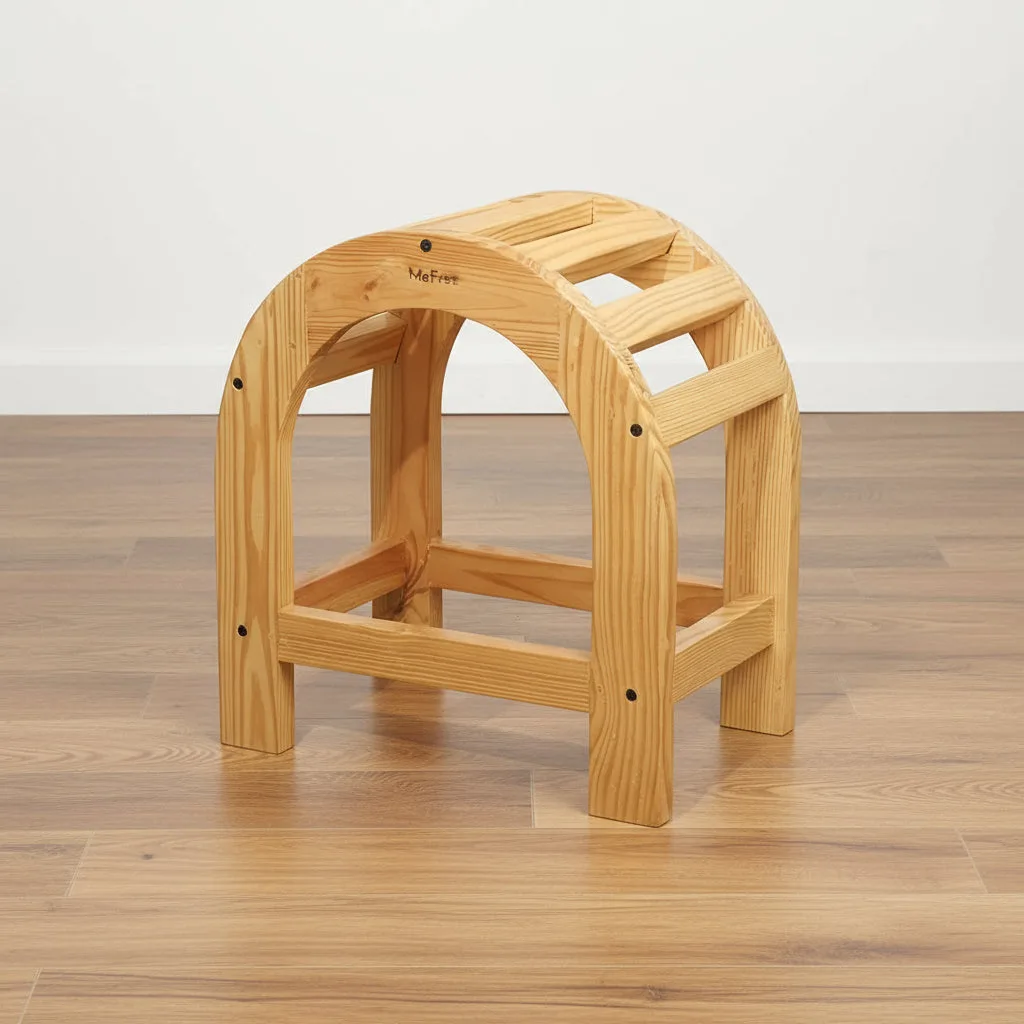
For deeper backbends, a specialized prop like a backbender can help open the chest and spine. But this tool is intense—it's designed for experienced practitioners. If you're new to backbends, start with a block under your back before progressing to a backbender.
- Use a block under your hand in forward folds to reduce strain on tight hamstrings.
- For chest openers, lie on a block placed under your upper back—keep your neck supported.
- Always warm up for at least 5 minutes before using a backbender.
Step-by-Step: A 10-Minute Recovery Routine with Props
Start with a supported forward fold: sit on a block and hinge forward, letting your head hang. This releases the spine and hamstrings without overstretching. Hold for 1-2 minutes, breathing deeply.
Next, move to a supported bridge: lie on your back, place a block under your sacrum, and relax your arms by your sides. This gently opens the hip flexors and lower back—perfect after running. Hold for 2 minutes.
Finish with a supported backbend: if you have experience, place a backbender under your mid-back and let your arms relax overhead. If you don't have a backbender, use a block under your upper back instead. Hold for 1 minute, then slowly roll out.
- Never force a stretch—pain means stop.
- Breathe slowly and deeply to help muscles release.
- If you feel any sharp pain, stop and skip the prop.
When to Choose a Different Tool (or Skip Props)
Props aren't always the answer. If you have a recent injury, acute pain, or a condition like a herniated disc, avoid deep stretches and props that compress the spine. Also, if you're brand new to yoga, start with a block only—save the backbender for later.
If you're a runner with tight calves, a foam roller might be more effective than a block. If you're a lifter with shoulder mobility issues, a strap could be better. Match the prop to your specific need, not the other way around.
- Sharp or shooting pain? Stop and consult a physical therapist or doctor.
- If you feel dizzy or nauseous during a pose, come out slowly.
- For beginners, skip the backbender until you have a solid backbend foundation.
Diagnosis: Is a Yoga Prop Right for Your Recovery?
- Symptom: You feel tight after workouts, especially in the hips, hamstrings, or chest. This is normal post-exercise tension, not an injury.
- Likely cause: Muscle shortening from repetitive training and lack of mobility work. Yoga props can help restore length safely.
- Corrective action: Use a block for supported stretches and a backbender only if you have backbend experience. Start with a block and progress gradually.
- Stop or choose another option: If you have a recent injury, sharp pain, or are new to backbends, skip the backbender and consult a professional. Your safety comes first—props are tools, not cures.
Props That Help Athletes Recover and Stretch
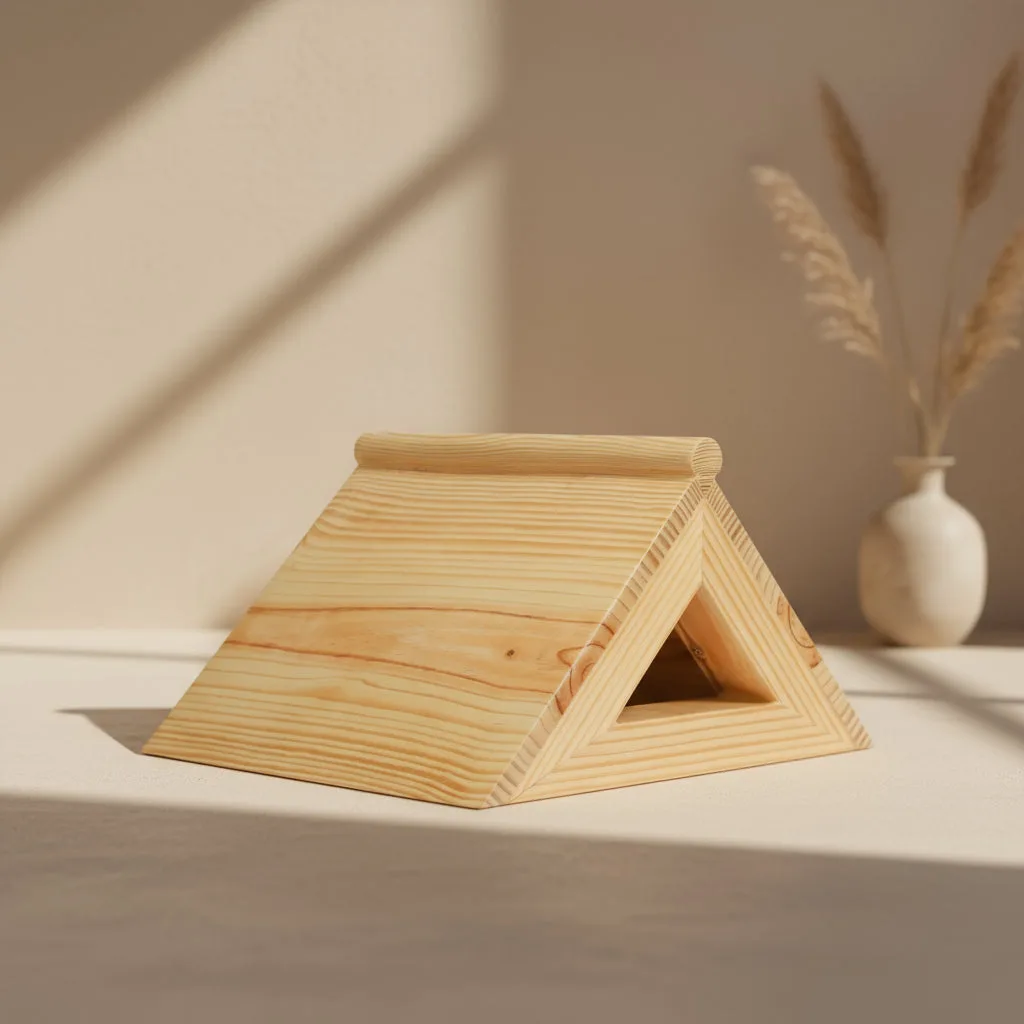
- Triangular Block - Big: MeFree Large Pinewood Triangular Block: Natural Strength for Deep Alignment. Crafted from sustainably sourced pinewood, this block provides a broader base and more robust support. For athletes, a stable, wide block lets you hold stretches longer and with better alignment—key for releasing tight hips and hamstrings after training.
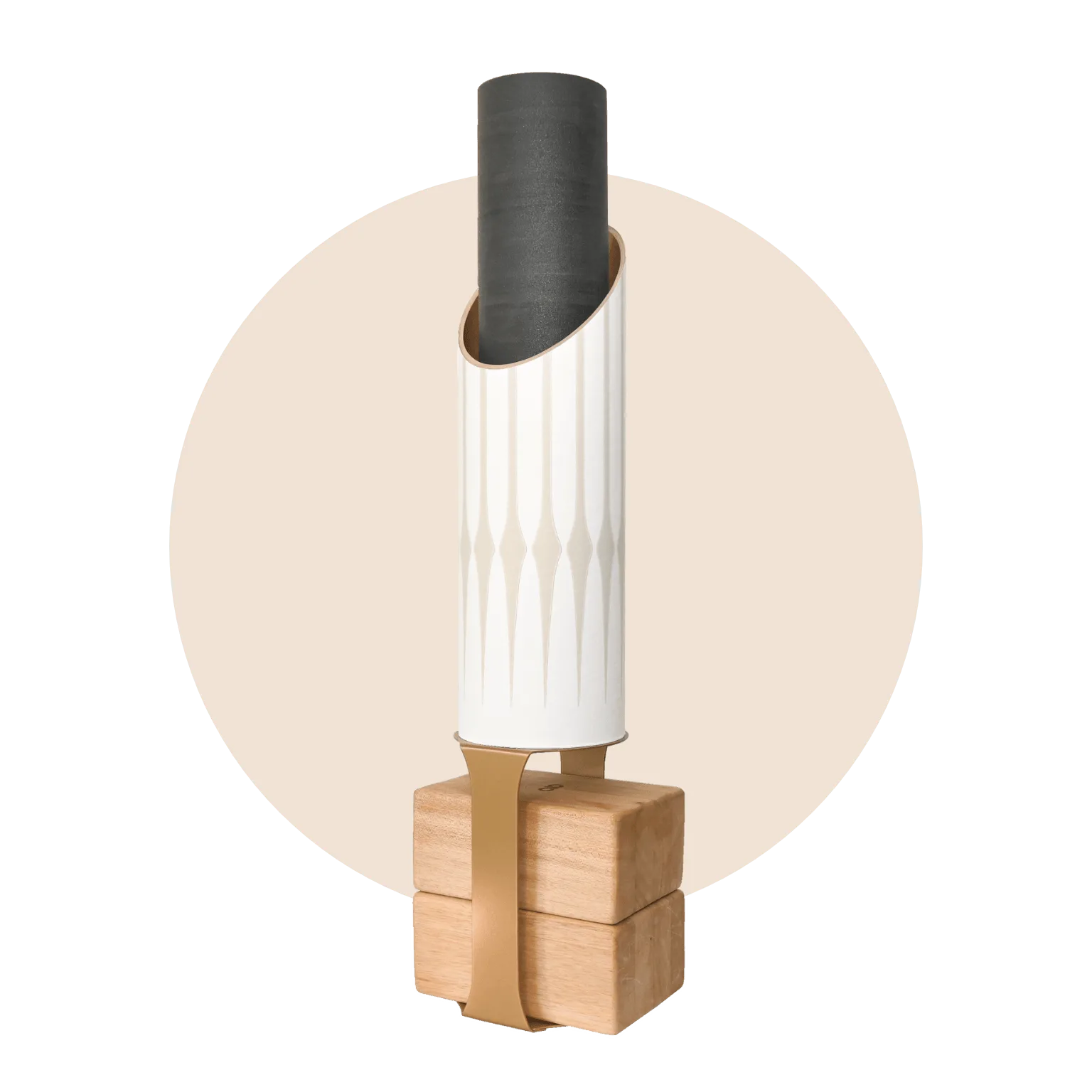
- Tall Backbender: Meticulously handcrafted from solid, sustainable pinewood, this specialized prop is designed specifically for experienced practitioners looking to safely deepen their backbend practice. If you already do backbends, this prop can help open the chest and spine after long hours of training. But it's not for beginners—start with a block if you're new.
Yoga props can be a game-changer for athletic recovery and flexibility when used thoughtfully. Start with a block for supported stretches, and only progress to a backbender if you have the experience. Listen to your body—if something hurts, stop and choose a safer option. With consistent practice, you'll move freer and recover faster.