Quick answer
For most people, a natural rubber mat with a suede or towel top is the best balance of grip, cushioning and eco-friendly materials. Choose PVC if you want maximum durability at a low price, TPE if you want a lightweight mat that is easier to recycle, and a suede-topped rubber mat if you sweat heavily or want a non-toxic option.
The material your yoga mat is made from affects almost everything: how well it grips, how much cushioning you feel, how heavy it is to carry, and how you clean it. It also decides whether the mat fits your idea of a non toxic yoga mat.
This guide breaks down the four materials you will see most often, then gives you decision rules so you can match the mat to your practice instead of guessing from a label.
PVC: durable, grippy and widely available
PVC, or polyvinyl chloride, is a synthetic plastic. It is the most common mat material because it is cheap to produce, closed-cell and very durable. A PVC mat resists sweat and moisture well, so it does not absorb much during a hot practice. It also tends to offer reliable grip when dry and comes in almost every thickness and colour.
The trade-offs are environmental. PVC is not biodegradable and is difficult to recycle in most kerbside systems. It can also carry a strong plastic smell when new, which usually fades after airing out. If you want a mat that will last for years and you do not mind a synthetic material, PVC is a practical choice.
- Best for: high-use studio practice, hot yoga, and anyone who wants a low-maintenance mat.
- Check before buying: whether the mat is labelled PVC-free if avoiding synthetic plastic matters to you.
TPE: lighter and often marketed as recyclable
TPE stands for thermoplastic elastomer. It is a synthetic rubber-like material that is lighter than PVC and often described as recyclable. A TPE mat usually feels softer and more spongy underfoot, and it is a popular choice for travel because it folds or rolls down smaller than many rubber mats.
The catch is grip. TPE can become slippery when your hands and feet sweat, so it suits low-sweat practices better than hot yoga. It also tends to compress over time, so a thin TPE mat may lose cushioning faster than a denser rubber mat. If you want a pvc vs tpe yoga mat comparison in one line: PVC is more durable and grippier when wet, while TPE is lighter and easier to carry.
- Best for: beginners, home practice and travel where weight matters.
- Skip if: you sweat heavily or need a mat that stays grippy through a strong vinyasa class.
Natural rubber: the eco-friendly workhorse
Natural rubber comes from the sap of rubber trees. It is the base of many eco yoga mat materials because it is renewable and biodegradable. Rubber is dense, so it provides excellent cushioning and a stable, non-slip surface even when you are moving quickly. It is also naturally grippy, which is why so many premium mats use it.
Rubber mats are heavier than PVC or TPE, so they are less ideal for commuting or travel. They can also have a natural rubber smell when new, which usually fades with airing. If you want a rubber yoga mat that is non toxic, look for one that uses natural rubber rather than a synthetic blend and avoid added phthalates or heavy metals.
- Best for: daily practice, joint support and anyone prioritising eco-friendly materials.
- Care note: wipe with a damp cloth and mild soap, then air dry away from direct sun.
Suede-topped and towel-top mats: grip that improves with sweat
Some rubber mats add a suede or towel-like top layer. This surface feels soft and dry when you first step on, but it becomes grippier as it absorbs moisture from your hands and feet. That makes it a strong choice for hot yoga, sweaty practices and anyone who finds smooth PVC or TPE slippery.
The trade-off is care. A suede top needs to be kept clean and may be machine washable depending on the mat. It also takes longer to dry than a closed-cell PVC mat. If you often practise in a heated room or have clammy hands, a suede-topped rubber mat can solve a grip problem that other materials cannot.
- Best for: hot yoga, sweaty palms and anyone who wants a soft, non-plastic feel.
- Check the care label: some suede tops are machine washable, others are wipe-clean only.
How to choose without overthinking it
Start with your practice, not the material name. If you sweat a lot, prioritise a suede or towel top over a smooth synthetic surface. If you carry your mat to a studio several times a week, weight matters more than a few millimetres of extra cushioning. If you practise at home on a hardwood floor, a denser rubber mat will protect your knees and wrists better than a thin TPE mat.
Then check the care instructions. A mat you can wipe down in 30 seconds will get used more often than one that needs special cleaning. Finally, decide how important non-toxic and eco-friendly materials are to you. Natural rubber and suede-topped rubber mats cost more, but they align with a lower-impact practice and often last longer.
- If you are unsure, choose a 4mm natural rubber mat with a suede top: it covers most practices.
- Buy a mat bag if you travel: it protects the surface and keeps your mat clean between classes.
Decision rules for choosing a yoga mat material
- If you sweat heavily or practise hot yoga: Choose a suede or towel-topped natural rubber mat. The surface grips better as it absorbs moisture, unlike smooth PVC or TPE which can become slippery. Look for a mat described as a suede towel top with a natural rubber base.
- If you carry your mat to a studio or travel often: Prioritise weight over thickness. A 1.5mm to 2mm travel mat or a lightweight rubber mat around 1.75kg is easier to carry than a dense 5mm PVC mat. Pair it with a cotton yoga bag that has a carry strap and a water bottle holder.
- If you want the lowest-maintenance option: Choose a closed-cell PVC or TPE mat that can be wiped down and does not absorb sweat. Avoid suede tops if you do not want to wash or air-dry your mat regularly. Wipe after every practice and air dry fully before rolling.
- If non-toxic and eco-friendly materials matter most: Choose a mat made from 100% natural tree rubber rather than PVC or a synthetic blend. Natural rubber is renewable and biodegradable, and it avoids the plastic smell of new PVC. Check that the mat is labelled natural rubber and not a rubber-blend.
- If you are on a tight budget: PVC and TPE mats cost less upfront and are widely available. They are a reasonable starting point if you are still discovering what you like in a mat. Upgrade to natural rubber once you know you will practise regularly.
Materials in practice: Yogangstar mats
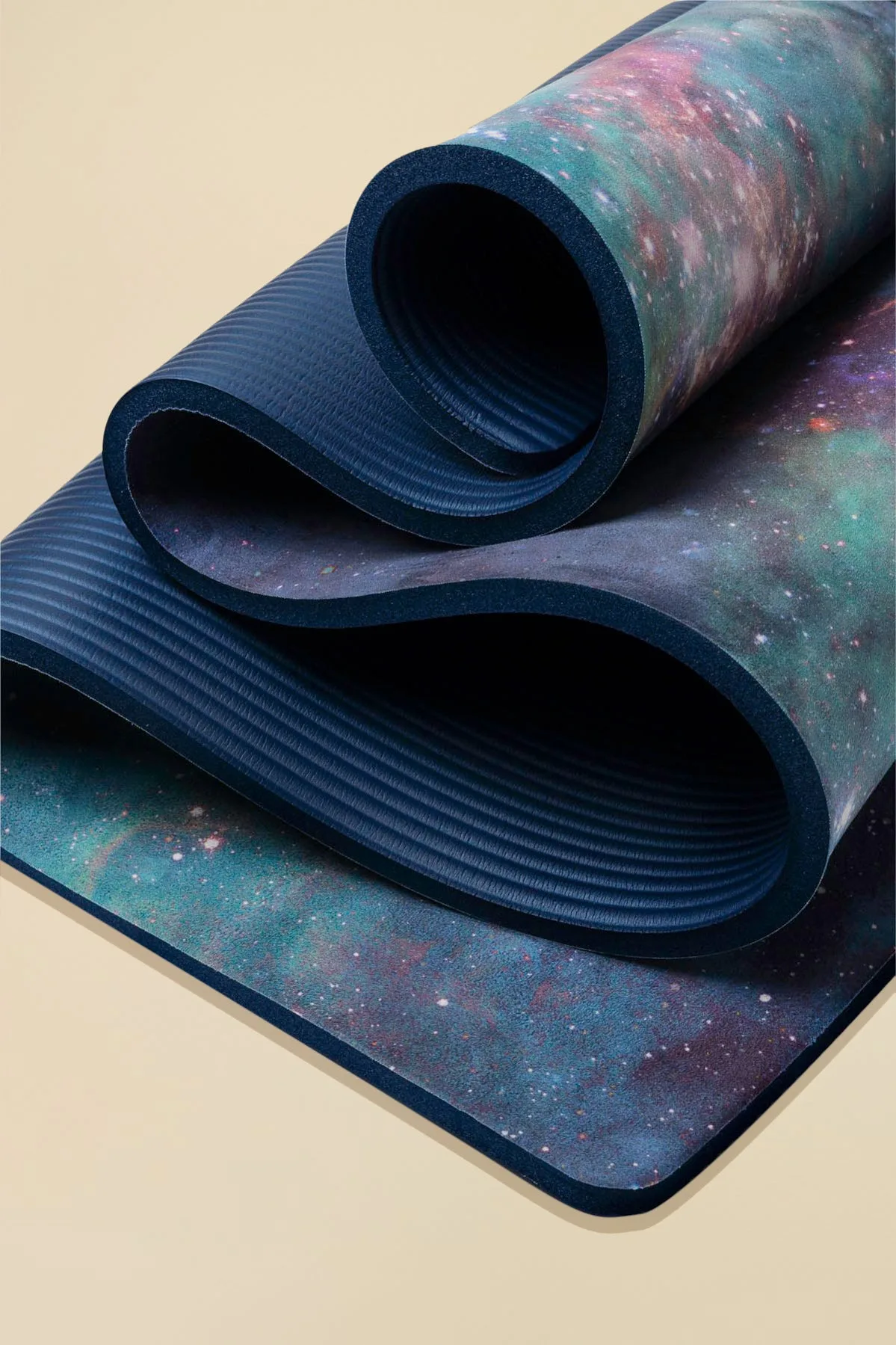
- Lotus Pastel Yoga Mat + Free Yoga Bag: Luxurious suede towel top, 4mm thick base, 100% natural tree rubber, simple to wipe down clean and machine washable. This is the clearest example of a non-toxic, eco-friendly rubber mat with a sweat-friendly suede top. The 4mm base suits most home and studio practices, and machine washability makes it easy to keep hygienic.
- Oriental Goddess Yoga Travel Mat + Free Yoga Bag: Lightweight yoga mat weighing only 1.75kg with a luxurious suede towel top. At 1.75kg it is light enough to carry to class or travel with, while the suede top gives grip that improves as you sweat. A good choice if you want rubber performance without a heavy mat.
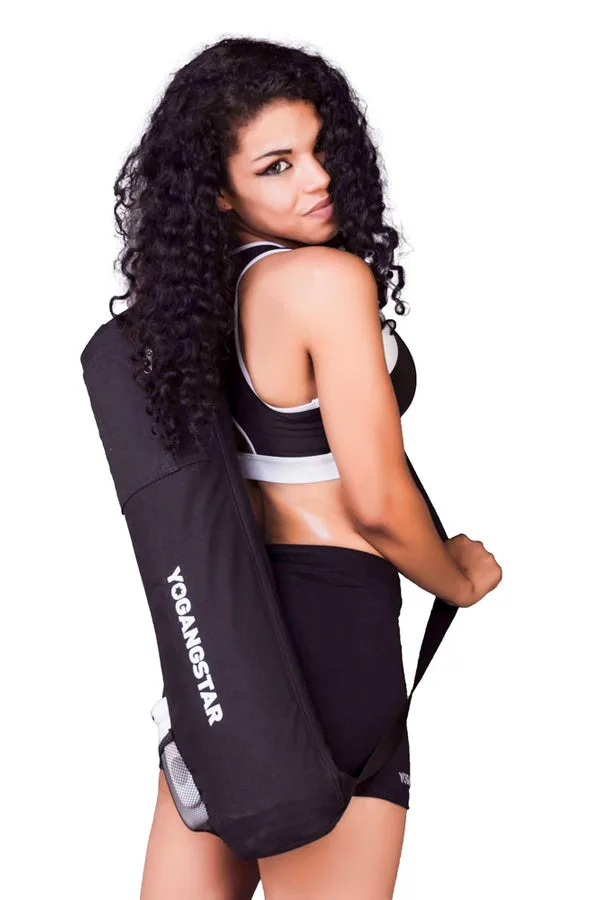
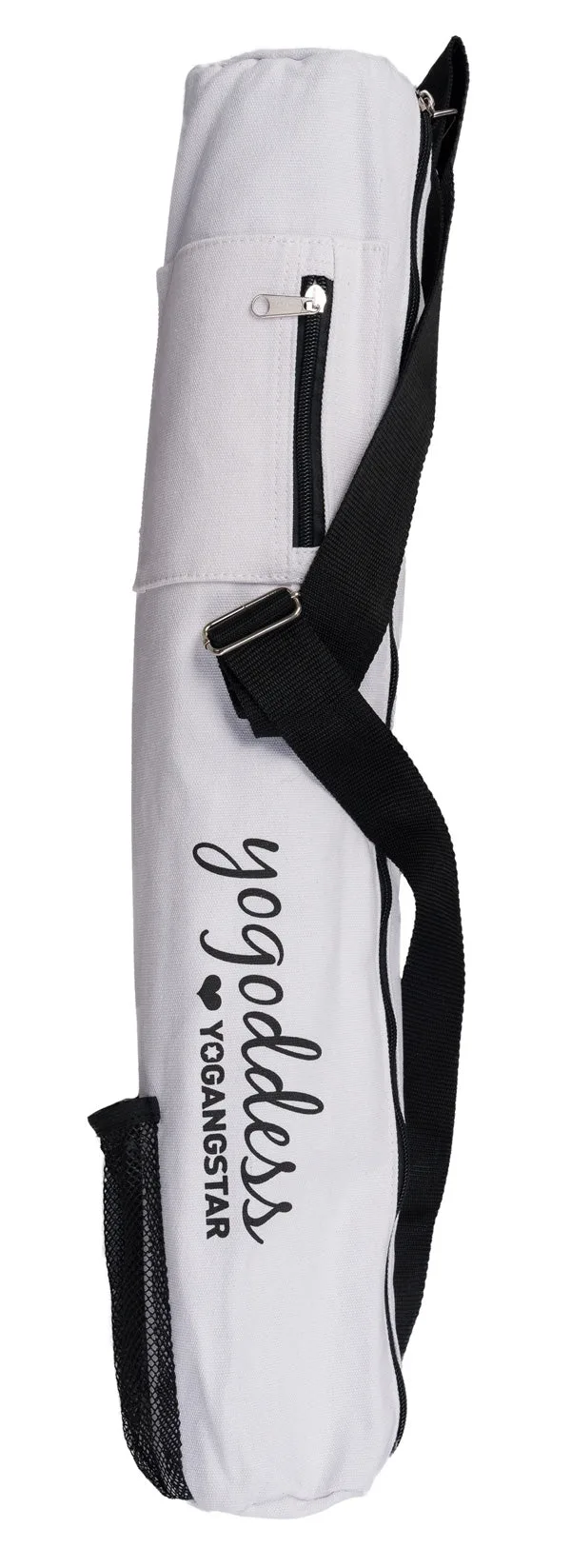
- Travel Yoga Mat Bags: Designed for 1.5mm travel yoga mats, 100% natural cotton with side pocket, water bottle holder and carry strap. A breathable cotton bag keeps a suede-topped or rubber mat protected and lets it air out between sessions. The side pocket and bottle holder make it practical for studio commutes.
Who should choose which material
Best for
- Hot yoga and sweaty practices: suede-topped natural rubber mats.
- Daily home and studio practice: 4mm natural rubber mats.
- Travel and commuters: lightweight rubber or TPE mats under 2kg.
- Eco-conscious buyers: 100% natural tree rubber mats.
Not for
- Hot yoga: smooth PVC or TPE mats that become slippery when wet.
- Minimal maintenance: suede-topped mats that need washing and longer drying.
- Heavy daily use on a budget: thin TPE mats that compress and lose cushioning.
- Eco-friendly priorities: PVC mats that are not biodegradable or easily recyclable.
Match the material to how you practise, not to a label. If you sweat, want eco-friendly materials and practise regularly, a suede-topped natural rubber mat like the Lotus Pastel or Oriental Goddess is the most versatile choice. If you travel light or want a simple wipe-clean mat, PVC or TPE can still serve you well.