Quick answer
Choose a mat that is at least 10 cm longer than your height when lying down, and wide enough that your hands stay on the mat in the widest pose you practice. For most people under 170 cm, a standard mat works well. If you are taller or practice wide-stance poses, look for an extra long or wide mat. Always check the exact dimensions before buying.
A mat that is too short or too narrow disrupts your flow. Your hands slip off in downward dog, your feet hang off in savasana, and you spend more time adjusting than breathing. This yoga mat size guide gives you concrete rules to match length and width to your body and practice.
We will cover standard yoga mat dimensions, when to choose an extra long yoga mat, how yoga mat width affects stability, and the trade-offs between size, weight, and portability. You will also find a decision framework to apply at checkout.
Standard yoga mat dimensions: what to expect
Most yoga mats sold today measure around 173 cm long and 61 cm wide. That size fits many people up to about 170 cm tall for lying-down poses, and it is wide enough for basic flows. However, standard dimensions vary by brand, so always read the product specifications rather than assuming.
If you are taller than 170 cm or you practice styles with wide stances, a standard mat may feel cramped. In that case, an extra long yoga mat (often 183 cm or longer) or a wide yoga mat (often 66 cm or wider) can make a real difference. The right choice depends on your height, arm span, and the poses you do most.
- Measure your height and arm span before shopping.
- Check the exact length and width in the product details, not just the category name.
- Remember that thickness affects stability but not length or width.
How to choose the right length for your height
A simple rule: your mat should be at least 10 cm longer than your height when you lie down. This gives you room to extend without your head or feet hanging off. For example, if you are 175 cm tall, look for a mat at least 185 cm long. If you are 160 cm, a 173 cm mat is fine.
For tall practitioners, an extra long yoga mat is often necessary. Many brands offer mats in 183 cm or 200 cm lengths. If you are over 183 cm, a 200 cm mat will likely be more comfortable. Keep in mind that longer mats can be heavier and bulkier to carry, so balance comfort with portability.
- Add 10 cm to your height for a minimum mat length.
- If you are between sizes, go longer rather than shorter.
- Consider a travel mat if you need a lightweight option for commuting.
Yoga mat width: why it matters for stability
Standard mats are typically 61 cm wide. That is enough for many practitioners, but if you have broad shoulders or you practice wide-legged poses like warrior II, you may find your hands or feet slip off the edges. A wide yoga mat, usually 66 cm or more, gives you extra room and can improve stability.
Width also affects how the mat feels in your space. A wider mat takes up more floor area and may not fit in smaller rooms or standard yoga bag. If you practice in a studio with limited space, measure your available area before choosing a wider mat.
- Measure your shoulder width and add 15–20 cm for comfortable hand placement.
- If you often do wide-stance poses, prioritize width.
- Check that your yoga bag can accommodate a wider mat.
Trade-offs: size vs. portability and storage
Larger mats offer more room but are heavier and bulkier. An extra long or wide mat may not fit in standard yoga bags or travel cases. If you carry your mat to class daily, a lighter standard-size mat might be more practical. If you practice at home and have space, a larger mat can enhance comfort.
Thickness also plays a role. Thicker mats (6 mm+) provide more cushioning but can be less stable for balancing poses. Thinner mats (4 mm) are more stable but less forgiving on hard floors. The best mat size for yoga depends on your priorities: comfort, stability, or portability.
- Weigh your mat if you plan to carry it often.
- Consider a travel mat for commuting and a larger mat for home.
- Check the folded or rolled dimensions to ensure it fits your storage.
How to measure your current mat and yourself
Before buying, measure your current mat if you have one. Lie down on it and see where your head and feet land. If your head or feet touch the edges, you need a longer mat. For width, stand in a wide stance and see if your feet stay on the mat.
Also measure your height accurately without shoes. Use a wall and a book to mark your height. For width, measure your shoulder span and add 15–20 cm. These numbers will guide you to the right size.
- Use a tape measure for accuracy.
- Test poses you do regularly, not just standing.
- If you are between sizes, size up for comfort.
Decision rules: match mat size to your body and practice
- Height rule: Add 10 cm to your height to find the minimum mat length. If you are 170 cm, look for at least 180 cm. If you are 180 cm, look for 190 cm or more. When in doubt, choose the longer mat.
- Width rule: Measure your shoulder width and add 15–20 cm. If you have broad shoulders or practice wide-legged poses, choose a mat at least 66 cm wide. A wider mat improves stability but may not fit standard bags.
- Practice rule: For dynamic styles like vinyasa or hot yoga, prioritize grip and stability over thickness. For restorative or yin, a thicker mat can provide more comfort. Match mat features to your primary practice.
- Portability rule: If you carry your mat daily, choose a standard size or a travel mat (1.5mm–4mm). If you practice at home, you can choose a larger, heavier mat. Balance comfort with convenience.
Product facts: real mats and their dimensions
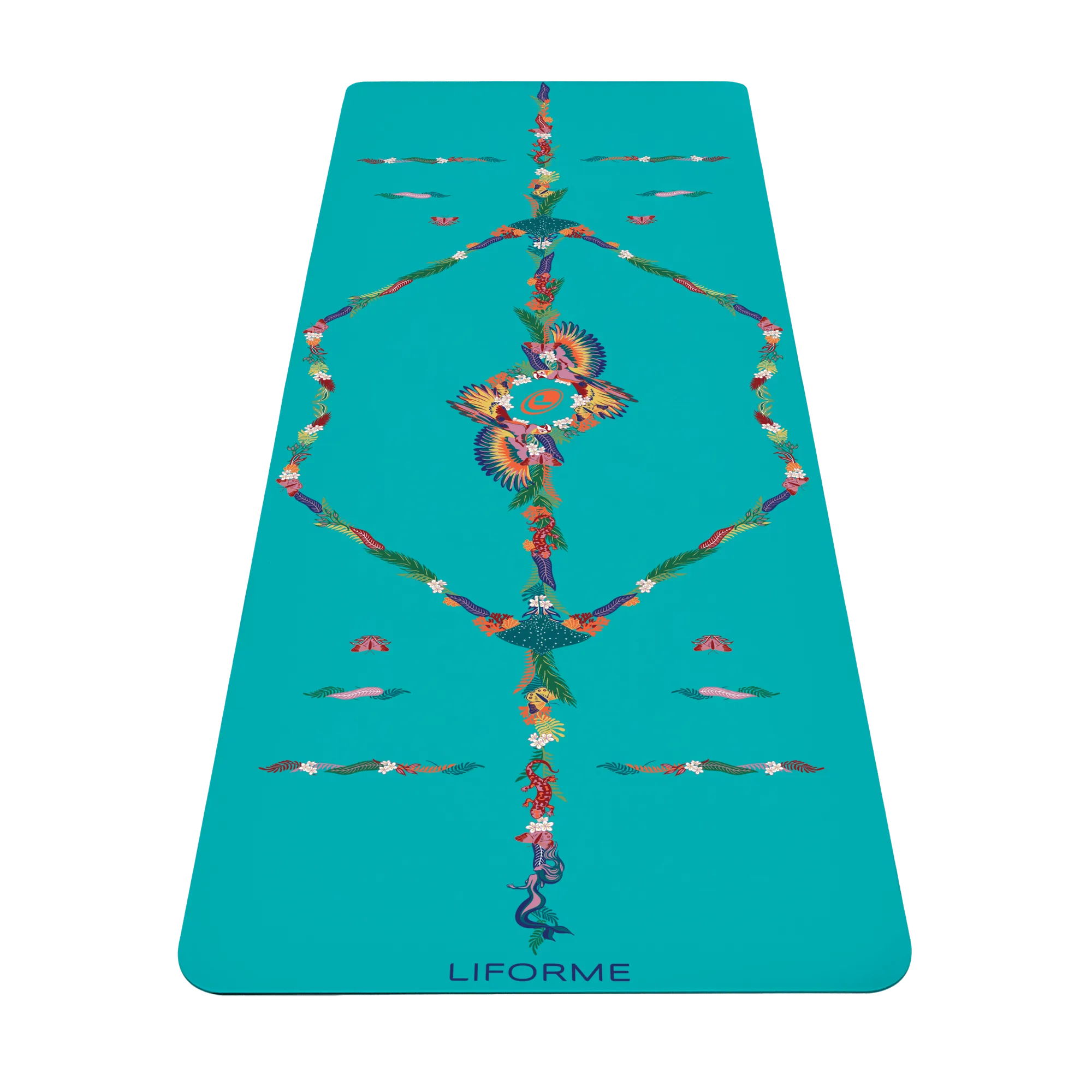
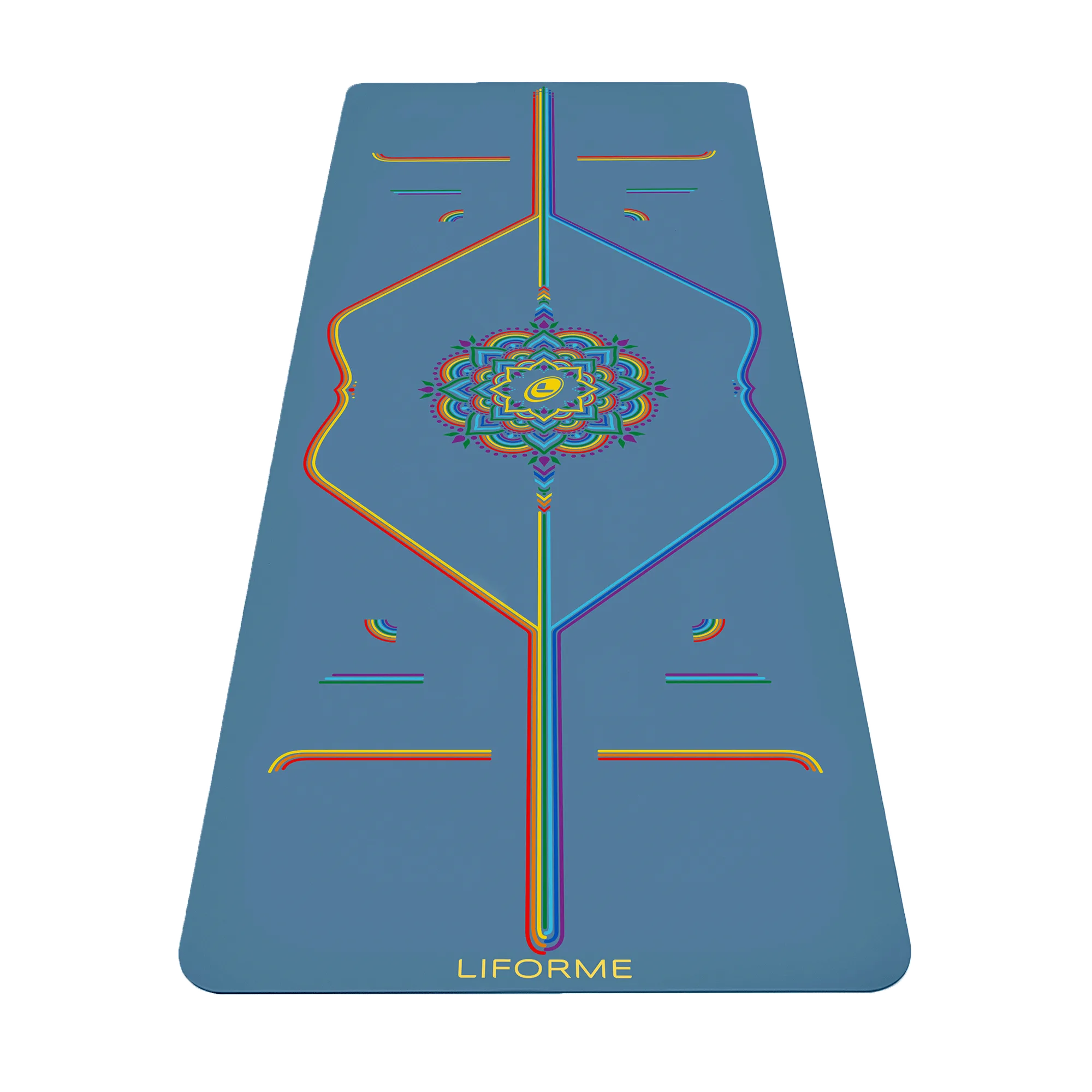
- Cosmic Goddess Yoga Mat + Free Yoga Bag: Luxurious suede towel top, 4mm thick base. The 4mm thickness offers a stable base for balancing poses, while the suede top provides grip. This mat is ideal for practitioners who prioritize stability and a connection to the ground.
- Cork Yoga Mat With Free Yoga Bag: Cork top yoga mat designed for yogis who love nature. Cork naturally provides excellent grip when damp, making it a great choice for hot yoga or sweaty practices. It is also eco-friendly and durable.
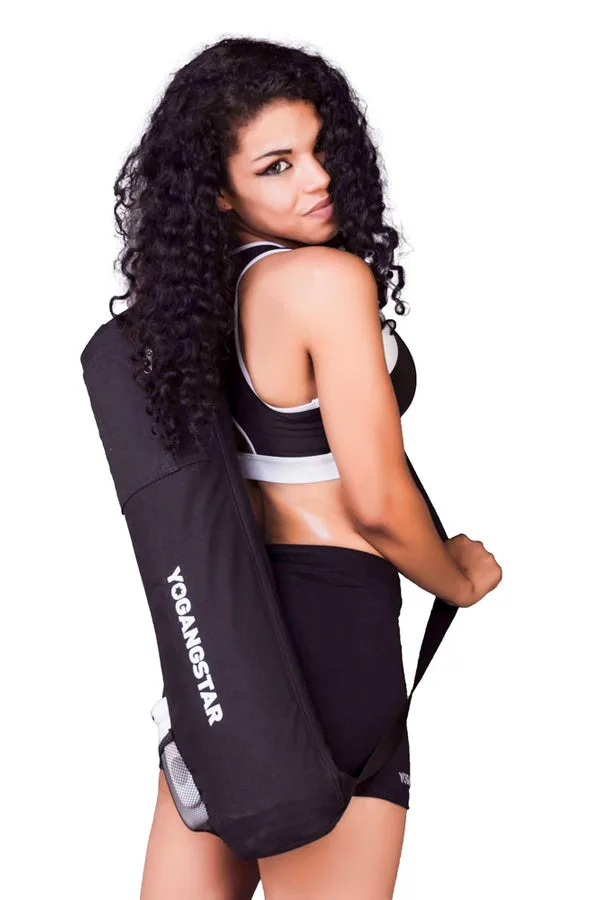
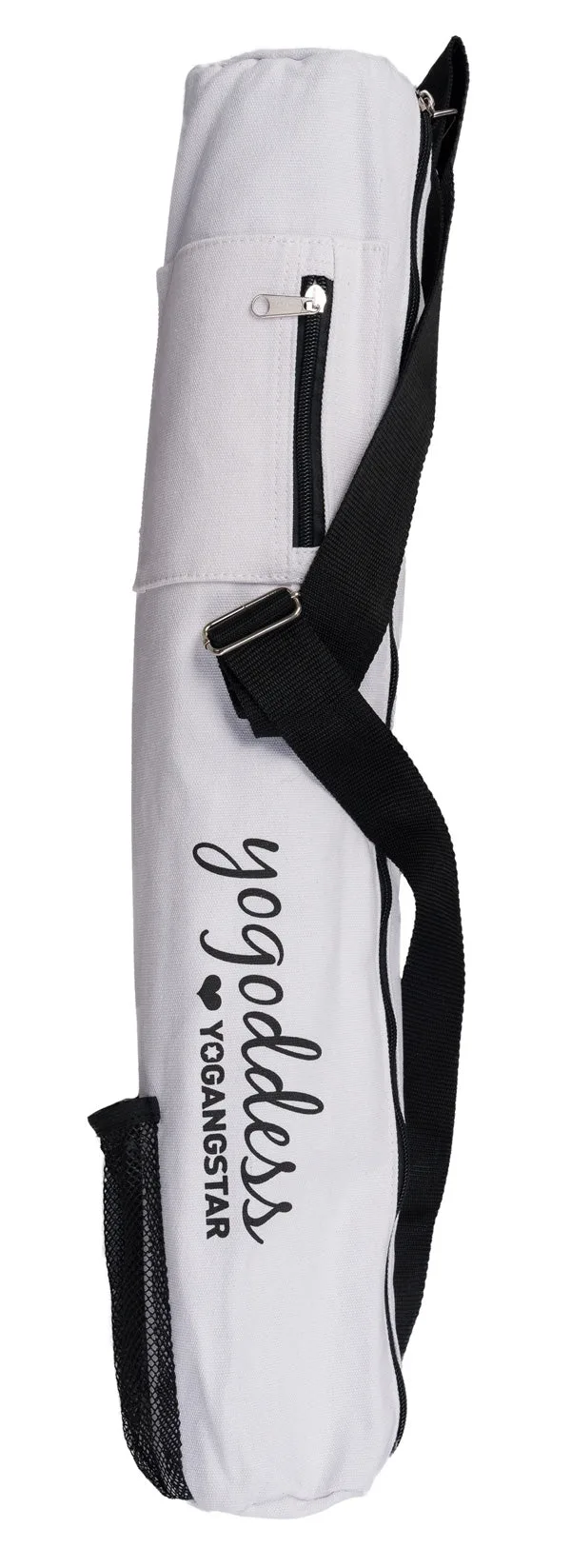
- Travel Yoga Mat Bags: Designed for 1.5mm Travel Yoga mats; 100% Natural Cotton with side pocket, water bottle holder, and carry strap. If you choose a thinner travel mat for portability, this bag keeps it protected and makes carrying easy. Note that it is sized for 1.5mm mats, so it may not fit thicker mats.
Who should choose which size
Best for
- Practitioners under 170 cm who want a standard, portable mat.
- Taller yogis (over 175 cm) who need an extra long yoga mat.
- Anyone who practices wide-stance poses and needs a wide yoga mat.
Not for
- Those who need a lightweight, packable mat for frequent travel (choose a travel mat instead).
- People with very limited storage space (measure before buying a wide or long mat).
Use these decision rules to find a mat that fits your body and practice. Remember to check exact dimensions, consider thickness and material, and choose a size that supports your yoga journey. A well-fitted mat helps you focus on your breath and movement, not on adjusting your mat.