Quick answer
A plastic-like smell from a new yoga mat is usually off-gassing, and it often fades within a few days to a couple of weeks. Unroll the mat in a well-ventilated, shaded spot, wipe it with a mild vinegar solution, and let it dry completely. If the odor lingers or gives you headaches, switch to a mat made from natural rubber or cork.
You unroll a brand-new yoga mat, and instead of calm, you get a sharp, plasticky smell that fills the room. It is annoying, but it is also common. Most new mats release volatile compounds from manufacturing, and that process is called off-gassing. The good news is that in most cases the smell is temporary and you can speed it up.
This guide separates the symptom from the likely cause, gives you a step-by-step fix, and tells you when to stop trying and choose a different mat. It also explains which materials tend to smell less from the start, so your next purchase does not repeat the problem.
Why a new yoga mat smells like plastic
Most yoga mats are made from PVC, TPE, or other synthetic foams. To make them soft, grippy, and durable, manufacturers use plasticizers, stabilizers, and foaming agents. When the mat is sealed in plastic and shipped, those compounds concentrate. The moment you open it, they escape into the air, which is why the smell is strongest in the first hours and days.
This is not automatically a sign of a defective mat. Many quality synthetic mats off-gas for a short period. The real issue is how strong the odor is, how long it lasts, and how your body reacts. A faint smell that fades in a few days is normal. A harsh chemical smell that stays for weeks or makes you feel unwell is a signal to act differently.
- Unroll the mat as soon as it arrives instead of storing it rolled up.
- Keep the room ventilated with a fan or open window.
- Avoid direct sunlight, which can degrade the mat surface.
How to get rid of yoga mat odor step by step
Start by airing out the mat. Unroll it fully in a shaded, well-ventilated space, ideally with a fan moving air across both sides. Leave it for 24 to 48 hours, then flip it and repeat. Most new-mat smells drop noticeably in this window. If you can, hang the mat over a drying rack or shower rod so air reaches the whole surface.
If the smell persists, wipe both sides with a solution of one part white vinegar to three parts water. Use a soft cloth, then wipe again with clean water and let the mat dry completely away from direct heat. For a deeper refresh, sprinkle baking soda over the mat, let it sit for a few hours, then vacuum or wipe it off. Never soak a mat or put a synthetic mat in the washing machine unless the manufacturer says it is safe.
- Repeat the airing cycle for up to two weeks if needed.
- Store the mat unrolled or loosely rolled in a dry, airy spot.
- Avoid masking the smell with strong essential oils, which can damage some mat surfaces.
When the smell is a dealbreaker
Stop trying to fix the mat if the odor has not faded after two to three weeks of proper airing, or if it gives you headaches, nausea, or breathing irritation. Those reactions are your body telling you the material is not a good fit. In that case, return or replace the mat rather than continuing to use it.
If you are sensitive to synthetic smells, choose a mat made from natural rubber or cork. These materials come from plant sources and generally have a much milder scent that fades quickly. They can still have a natural rubber or cork smell at first, but it is not the same sharp plastic odor. Natural rubber and cork also tend to be more eco-friendly choices.
- Two weeks of airing with no improvement: consider returning the mat.
- Headaches or irritation: stop using the mat immediately.
- Next purchase: look for natural rubber or cork tops.
Choosing a mat that smells less from day one
If you want to avoid the problem altogether, look for mats with natural rubber bases and fabric or cork tops. Natural rubber is tapped from trees and typically has a mild, earthy scent rather than a chemical one. Cork is naturally antimicrobial and has very little odor. Both options still benefit from a short airing, but the difference is usually obvious within a day or two.
Yogangstar mats are a good example of this approach. The Black Yogangstar Yoga Mat uses a luxurious suede towel top over a 4mm natural tree rubber base, and it is machine washable. The Cork Yoga Mat uses a cork top for grip and support. Neither relies on the heavy synthetic foams that cause the strongest plastic smells.
- Natural rubber and cork are plant-based and low-odor.
- Suede or fabric tops can be wiped or machine washed depending on the mat.
- Always check the care instructions before washing any mat.
Diagnose your mat smell
- Symptom: faint plastic smell in the first week: This is normal off-gassing from a new synthetic mat. Unroll it in a ventilated, shaded space and let it air for 24 to 48 hours, flipping once. Likely fine. Continue airing and use the mat as normal.
- Symptom: strong chemical smell that lingers past two weeks: The mat may contain higher levels of volatile compounds or be poorly cured. Try a vinegar wipe and more airing. If it still smells, return or replace it. Stop airing after three weeks with no improvement and choose a different mat.
- Symptom: headaches, nausea, or breathing irritation: Your body is reacting to the material. Do not keep using the mat. Move it out of your practice space and look for a natural rubber or cork alternative. Choose a mat with a natural rubber base or cork top for your next purchase.
Mats that help you avoid the plastic smell
- Black Yogangstar Yoga Mat + Free Yoga Bag: Luxurious suede towel top, 4mm thick base, 100% natural tree rubber, simple to wipe down clean and machine washable. The natural rubber base and washable suede top mean less synthetic off-gassing and easier odor control over time.
- Cork Yoga Mat With Free Yoga Bag: Speciality cork yoga mat with a cork top for grip and support. Cork is naturally low-odor and antimicrobial, so it is a strong choice if you are sensitive to plastic smells.
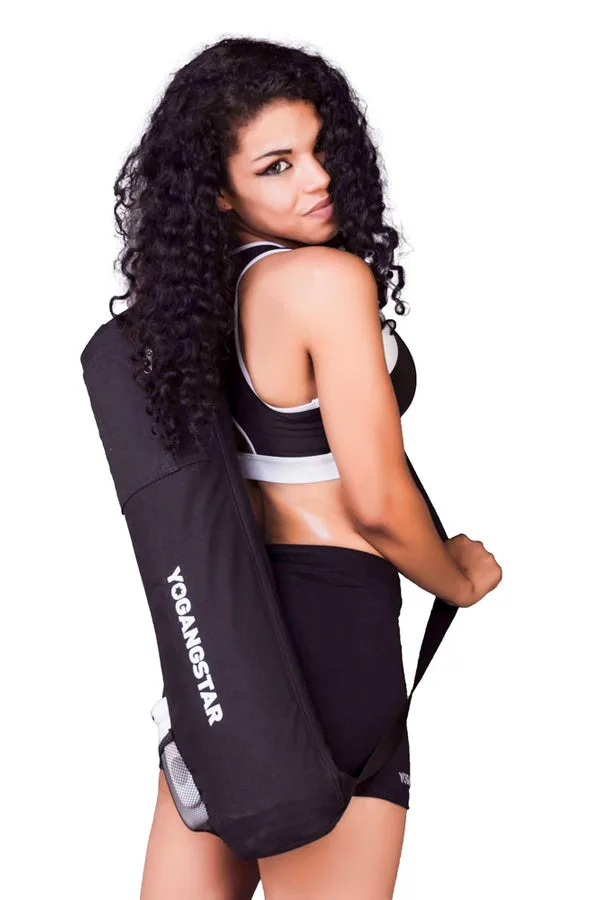
- Studio / Home Yoga Mat Bags: 100% natural cotton yoga bag with side pocket, water bottle holder, and carry strap, designed for 3 or 4mm yoga mats. A breathable cotton bag lets your mat air out between sessions instead of trapping odors in plastic.
A plastic-like smell from a new yoga mat is usually temporary off-gassing that you can speed up with airing and a gentle wipe. If it lingers or bothers you, switch to a mat made from natural rubber or cork. Your practice should smell like effort, not chemicals.