Quick Answer
Start with a yoga block and a strap—they're the most versatile for improving alignment and flexibility. Skip specialty props like wheels and bolsters until you've built a consistent practice and know what you actually need.
Walking into a yoga studio or scrolling online, it’s easy to feel overwhelmed by the sheer number of props available. But the truth is, you don’t need a full closet of gear to start. A few well-chosen pieces can make your practice more comfortable, safe, and effective.
This guide breaks down what’s worth buying first, what can wait, and how to choose props that match your body and goals. We’ll also share honest trade-offs so you spend money only on what truly supports your practice.
Why Start with Blocks?
Blocks are the most versatile prop for beginners. They bring the floor closer to you in standing poses, support your hips in seated postures, and help you maintain proper alignment when your flexibility is still developing. A block can turn a pose that feels impossible into one that feels accessible.
When choosing a block, consider the material. Foam blocks are lightweight and soft, making them great for restorative work. Wooden blocks, like the MeFree Wooden Yoga Block, offer a stable, solid surface that many beginners prefer for balance and grounding. If you’re unsure, a wooden block is a durable investment that will last for years.
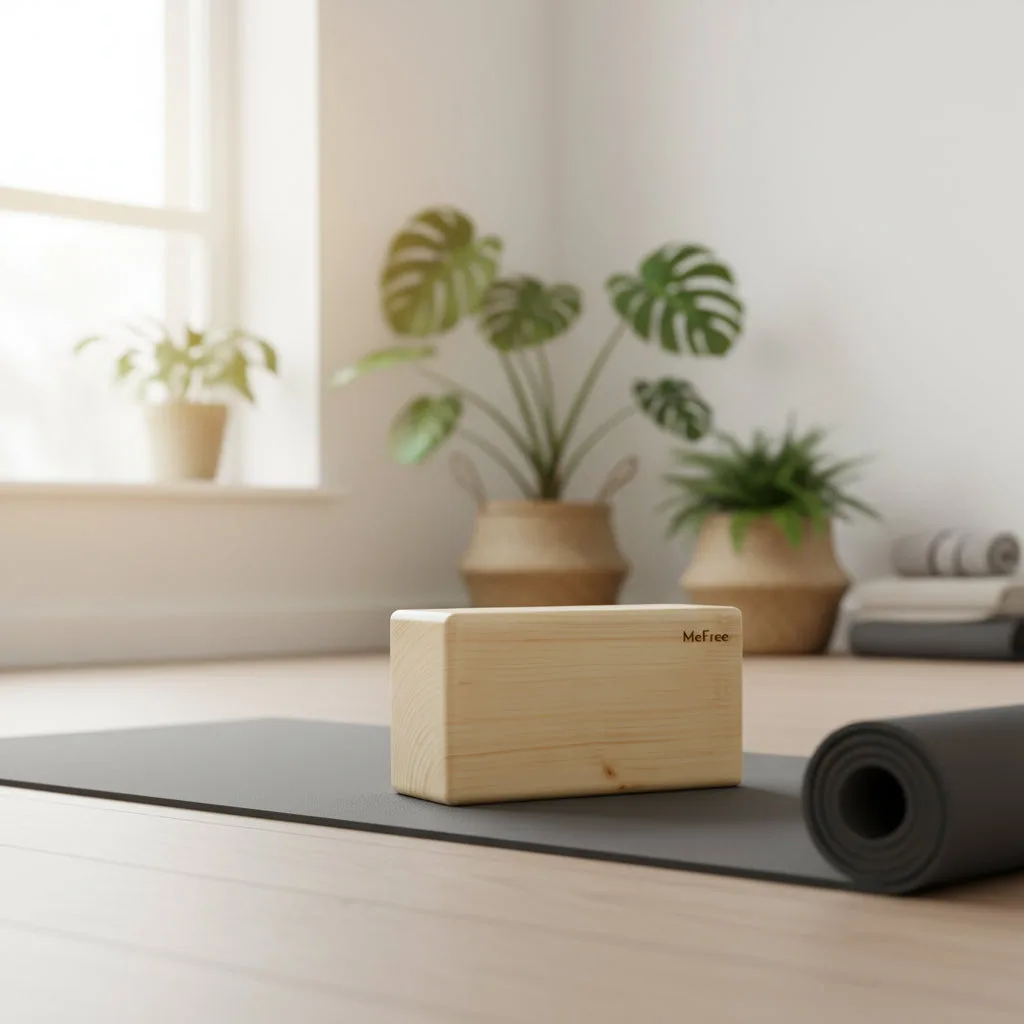
Wooden Yoga Block
- Start with one block—you can always add a second later.
- If you have tight hamstrings, a block under your hands in forward folds can relieve strain.
- Wooden blocks are heavier and more stable; foam is lighter and gentler on the body.
The Case for a Strap (or a Strap Substitute)
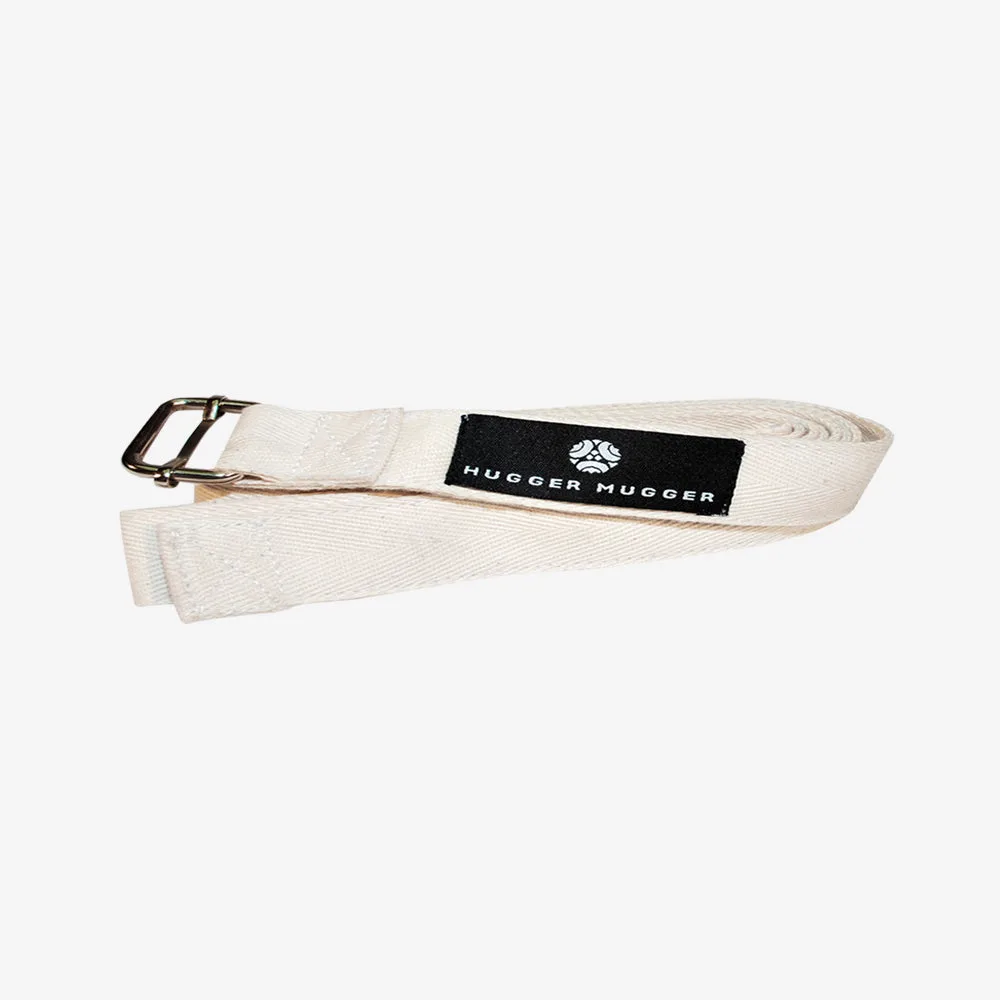
A strap is your best friend when you’re working on flexibility. It extends your reach, helps you maintain alignment in poses like seated forward folds and hamstring stretches, and is essential for poses where your hands can’t quite meet. If you’re not ready to buy a strap, a long belt or even a towel can work in a pinch.
For beginners, a strap with a buckle is easy to adjust and secure. You’ll use it in almost every class, from shoulder openers to hip stretches. It’s a small, affordable purchase that pays off quickly.
- A strap is non-negotiable for anyone with tight hamstrings or shoulders.
- Look for a strap with a D-ring or buckle for easy length adjustment.
- Practice with a strap at home to learn proper alignment before using it in class.
What About a Mat?
You probably already know you need a mat, but not all mats are created equal. For beginners, a standard sticky mat with good traction is usually enough. However, if you prefer a more natural option, a cotton yoga mat provides a non-slip surface and is eco-friendly, though it may not offer as much cushioning as a foam mat.
If you have sensitive joints, consider a thicker mat or layering a blanket under your hips. But don’t overthink it—start with a basic mat and upgrade only if you find yourself slipping or feeling discomfort.
- A standard 1/8-inch mat is fine for most beginners.
- Cotton mats are breathable and natural but may need a sticky mat underneath for extra grip.
- If you have knee or wrist issues, invest in a thicker mat or use a folded towel for extra padding.
What to Skip for Now
Some props are wonderful but not essential for your first few months. Bolsters, wheels, and straps with special features can wait until you’ve built a consistent practice and know what you need. For example, a bolster is lovely for restorative poses, but you can achieve similar support with a firm pillow or folded blanket.
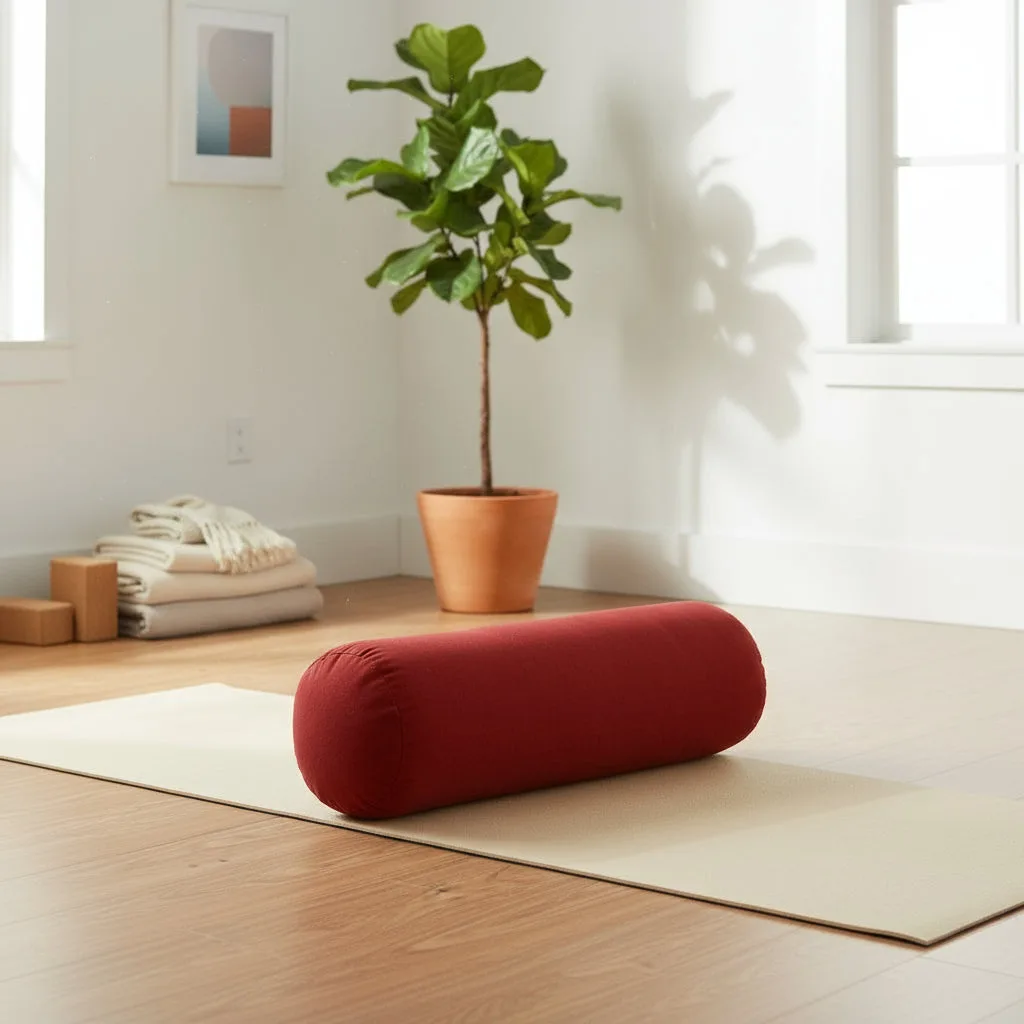
bolster
Similarly, specialty blocks like the Quarter Round Block or Infinity Blocks are designed for specific alignment needs. While they’re excellent tools, they’re not necessary for a beginner. Focus on the basics first, and you’ll save money and space.
- Skip the yoga wheel until you’ve mastered basic arm balances and backbends.
- A bolster is a nice-to-have, not a must-have, for your first few months.
- If you’re unsure whether you need a specialty prop, wait until you’ve practiced for at least three months.
How to Choose Props That Fit Your Body
Props should support your body, not fight it. When choosing a block, consider your height and arm length. If you have longer arms, a taller block might be more comfortable in standing poses. For straps, look for one that’s long enough to accommodate your height and flexibility—most are at least 6 feet long.
If you have limited hand strength or wrist issues, a lighter block might be easier to hold in certain poses. Wooden blocks are heavier and more stable, which is great for balance but can be tiring if you need to move them around a lot. Foam blocks are lighter but may not provide as much stability for standing poses.
- Measure your arm span to determine the right strap length.
- If you have wrist pain, choose a block with a softer surface or use a folded towel for support.
- Test different block heights in child’s pose to see what feels best for your body.
Your Decision Rules for Buying First Yoga Props
- If you can only buy one prop: Choose a yoga block. It’s the most versatile for support, alignment, and building strength. Start with a block.
- If you have tight hamstrings or shoulders: Add a strap to your cart. It extends your reach and helps you ease into stretches safely. A strap is a close second.
- If you practice on hard floors: Invest in a mat with good traction. A cotton mat is natural and non-slip, but a sticky mat may offer more cushioning. Protect your joints first.
- If you're tempted by specialty props: Wait. Bolsters, wheels, and specialty blocks are useful but not essential for your first few months. Master the basics before expanding.
Props Worth Considering
- Wooden Yoga Block: Heavy wooden yoga blocks were designed for beginning practitioners as well as for experienced yogis who want a solid foundation on which to build their practice, unlike traditional foam blocks that may feel unsteady. If you're a beginner who wants stability in standing poses and balance work, a wooden block gives you a firm, grounded surface that won't shift under your weight.
- Cotton Yoga Mat – Eco-Friendly & Anti-Skid - Blue: This blue cotton yoga mat combines the artistry of traditional Indian handlooms with a high-performance design, ensuring every pose feels stable, comfortable, and grounded. If you prefer a natural, skin-friendly surface and want a mat that stays put, this cotton option is a great eco-conscious choice for your home practice.
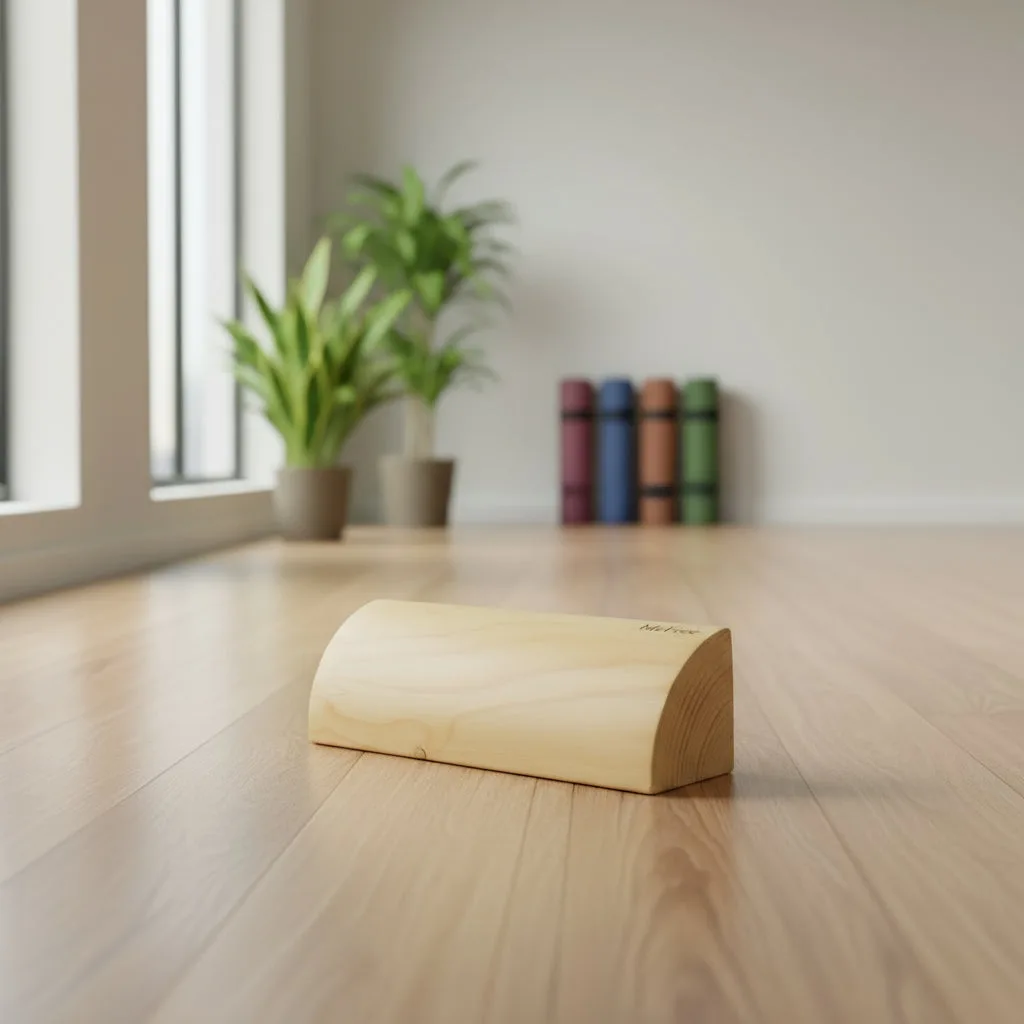
- Quarter Round Block: The quarter round block is an Iyengar specialized yoga accessory made from solid pinewood that provides support and stability. If you're working on precise alignment or need extra support in certain poses, this block's unique shape can help you find better posture without overreaching.
How to Choose Props That Fit You
Best for
- Beginners who want a simple, affordable start
- Practitioners with tight hamstrings or limited flexibility
- Those who prefer stable, grounded props for balance work
Not for
- Advanced practitioners who need specialized alignment tools
- Anyone practicing primarily on very hard floors without a mat
- Those who prefer very soft, cushioned props for restorative work
Starting your yoga practice doesn’t require a full gear haul. Focus on a block, a strap, and a mat that fits your body and floor. As you grow, you can add more specialized props. For now, keep it simple, and let your practice guide your next purchase.