Quick answer
Choose yoga wall ropes if you want traction, lengthening, and supported inversions, and you can dedicate a wall to a permanent setup. Choose a slanting plank if your goal is alignment and posture work on the floor with no installation. The two solve different problems, so the deciding factor is whether you need traction or alignment.
What each prop actually does
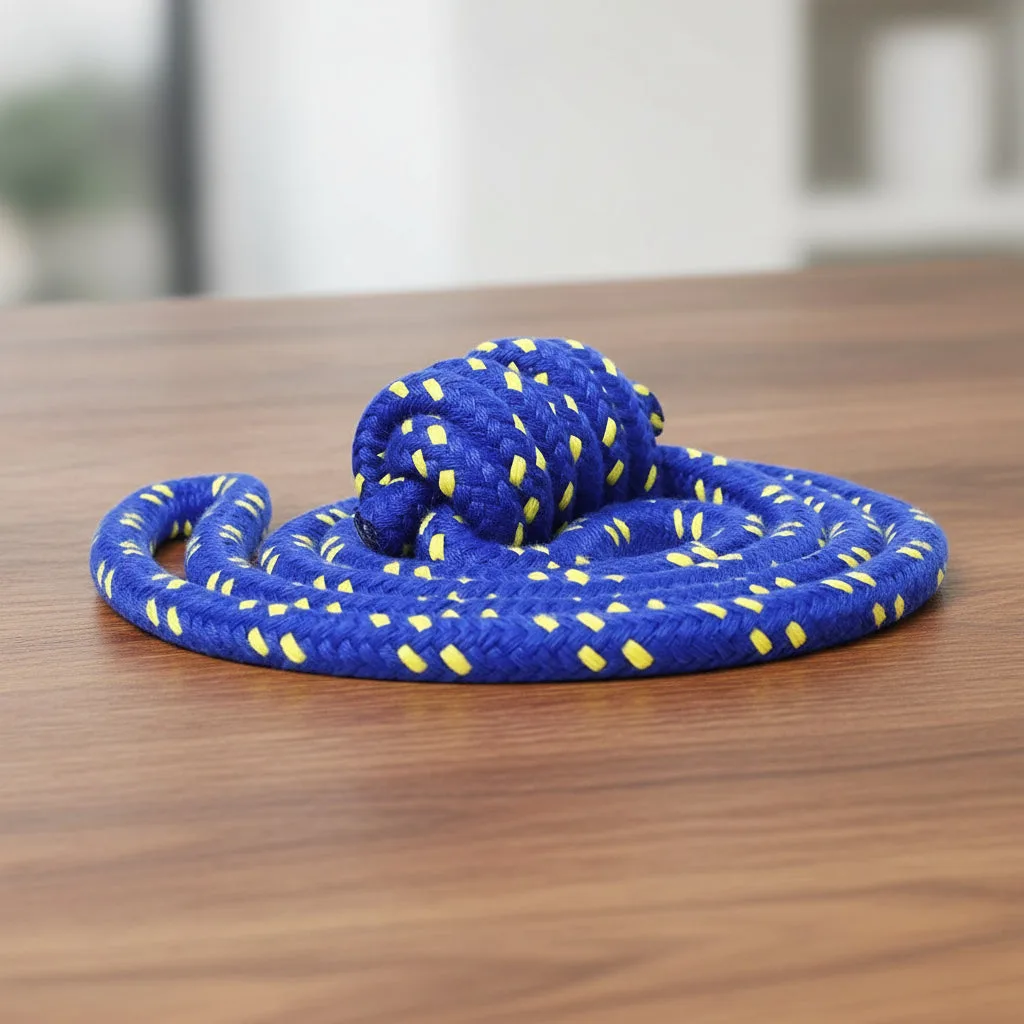
Yoga wall ropes hang from wall-mounted hooks and let you use gravity to create traction and support. The ropes are a versatile extension of your body, allowing you to explore the nuances of gravity and traction, according to the product description. They are not a floor prop; they require a wall and a mounting point.
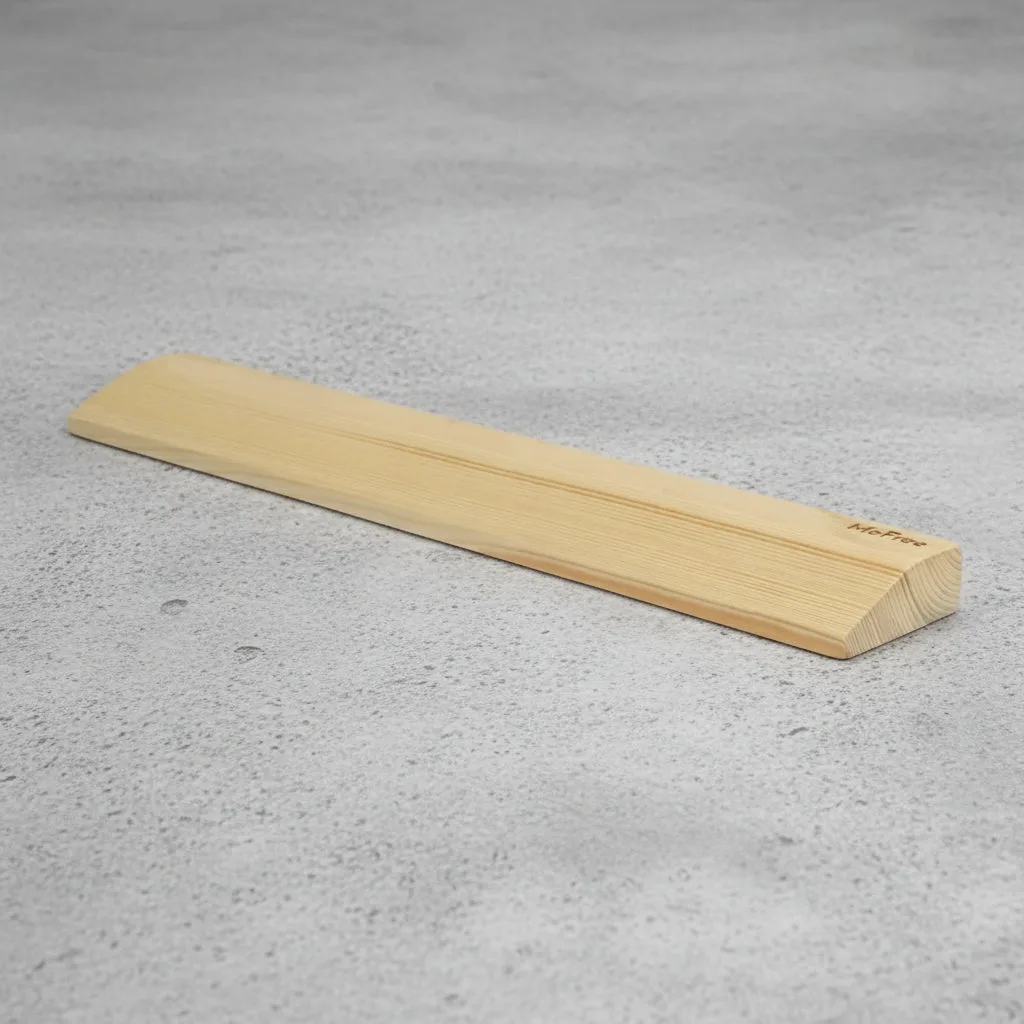
A slanting plank is a hand-finished floor prop. The Slanting Plank provides a unique combination of great craftsmanship, attention to detail, and ongoing support that enhances your experience as you develop your own personal style from scratch. It is used on the floor for alignment and support, not for hanging or traction.
Setup and space: the biggest practical difference
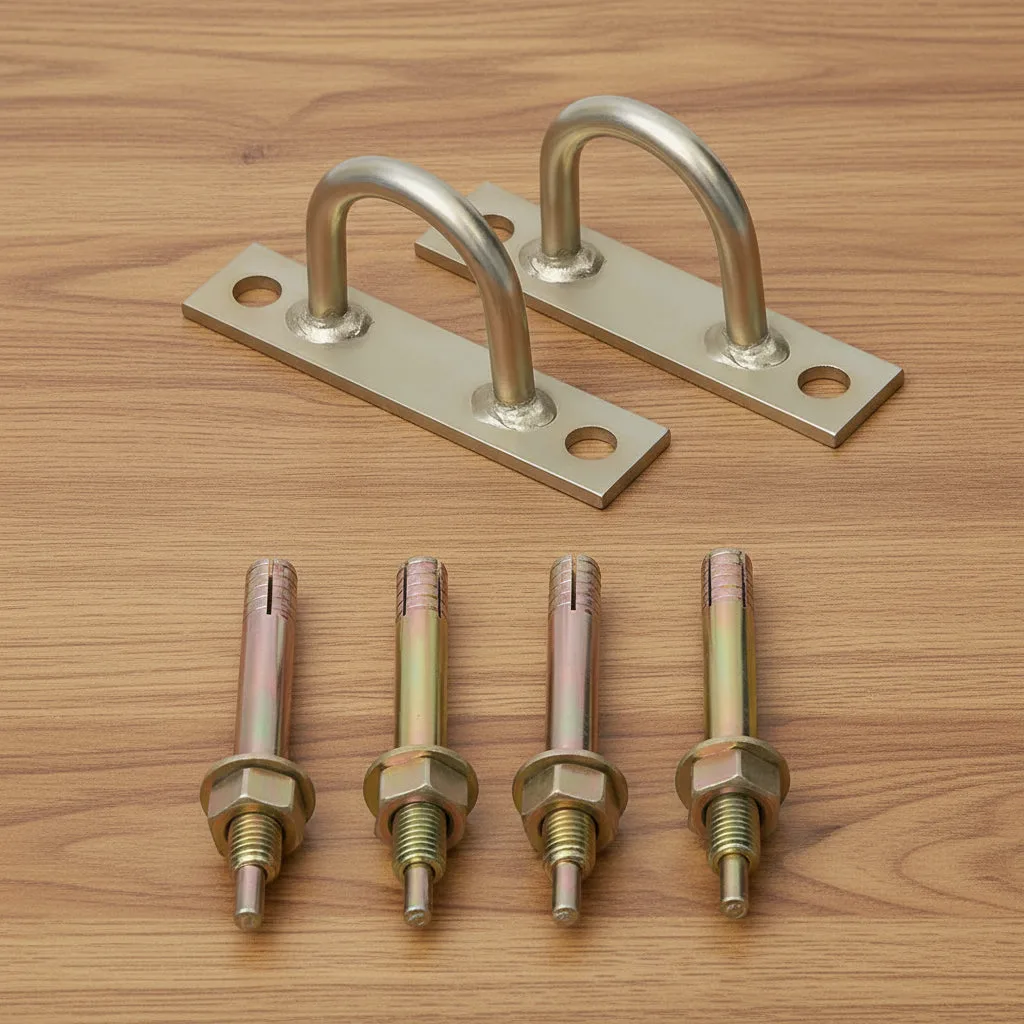
Wall ropes need a wall and hardware. The Yoga Hooks for Wall Ropes are the essential structural foundation for a dedicated home or studio practice, with a D-shape designed for a secure fit with ropes, slings, and belts. That means installation and a permanent spot. If you rent or move often, that is a real constraint.
A slanting plank needs only floor space and somewhere to store it. There is no installation, no wall damage, and no hardware to check. The trade-off is that you give up traction and hanging support entirely.
How to choose based on your goal
If your priority is spinal traction, lengthening, or supported inversions, wall ropes are the direct tool. If your priority is posture, alignment, and floor-based strength work, a slanting plank is the direct tool. Buying one does not substitute for the other.
For a home setup, start with the prop that matches your main goal. Adding the second prop later is reasonable, but only if you have both the wall space and the floor space to use them well.
Trade-offs at a glance
- Traction vs. alignment: Wall ropes use gravity for traction and lengthening; a slanting plank supports alignment and posture on the floor. Match the prop to your main goal, not to a general idea of 'yoga props'.
- Permanent wall vs. open floor: Wall ropes require hooks and a dedicated wall; a slanting plank needs only floor space and storage. If you cannot install hardware, the slanting plank is the practical choice.
- Hardware dependency vs. standalone use: The ropes depend on the D-shape hooks as a secure foundation; the slanting plank works on its own. Budget for the full wall-rope system, not just the ropes.
Product facts
- Yoga Wall Ropes Set of 2: Yoga Wall Ropes Set of 2 are engineered to bridge the gap between flexibility and stability, designed for durability and a soft touch, and serve as a versatile extension of your body for exploring gravity and traction. This is the prop that makes traction and supported hanging work possible, so it fits practices built around lengthening and gravity-assisted positions.
- Yoga Hooks for Wall Ropes (Set of 2): Yoga Hooks for Wall Ropes (Set of 2) are crafted with a specialized D-shape to provide a seamless and secure fit specifically tailored for yoga ropes, slings, and belts, transforming any wall into a versatile setup. The hooks are the structural foundation; without a secure mounting point, wall ropes cannot be used, so this purchase is part of the wall-rope decision.
- Slanting Plank: Slanting Plank is hand finished and provides a combination of craftsmanship, attention to detail, and ongoing support that enhances your experience as you develop your own personal style from scratch. This is a floor-based alignment and support prop, so it fits posture and floor work rather than traction or hanging.
Which one fits you?
Best for
- Practitioners who want traction, lengthening, and supported inversions and can dedicate a wall
- Home or studio setups that can install and maintain wall hooks
- People whose main goal is spinal decompression or gravity-assisted stretching
Not for
- Renters or anyone who cannot mount hardware on a wall
- Practitioners whose main goal is floor-based posture and alignment work
- Anyone looking for a portable prop they can move between rooms or take to class