Quick answer
Mount yoga wall rope hooks into solid structural studs or masonry using hardware rated for at least twice your body weight, then attach ropes with a secure knot or carabiner and test with a gradual load before full practice. Check the mounting and ropes before every session, and stop if you see any movement or wear.
Choose a wall that can take the load
Concrete, brick, or timber studs are suitable; drywall alone is not. If you are unsure, hire a contractor to identify studs or install a mounting board. Hooks must be spaced to match your rope set and your height—typically shoulder-width apart and at a height that lets you hang with arms extended.
Mount the hooks with the right hardware
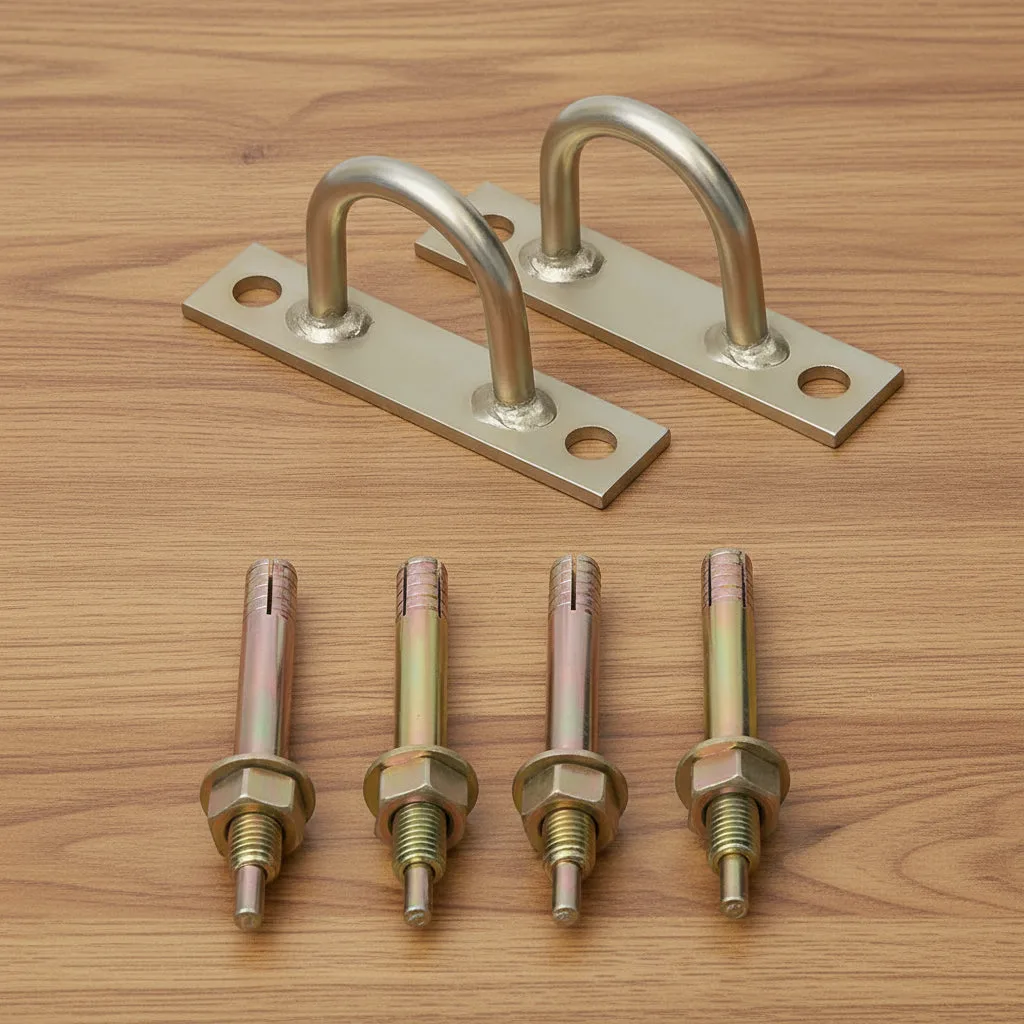
Use heavy-duty lag bolts or masonry anchors rated for at least twice your body weight per hook. Pre-drill pilot holes to avoid splitting timber. For the D-shape hooks, orient the opening so the rope sits in the curve without rubbing the edge. Tighten until the hook is flush and cannot rotate by hand.
Attach ropes and tie secure knots
Thread the rope through the hook and tie a figure-eight or bowline knot, leaving a tail at least 10 cm long. For adjustable ropes, use a carabiner or a rope grab. Check that the rope runs freely and does not cross itself. If you use a set with color and size options, pick a length that lets you reach the floor with a slight bend in your knees when you hang.
Test the setup before you practice
Hang with both hands and gradually shift your weight, then add a gentle swing. Listen for creaks and watch for any movement at the wall. If anything shifts, stop and re-tighten or call a professional. Once stable, mark the rope length with tape so you can reset it quickly.
Use ropes for traction and alignment
Common uses include hanging forward bends, supported backbends, and arm traction. Keep movements slow and avoid bouncing. For poses where you hook your feet, use a rope with a soft cover or wear socks to prevent chafing. If you feel pinching in the shoulders, reduce the angle or use a block under your feet.
Maintain your hooks and ropes
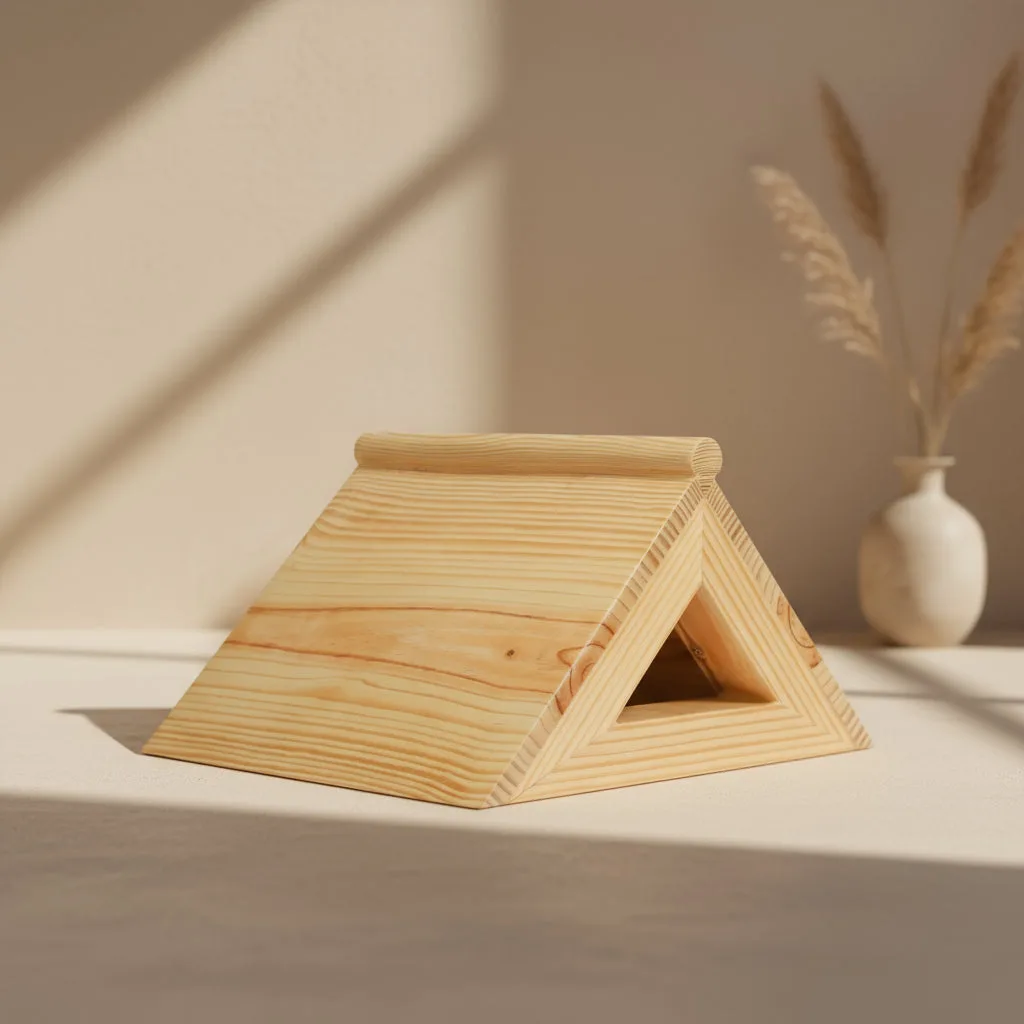
Inspect hooks for rust, looseness, or sharp edges monthly. Wipe with a dry cloth; avoid oil. Check ropes for fraying, glazing, or stiffness—replace if any appear. Store ropes off the floor and out of direct sun. If you have a large triangular block, use it as a step to reach the ropes safely rather than pulling on them.
Step-by-step safe setup and use
- 1. Pick a suitable wall: Choose a wall with solid studs, concrete, or brick. Avoid drywall alone. If unsure, consult a contractor. Checkpoint: The wall should not flex or sound hollow when tapped.
- 2. Mark and drill holes: Hold the hook against the wall, mark hole positions, and drill pilot holes sized for your lag bolts or anchors. Common mistake: Drilling too close to the edge of a stud, which weakens the hold.
- 3. Mount the hooks: Insert anchors or lag bolts and tighten the hooks until they are flush and cannot rotate by hand. Checkpoint: Each hook should feel rock solid with no wobble.
- 4. Attach and knot the ropes: Thread ropes through the hooks and tie a secure knot, leaving a 10 cm tail. Adjust length so you can hang with arms extended. Common mistake: Using a knot that slips; test with a firm pull before hanging.
- 5. Test with a gradual load: Hang with both hands and slowly shift your weight. Listen for creaks and watch for movement. If anything shifts, stop and re-tighten or call a professional.
- 6. Practice with control: Use the ropes for traction and supported poses. Move slowly and avoid bouncing. Checkpoint: No sharp pain in shoulders or wrists; adjust angle or use a block if needed.
- 7. Inspect before each session: Check hooks for rust or looseness and ropes for fraying. Replace worn ropes immediately. Common mistake: Ignoring small signs of wear; they can lead to failure.
Product facts
- Yoga Hooks for Wall Ropes (Set of 2): MeFree Yoga Hooks for Wall Ropes (Set of 2) are D-shaped and designed for yoga ropes, slings, and belts. The D-shape keeps ropes centered and reduces rubbing, which helps the rope run smoothly during traction.
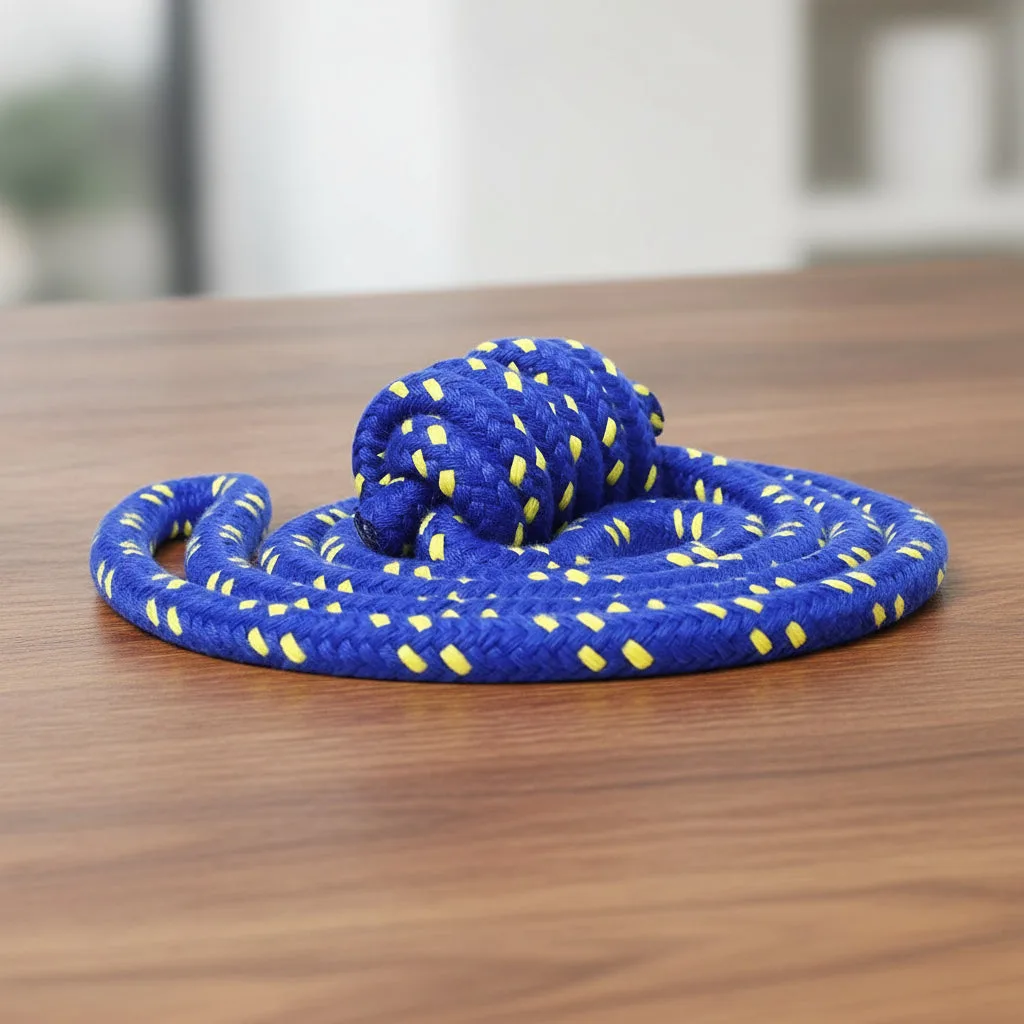
- Yoga Wall Ropes Set of 2: MeFree Yoga Wall Ropes Set of 2 is made for durability and a soft touch, and comes in multiple colors and sizes. You can choose a length and color that fit your wall height and practice style, and the soft feel is easier on hands and feet.
- Triangular Block - Big: MeFree Triangular Block - Big is made from sustainably sourced pinewood and offers a broad, stable base. Use it as a sturdy step to reach your ropes or as support under your feet during rope work, reducing strain on your shoulders.