Quick answer
For the steadiest, widest view in bright conditions, choose the Zeiss 4x12 Mono T*. For the best balance of reach and portability, go with the 6x18. For maximum detail at distance, pick the 10x25.
Magnification and image stability
Higher magnification lets you see finer details farther away, but it also magnifies hand shake. The 4x12 produces an exceptionally steady image because its 4x power barely amplifies natural tremor. The 6x18 is still very hand-holdable for most users, while the 10x25 requires a steadier grip or a support surface to avoid blur. If you plan to use the monocular mostly handheld without a tripod, the 4x12 or 6x18 will give you a consistently sharper view.
Field of view and close focus
A wider field of view makes it easier to locate and follow moving subjects. The 4x12 offers the broadest view, ideal for scanning landscapes or tracking birds in flight. The 6x18 still provides a generous field for general observation. The 10x25 has a narrower field, so you will need to be more precise when aiming. Close focus distances also differ: the 6x18 focuses down to 12 feet, the 4x12 to 18 feet, and the 10x25 to a similar distance. If you frequently look at nearby objects, the 6x18 gives you the closest view.
Size and carry convenience
All three share the same Schmidt-Pechan prism design and T* multi-coating, but their objective lenses and lengths vary. The 4x12 is the most pocketable, slipping into a shirt pocket or small pouch. The 6x18 is still compact enough for a jacket pocket. The 10x25, with its larger 25mm objective, is slightly bulkier but still fits in a daypack. If absolute minimal carry weight is your priority, the 4x12 wins; if you want more reach without a huge size penalty, the 6x18 is the sweet spot.
Trade-offs at a glance
- Zeiss 4x12 Mono T*: Steadiest image, widest field, most pocketable. Best for bright conditions and quick scanning. Close focus 18 ft limits nearby viewing.
- Zeiss 6x18 Mono T*: Best all-rounder: 6x magnification is easy to hold, field is generous, close focus 12 ft is the shortest. Slightly larger than the 4x12 but still very compact.
- Zeiss 10x25 Mono T*: Most reach for detail at distance. Narrower field and more shake-prone. Requires a steady hand or support. Best for stationary observation of far subjects.
Product facts
-
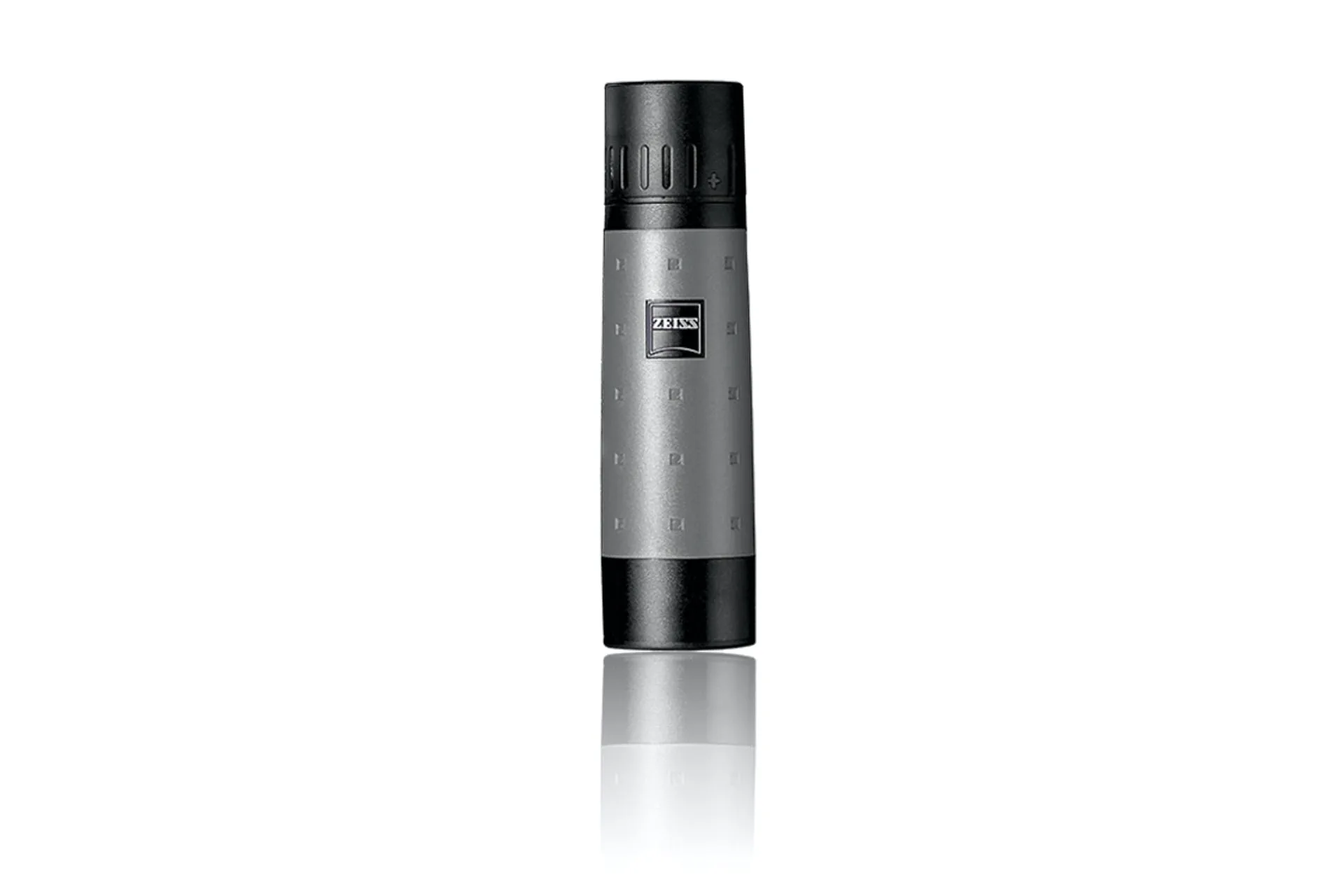
Zeiss 4x12 Mono T* Monocular: 4x magnification, Schmidt-Pechan prism, T* Fully Multicoated Optics, Achromat Lens System, close focus 18 The 4x12 delivers a very steady, wide image ideal for quick handheld viewing in good light.
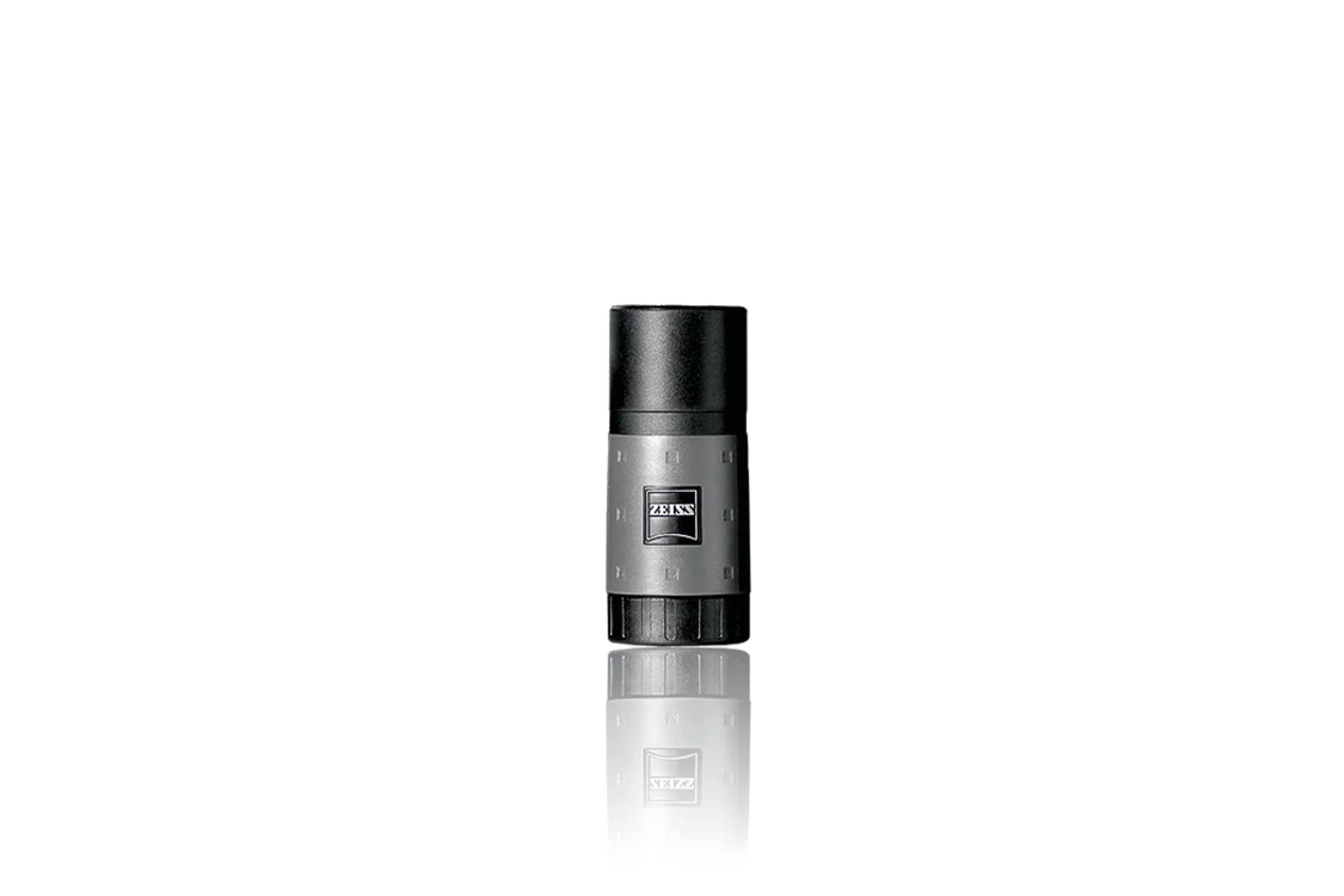
Zeiss 4x12 Mono T* Monocular
-
Zeiss 6x18 Mono T* Monocular: 6x magnification, Schmidt-Pechan prism, T* Fully Multicoated Optics, Achromat Lens System, close focus 12 The 6x18 balances reach and stability, with the closest close focus of the three for nearby subjects.
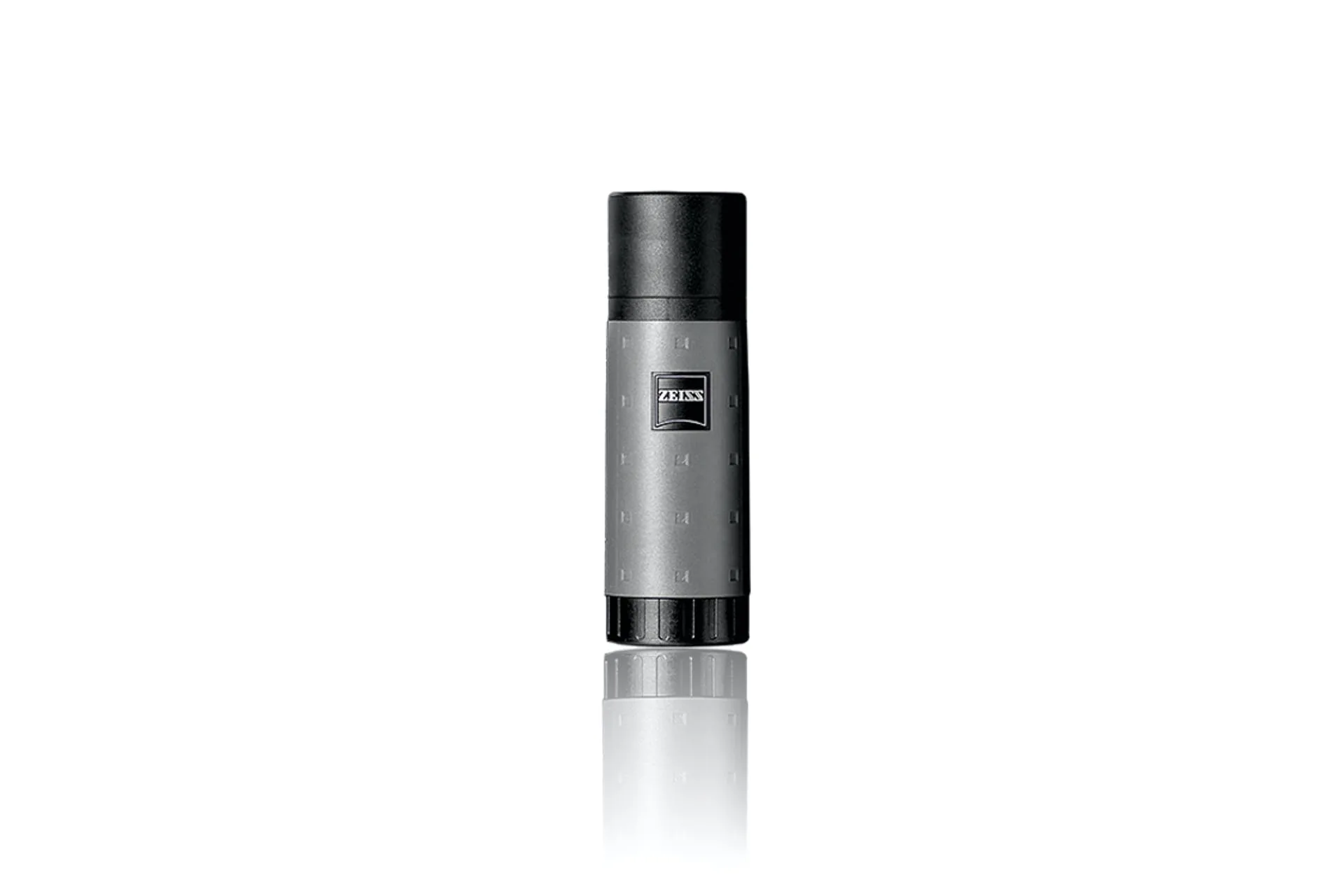
Zeiss 6x18 Mono T* Monocular
-
Zeiss 10x25 Mono T* Monocular: 10x magnification, Schmidt-Pechan prism, T* Fully Multicoated Optics, Achromat Lens System, 25mm objective lens The 10x25 is the most powerful Mono series model, letting you resolve distant details but requiring a steady hold.
Which one fits you?
Best for
- Hikers and travelers who want the lightest, steadiest view: Zeiss 4x12 Mono T*
- All-purpose outdoor use with a balance of reach and portability: Zeiss 6x18 Mono T*
- Birders or nature watchers who need to see fine details at a distance: Zeiss 10x25 Mono T*
Not for
- Low-light use: none of these have large objective lenses; all three perform best in daylight.
- Digiscoping with a smartphone: the 10x25's narrow field and higher magnification make framing difficult without a dedicated adapter.